
Choosing the right supplements sounds simple until you realize the US supplement industry is worth over $55 billion every year and not all products are created equal. Most people grab bottles at random, hoping for the best and rarely see real results. Smart supplement management flips the script and turns guesswork into a science, unlocking a routine that actually fits your unique needs.
Table of Contents
- Step 1: Evaluate Your Supplement Needs
- Step 2: Select Quality Products Wisely
- Step 3: Store Supplements Properly
- Step 4: Monitor Your Intake Consistently
- Step 5: Assess Effectiveness Regularly
Quick Summary
| Key Point | Explanation |
|---|---|
| 1. Evaluate your supplement needs | Assess your health and dietary habits to identify specific nutritional gaps before starting any supplements. |
| 2. Choose quality products wisely | Select supplements from reputable manufacturers that undergo third-party testing for quality assurance. |
| 3. Store supplements properly | Maintain supplements in a cool, dry, and stable environment to ensure their potency and effectiveness. |
| 4. Monitor your intake consistently | Track your supplement use and its effects on your health to make informed adjustments over time. |
| 5. Assess effectiveness regularly | Periodically evaluate the impact of your supplements on health metrics to determine if adjustments are needed. |
Step 1: Evaluate Your Supplement Needs
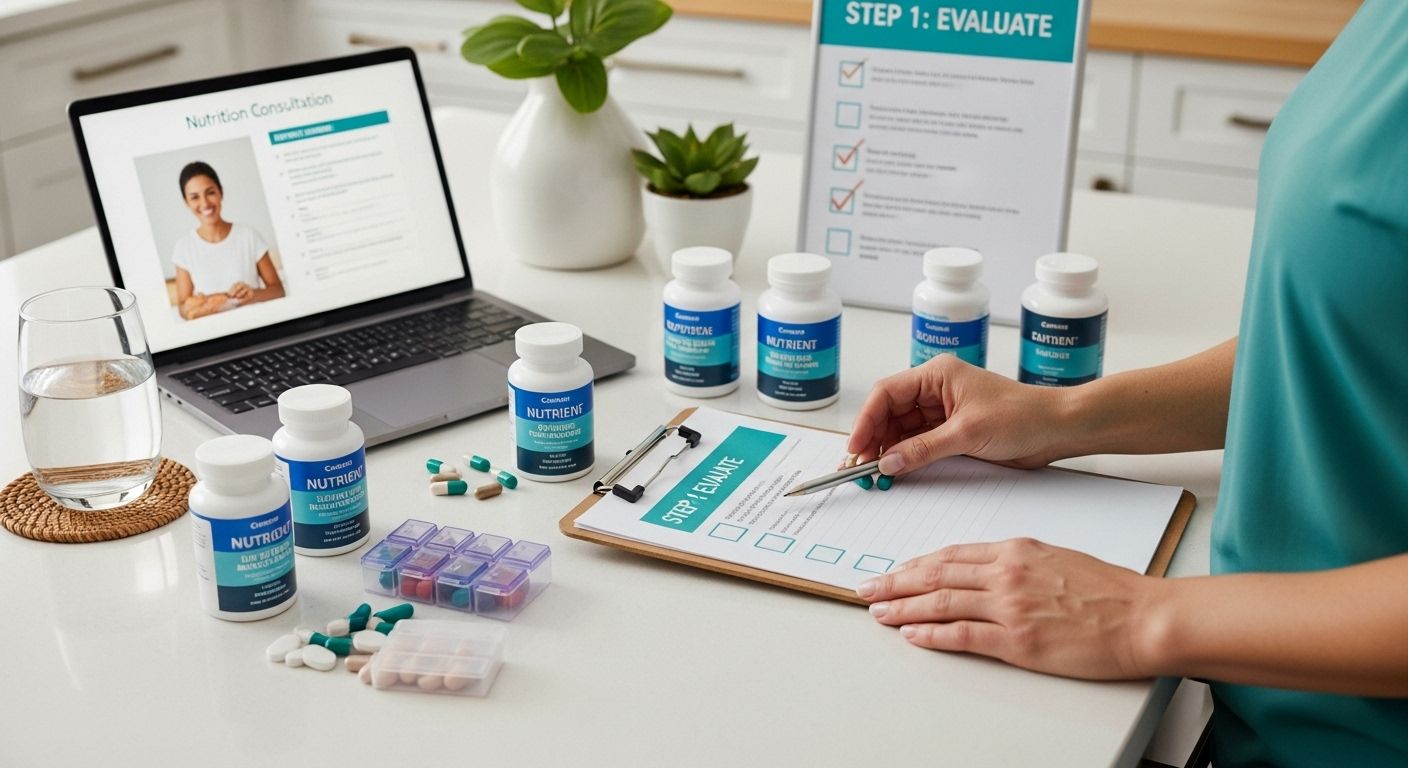
Successfully managing your supplement routine begins with a comprehensive personal health assessment. Understanding your unique nutritional landscape allows you to craft a targeted supplement strategy that addresses your specific wellness goals. This crucial first step transforms random supplement consumption into a strategic, personalized health optimization approach.
Understanding Your Personal Health Profile
Starting your supplement journey requires honest self-reflection and professional guidance. Your health evaluation should encompass multiple dimensions beyond surface level symptoms. Medical professionals recommend a thorough review of your current diet, lifestyle habits, existing health conditions, and potential nutrient deficiencies. According to the National Institutes of Health, this comprehensive assessment helps identify precise nutritional gaps that supplements might address.
Begin by scheduling a consultation with your healthcare provider or a registered nutritionist. During this consultation, prepare to discuss several key areas:
- Current diet and eating patterns
- Energy levels and overall vitality
- Specific health concerns or chronic conditions
- Family medical history
- Fitness and activity levels
- Stress management and sleep quality
These discussions provide critical insights into potential nutritional needs. Your healthcare professional might recommend targeted blood tests to pinpoint specific deficiencies. These tests can reveal precise vitamin and mineral levels, helping you design a supplement regimen with scientific precision.
Creating Your Personalized Supplement Strategy
Transforming assessment insights into an actionable supplement plan requires careful consideration. Not all supplements are created equal, and individual absorption rates vary dramatically. Some individuals metabolize nutrients differently based on genetic factors, age, gender, and overall health status. Your goal is developing a customized approach that supports your body’s unique requirements.
Consider factors like bioavailability when selecting supplements. Look for high-quality formulations that your body can effectively absorb and utilize. Some supplements work synergistically, meaning certain combinations enhance overall effectiveness. Your healthcare provider can help you understand these complex interactions and design a supplement protocol tailored specifically to your physiological needs.
Successful supplement management is an ongoing process. Regular reassessment ensures your nutritional strategy evolves alongside your changing health landscape. Plan to review your supplement routine every six to twelve months, adjusting based on new health insights, changing lifestyle factors, or updated medical recommendations.
Step 2: Select Quality Products Wisely
Choosing high-quality supplements is a critical step in your health optimization journey. Not all supplements are created equal, and navigating the complex marketplace requires strategic decision making. Your ability to select reliable, effective products directly impacts the potential health benefits you will experience.
Identifying Reputable Supplement Sources
The supplement industry is largely unregulated, which means consumers must become savvy investigators of product quality. According to the National Institutes of Health, critical factors in selecting quality supplements include understanding manufacturing standards, verifying ingredient purity, and confirming product authenticity.
Start by researching supplement manufacturers with established reputations. Look for companies that voluntarily submit their products to third-party testing and certification. Credible certification seals from organizations like USP (United States Pharmacopeia), NSF International, or ConsumerLab provide external validation of product quality and safety standards. These independent organizations rigorously test supplements for contaminants, verify label accuracy, and ensure manufacturing consistency.
When evaluating potential supplements, scrutinize product labels meticulously. Comprehensive labels should transparently display:
- Complete ingredient list
- Precise dosage information
- Manufacturer contact details
- Batch or lot number
- Expiration date
- Recommended storage conditions
Navigating Complex Supplement Selection
Beyond manufacturer reputation, consider additional factors that distinguish high-quality supplements. Bioavailability refers to how effectively your body can absorb and utilize nutrients. Some supplement formulations demonstrate superior absorption rates through advanced delivery mechanisms like micronization or chelation. Seek products that utilize scientifically validated ingredient forms and have research supporting their effectiveness.
Price should not be the sole determining factor in supplement selection. While premium supplements often cost more, extremely low-priced products might compromise on quality, sourcing, or manufacturing standards. Invest in supplements from reputable brands that prioritize transparency and scientific research.
Remember that supplement selection is not a one-time event but an ongoing process. Your nutritional needs evolve with age, lifestyle changes, and health status. Regularly reassess your supplement choices, staying informed about emerging research and consulting healthcare professionals who can provide personalized guidance.
Successful supplement selection requires a combination of research, critical thinking, and proactive health management. By approaching your supplement routine with careful consideration, you transform a potentially random process into a strategic component of your overall wellness plan.
Step 3: Store Supplements Properly
Proper supplement storage is a critical yet often overlooked aspect of maintaining nutritional effectiveness. How you store your supplements directly impacts their potency, safety, and overall therapeutic value. Understanding and implementing correct storage techniques can help preserve the integrity of your carefully selected nutritional support.
Creating an Optimal Storage Environment
Environmental conditions play a significant role in supplement preservation. According to the National Institutes of Health, temperature, humidity, and light exposure can dramatically influence supplement quality. The goal is to create a stable environment that protects your supplements from degradation.
Most supplements require storage in cool, dry locations away from direct sunlight. Your kitchen might seem convenient, but areas near stoves, dishwashers, or with high humidity can compromise supplement effectiveness. Bathroom storage is particularly problematic due to moisture and temperature fluctuations. Instead, consider dedicating a specific storage area with consistent temperature and minimal light exposure.
Designate a storage space with these specific characteristics:
- Temperature between 59-77 degrees Fahrenheit
- Low humidity levels
- Away from direct sunlight
- Inaccessible to children and pets
- Consistent environmental conditions
Maintaining Supplement Integrity
Beyond location, how you handle and organize supplements matters significantly. Always keep supplements in their original containers with intact seals. These containers are specifically designed to protect against moisture, light, and potential contamination. Transfer to alternative containers only if absolutely necessary, and ensure they are clean, dry, and airtight.
Different supplement types may require unique storage considerations. Liquid supplements often need refrigeration, while probiotics might have more stringent temperature requirements. Carefully read individual product labels for specific storage instructions. Some supplements lose effectiveness when exposed to air, so minimizing container opening time and ensuring tight resealing becomes crucial.
Implement a systematic approach to supplement organization. Consider using a dedicated storage container with compartments, allowing you to separate different supplement types. Label containers with purchase and expiration dates, creating a visual tracking system that helps you manage your supplement inventory effectively.
Regular inspection is key to maintaining supplement quality. Periodically check your supplements for signs of degradation such as color changes, unusual odors, or texture modifications. Discard any supplements that appear compromised, as consuming altered nutritional products can potentially harm your health.
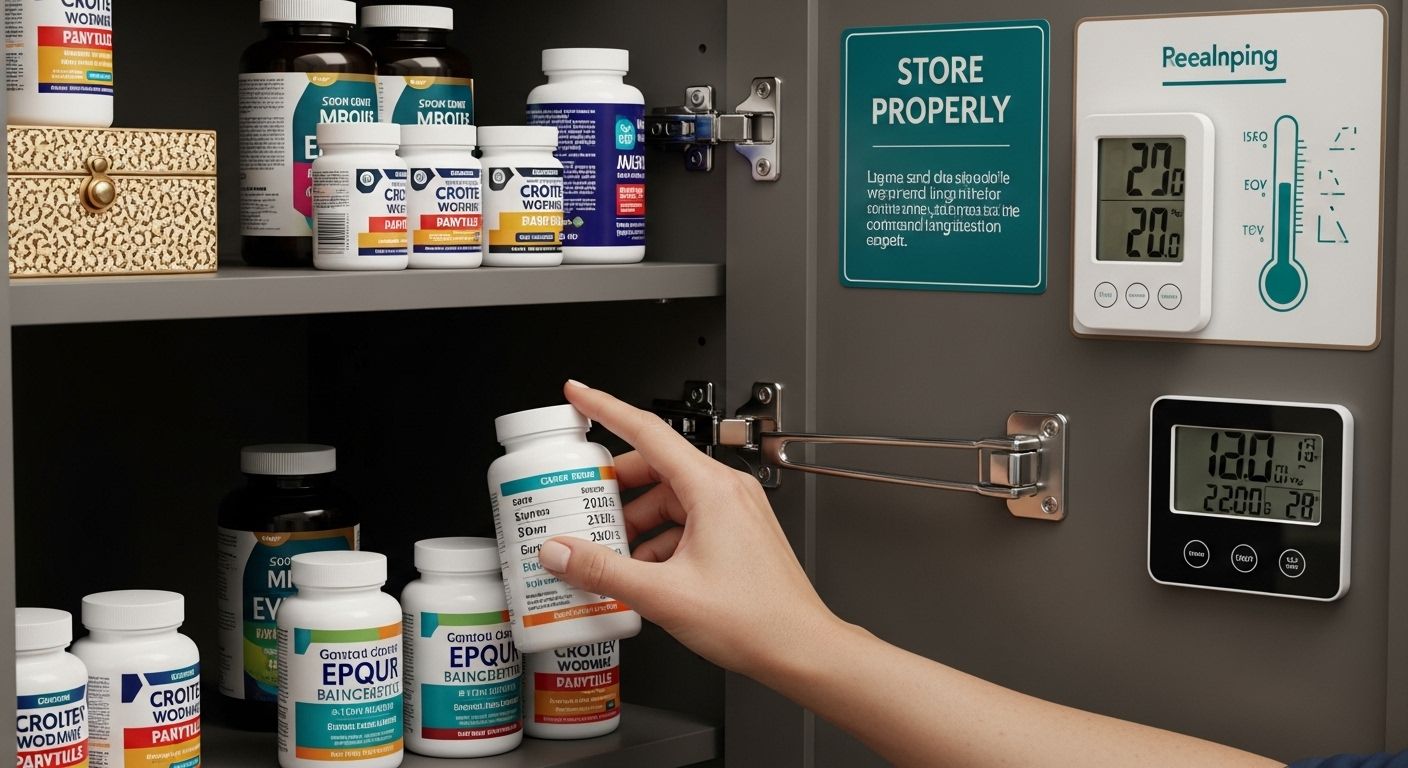
By treating supplement storage as a strategic process, you protect your investment in personal health and ensure maximum nutritional benefit from each carefully selected product.
The following checklist table summarizes best practices for optimal supplement storage discussed in the article, helping readers quickly verify their storage approach.
| Storage Practice | Description | Why It Matters |
|---|---|---|
| Store in a cool, dry place | Keep supplements away from heat and humidity | Preserves potency and prevents degradation |
| Avoid sunlight exposure | Place supplements away from direct sunlight | Light can break down active ingredients |
| Use original containers | Leave supplements in manufacturer packaging | Protects against moisture and contamination |
| Check for expiration dates | Label with purchase and expiration dates | Ensures product effectiveness and safety |
| Keep out of reach of children | Secure storage location | Prevents accidental ingestion |
| Regularly inspect supplements | Monitor for color, odor, or texture changes | Identifies expired or compromised products |
| Follow specific product instructions | Refer to individual label storage info | Addresses unique storage needs for certain supplements |
Step 4: Monitor Your Intake Consistently
Consistent supplement intake monitoring transforms your health optimization strategy from passive consumption to active management. Tracking your supplement routine allows you to understand how nutritional interventions impact your overall wellness, enabling data-driven adjustments and personalized health insights.
Developing a Systematic Tracking Approach
Building an effective monitoring system requires more than occasional record keeping. According to research in the Journal of Nutrition, accurate assessment of dietary supplement intake is crucial for understanding your total nutrient consumption. Create a dedicated tracking method that becomes an integrated part of your daily routine.
Start by selecting a tracking mechanism that suits your lifestyle. Digital tools like smartphone apps or spreadsheet templates can simplify the process. Your tracking system should capture essential details for each supplement:
- Supplement name and brand
- Daily dosage
- Time of consumption
- Specific health goals
- Observed effects or side effects
- Consistency of intake
Physical journaling works equally well for those who prefer analog methods. Choose a format that feels natural and sustainable. The key is creating a system you will actually use consistently.
This table compares common supplement tracking methods, outlining their features and helping readers select the format that aligns with their lifestyle for consistent monitoring.
| Tracking Method | Format | Features | Best For |
|---|---|---|---|
| Smartphone App | Digital | Reminders, analytics, portability | Tech-savvy users, on-the-go tracking |
| Spreadsheet Template | Digital | Customizable, sharable | Users who prefer organization and data analysis |
| Paper Journal | Physical | Simple, tangible, accessible | Those who enjoy manual note-taking |
| Calendar/Planner | Physical | Visual schedule integration | People who track many health routines |
| Wearable Device Notes | Digital | Integrated with activity data | Users with fitness trackers |
Interpreting and Adapting Your Supplement Routine
Monitoring goes beyond simple record keeping. Regularly review your tracking data to identify patterns, effectiveness, and potential areas for improvement. Look for correlations between supplement intake and changes in energy levels, mood, physical performance, or specific health markers.
Schedule periodic check-ins with your healthcare provider to discuss your supplement tracking insights. These professional consultations help validate your observations and provide expert guidance on potential adjustments. Some individuals might require blood tests to objectively measure the impact of their supplement regimen, offering concrete evidence of nutritional changes.
Remember that supplement effectiveness is not static. Your body’s nutritional needs evolve with age, lifestyle shifts, and changing health conditions. What works perfectly today might require modification in six months or a year. Approach your supplement routine as a dynamic, responsive system rather than a fixed prescription.
Consistent monitoring empowers you to become an active participant in your health journey. By maintaining detailed records and remaining open to professional guidance, you transform supplement intake from a guessing game into a precise, personalized health optimization strategy. Your commitment to tracking creates a powerful feedback loop that continuously refines your approach to nutritional support.
Step 5: Assess Effectiveness Regularly
Assessing the effectiveness of your supplement routine is a critical step in ensuring your nutritional strategy delivers meaningful health benefits. This ongoing evaluation process helps you understand whether your carefully selected supplements are truly supporting your wellness goals or require strategic adjustments.
Establishing Baseline Health Metrics
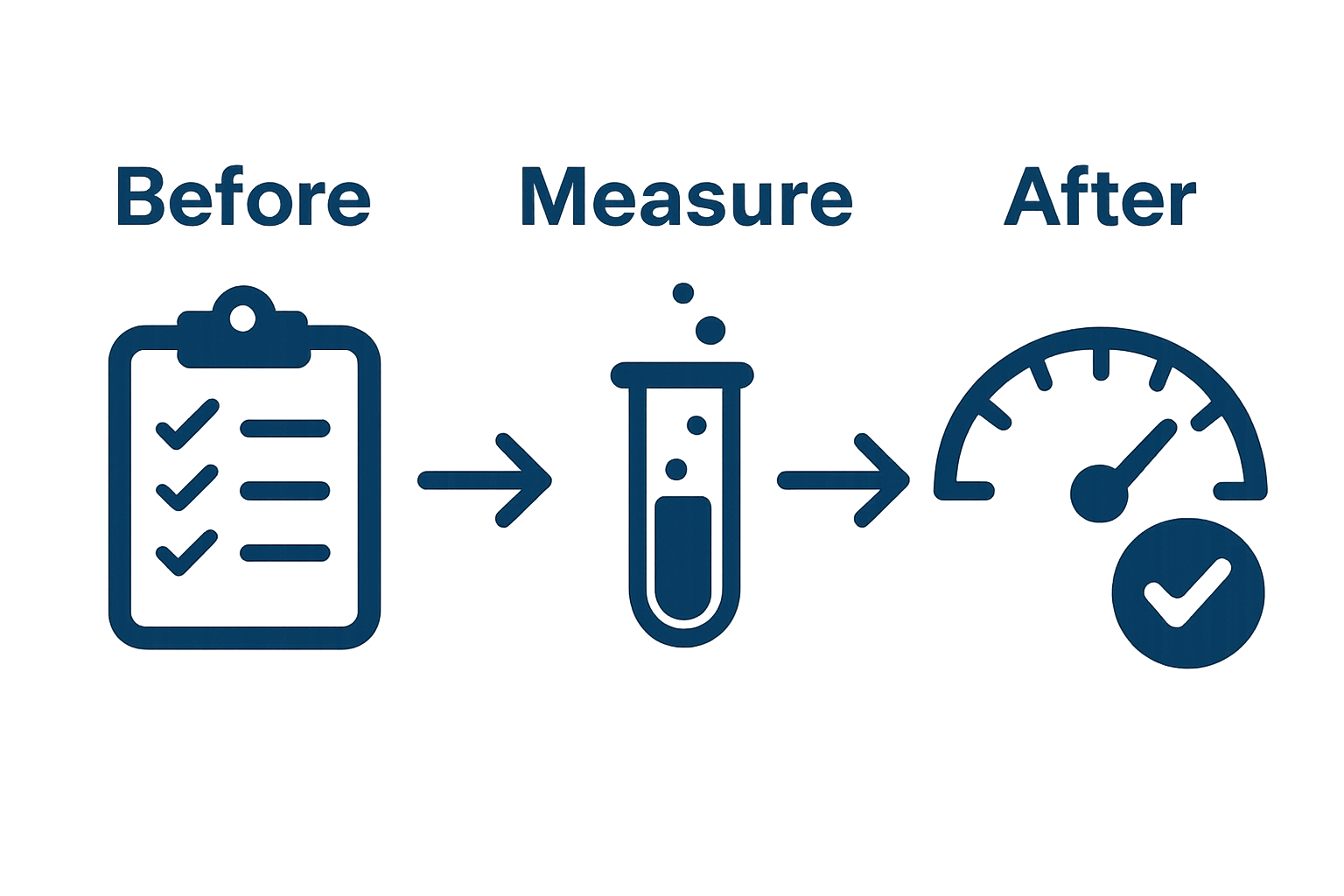
Before diving into effectiveness assessment, establish clear baseline health measurements. According to the National Institutes of Health, comprehensive supplement evaluation requires systematic tracking of specific health indicators. Create a comprehensive health snapshot that captures multiple dimensions of your physical and mental well-being.
Initiate your assessment by documenting key health metrics before starting your supplement regimen:
- Energy levels and fatigue
- Sleep quality and duration
- Mood and stress resilience
- Physical performance
- Specific health condition markers
- Body composition measurements
- Cognitive function indicators
Consult with healthcare professionals to conduct thorough baseline tests. Blood work can provide objective data about nutrient levels, hormone balance, and overall physiological functioning. These initial measurements serve as a critical reference point for tracking future changes.
Implementing a Strategic Evaluation Framework
Effectiveness assessment is not a one-time event but an ongoing, dynamic process. Design a structured approach to monitoring supplement impact by creating regular check-in intervals. Quarterly evaluations provide sufficient time to observe meaningful changes while preventing unnecessary reactive adjustments.
During each assessment period, compare current health metrics against your baseline measurements. Look for subtle and significant shifts in your overall wellness. Pay attention to both quantitative data from medical tests and qualitative experiences like improved energy, mental clarity, or reduced inflammation.
Remember that supplement effectiveness varies among individuals. Genetic factors, lifestyle habits, and existing health conditions influence how your body responds to nutritional interventions. Some supplements might show immediate effects, while others require months of consistent intake to demonstrate noticeable benefits.
Be prepared to modify your supplement strategy based on evaluation findings. This might involve adjusting dosages, switching supplement brands, or discontinuing products that do not deliver expected results. Maintain open communication with healthcare providers, sharing your tracking data and discussing potential refinements to your nutritional approach.
Your commitment to regular assessment transforms supplement intake from a passive consumption habit into an active, personalized health optimization strategy. By embracing a systematic, data-driven approach, you empower yourself to make informed decisions that continuously enhance your overall wellness.
Ready to Transform Your Supplement Strategy with Expert Guidance?
If you feel overwhelmed by the challenge of evaluating your supplement needs or struggle to track your progress, you are not alone. The journey toward effective supplement care requires ongoing assessment, tailored plans, and consistent intake—all of which can feel complicated to manage on your own. Menalam understands these pain points and brings clarity to your health optimization process by combining science-backed recommendations, systematic monitoring, and innovative tracking in one seamless experience.
Stop guessing about your nutritional needs. With Menalam, you get:
- A fast AI-driven health quiz for accurate supplement recommendations
- Personalized tracking with reminders for intake and progress
- Ongoing adjustments based on your real health data, including blood test results
Take control of your supplement routine and see real improvements. Get your personalized supplement plan today for a smarter, more effective approach to health. Start now and see the difference data-driven care can make.
Frequently Asked Questions
What factors should I consider when evaluating my supplement needs?
To evaluate your supplement needs, consider your current diet, lifestyle habits, medical history, energy levels, and specific health concerns. A consultation with a healthcare professional can help identify any nutrient deficiencies that need addressing.
How can I ensure I select high-quality supplements?
To select high-quality supplements, research manufacturers, look for third-party testing certifications (such as USP or NSF), and carefully review product labels for ingredient transparency, dosage information, and expiration dates.
What is bioavailability and why is it important in supplement selection?
Bioavailability refers to how effectively your body can absorb and utilize the nutrients in a supplement. Products with high bioavailability enhance nutrient absorption, making them more effective at delivering health benefits compared to lesser-quality formulations.
Why is it essential to monitor my supplement intake?
Monitoring your supplement intake allows you to track how nutritional interventions impact your health. It helps identify patterns in effectiveness, informs necessary adjustments, and ensures that you are meeting your wellness goals throughout your health journey.
Leave a Reply