

Vitamin B12 often sits in the background of wellness conversations and yet its impact is massive. In fact, roughly 15 percent of adults in the US are believed to be B12 deficient and many do not even realize it. Most people expect clear warning signs when something is off in the body but B12 deficiency can sneak in quietly and create symptoms like fatigue, memory lapses, and nerve problems before anyone sees it coming. This silent threat makes it one of the most overlooked health problems you might face without ever knowing the real reason why you feel drained.
Table of Contents
- Why Vitamin B12 Matters For Your Body
- Signs And Risks Of Vitamin B12 Deficiency
- Best Sources Of Vitamin B12 For Every Lifestyle
- Who Needs To Consider Vitamin B12 Supplements
Quick Summary
| Takeaway | Explanation |
|---|---|
| Vitamin B12 is crucial for health. | This vitamin aids red blood cell formation, neurological function, and DNA synthesis essential for overall wellness. |
| Recognize signs of B12 deficiency early. | Symptoms include fatigue, weakness, and neurological issues, which require timely intervention to prevent complications. |
| Certain groups are at higher risk for deficiency. | Vegetarians, vegans, older adults, and those with digestive disorders should monitor B12 intake closely. |
| Dietary sources vary by lifestyle. | Animal products provide the best natural B12; fortified foods are important for plant-based diets. |
| Consult healthcare professionals about supplementation. | Individual needs may vary, especially for those with specific health conditions or age-related absorption issues. |
Why Vitamin B12 Matters for Your Body
Vitamin B12 is a critical nutrient that plays a fundamental role in maintaining optimal health and wellness. This essential vitamin serves as a powerhouse for numerous bodily functions, making it indispensable for overall physiological performance. Understanding its significance can help individuals recognize the importance of maintaining adequate B12 levels.
The Vital Role of B12 in Cellular Function
At the cellular level, vitamin B12 is a key player in several crucial biological processes. Research from the National Institutes of Health reveals that B12 is instrumental in red blood cell formation, neurological function, and DNA synthesis. Without sufficient B12, the body struggles to produce healthy red blood cells, which can lead to significant health complications.
The neurological impact of vitamin B12 is particularly remarkable. Scientific research from the National Center for Biotechnology Information demonstrates that chronic B12 deficiency can result in severe neurological disorders. The vitamin acts as a critical support system for the nervous system, helping to maintain the protective myelin sheath that surrounds nerve cells. When B12 levels are low, individuals may experience neurological symptoms such as tingling sensations, cognitive difficulties, and potential long-term nerve damage.
Metabolic and Energy Production Mechanisms
Vitamin B12 serves as a metabolic catalyst, playing a crucial role in converting food into energy. It works closely with other B vitamins to help the body metabolize proteins, fats, and carbohydrates. This process is essential for maintaining consistent energy levels and supporting overall metabolic health.
People with low B12 levels often experience persistent fatigue, weakness, and decreased cognitive function. The vitamin helps in the production of hemoglobin, the protein in red blood cells responsible for oxygen transportation. When B12 levels are optimal, individuals typically experience improved energy metabolism, better mental clarity, and enhanced physical performance.
Addressing B12 Deficiency Risks
Certain populations are more vulnerable to B12 deficiency. Vegetarians, vegans, older adults, and individuals with specific digestive disorders are at higher risk of insufficient B12 intake. The body’s ability to absorb this vitamin can diminish with age, making supplementation or dietary intervention increasingly important.
Symptoms of B12 deficiency can be subtle and develop gradually. Warning signs include unexplained fatigue, pale or jaundiced skin, mood changes, and neurological symptoms like balance problems or memory difficulties. Regular health check-ups and blood tests can help identify potential deficiencies before they become serious health concerns.
By recognizing the multifaceted importance of vitamin B12, individuals can take proactive steps to ensure their body receives this critical nutrient. Whether through dietary sources like meat, fish, eggs, and dairy, or through targeted supplementation, maintaining adequate B12 levels is essential for sustained health and wellness.
Signs and Risks of Vitamin B12 Deficiency
Vitamin B12 deficiency is a complex condition that can silently develop, often presenting subtle symptoms that many individuals might overlook. Understanding the signs and potential risks associated with insufficient B12 levels is crucial for early detection and prevention of long-term health complications.
Early Warning Signs of B12 Deficiency
According to Harvard Health, the symptoms of vitamin B12 deficiency can manifest gradually and encompass a wide range of physiological and neurological indicators. Early warning signs often include persistent fatigue, unexplained weakness, and a general sense of light-headedness. Individuals might experience rapid heartbeat and feel unusually short of breath during routine activities.
Neurological symptoms can be particularly telling. People with B12 deficiency may notice tingling sensations in their hands and feet, a condition known as peripheral neuropathy. Memory problems, difficulty concentrating, and mood changes such as depression or irritability can also emerge as the deficiency progresses. These cognitive symptoms highlight the vitamin’s critical role in maintaining neurological health.
Serious Health Risks and Complications
The National Heart, Lung, and Blood Institute emphasizes that untreated B12 deficiency can lead to significant health risks. One of the most serious consequences is megaloblastic anemia, a condition characterized by the production of large, abnormal, and immature red blood cells. This type of anemia impairs the body’s ability to transport oxygen efficiently, resulting in chronic fatigue, pale or yellowish skin, and potential cardiovascular strain.
Long-term B12 deficiency can cause irreversible neurological damage. The protective myelin sheath surrounding nerve cells may become compromised, leading to more severe complications. The Mayo Clinic warns that prolonged deficiency can result in nerve damage, balance problems, muscle weakness, and potentially permanent neurological impairments.
High-Risk Groups and Prevention Strategies
Certain populations are more susceptible to vitamin B12 deficiency. Vegetarians and vegans are at higher risk due to limited dietary sources, as B12 is primarily found in animal products. Older adults often experience reduced absorption capabilities, making them vulnerable to deficiency. Individuals with digestive disorders such as Crohn’s disease, celiac disease, or those who have undergone gastric surgery may also struggle with B12 absorption.
Prevention involves a multifaceted approach. Regular blood tests can help detect early signs of deficiency. Dietary modifications, including the consumption of B12-rich foods like meat, fish, eggs, and dairy, are essential. For those unable to obtain sufficient B12 through diet, supplementation under medical supervision becomes crucial.
To help you quickly identify which groups are most at risk of vitamin B12 deficiency and understand effective prevention strategies, the following table summarizes high-risk groups and key actions for prevention:
| High-Risk Group | Why They’re at Risk | Recommended Prevention |
|---|---|---|
| Vegetarians/Vegans | Limited intake of B12-rich animal products | Fortified foods & supplements |
| Older Adults | Reduced absorption with age | Regular blood tests & supplementation |
| Digestive Disorders (e.g. Crohn’s) | Impaired absorption in the digestive tract | Medical supervision & supplementation |
| Gastric Surgery Patients | Altered stomach reduces B12 absorption | Supplements as advised by doctor |
| People taking acid-reducing meds | Medications interfere with B12 extraction | Monitor levels & consider supplements |
Recognizing the signs of vitamin B12 deficiency is more than a health precaution – it’s a proactive step towards maintaining overall wellness. By understanding the symptoms, risks, and prevention strategies, individuals can take informed actions to support their body’s nutritional needs and long-term health.
Best Sources of Vitamin B12 for Every Lifestyle
Vitamin B12 is a crucial nutrient that requires strategic dietary planning, especially for individuals with varying nutritional preferences and lifestyle choices. Understanding the diverse sources of this essential vitamin can help people maintain optimal health regardless of their dietary approach.
Animal-Based B12 Sources
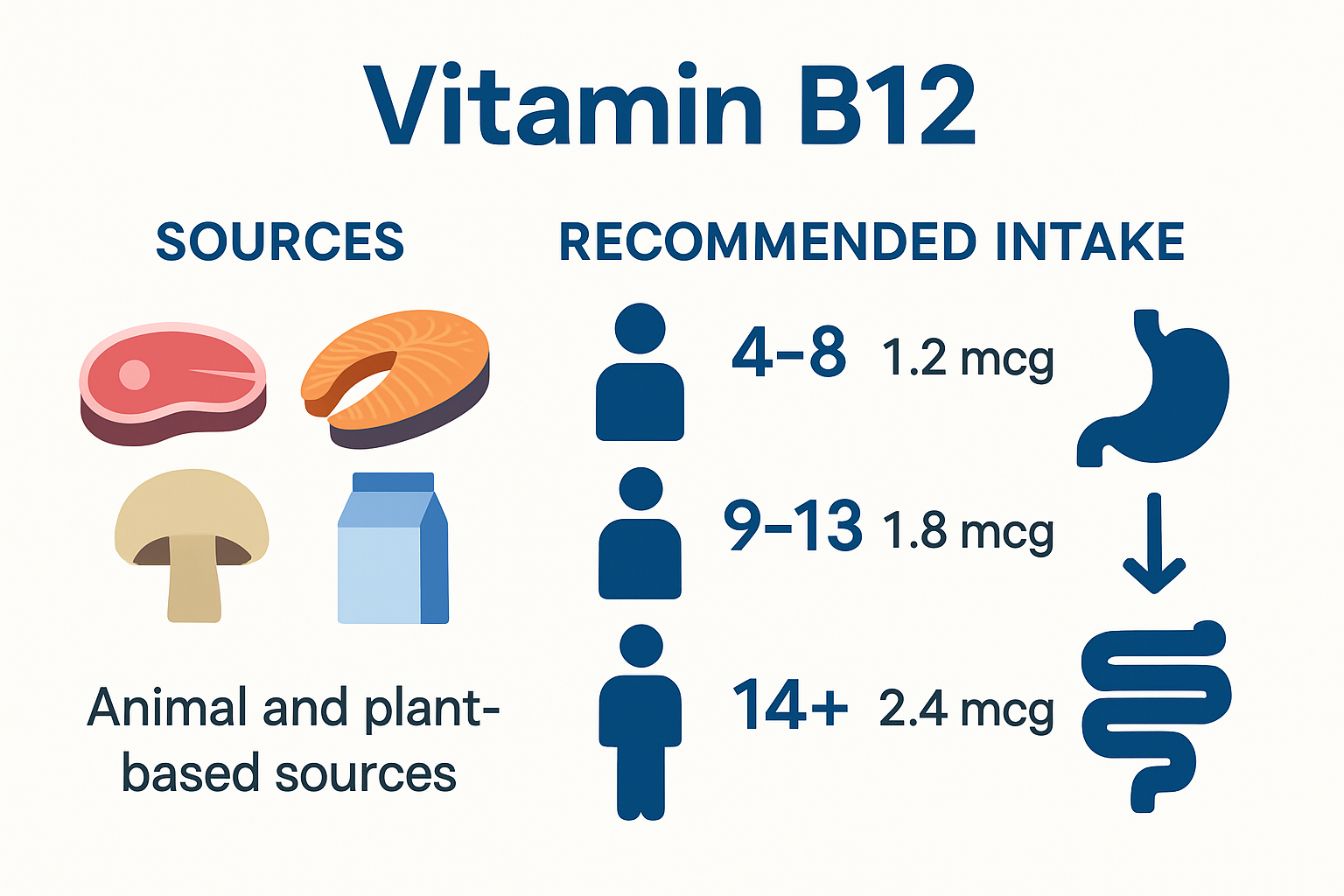
According to the National Institutes of Health, animal products remain the most natural and potent sources of vitamin B12. Meat lovers have numerous excellent options for obtaining this vital nutrient. Beef, particularly organ meats like liver, provides some of the highest concentrations of B12. Poultry, including chicken and turkey, also offers substantial amounts of this vitamin.
Fish and seafood are exceptional B12 sources. Harvard Health highlights that clams, trout, salmon, and canned tuna are particularly rich in this nutrient. These protein sources not only deliver high B12 content but also provide additional health benefits through omega-3 fatty acids and other essential minerals.
Plant-Based and Fortified Alternatives
Vegetarians and vegans face unique challenges in obtaining vitamin B12, but several effective strategies exist. WebMD emphasizes that fortified foods play a crucial role in meeting B12 requirements for plant-based diets. Nutritional yeast, a favorite among vegans, provides a significant B12 boost. Many plant-based milk alternatives and breakfast cereals are now fortified with vitamin B12, making it easier for individuals to meet their nutritional needs.
For those consuming dairy and eggs, these products offer valuable B12 sources. Eggs, particularly the yolks, contain moderate amounts of the vitamin. Dairy products like milk, yogurt, and cheese provide another avenue for B12 intake. Vegetarians who include these foods in their diet can more easily maintain adequate B12 levels.
Supplementation and Dietary Strategies
Individuals with dietary restrictions or absorption challenges might require additional B12 support. Oral supplements, sublingual tablets, and even B12 injections can be effective alternatives for those struggling to obtain sufficient amounts through diet alone. Older adults, individuals with digestive disorders, and those following strict plant-based diets might benefit most from these supplementation strategies.
Consultation with a healthcare professional can help determine the most appropriate B12 intake method. Blood tests can assess current levels and guide personalized supplementation recommendations. Some individuals might require higher doses or specific forms of B12 depending on their unique physiological needs.
Navigating vitamin B12 sources requires a personalized approach. Whether through animal products, fortified foods, or targeted supplementation, individuals can develop strategies to ensure adequate intake. Understanding one’s dietary preferences, health conditions, and nutritional requirements is key to maintaining optimal B12 levels and supporting overall health and wellness.
To provide a helpful overview of the most common dietary sources of vitamin B12 for different lifestyles, the table below compares animal-based, vegetarian, vegan, and supplementation options:
| Source Type | Example Foods/Options | Suitable For | Notes |
|---|---|---|---|
| Animal-Based Sources | Beef, chicken, turkey, fish, seafood, eggs | Omnivores, Vegetarians | Naturally high in B12 |
| Dairy & Eggs | Milk, cheese, yogurt, eggs | Vegetarians | Moderate B12 levels |
| Fortified Plant-Based Foods | Fortified cereals, plant milks, nutritional yeast | Vegans, Vegetarians | Fortified to add B12 |
| Supplements | Oral tablets, sublingual, injections | Anyone (as needed) | For absorption issues or strict diets |
Who Needs to Consider Vitamin B12 Supplements
Vitamin B12 supplementation is not a one-size-fits-all solution. Different population groups have unique nutritional requirements that may necessitate targeted B12 interventions. Understanding these specific needs can help individuals make informed decisions about their vitamin intake.
Dietary Restriction and Absorption Challenges
Research from the National Center for Biotechnology Information indicates that several medical conditions and lifestyle factors can significantly impact vitamin B12 absorption. Individuals who have undergone gastrointestinal surgeries, such as weight loss procedures or those with chronic digestive disorders like Crohn’s disease or celiac disease, often struggle to absorb B12 efficiently from food sources.
People taking long-term medications that reduce stomach acid, including proton pump inhibitors and H2 blockers, may also experience diminished B12 absorption. These medications can interfere with the body’s ability to extract and process the vitamin from dietary sources, creating a potential deficiency risk that may require supplementation.
Age-Related B12 Considerations
The National Institutes of Health emphasizes that individuals over 50 years old are prime candidates for B12 supplementation. As people age, their bodies produce less intrinsic factor, a protein crucial for B12 absorption. This natural decline means that even with a balanced diet, older adults may not effectively process the vitamin through traditional dietary intake.
Research published in the Canadian Family Physician journal further supports the importance of B12 supplementation for elderly populations. The study highlights that reduced stomach acid production, decreased appetite, and changes in digestive enzyme function can all contribute to B12 deficiency in older adults.
Specialized Dietary Groups
Vegetarians and vegans face unique challenges in obtaining adequate vitamin B12. Since the vitamin is predominantly found in animal products, individuals following plant-based diets are at higher risk of deficiency. Strict vegetarians must be particularly vigilant about their B12 intake, often requiring targeted supplementation or carefully selected fortified foods.
People with specific medical conditions also require special consideration. Those with pernicious anemia, an autoimmune condition that prevents B12 absorption, typically need regular B12 injections or high-dose oral supplements. Individuals with neurological disorders, chronic fatigue, or recurring nerve-related symptoms might benefit from comprehensive B12 testing and potential supplementation.
Consultation with healthcare professionals remains the most reliable approach to determining individual B12 supplementation needs. Blood tests can provide precise insights into current vitamin levels, helping to create personalized nutrition strategies. While supplements can be beneficial, they should be approached thoughtfully and under professional guidance.
Recognizing the nuanced nature of vitamin B12 requirements empowers individuals to make proactive health decisions. By understanding personal risk factors, dietary patterns, and physiological changes, people can develop targeted approaches to maintaining optimal B12 levels and supporting overall wellness.

Frequently Asked Questions
What is the significance of Vitamin B12 for health?
Vitamin B12 is crucial for red blood cell formation, neurological function, and DNA synthesis, making it essential for overall health and wellness.
What are the symptoms of Vitamin B12 deficiency?
Symptoms of Vitamin B12 deficiency can include fatigue, weakness, memory problems, balance difficulties, and mood changes such as irritability or depression.
Who is at higher risk for Vitamin B12 deficiency?
Vegetarians, vegans, older adults, and individuals with digestive disorders or undergoing certain medications that interfere with absorption are at higher risk for Vitamin B12 deficiency.
How can I increase my Vitamin B12 intake?
To increase Vitamin B12 intake, include animal-based sources like meat, fish, eggs, and dairy in your diet. For plant-based diets, consider fortified foods or supplements to meet your nutritional needs.
Tired of Feeling Drained by Hidden Vitamin B12 Deficiency?
If constant fatigue, brain fog, or unexplained weakness sound familiar, you are not alone. The article highlights how easily vitamin B12 deficiency can go unnoticed and how it can quietly erode your wellbeing. Struggling to figure out if your diet or lifestyle puts you at risk can be overwhelming. Menalam takes the guesswork out by delivering science-backed, personalized supplement plans tailored to your health, dietary preferences, and blood test results. Your needs are unique. Your nutrition solution should be too.
Make this the moment you finally take control of your energy and wellness. Start your journey at Menalam with a quick health quiz to discover which specific vitamins, including B12, your body truly needs. Use your personal AI-powered nutrition plan to track your progress and get automatic reminders with our cutting-edge mobile app. Unlock your full vitality with Menalam today – the smartest, most personalized way to solve B12 and other nutrient challenges right now.
Leave a Reply