

Blood tests often sound routine and simple, like just another item on a doctor’s checklist. But wait. One tiny sample can uncover hundreds of health signals long before symptoms appear. Some blood tests can reveal silent conditions that affect nearly 60 million adults in the US alone. Most people see blood draws as a background task, not realizing these results can change the course of a life before anyone feels sick.
Table of Contents
- What Are Blood Tests And Why Are They Important?
- Key Components Of Blood Test Results Explained
- Understanding Common Blood Test Metrics And Their Implications
- How Different Factors Affect Your Blood Test Results
- Interpreting Blood Test Results In The Context Of Your Health
Quick Summary
| Takeaway | Explanation |
|---|---|
| Blood tests are vital for health assessment | They provide crucial insights into various health conditions and organ functions based on blood components analysis. |
| Comprehensive tests help predict health risks | Early detection of potential diseases allows for proactive healthcare management before symptoms appear. |
| Lifestyle factors significantly influence results | Eating habits, exercise, and stress can alter blood test metrics, making personal context essential for accurate interpretation. |
| Interpret results within personal health context | Individual health history and family background are crucial for understanding blood test outcomes beyond general reference ranges. |
| Monitor changes over time for better insight | Tracking blood test results over time reveals trends that are more meaningful than isolated measurements. |
What Are Blood Tests and Why Are They Important?
Blood tests represent a critical diagnostic tool that provides an intricate snapshot of your overall health status. These medical examinations analyze various components within your blood, offering healthcare professionals detailed insights into your body’s functioning, potential diseases, and physiological conditions. Understanding blood tests is fundamental to proactive healthcare management.
The Biological Window of Health
Blood tests serve as a comprehensive biological window, revealing information about your body that cannot be detected through external observations. According to the National Institutes of Health, blood tests can detect numerous health conditions, including:
- Chronic diseases like diabetes
- Cardiovascular health markers
- Potential infection indicators
- Nutritional deficiencies
- Hormone imbalances
- Genetic predispositions
These tests examine multiple blood components such as red and white blood cells, platelets, plasma, and various biochemical markers. Each component provides unique insights into different aspects of your physiological health.
Comprehensive Health Screening
Blood tests go far beyond simple health checkups. Medical research from Johns Hopkins University indicates that comprehensive blood screenings can help predict potential health risks before symptoms manifest. They provide a proactive approach to healthcare, enabling early detection and intervention.
By analyzing blood samples, medical professionals can assess your metabolic function, detect inflammation, evaluate organ performance, and understand your body’s intricate biochemical processes. Blood tests transform abstract health data into actionable medical insights, allowing individuals to make informed decisions about their wellness strategies.
Moreover, these tests are not just diagnostic tools but preventive measures. They help track changes in your health over time, monitor existing conditions, and guide personalized treatment plans. Whether you are managing a chronic condition or seeking to optimize your overall health, blood tests offer a scientific, data driven approach to understanding your body’s unique physiological landscape.
Key Components of Blood Test Results Explained
Interpreting blood test results requires understanding the fundamental components that reveal critical health information. Each measurement provides unique insights into your body’s physiological functioning, representing different aspects of metabolic, immune, and overall health performance.
Complete Blood Count: Your Cellular Health Overview
Research from Mayo Clinic indicates that the Complete Blood Count (CBC) represents the cornerstone of blood test analysis. This comprehensive examination evaluates multiple cellular elements, providing a detailed snapshot of your body’s internal environment.
The CBC typically measures:
- Red Blood Cell count and characteristics
- White Blood Cell count and differential
- Hemoglobin and hematocrit levels
- Platelet concentration
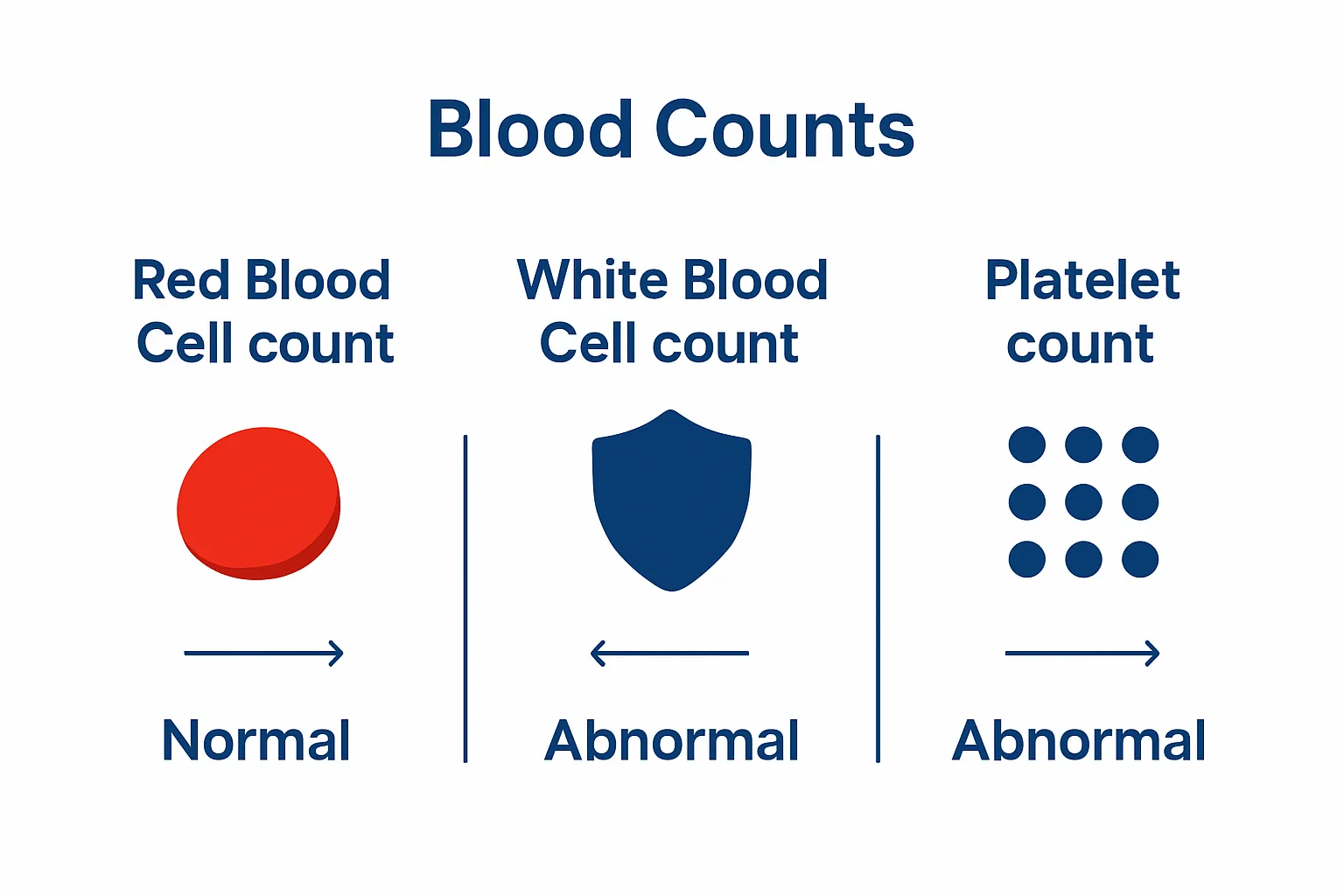
Red blood cells transport oxygen throughout your body, with their count and size indicating potential conditions like anemia or potential oxygen transportation challenges. White blood cells serve as your immune system’s frontline defenders, with variations signaling potential infections, inflammatory responses, or immune system disorders.
Metabolic Panels: Biochemical Insights
Metabolic panels delve deeper into your body’s chemical processes, examining crucial biochemical markers. According to the National Institutes of Health, these panels assess kidney function, liver performance, electrolyte balance, and metabolic efficiency.
Key metabolic markers include:
- Glucose levels
- Electrolyte concentrations
- Kidney function indicators
- Liver enzyme levels
- Cholesterol measurements
These biochemical indicators provide comprehensive insights into your body’s internal chemical balance, helping healthcare professionals identify potential metabolic disruptions, nutritional deficiencies, or early signs of systemic health challenges.
Understanding these key components transforms blood test results from complex scientific data into actionable health intelligence. By comprehending what each marker represents, you gain a profound understanding of your body’s intricate biological processes and potential health trajectories.
Below is a table summarizing the main blood test components discussed in the article, along with what they measure and the type of insights each provides.
| Blood Test Component | What It Measures | Key Health Insights Provided |
|---|---|---|
| Complete Blood Count (CBC) | Red and white blood cells, hemoglobin, hematocrit, platelets | Cellular health, oxygen transport, immune status |
| Metabolic Panel | Glucose, electrolytes, kidney and liver function, cholesterol | Metabolic health, organ function, biochemical balance |
| Lipid Profile | Total cholesterol, LDL, HDL, triglycerides | Cardiovascular risk, cholesterol management |
| Blood Glucose Metrics | Fasting glucose, Hemoglobin A1C, insulin resistance | Metabolic functioning, diabetes risk |
Understanding Common Blood Test Metrics and Their Implications
Blood test metrics represent intricate scientific data points that offer profound insights into your overall health. These numerical values translate complex biological processes into understandable information, enabling healthcare professionals and individuals to assess physiological functioning and potential health risks.
Lipid Profile: Cardiovascular Health Indicators
Research from the American Heart Association highlights the critical importance of understanding lipid profile metrics. This comprehensive assessment evaluates different cholesterol types and triglyceride levels, providing a nuanced view of cardiovascular health.
Key lipid profile metrics include:
- Total Cholesterol levels
- Low Density Lipoprotein (LDL) cholesterol
- High Density Lipoprotein (HDL) cholesterol
- Triglyceride concentrations
Total cholesterol represents the overall amount of cholesterol in your bloodstream, while LDL and HDL differentiate between potentially harmful and protective cholesterol types. High LDL levels might indicate increased cardiovascular risk, whereas elevated HDL levels are generally considered protective.
Blood Glucose and Metabolic Health
Medical research from the National Institutes of Health emphasizes the significance of glucose metrics in understanding metabolic functioning. Blood glucose measurements provide critical insights into how your body processes and regulates sugar.
Important glucose-related metrics include:
- Fasting blood glucose levels
- Hemoglobin A1C
- Insulin resistance indicators
- Postprandial glucose response
These metrics help diagnose conditions like diabetes, prediabetes, and metabolic syndrome. Fasting blood glucose specifically measures sugar levels after an overnight fast, while Hemoglobin A1C provides a broader three-month average of glucose control.
Interpreting these metrics requires understanding their interconnected nature and individual context. No single metric should be viewed in isolation, but rather as part of a comprehensive health assessment that considers age, lifestyle, genetic predisposition, and overall physiological functioning.
How Different Factors Affect Your Blood Test Results
Blood test results are not static measurements but dynamic reflections of your body’s complex physiological state. Multiple internal and external factors can significantly influence these results, creating nuanced variations that require comprehensive understanding and careful interpretation.
Lifestyle and Dietary Influences
Research from the Harvard School of Public Health demonstrates how daily habits directly impact blood test metrics. Your diet, physical activity, stress levels, and sleep patterns can dramatically alter biochemical markers.
Key lifestyle factors affecting blood test results include:
- Recent food and alcohol consumption
- Exercise intensity and timing
- Sleep quality and duration
- Stress and emotional state
- Medication usage
Dietary choices play a particularly significant role. Consuming high fat meals before a lipid panel can temporarily elevate cholesterol levels, while prolonged fasting might alter glucose and metabolic measurements. Exercise can temporarily increase certain enzyme levels and modify inflammatory markers.
Physiological and Biological Variables
Clinical research from Johns Hopkins Medicine reveals that individual biological characteristics substantially impact blood test interpretations. Age, gender, hormonal cycles, and genetic predispositions create unique baseline variations.
Significant biological factors include:
- Hormonal fluctuations
- Age and developmental stage
- Genetic metabolic differences
- Underlying health conditions
- Circadian rhythm variations
Hormonal changes during menstrual cycles, pregnancy, or menopause can significantly alter blood test results. Genetic variations mean that what appears as an abnormal result for one individual might represent a normal range for another.
Understanding these complex interactions emphasizes the importance of personalized, contextual interpretation.
This table compares common lifestyle and biological factors discussed in the article that can influence blood test results, along with brief descriptions of their effects.
| Influencing Factor | Type | Example of Impact on Blood Tests |
|---|---|---|
| Diet (recent meals) | Lifestyle | High-fat food can temporarily raise cholesterol |
| Exercise | Lifestyle | Intense activity may alter enzyme or inflammation markers |
| Sleep quality | Lifestyle | Poor sleep can affect glucose regulation |
| Stress | Lifestyle | Chronic stress may raise blood pressure and glucose |
| Medication use | Lifestyle | Certain drugs can influence liver/kidney markers |
| Hormonal changes | Biological | Menstrual cycles or menopause affect test values |
| Age | Biological | Baseline values can shift as you age |
| Genetic differences | Biological | Personal normal may vary from reference ranges |
| Blood test results are not absolute pronouncements but nuanced indicators requiring professional medical insight and comprehensive individual assessment. |
Interpreting Blood Test Results in the Context of Your Health
Blood test results are complex narratives that extend beyond mere numbers, representing intricate snapshots of your physiological landscape. Understanding these results requires a holistic approach that considers individual health history, lifestyle factors, and personalized biological variations.
Beyond Normal and Abnormal Ranges
Research from the Mayo Clinic emphasizes that interpreting blood test results is not about strict binary classifications of normal or abnormal. Instead, healthcare professionals assess results within a broader, personalized context that considers multiple interconnected factors.
Key considerations in result interpretation include:
- Individual baseline health status
- Family medical history
- Existing health conditions
- Age and developmental stage
- Overall symptom presentation
Reference ranges serve as general guidelines, not absolute diagnostic tools. What might appear as a slightly elevated result for one person could represent a perfectly healthy baseline for another, underscoring the importance of personalized medical assessment.
Longitudinal Health Tracking
Clinical insights from Johns Hopkins Medicine reveal that blood test results are most meaningful when viewed as part of a continuous health narrative. Tracking changes over time provides more comprehensive insights than isolated measurements.
Important longitudinal tracking elements include:
- Comparing current results with previous tests
- Identifying gradual trend changes
- Monitoring potential progression of health conditions
- Evaluating treatment effectiveness
- Assessing lifestyle intervention impacts
Trend analysis becomes crucial in understanding your body’s dynamic health landscape. A single test result might not reveal the full story, but patterns emerging across multiple tests can provide profound insights into your physiological functioning.

Effective interpretation requires collaboration between individuals and healthcare professionals. By understanding the nuanced nature of blood test results, you can transform these scientific measurements into actionable insights for proactive health management.
Turn Your Blood Test Insights Into Action with Menalam
Decoding blood test results can leave you unsure about what changes are truly right for your health. You might be searching for clear answers to questions like how to improve your nutrient levels or which supplements actually fit your results. Understanding terms like lipid profiles, glucose metrics, and metabolic markers is just the start—what you need is a way to apply those findings to your daily routine.

Now you can bridge the gap from knowledge to real results. Menalam takes your individual health data, including blood test results, and transforms it into personalized supplement and nutrition plans tailored for your body. By taking a quick health quiz, you get guidance that reflects your unique needs. Track your progress with the mobile app, receive reminders, and see ongoing adjustments based on your evolving health. Stop guessing and start optimizing your well-being today—visit Menalam and discover how evidence-driven support gives you the confidence to take control of your health.
Frequently Asked Questions
What do blood test results indicate about my health?
Blood test results provide insights into various aspects of your health, such as cellular health, metabolic efficiency, and organ performance. They can help detect chronic diseases, infections, nutritional deficiencies, and hormonal imbalances.
How should I interpret my blood test results?
Interpreting blood test results requires context. It’s essential to consider your baseline health, family medical history, and any existing conditions. Consulting with a healthcare professional is crucial to understanding what your results mean for your individual health.
Why are some blood test results classified as normal or abnormal?
Results are classified based on reference ranges, which are established using data from healthy individuals. However, what is considered a normal range can vary from person to person, making personalized assessment vital for accurate interpretation.
How can my lifestyle affect blood test results?
Lifestyle factors such as diet, physical activity, sleep patterns, and stress levels can significantly impact blood test metrics. For example, eating high-fat foods before a lipid panel can temporarily elevate cholesterol levels, or lack of sleep can affect glucose levels.
Leave a Reply