

Every cell, nerve, and muscle in your body depends on something so tiny you can barely imagine it. Micronutrients make up less than one percent of your total diet but they drive nearly every essential function. Most people think eating healthy is just about getting enough protein or carbs. In reality, even a minor shortage of the right micronutrient can send your entire system off balance and research shows that millions of people worldwide are affected by nutrient deficiencies without realizing it. That microscopic gap could be the hidden reason behind low energy, poor focus, and even weakened immunity.
Table of Contents
- What Are Micronutrients And Why Are They Important?
- The Different Types Of Micronutrients And Their Functions
- How Micronutrients Influence Health And Wellness
- The Impact Of Deficiencies And Excesses On The Body
- Real-World Sources Of Micronutrients In Your Diet
Quick Summary
| Takeaway | Explanation |
|---|---|
| Micronutrients are vital for health. | These essential nutrients support key functions like immune response, metabolism, and cell growth, despite being needed in small amounts. |
| Deficiencies can cause serious health issues. | Lack of micronutrients can lead to conditions like anemia, weakened bones, and compromised immune responses. |
| Balance is crucial; both deficiencies and excesses can harm. | Achieving a proper intake is necessary as too little or too much can disrupt bodily functions and cause health risks. |
| Dietary diversity enhances micronutrient intake. | Consuming a variety of plant and animal sources ensures adequate micronutrient consumption to support overall health. |
| Key food sources include fruits, vegetables, and meats. | Leafy greens, citrus fruits, and lean meats are rich in essential vitamins and minerals necessary for optimal bodily functions. |
What are Micronutrients and Why are They Important?
Micronutrients are essential nutrients the human body requires in minimal quantities to maintain optimal health and support critical biological functions. Unlike macronutrients such as proteins, carbohydrates, and fats, these tiny yet powerful compounds play a massive role in physiological processes, enabling everything from energy metabolism to immune system regulation.
The Fundamental Nature of Micronutrients
At their core, micronutrients include two primary categories: vitamins and minerals. Each serves unique purposes within our biological systems. Vitamins are organic compounds that our bodies cannot synthesize independently, while minerals are inorganic elements essential for numerous cellular functions. Research from the National Institutes of Health demonstrates that these micronutrients are critical for maintaining overall health and preventing chronic diseases.
The human body requires micronutrients in extremely small quantities, typically measured in milligrams or micrograms. Despite their minuscule amounts, they are indispensable for numerous physiological processes:
- Supporting immune system functionality
- Facilitating enzyme and hormone production
- Enabling proper neurological functioning
- Promoting cell growth and development
- Regulating metabolism
Consequences of Micronutrient Deficiencies
When the body lacks adequate micronutrients, significant health complications can emerge. Deficiencies may lead to various disorders and compromise overall wellness. For instance, insufficient vitamin D can result in weakened bone structures, while iron deficiency might cause anemia. Zinc insufficiency can impair immune responses, and vitamin B12 shortages could disrupt neurological processes.
Understanding micronutrients is not just about recognizing their existence but comprehending their profound impact on human health.
Each micronutrient functions like a specialized worker in the complex factory of our body, ensuring that every system operates smoothly and efficiently. By maintaining a balanced diet rich in diverse nutrients, individuals can support their body’s intricate mechanisms and promote long-term well-being.
The Different Types of Micronutrients and Their Functions
Micronutrients are complex compounds divided into two primary categories: vitamins and minerals. Each category contains multiple subtypes that play unique and critical roles in maintaining human health, supporting everything from cellular metabolism to immune system functionality.
Vitamins: Organic Powerhouses of Nutrition
Vitamins are organic compounds required in small quantities that our bodies cannot produce independently. They are classified into two primary groups: fat-soluble and water-soluble vitamins.
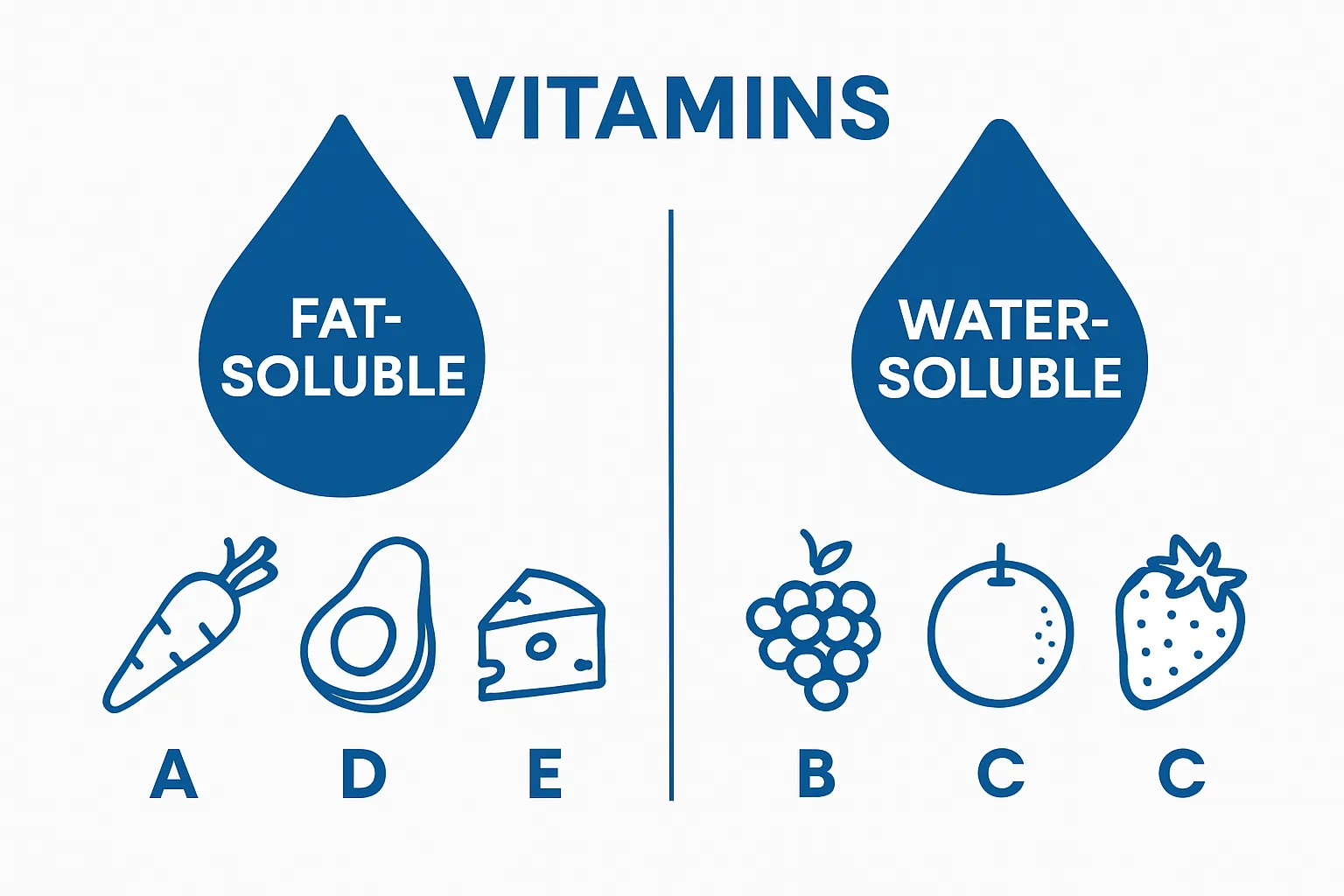 Research from the National Institutes of Health highlights their critical role in numerous physiological processes.
Fat-soluble vitamins (A, D, E, K) are stored in body fat and liver, allowing for longer-term retention. These vitamins support essential functions:
- Vision and immune system health (Vitamin A)
- Bone density and calcium absorption (Vitamin D)
- Antioxidant protection (Vitamin E)
- Blood clotting mechanisms (Vitamin K)
Water-soluble vitamins (B-complex and Vitamin C) cannot be stored long-term and must be regularly replenished through diet. They are crucial for energy production, nervous system functioning, and cellular repair.
Minerals: Inorganic Catalysts of Biological Processes
Minerals are inorganic elements essential for numerous bodily functions. They are further categorized into major minerals (required in larger amounts) and trace minerals (needed in smaller quantities). Major minerals like calcium, phosphorus, magnesium, sodium, and potassium play pivotal roles in maintaining structural integrity and electrolyte balance.
Trace minerals such as iron, zinc, copper, selenium, and iodine are equally important despite their minimal quantities. Iron supports oxygen transportation in blood, zinc bolsters immune responses, and iodine regulates thyroid function. These microscopic elements act as critical catalysts in complex biochemical reactions, ensuring our body’s intricate systems operate with precision and efficiency.
Understanding the nuanced roles of different micronutrients provides insights into how seemingly insignificant compounds can profoundly impact our overall health and well-being.
The following table breaks down the two main categories of micronutrients, outlining their subgroups, characteristics, and key functions for easier comparison.
| Category | Subgroups | Characteristics | Key Functions |
|---|---|---|---|
| Vitamins | Fat-soluble (A, D, E, K); | Organic compounds, needed in small amounts; | Vision, immune health, antioxidants, blood clotting |
| Water-soluble (B-complex, C) | can’t be synthesized by the body | Energy production, cell repair | |
| Minerals | Major (calcium, magnesium, etc.); | Inorganic elements, needed in varying amounts | Bone strength, fluid balance, nerve signaling |
| Trace (iron, zinc, selenium, iodine) | act as enzyme cofactors and electrolytes | Blood oxygen, immune support, thyroid regulation |
How Micronutrients Influence Health and Wellness
Micronutrients serve as fundamental regulators of human health, acting as intricate biological switches that control numerous physiological processes. Their impact extends far beyond basic nutrition, directly influencing our body’s ability to maintain optimal functioning, resist diseases, and support long-term wellness.
Immune System Enhancement
Micronutrients play a crucial role in bolstering immune system responses. Specific vitamins and minerals act as powerful modulators of immune cell production and functionality. Research from the World Health Organization demonstrates that adequate micronutrient intake can significantly strengthen the body’s natural defense mechanisms.
Key micronutrients critical for immune function include:
- Vitamin C: Stimulates white blood cell production
- Zinc: Supports immune cell development
- Vitamin D: Regulates immune system responses
- Selenium: Enhances antioxidant protection
- Vitamin E: Reduces inflammatory processes
Metabolic and Cognitive Performance
Beyond immune support, micronutrients are essential for maintaining metabolic efficiency and cognitive capabilities. Minerals like iron and B-complex vitamins directly influence energy metabolism, neurological functioning, and mental clarity. Deficiencies can lead to significant challenges in energy production, concentration, and overall cognitive performance.
For instance, iron is critical for oxygen transportation in blood, which impacts brain function and physical endurance. Vitamin B12 supports neurological processes and helps prevent cognitive decline. Magnesium plays a role in neural signal transmission, potentially influencing mood regulation and stress responses.
The intricate relationship between micronutrients and human wellness underscores the importance of a balanced, nutrient-rich diet. Each micronutrient functions as a precision instrument in the complex orchestra of human physiology, working synergistically to maintain optimal health. By understanding and respecting these microscopic yet powerful nutritional components, individuals can make informed dietary choices that support their body’s natural healing and maintenance processes.
The Impact of Deficiencies and Excesses on the Body
Micronutrient balance represents a delicate physiological tightrope where both insufficient and excessive intake can trigger significant health complications. Understanding these nuanced interactions helps individuals recognize the critical importance of maintaining precise nutritional equilibrium.
Micronutrient Deficiency Consequences
Nutrient deficiencies can manifest through a wide range of complex health challenges that progressively compromise bodily functions. Research from the National Institutes of Health reveals that prolonged micronutrient insufficiencies can lead to systemic disruptions across multiple physiological domains.
Common consequences of micronutrient deficiencies include:
- Impaired immune system functionality
- Reduced cognitive performance
- Compromised bone density
- Decreased metabolic efficiency
- Increased vulnerability to chronic diseases
Specific deficiency examples illustrate the profound impact. Iron deficiency can result in anemia, characterized by fatigue and weakened oxygen transportation. Vitamin D insufficiency might trigger bone demineralization and increased fracture risks. Zinc deficiencies can substantially impair wound healing and immune responses.
Risks of Micronutrient Overconsumption
Contrary to common perception, excessive micronutrient intake can be equally problematic. Consuming vitamins and minerals beyond recommended levels can trigger toxic reactions and disrupt cellular mechanisms. Fat-soluble vitamins like A, D, E, and K are particularly susceptible to accumulation, potentially causing significant metabolic interference.
Overdosing on specific micronutrients can produce severe side effects.
This table provides a summary of common micronutrient deficiencies and excessive intake, highlighting potential health consequences associated with each to emphasize the importance of balance.
| Condition | Micronutrient(s) Involved | Possible Health Consequences |
|---|---|---|
| Deficiency | Iron | Anemia, fatigue, poor oxygen transport |
| Deficiency | Vitamin D | Weakened bones, risk of fractures |
| Deficiency | Zinc | Poor wound healing, impaired immunity |
| Deficiency | Vitamin B12 | Neurological issues, cognitive decline |
| Excess | Vitamin A | Liver damage, toxicity |
| Excess | Iron | Oxidative stress, organ complications |
| Excess | Selenium | Neurological issues, hair loss |
The intricate balance of micronutrients underscores the importance of personalized nutritional approaches. Rather than adopting a one-size-fits-all strategy, individuals must recognize their unique physiological requirements. Consulting healthcare professionals, undergoing periodic nutritional assessments, and maintaining a diverse, balanced diet remain the most effective methods for achieving optimal micronutrient equilibrium.
Real-World Sources of Micronutrients in Your Diet
Dietary diversity plays a critical role in ensuring comprehensive micronutrient intake. Understanding which foods provide specific nutrients helps individuals design nutrition strategies that support optimal health and prevent potential deficiencies.
Plant-Based Micronutrient Powerhouses
Plant-based foods offer an incredible array of micronutrients essential for maintaining bodily functions. Research from the Food and Agriculture Organization highlights the significant nutritional contributions of fruits, vegetables, and whole grains.
Key plant sources for essential micronutrients include:
- Leafy greens: Rich in iron, calcium, and vitamins K and A
- Citrus fruits: High in vitamin C and antioxidants
- Nuts and seeds: Excellent sources of selenium, zinc, and vitamin E
- Legumes: Provide iron, magnesium, and B-complex vitamins
- Whole grains: Contain essential minerals and B vitamins
Green leafy vegetables like spinach and kale are particularly noteworthy. These nutrient-dense foods provide multiple minerals and vitamins simultaneously, making them exceptional additions to a balanced diet.
Animal-Based Micronutrient Sources
Animal products offer concentrated and highly bioavailable micronutrients that complement plant-based nutrition. Proteins like meat, fish, eggs, and dairy provide unique nutritional profiles that are often more readily absorbed by the human body.
Notable animal-based micronutrient sources include:
- Fatty fish: Abundant in vitamin D and omega-3 fatty acids
- Eggs: Provide vitamins B12, D, and selenium
- Lean meats: Rich in iron, zinc, and B-complex vitamins
- Dairy products: Excellent sources of calcium and vitamin D
- Organ meats: Concentrated sources of multiple micronutrients
Interestingly, some animal sources offer micronutrients in forms more easily utilized by the body compared to plant alternatives. For instance, heme iron found in meat is more readily absorbed than non-heme iron from plant sources.
Strategic dietary planning involves incorporating a wide variety of foods from both plant and animal kingdoms. By understanding the unique micronutrient contributions of different food groups, individuals can craft nutrition strategies that comprehensively support their physiological needs.

Ready to Take Control of Your Micronutrient Health?
If you are concerned about missing key vitamins or minerals, you are not alone. As you discovered in this article, even small imbalances in micronutrients can lead to fatigue, weakened immunity, or loss of focus. Trying to balance everything through diet alone can feel overwhelming and often leaves you uncertain about your true nutritional status.

Let Menalam turn your knowledge into real results. Our platform uses artificial intelligence to create personalized supplement plans tailored to your health profile, diet, and lifestyle. You simply complete a quick health quiz to get science-backed recommendations. Track your progress with our mobile app, get smart reminders, and even adjust plans with your blood test results. Visit Menalam right now and discover which micronutrients your body needs for optimal wellness. Take the step toward greater energy and resilience today.
Frequently Asked Questions
What are micronutrients and why are they important for health?
Micronutrients are essential nutrients that the human body requires in small quantities to maintain optimal health. They include vitamins and minerals that support critical biological functions such as immune system regulation, energy metabolism, and cell growth.
What are the consequences of micronutrient deficiencies?
Micronutrient deficiencies can lead to significant health complications, including impaired immune function, decreased cognitive performance, compromised bone density, and increased vulnerability to chronic diseases. For example, iron deficiency can cause anemia, while vitamin D insufficiency can weaken bones.
How do micronutrients influence immune system functionality?
Micronutrients, such as vitamin C, zinc, and vitamin D, play crucial roles in enhancing immune responses. They help stimulate the production of immune cells and regulate the body’s defense mechanisms, helping to ward off infections and diseases.
What are good dietary sources of micronutrients?
A diverse diet rich in fruits, vegetables, whole grains, lean meats, and dairy can provide essential micronutrients. Plant-based sources include leafy greens, nuts, and legumes, while animal products like fatty fish, eggs, and dairy are excellent sources of bioavailable vitamins and minerals.
Leave a Reply