

People everywhere reach for vitamin and mineral supplements aiming for better health and more energy. Yet nearly half of American adults take supplements without realizing the real danger of overdoing it. Shockingly, chronic over-supplementation may cause systemic inflammation and long-term organ damage. Most assume more is always better when it comes to wellness, but that’s exactly where trouble begins.
Table of Contents
- What Is Over-Supplementation And Its Risks?
- Why Preventing Over-Supplementation Matters For Wellness
- How The Body Processes Supplements And Nutrients
- Key Concepts In Safe Supplement Usage
- Common Misconceptions About Dietary Supplements
Quick Summary
| Takeaway | Explanation |
|---|---|
| Avoid exceeding supplement dosages | Over-supplementation can lead to serious health risks, including organ damage and metabolic disruptions. |
| Consult healthcare professionals regularly | Regular consultations help tailor supplementation to individual needs and prevent potential health complications. |
| Focus on a balanced diet first | Most nutrients can be obtained through a well-rounded diet, making excessive supplementation unnecessary. |
| Understand individual metabolic needs | Everyone’s body processes nutrients differently; personalized approaches to supplementation are essential for safety. |
| Beware of common supplement misconceptions | Many believe that more supplements equal better health, which is not supported by research and may be harmful. |
What is Over-Supplementation and Its Risks?
Over-supplementation represents a critical health concern where individuals consume dietary supplements beyond recommended levels, potentially triggering serious physiological complications. While vitamins and minerals play essential roles in maintaining health, excessive intake can transform beneficial nutrients into harmful substances.
Understanding Supplement Toxicity
Nutrient toxicity occurs when supplement consumption surpasses the body’s metabolic capacity to process and eliminate excess compounds. Research from the National Institutes of Health demonstrates that certain vitamins like A, D, E, and K are fat-soluble, meaning they accumulate in body tissues rather than being rapidly excreted. This characteristic makes them particularly dangerous when consumed in high quantities.
Key risks associated with over-supplementation include:
- Liver damage from excessive vitamin A intake
- Kidney stone formation due to high calcium supplementation
- Neurological complications from excessive vitamin B6 consumption
- Impaired blood clotting mechanisms from overdosing on vitamin E
Recognizing Potential Health Consequences
The human body maintains delicate biochemical balances, and disrupting these through indiscriminate supplement consumption can lead to significant health problems. Chronic over-supplementation may cause systemic inflammation, metabolic disruptions, and potential long-term organ damage. For instance, magnesium supplements taken beyond recommended daily allowances can trigger gastrointestinal disturbances, cardiovascular irregularities, and potentially compromise kidney function.
To clarify the potential dangers of over-supplementation, the table below summarizes major nutrients mentioned in the article, their safe recommended limits, and the risks associated with excessive intake.
| Nutrient | Recommended Upper Limit* | Risk When Over-Supplemented |
|---|---|---|
| Vitamin A | 3,000 mcg/day (adults) | Liver damage |
| Calcium | 2,500 mg/day (adults) | Kidney stone formation |
| Vitamin B6 | 100 mg/day (adults) | Neurological complications |
| Vitamin E | 1,000 mg/day (adults) | Impaired blood clotting |
| Magnesium | 350 mg/day (from supplements) | Gastrointestinal & cardiovascular issues, kidney problems |
*Values are based on typical upper intake levels for healthy adults per referenced guidelines.
Medical research from Harvard Medical School emphasizes that most individuals can obtain necessary nutrients through balanced dietary practices, making excessive supplementation not only unnecessary but potentially harmful. Understanding individual nutritional requirements and consulting healthcare professionals before initiating any supplement regimen remains crucial in preventing potential health risks associated with over-supplementation.
Why Preventing Over-Supplementation Matters for Wellness
Preventing over-supplementation is not merely a health recommendation but a crucial strategy for maintaining long-term physiological balance and overall wellness. The human body operates within precise nutritional parameters, and disrupting these delicate mechanisms can lead to significant health complications that extend far beyond temporary discomfort.
The Holistic Impact of Balanced Nutrition
Nutritional wellness transcends simple nutrient intake and involves understanding how different compounds interact within complex biological systems. Excessive supplementation can trigger unintended biochemical cascades that compromise metabolic efficiency. Research from the National Institutes of Health reveals that indiscriminate supplement consumption can potentially increase risks of chronic diseases, highlighting the importance of strategic and personalized nutritional approaches.
Key considerations for preventing over-supplementation include:
- Recognizing individual metabolic differences
- Understanding potential nutrient interactions
- Regular consultation with healthcare professionals
- Periodic reassessment of supplement needs
Proactive Wellness Through Informed Supplementation
Wellness is fundamentally about maintaining physiological harmony. Over-supplementation disrupts this balance by overwhelming natural metabolic processes, potentially causing more harm than benefit. Medical research from Johns Hopkins University emphasizes that most individuals can achieve optimal nutrition through balanced diets, making excessive supplementation not just unnecessary but potentially counterproductive.
Understanding and implementing preventing over-supplementation strategies represents a sophisticated approach to personal health management. By prioritizing informed, targeted supplement intake tailored to individual needs, individuals can support their wellness goals while mitigating potential risks associated with nutritional imbalances.
How the Body Processes Supplements and Nutrients
The human body functions as a sophisticated biochemical processing system, carefully managing the absorption, metabolism, and utilization of nutrients through complex physiological mechanisms. Understanding these intricate processes reveals why precise nutritional balance is critical for maintaining optimal health and preventing potential supplementation complications.
Absorption and Metabolic Pathways
Nutrient processing begins in the digestive system, where specialized enzymes and transporters facilitate the breakdown and absorption of dietary compounds. Research from the National Institutes of Health indicates that supplements undergo similar metabolic pathways as naturally occurring nutrients, but their concentrated forms can overwhelm the body’s standard processing capabilities.
Key stages of nutrient processing include:
- Initial breakdown in the digestive tract
- Absorption through intestinal walls
- Transportation via bloodstream
- Cellular metabolization
- Potential storage or elimination
Biochemical Regulation and Nutrient Interactions
The body maintains intricate feedback mechanisms that regulate nutrient uptake and utilization. When supplement intake exceeds physiological requirements, these regulatory systems can become strained, potentially triggering metabolic disruptions. Certain nutrients compete for absorption, creating complex interaction dynamics that further complicate supplementation strategies.
Metabolic research from Harvard Medical School demonstrates that individual genetic variations significantly influence how efficiently different people process and utilize nutritional compounds. This variability underscores the importance of personalized approaches to supplementation, emphasizing that a one-size-fits-all strategy can lead to potential health risks and ineffective nutrient absorption.
Key Concepts in Safe Supplement Usage
Safe supplement usage represents a nuanced approach to nutritional management that requires understanding complex interactions between dietary compounds, individual physiological needs, and potential health implications. Navigating this landscape demands careful consideration and strategic decision making.
Understanding Dosage and Recommended Intake
Dosage precision is fundamental to preventing potential health risks associated with supplements. Dietary guidelines from the National Institutes of Health emphasize the critical importance of adhering to recommended dietary allowances and upper intake levels for various vitamins and minerals. These scientifically established parameters serve as crucial guardrails protecting individuals from potential nutrient toxicity.
Key considerations for determining safe supplement dosage include:
- Individual age and gender
- Current health status
- Existing medical conditions
- Potential interactions with medications
- Baseline nutritional levels
Personalized Supplementation Strategies
Individual metabolic variations necessitate a personalized approach to supplement usage. Blanket recommendations fail to account for the complex biochemical differences among individuals. Clinical research from Stanford University demonstrates that genetic factors, lifestyle choices, and existing nutritional profiles significantly influence how the human body processes and utilizes dietary supplements.
Safe supplementation requires ongoing assessment, periodic reevaluation, and a holistic understanding of individual nutritional needs.
 By adopting a thoughtful, science-based approach, individuals can optimize their supplement intake while minimizing potential health risks associated with indiscriminate consumption.
Common Misconceptions About Dietary Supplements
Dietary supplements represent a complex and often misunderstood realm of nutritional science, where popular beliefs frequently diverge from scientific evidence. Understanding these misconceptions is crucial for making informed decisions about personal health and nutritional strategies.
Myth vs Reality in Supplement Consumption
More supplements do not automatically translate to better health. Research from the National Institutes of Health consistently demonstrates that indiscriminate supplement consumption can lead to potential health risks rather than improvements. Many individuals mistakenly believe that supplements are harmless natural substances that can be consumed without consequence.
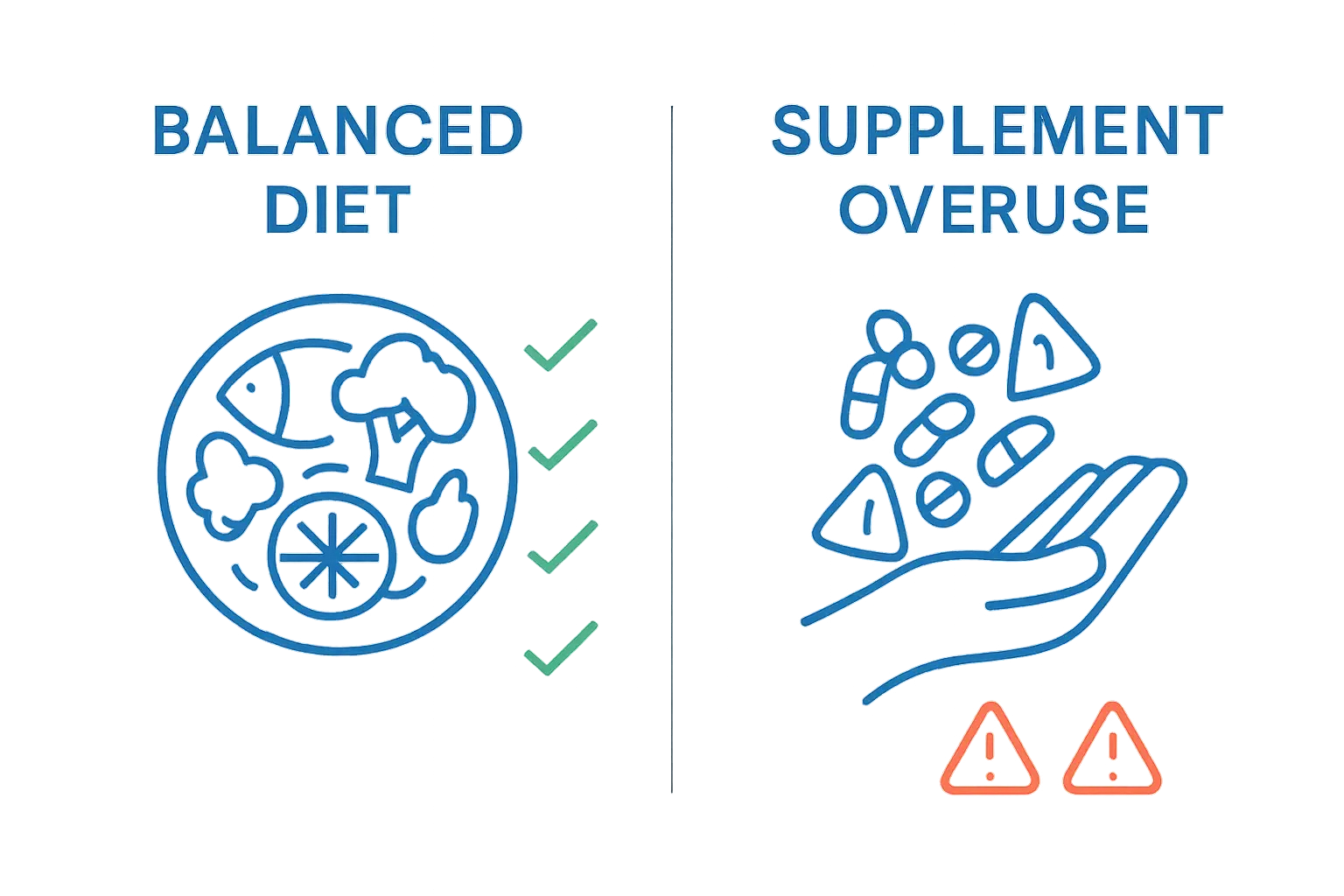
Common misconceptions about dietary supplements include:
- Supplements can completely replace a balanced diet
- Natural always means safe and effective
- Higher dosages provide greater health benefits
- All supplements are rigorously tested and regulated
- Everyone requires the same nutritional supplementation
Scientific Perspective on Supplement Effectiveness
Contrary to popular belief, dietary supplements are not miracle solutions but rather targeted nutritional tools with specific purposes. Clinical studies from Johns Hopkins Medicine reveal that most healthy individuals can obtain necessary nutrients through a balanced diet, rendering excessive supplementation unnecessary and potentially counterproductive.
Critical evaluation of supplement claims requires understanding that individual nutritional needs vary significantly based on genetic makeup, lifestyle, and existing health conditions.
The following table compares common misconceptions about dietary supplements described in the article with the actual scientific findings, helping clarify misunderstandings about supplement use.
| Common Misconception | Scientific Reality |
|---|---|
| Supplements can replace a balanced diet | Most nutrients are best obtained from food |
| Natural always means safe and effective | Natural supplements can be harmful in excess |
| Higher dosages provide greater benefits | Excessive intake may cause toxicity and health risks |
| All supplements are rigorously regulated | Supplements are not always strictly tested and regulated |
| Everyone needs the same supplements | Nutritional needs are highly individual |
Take Control of Your Supplement Routine with Menalam
Struggling with the risks of over-supplementation and unsure how to balance your health needs? The article highlighted the dangers of exceeding recommended vitamin and mineral levels, the confusion caused by conflicting health advice, and the anxiety that comes from not knowing what your body truly requires. Your health matters and finding a safer, evidence-driven approach is essential now more than ever.
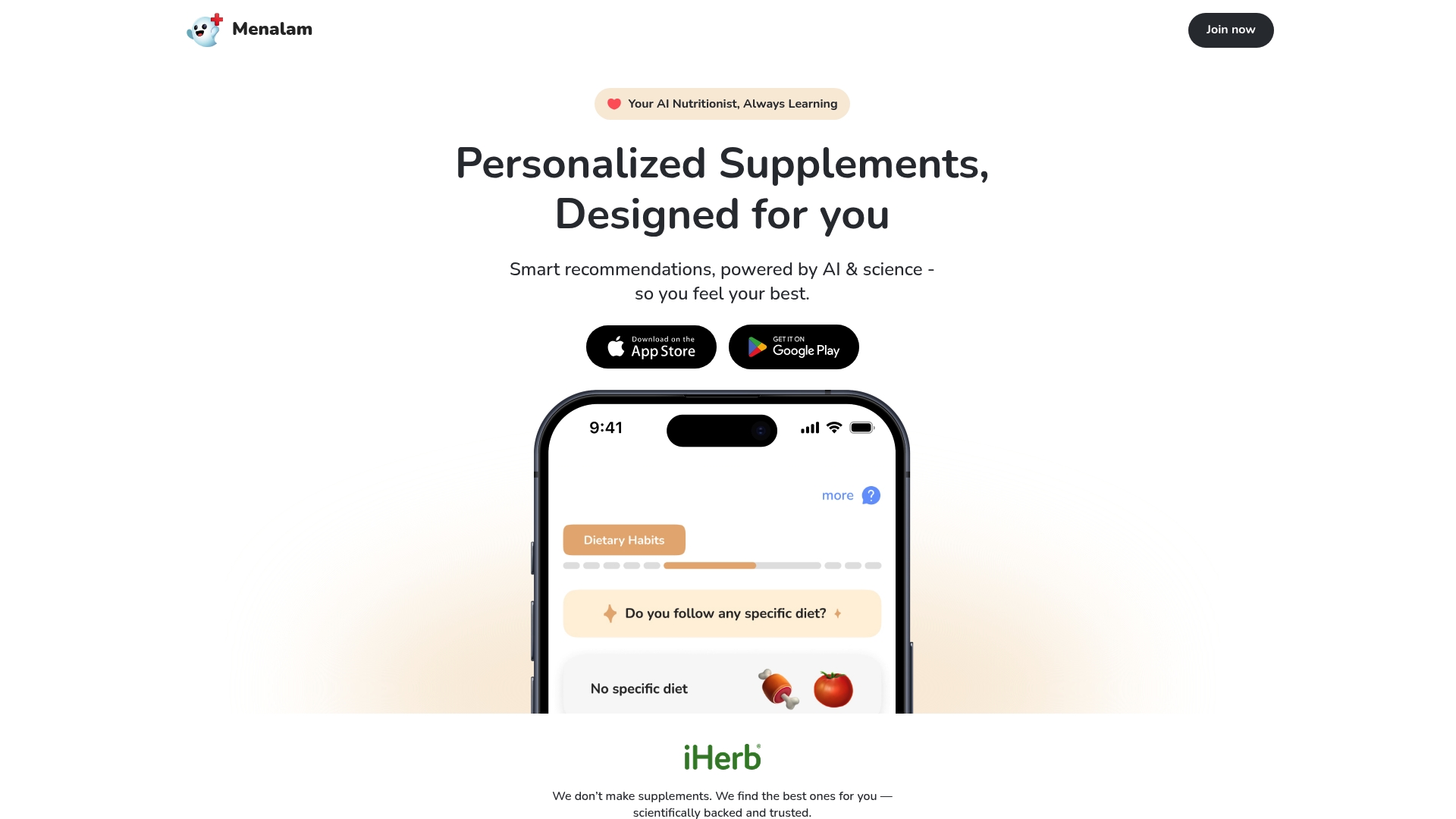
Menalam makes it easy to prevent supplement mistakes. Our advanced platform uses artificial intelligence to generate personalized supplement recommendations based on your health profile, lifestyle, and even your latest blood results. Track your supplement intake and wellness progress with our mobile app. Feel empowered to make decisions based on real data and professional guidance. Start your journey toward smarter, safer nutrition today by visiting https://menalam.com. Take our quick health quiz and let Menalam help you build a supplement routine that supports—not risks—your long-term well-being.
Frequently Asked Questions
What is over-supplementation, and why is it a concern?
Over-supplementation occurs when individuals consume dietary supplements in excess of recommended levels, which can lead to serious health complications such as organ damage and metabolic disruptions.
What are the risks associated with excessive intake of dietary supplements?
Key risks of over-supplementation include liver damage from vitamin A, kidney stones from high calcium, neurological issues from excessive vitamin B6, and impaired blood clotting due to overdosing on vitamin E.
How can I prevent over-supplementation in my diet?
To prevent over-supplementation, recognize your individual metabolic needs, understand potential nutrient interactions, consult healthcare professionals regularly, and periodically reassess your supplement requirements.
Why is personalized supplementation important for my health?
Personalized supplementation is crucial because individual metabolic variations can affect how nutrients are processed in the body. A one-size-fits-all approach might not meet your unique nutritional needs, potentially leading to health risks.
Leave a Reply