

Nutritional deficiencies sound like a distant problem, but they actually affect millions of people every single year. More than 2 billion individuals worldwide face at least one micronutrient shortfall and that number keeps rising. The real surprise is how quietly these gaps start to sabotage your health long before you notice obvious symptoms. The damage builds up over time, sometimes changing your life in ways you never expected.
Table of Contents
- What Are Nutritional Deficiencies And Their Types?
- Why Nutritional Deficiencies Matter For Overall Health
- How Nutritional Deficiencies Develop And Progress Over Time
- Key Nutrients Often Lacking In Diets And Their Functions
- Real-World Impacts Of Nutritional Deficiencies On Health
Quick Summary
| Takeaway | Explanation |
|---|---|
| Nutritional deficiencies can result from poor diet | Inadequate intake of essential nutrients leads to various health issues. Factors include limited food access and chronic conditions. |
| Recognizing signs is crucial for health | Symptoms like fatigue and weight changes may indicate deficiencies, prompting the need for professional assessment. |
| Common deficiencies include iron and vitamin D | Key nutrients frequently lacking are iron, vitamin D, and vitamin B12, critical for various bodily functions. |
| Long-term deficiencies pose serious risks | Prolonged nutrient shortages can lead to chronic conditions such as osteoporosis and cardiovascular diseases. |
| Complex strategies are essential for addressing deficiencies | Effective interventions require personalized dietary assessments and sometimes medical supplementation for optimal health balance. |
What are Nutritional Deficiencies and Their Types?
Nutritional deficiencies represent a significant health challenge where the body lacks essential nutrients required for optimal functioning. These deficiencies occur when an individual’s diet does not provide adequate vitamins, minerals, proteins, or other critical nutritional components necessary for maintaining healthy bodily processes.
Understanding Nutritional Deficiency Categories
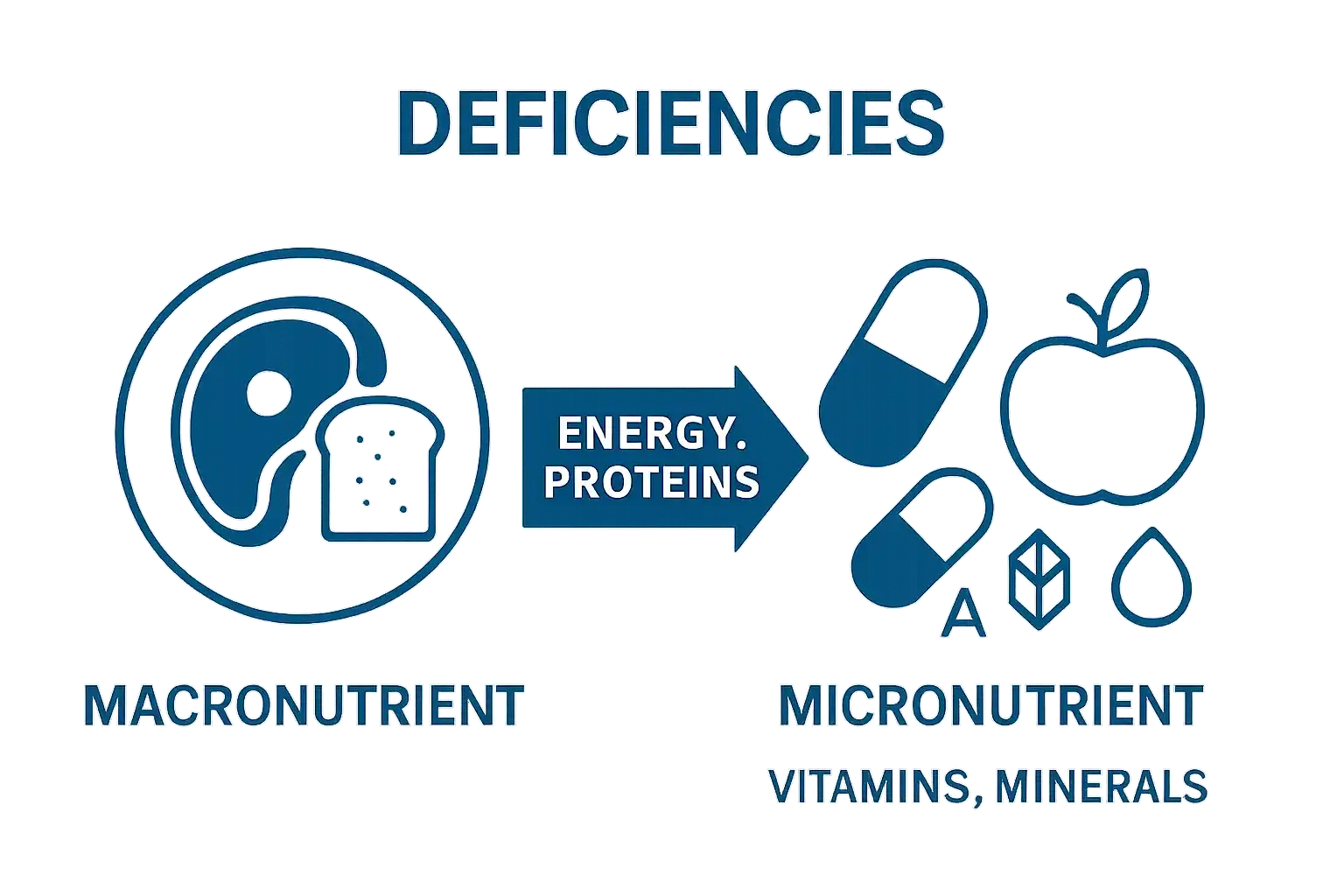
Nutritional deficiencies can be broadly categorized into two primary types
 :
:
-
Macronutrient Deficiencies: These involve insufficient intake of major nutrients like proteins, carbohydrates, and fats that provide energy and support fundamental metabolic functions.
-
Micronutrient Deficiencies: These relate to inadequate consumption of vitamins and minerals crucial for various physiological processes, immune function, and cellular maintenance.
According to research from the National Institutes of Health, nutritional deficiencies can emerge from multiple factors including poor dietary habits, limited food access, chronic medical conditions, and specific metabolic disorders.
To clarify the distinctions between types of nutritional deficiencies, the following table compares macronutrient and micronutrient deficiencies with respect to their key characteristics and health impacts.
| Deficiency Type | Nutrients Involved | Common Impacts | Examples of Deficiency Effects |
|---|---|---|---|
| Macronutrient | Proteins, carbohydrates, fats | Energy deficiency, metabolic slowdown | Muscle weakness, low energy, weight changes |
| Micronutrient | Vitamins (D, B12), minerals (Iron, etc.) | Specific physiological disruptions | Anemia, bone weakening, neurological issues |
Common Types of Nutritional Deficiencies
Some prevalent nutritional deficiencies impact significant population segments worldwide. These include:
- Iron Deficiency: Leading to anemia and reduced oxygen transportation in the bloodstream
- Vitamin D Deficiency: Associated with weakened bone health and compromised immune systems
- Vitamin B12 Deficiency: Potentially causing neurological complications and reduced red blood cell production
Understanding these deficiencies requires recognizing that nutrition is not merely about consuming food but obtaining the right balance of nutrients that support comprehensive bodily functions. Individuals experiencing persistent fatigue, unexplained weight changes, or recurring health issues should consider consulting healthcare professionals to assess their nutritional status and potential deficiencies.
Nutritional deficiencies represent complex health challenges that demand personalized assessment and targeted interventions. While dietary modifications can address many nutrient gaps, some conditions might require specialized supplementation or medical treatment to restore optimal health balance.
Why Nutritional Deficiencies Matter for Overall Health
Nutritional deficiencies extend far beyond simple dietary concerns, representing critical health challenges that impact multiple bodily systems and long-term wellness. These deficiencies can fundamentally disrupt physiological processes, compromise immune function, and potentially lead to serious chronic health conditions.
Impact on Physical Health and Performance
The human body relies on precise nutritional balance to maintain optimal functioning. When essential nutrients are absent, multiple physiological systems experience significant disruption. Consistent nutritional deficiencies can trigger cascading health problems, including reduced metabolic efficiency, weakened muscle function, and impaired cellular regeneration.
According to research from the World Health Organization, nutritional deficiencies can dramatically influence an individual’s overall health trajectory, particularly affecting vulnerable populations like children and older adults.
Systemic Consequences of Nutrient Imbalances
Nutrient deficiencies create complex health challenges across different bodily systems:
- Immune System Compromise: Reduced resistance to infections and slower healing processes
- Cognitive Function Deterioration: Potential impacts on memory, concentration, and mental clarity
- Metabolic Disruptions: Challenges in energy production and hormonal regulation
Long-Term Health Risks
Prolonged nutritional deficiencies can transform from temporary imbalances into significant health risks. Chronic conditions such as osteoporosis, cardiovascular diseases, and neurological disorders can emerge from persistent nutrient inadequacies. Early recognition and targeted intervention become crucial in preventing these potential long-term health complications.
Understanding nutritional deficiencies requires a holistic approach that considers individual dietary patterns, metabolic variations, and potential underlying health conditions. Regular health assessments, balanced nutrition, and personalized dietary strategies represent key mechanisms for maintaining optimal nutritional status and preventing potential health risks associated with nutrient imbalances.
How Nutritional Deficiencies Develop and Progress Over Time
Nutritional deficiencies represent complex health challenges that emerge through gradual and interconnected biological processes. Unlike sudden medical conditions, these deficiencies develop incrementally, with subtle symptoms often emerging before more significant health complications become apparent.
Initial Stages of Nutrient Imbalance
The progression of nutritional deficiencies typically begins with minimal, almost imperceptible changes in bodily functions. Initial stages are characterized by subclinical symptoms that might include slight variations in energy levels, minor immune system responses, and subtle metabolic adjustments. During this phase, the body attempts to compensate for nutrient shortages through internal regulatory mechanisms.
According to research from the National Institutes of Health, these early stages can persist for extended periods, making early detection challenging without comprehensive medical screening.
Progressive Stages and Symptom Development
As nutritional deficiencies advance, more pronounced physiological changes become evident:
- Metabolic Adaptation: Body begins prioritizing critical functions, potentially compromising non-essential processes
- Systemic Compensatory Mechanisms: Reduced efficiency in cellular regeneration and energy production
- Hormonal Disruptions: Potential alterations in endocrine system functioning
Advanced Deficiency and Potential Complications
In later stages, nutritional deficiencies can transform into more serious health conditions. Chronic nutrient inadequacies might trigger complex medical challenges such as:
- Compromised immune system functionality
- Increased vulnerability to chronic diseases
- Potential long-term organ system damage
The trajectory of nutritional deficiencies is not uniform and depends on multiple factors including individual metabolism, overall health status, dietary patterns, and genetic predispositions. Proactive health monitoring and personalized nutritional strategies represent critical interventions for managing and potentially reversing these progressive health challenges.
Understanding the nuanced development of nutritional deficiencies requires a comprehensive approach that considers individual physiological variations and holistic health perspectives. Regular health assessments, targeted nutritional interventions, and lifestyle modifications can significantly mitigate the potential risks associated with prolonged nutrient imbalances.
Key Nutrients Often Lacking in Diets and Their Functions
Nutrients play pivotal roles in maintaining human health, with certain essential elements frequently absent from modern dietary patterns. Understanding these critical nutrients and their specific biological functions becomes crucial for preventing nutritional deficiencies and supporting optimal physiological performance.
Here is a summary table outlining the most common nutrients frequently lacking in diets, along with their primary physiological roles and the effects of deficiency.
| Nutrient | Key Function | Deficiency Effects |
|---|---|---|
| Iron | Oxygen transport and energy metabolism | Anemia, fatigue, weakened immune system |
| Vitamin D | Calcium absorption, bone health, immune support | Weak bones, muscle pain, increased infection risk |
| Vitamin B12 | Nerve health, red blood cell formation | Neurological issues, anemia, cognitive impairment |
| Calcium | Bone density, muscle contraction | Osteoporosis, brittle bones, muscle cramps |
| Magnesium | Nerve function, energy production | Weakness, muscle cramps, irregular heartbeat |
Essential Micronutrients and Their Fundamental Roles
Micronutrients represent small but mighty components of human nutrition, functioning as catalysts for complex metabolic processes. Despite their minimal quantitative requirement, these nutrients drive significant physiological mechanisms that maintain cellular health and overall bodily function.
According to research from the Food and Agriculture Organization, certain nutrients demonstrate consistent global deficiency patterns that impact population health across different demographic groups.
Critical Nutrients Commonly Insufficient in Diets
Several key nutrients frequently demonstrate insufficient intake levels:
- Vitamin D: Critical for calcium absorption, bone health, and immune system regulation
- Iron: Essential for oxygen transportation and energy metabolism
- Vitamin B12: Crucial for neurological function and red blood cell formation
- Calcium: Fundamental for bone density and muscular contraction
- Magnesium: Important for nerve function and energy production
Physiological Consequences of Nutrient Deficiencies
Nutrient inadequacies can trigger cascading health complications that extend beyond immediate metabolic disruptions. Chronic deficiencies potentially compromise multiple bodily systems, leading to complex health challenges such as:
- Weakened immune response
- Reduced cognitive performance
- Impaired cellular regeneration
- Compromised hormonal balance
Recognizing individual nutritional requirements necessitates a personalized approach that considers factors like age, gender, lifestyle, and existing health conditions. Comprehensive nutritional assessments and targeted dietary interventions represent proactive strategies for addressing potential nutrient gaps and supporting long-term health optimization.

Real-World Impacts of Nutritional Deficiencies on Health
Nutritional deficiencies transcend theoretical health concerns, manifesting as tangible, often profound consequences across various aspects of human life. These impacts extend far beyond individual physiological disruptions, potentially influencing personal development, economic productivity, and overall societal well-being.
Developmental and Cognitive Consequences
Nutritional deficiencies can dramatically alter human developmental trajectories, particularly during critical growth periods. Children experiencing persistent nutrient inadequacies may encounter significant challenges in physical growth, cognitive development, and academic performance. The long-term implications of these early nutritional gaps can create generational cycles of reduced human potential.
According to research examining micronutrient impacts, certain nutrient deficiencies can lead to irreversible neurological and physiological complications when left unaddressed during key developmental stages.
Physiological and Systemic Health Implications
The real-world manifestations of nutritional deficiencies encompass multiple health domains:
- Immune System Vulnerability: Increased susceptibility to infectious diseases
- Metabolic Disruptions: Potential insulin resistance and metabolic syndrome development
- Reproductive Health Challenges: Reduced fertility and pregnancy complications
- Muscular and Skeletal Weakening: Reduced bone density and muscle function
Economic and Social Ramifications
Beyond individual health, nutritional deficiencies generate broader societal consequences. Populations with widespread nutrient inadequacies often experience reduced economic productivity, with significant implications for workforce performance, healthcare expenditures, and overall national development.
Individuals suffering from chronic nutritional deficiencies may encounter:
- Reduced work capacity
- Higher healthcare intervention costs
- Potential limitations in career advancement
- Increased psychological stress
Comprehensive approaches addressing nutritional deficiencies require multifaceted strategies integrating medical intervention, nutritional education, and systemic support mechanisms. Recognizing these deficiencies as complex, interconnected challenges enables more holistic and effective health management strategies.
Bridge the Gap Between Nutrition Knowledge and Action
Feeling overwhelmed by the complexities of nutritional deficiencies and anxious about unknowingly risking your health? Navigating the causes and effects of vitamin and mineral imbalances can be tough, especially when symptoms go unnoticed and knowing exactly what your body needs becomes confusing. Instead of guessing what supplements might help, imagine having a digital solution that pinpoints the nutrients you lack and crafts a plan tailored precisely to your unique needs.

Take control now. By visiting Menalam, you can complete a quick health quiz and receive personalized supplement recommendations based on your lifestyle, health profile, and even your blood test results. The Menalam app will track your progress, remind you to stay consistent, and automatically adjust your plan as your needs change. Stop second-guessing your nutrition—get data-driven guidance and see your health evolve. Don’t let nutritional deficiencies silently impact your life when a personalized solution is just a click away. Start your journey to better health with Menalam’s personalized platform today.
Frequently Asked Questions
What are the common causes of nutritional deficiencies?
Nutritional deficiencies can arise from poor dietary habits, limited access to food, chronic medical conditions, and specific metabolic disorders that affect nutrient absorption.
What are the symptoms of macronutrient deficiencies?
Symptoms of macronutrient deficiencies may include low energy levels, muscle weakness, and impaired metabolic functions, which can impact overall health performance.
How can I identify if I have a micronutrient deficiency?
Micronutrient deficiencies can often be identified through persistent fatigue, unexplained weight changes, and recurring health issues. Consulting a healthcare professional for a nutritional assessment can provide clarity.
What long-term health risks are associated with prolonged nutritional deficiencies?
Prolonged nutritional deficiencies can lead to chronic conditions such as osteoporosis, cardiovascular diseases, and neurological disorders, highlighting the importance of early detection and intervention.
Leave a Reply