

Stress and nutrition are not just occasional visitors in our lives. They form a tangled partnership that affects how we feel every day. Most people focus on stress as something to manage with meditation or therapy. But science shows that nutrition is just as pivotal. Studies reveal a bidirectional relationship where what you eat changes how you handle stress and stress changes how your body digests and absorbs nutrients. This flips the script. Thought your food only influenced your waistline? Turns out your next bite might be shaping your mood and resilience, too.
Table of Contents
- What Is The Relationship Between Stress And Nutrition?
- Why Nutrition Matters In Managing Stress
- How Different Nutrients Affect Stress Response
- The Role Of Diet In Emotional Well-Being And Resilience
- Practical Strategies For Nutrition To Combat Stress
Quick Summary
| Takeaway | Explanation |
|---|---|
| Manage stress with nutrition | Strategic dietary choices actively help in mitigating stress responses and enhancing resilience. |
| Prioritize omega-3 fatty acids | Omega-3s reduce inflammation and support hormonal balance, aiding stress management. |
| Include magnesium-rich foods | Foods high in magnesium help regulate the nervous system and promote relaxation during stress. |
| Utilize consistent meal timing | Regular, balanced meals stabilize blood sugar levels, helping to manage hormonal responses to stress. |
| Consider nutritional supplements | Targeted supplementation, like magnesium and B vitamins, can address deficiencies that affect stress adaptation. |
What is the relationship between stress and nutrition?
Stress and nutrition share a complex, dynamic relationship that significantly impacts overall human health and well-being. Unlike simplistic perspectives that view them as separate domains, modern scientific research reveals a profound bidirectional interaction where psychological stress and dietary patterns continuously influence each other.
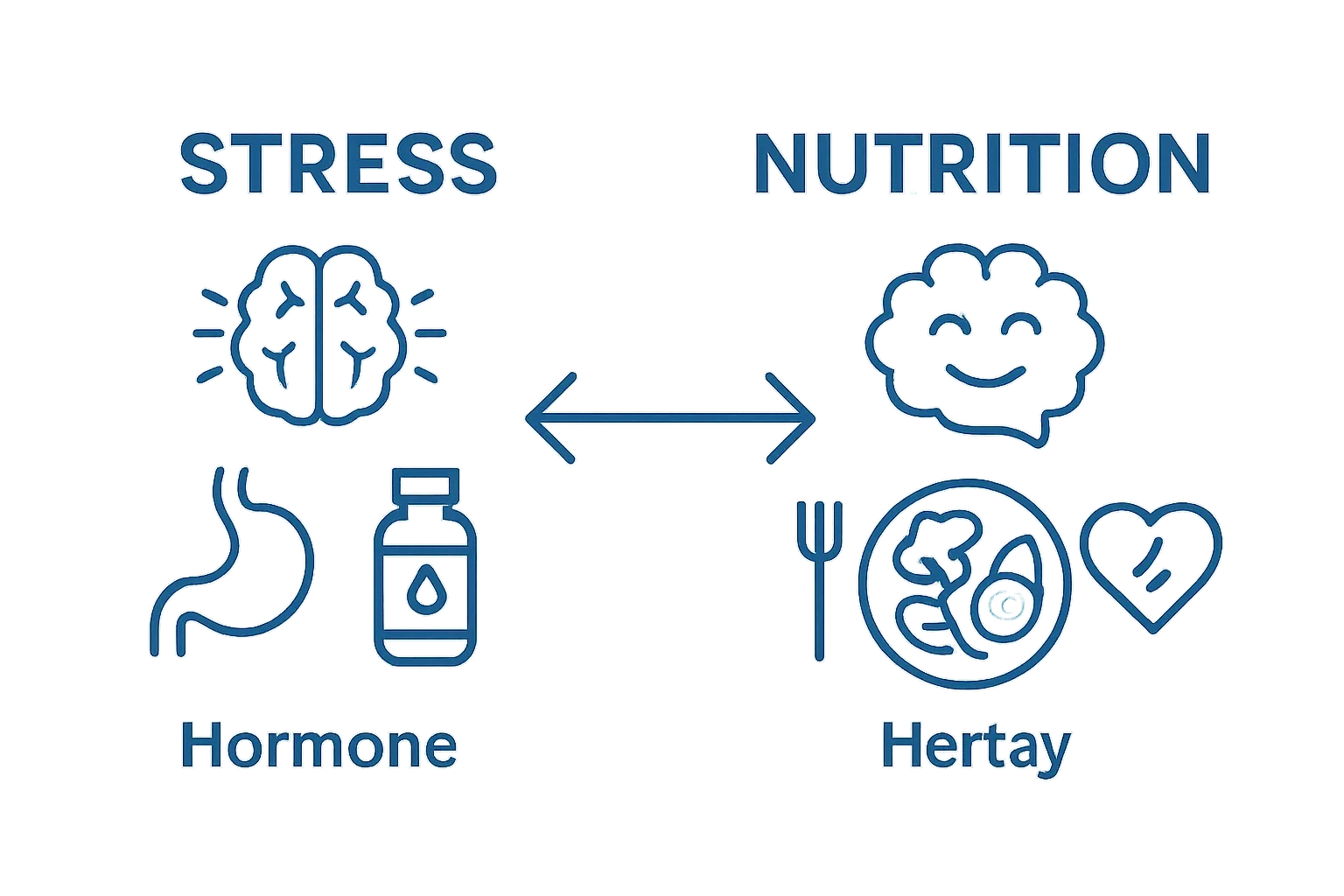
Physiological Impact of Stress on Nutritional Processes
When an individual experiences stress, the body activates the hypothalamic-pituitary-adrenal (HPA) axis, triggering hormonal cascades that dramatically alter metabolic functioning. Research from the National Institutes of Health demonstrates that chronic stress can fundamentally disrupt normal nutritional absorption, hormonal balance, and metabolic efficiency.
Key physiological changes during stress include:
- Increased cortisol production affecting insulin sensitivity
- Heightened inflammation markers
- Altered digestive enzyme secretion
- Compromised nutrient absorption mechanisms
Nutritional Strategies for Stress Management
Nutrition serves not just as a passive recipient of stress effects but also as an active mechanism for stress mitigation. Strategic dietary choices can help modulate stress responses, support neurochemical balance, and enhance physiological resilience. Specific nutrients play crucial roles in managing stress by supporting neurotransmitter production and regulating hormonal responses.
Fundamental nutritional interventions for stress management include consuming:
- Omega-3 fatty acids to reduce inflammatory stress markers
- Magnesium-rich foods supporting nervous system regulation
- Complex carbohydrates stabilizing mood and energy levels
Understanding this intricate connection empowers individuals to develop holistic approaches that simultaneously address psychological well-being and nutritional health, creating a comprehensive strategy for optimal physiological functioning.
Below is a summary table that compares the physiological impact of stress on nutrition with the positive interventions nutrition offers for stress management, helping clarify the reciprocal relationship outlined in this section.
| Aspect | Stress Impact on Nutrition | Nutrition as Stress Management |
|---|---|---|
| Hormonal Response | Increases cortisol, disrupts hormonal balance | Supports hormonal regulation via targeted nutrients |
| Nutrient Absorption | Compromises absorption, alters enzyme secretion | Enhances absorption with balanced diets |
| Inflammation | Raises inflammation markers | Reduces inflammation, especially with omega-3s and antioxidants |
| Blood Sugar & Energy | Affects insulin sensitivity, destabilizes blood sugar | Stabilizes blood sugar and energy with complex carbs and timing |
| Neurotransmitter Balance | Can disturb mood-regulating neurochemicals | Supports synthesis with amino acids and B-vitamins |
Why nutrition matters in managing stress
Nutrition represents a powerful yet often overlooked mechanism for managing stress, functioning as a critical biological intervention that directly influences our body’s neurochemical and physiological stress responses. Beyond mere sustenance, strategic nutritional choices can serve as fundamental tools for emotional regulation and resilience.
Neurotransmitter Production and Mood Stabilization
Research from Harvard Medical School highlights that specific nutrients play a crucial role in neurotransmitter synthesis, directly impacting mood and stress management. Amino acids, vitamins, and minerals act as precursors for essential neurochemicals like serotonin, dopamine, and gamma-aminobutyric acid (GABA), which regulate emotional processing and stress responses.
Key nutrients supporting neurotransmitter balance include:
- Tryptophan for serotonin production
- Tyrosine supporting dopamine synthesis
- B-complex vitamins facilitating neurotransmitter metabolism
Metabolic Resilience Against Stress
Proper nutrition provides the body with essential resources to maintain metabolic efficiency during stressful periods. Balanced dietary intake helps modulate cortisol levels, reduces inflammatory markers, and supports the body’s adaptive mechanisms. Certain nutrients enhance mitochondrial function, improving cellular energy production and stress recovery capacity.
Strategic nutritional approaches for metabolic resilience involve:
- Consuming antioxidant-rich foods
- Maintaining stable blood glucose levels
- Integrating adaptogenic herbs and nutrients
By recognizing nutrition as an active intervention rather than a passive background process, individuals can develop sophisticated strategies for managing physiological and psychological stress responses, ultimately promoting long-term health and emotional well-being.
How different nutrients affect stress response
Nutrients play a sophisticated role in modulating the body’s physiological and neurochemical stress responses, functioning as molecular regulators that can either amplify or mitigate stress reactions. Understanding the intricate biochemical mechanisms of specific nutrients provides insight into their potential stress management capabilities.
Micronutrient Impact on Stress Regulation
Research from the National Institutes of Health reveals that specific micronutrients directly influence the body’s stress response through complex neurological and hormonal pathways. Certain vitamins and minerals act as critical cofactors in neurotransmitter production, hormonal balance, and cellular stress adaptation mechanisms.
Key micronutrients with significant stress modulation properties include:
- Magnesium supporting neural relaxation
- Zinc regulating inflammatory stress responses
- Vitamin B complex facilitating neurochemical synthesis
- Vitamin C reducing cortisol production
Macronutrient Strategies for Stress Resilience
Macronutrients contribute to stress management by providing sustained energy, stabilizing blood glucose levels, and supporting metabolic efficiency. Proteins, complex carbohydrates, and healthy fats play crucial roles in maintaining physiological equilibrium during stressful periods.
Strategic macronutrient approaches for stress management involve:
- Consuming lean proteins supporting neurotransmitter function
- Integrating complex carbohydrates for stable energy release
- Incorporating omega-3 fatty acids to reduce inflammatory stress markers
By comprehending the nuanced interactions between specific nutrients and stress responses, individuals can develop targeted nutritional strategies that enhance physiological resilience and emotional well-being.
This table organizes key nutrients, their primary physiological roles, and example food sources, offering a quick reference to how specific dietary choices can support stress management.
| Nutrient | Role in Stress Management | Example Food Sources |
|---|---|---|
| Omega-3 Fatty Acids | Reduces inflammation, supports hormone balance | Salmon, flaxseeds, walnuts |
| Magnesium | Promotes nervous system relaxation | Spinach, almonds, pumpkin seeds |
| B-Complex Vitamins | Aids neurotransmitter production and energy | Eggs, whole grains, leafy greens |
| Tryptophan | Precursor to serotonin (mood regulation) | Turkey, dairy, soybeans |
| Complex Carbohydrates | Stabilizes blood sugar, supports steady energy | Oats, quinoa, brown rice |
| Zinc | Regulates immune and inflammatory response | Beef, chickpeas, cashews |
| Vitamin C | Reduces cortisol, supports antioxidant function | Oranges, bell peppers, strawberries |
The role of diet in emotional well-being and resilience
Diet transcends its traditional role of physical nourishment, emerging as a fundamental cornerstone of psychological health and emotional stability. Nutritional patterns directly influence neurological functioning, emotional processing, and the body’s capacity to respond to psychological challenges.
Neurochemical Foundations of Dietary Emotional Influence
Research from Harvard Medical School demonstrates that dietary composition profoundly impacts brain chemistry, neurotransmitter production, and emotional regulation mechanisms. The intricate relationship between nutritional intake and psychological resilience involves complex biochemical interactions that modulate mood, stress response, and cognitive functioning.
Key neurochemical pathways influenced by diet include:
- Serotonin synthesis through dietary tryptophan
- Inflammatory response regulation via nutrient composition
- Neuroplasticity support through essential fatty acids
- Mitochondrial energy production affecting mental clarity
Holistic Dietary Approaches to Emotional Resilience
Comprehensive dietary strategies extend beyond individual nutrient consumption, focusing on integrated nutritional patterns that support comprehensive psychological wellness. Balanced nutritional approaches can enhance emotional regulation, reduce vulnerability to mood disorders, and improve overall psychological adaptation mechanisms.
Strategic dietary considerations for emotional resilience involve:
- Prioritizing whole food nutrient profiles
- Maintaining consistent metabolic energy
- Reducing processed food consumption
- Supporting gut microbiome diversity
By understanding diet as an active intervention for emotional well-being, individuals can develop nuanced nutritional strategies that foster psychological strength, emotional stability, and comprehensive neurological health.

Practical strategies for nutrition to combat stress
Navigating stress through targeted nutritional approaches requires a comprehensive understanding of how dietary choices can modulate physiological stress responses. Implementing strategic nutrition interventions offers a proactive method for managing and mitigating stress-related health challenges.
Meal Composition and Timing Strategies
Research from the American Psychological Association indicates that deliberate meal planning can significantly influence stress management. Balanced meal compositions that stabilize blood sugar and provide consistent energy help regulate hormonal stress responses and maintain neurochemical equilibrium.
Key meal composition principles for stress reduction include:
- Combining complex carbohydrates with lean proteins
- Maintaining consistent meal intervals
- Prioritizing nutrient-dense whole foods
- Avoiding prolonged periods of fasting
Targeted Nutritional Supplementation
Certain nutritional supplements can provide additional support in managing physiological stress responses. Targeted supplementation addresses specific micronutrient deficiencies that can compromise the body’s stress adaptation mechanisms, offering a precise approach to nutritional stress management.
Strategic supplementation considerations involve:
- Magnesium for neural relaxation
- Adaptogenic herbs like ashwagandha
- Omega-3 fatty acid supplements
- B-complex vitamins supporting nervous system function
By adopting a holistic approach that integrates meal planning, nutrient-rich food choices, and targeted supplementation, individuals can develop a robust nutritional strategy for effectively managing and mitigating stress-related physiological challenges.
Turn Nutritional Insights Into Personalized Solutions
You have learned how stress and nutrition are closely linked, with every meal and supplement choice influencing your emotional stability and overall resilience. If you feel overwhelmed by the complexity of finding the best nutritional strategy or worry about missing essential nutrients in your stress-management journey, now is the perfect moment to take control. At Menalam, we combine the latest science with artificial intelligence to deliver a customized supplement plan that fits your unique needs and goals. Complete our quick health quiz and discover which vitamins and supplements can provide the steady energy, emotional balance, and metabolic support discussed in this article.

Do not just read about solutions, experience them firsthand. Visit Menalam and get instant, science-backed recommendations personalized for you. Track your supplement intake, monitor your progress, and adjust your plan as you evolve. Take your first step toward reduced stress and greater well-being by signing up with Menalam today.
Frequently Asked Questions
What is the relationship between stress and nutrition?
Stress and nutrition have a bidirectional relationship where stress can affect nutritional absorption and metabolism, while diet can influence stress management and emotional well-being.
How can specific nutrients help manage stress?
Certain nutrients, such as omega-3 fatty acids, magnesium, and B-complex vitamins, support neurotransmitter production and regulate hormonal responses, aiding in stress management.
What role does diet play in emotional well-being?
Diet influences brain chemistry and emotional regulation, with specific foods enhancing mood stability and reducing vulnerability to stress-related disorders.
What meal composition strategies can help combat stress?
Combining complex carbohydrates with lean proteins, maintaining consistent meal intervals, and prioritizing whole, nutrient-dense foods can help stabilize blood sugar and regulate stress responses.
Leave a Reply