

Everyone knows vitamins are crucial for health, powering everything from your metabolism to your immune system. But less than half of Americans realize that not all vitamins are created equal and the source actually changes how your body absorbs them. Some studies have found natural vitamins can have significantly higher bioavailability than synthetic ones, thanks to extra cofactors and enzymatic helpers that come only from real food. Surprising, right? Most people reach for a bottle at the store and never question if it matters how those vitamins were made. Turns out that choice could make a real difference to your health.
Table of Contents
- What Are Natural and Synthetic Vitamins?
- Why The Difference Between Natural And Synthetic Matters
- How Natural And Synthetic Vitamins Function In The Body
- Key Nutritional Benefits: A Comparative Look
- Real-World Implications For Your Health Choices
Quick Summary
| Takeaway | Explanation |
|---|---|
| Natural vitamins support better absorption | They contain additional cofactors and enzymes that enhance nutrient bioavailability in the body. |
| Synthetic vitamins can address specific deficiencies | They provide targeted supplementation and can be more effective for certain individuals with unique health needs. |
| Individual health factors matter for vitamin choice | Age, medical conditions, and dietary restrictions influence how well vitamins work for each person. |
| Consult healthcare professionals for personalized strategies | Tailoring nutrition plans to individual needs is key for optimizing vitamin intake and health outcomes. |
What Are Natural and Synthetic Vitamins?
Vitamins are essential nutrients that play crucial roles in human health, supporting everything from metabolic processes to immune function. While most people assume all vitamins are created equal, there are significant differences between natural and synthetic vitamin sources that can impact their effectiveness and absorption.
Understanding Natural Vitamins
Natural vitamins are nutrients derived directly from whole food sources like fruits, vegetables, animal products, and other organic materials. These vitamins come with their complete molecular structure, including cofactors and enzymatic components that enhance bioavailability. According to Harvard School of Public Health, natural vitamins typically contain additional compounds that support optimal nutrient absorption and utilization.
Natural vitamin characteristics include:
- Extracted from whole food sources
- Contain accompanying nutrients and enzymes
- Generally more recognizable by the human body
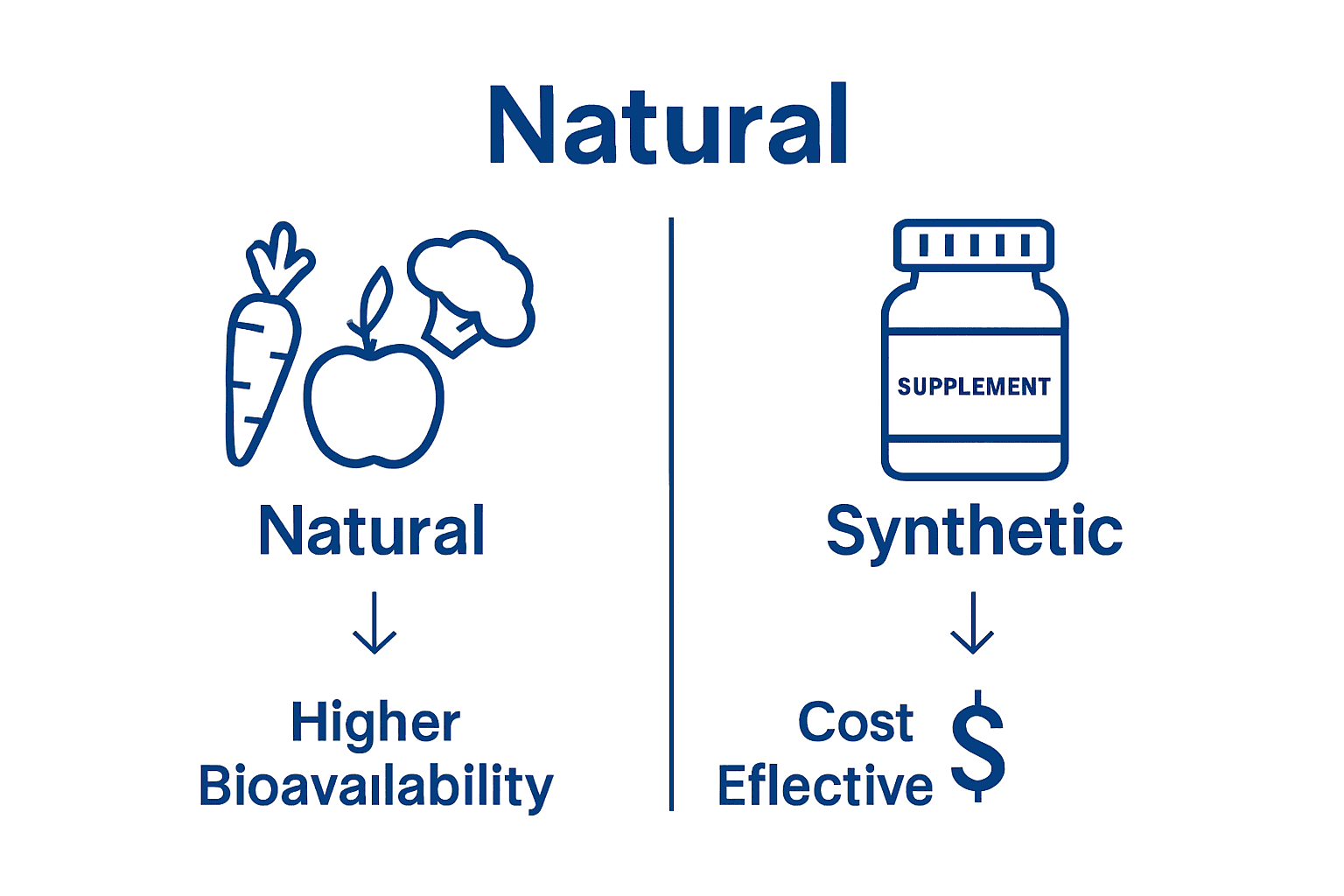
- Typically have higher bioavailability
Synthetic Vitamin Production
Synthetic vitamins are manufactured through chemical processes designed to replicate the molecular structure of natural vitamins. These lab-created nutrients are chemically synthesized to mimic the exact chemical composition of their natural counterparts. National Institutes of Health indicates that while synthetic vitamins can provide nutritional benefits, they might not be absorbed as efficiently as naturally occurring vitamins.
Key differences in synthetic vitamin production involve:
- Chemical synthesis in laboratory environments
- Precise molecular replication
- Often more cost-effective to produce
- Standardized nutrient concentrations
Understanding these distinctions helps consumers make informed decisions about their supplement choices, recognizing that both natural and synthetic vitamins can contribute to nutritional needs, though their absorption and effectiveness may vary.
To clarify the major distinctions between natural and synthetic vitamins, the following table compares their core features, sources, and expected effects on absorption and health.
| Feature | Natural Vitamins | Synthetic Vitamins |
|---|---|---|
| Source | Derived from whole foods | Chemically synthesized in a lab |
| Additional Nutrients | Contain enzymes and cofactors | Usually lack supporting compounds |
| Bioavailability | Generally higher | Can be lower; depends on structure |
| Recognition by Body | More easily recognized and metabolized | May require extra metabolic processing |
| Cost & Accessibility | Often more expensive; less standardized | More affordable; highly standardized |
| Nutrient Complexity | Broad nutrient profile | Targeted, single-nutrient focus |
| Health Application | Supports comprehensive nutrition | Useful for addressing specific deficiencies |
Why the Difference Between Natural and Synthetic Matters
The distinction between natural and synthetic vitamins extends far beyond mere academic curiosity. These differences can profoundly impact how nutrients are absorbed, utilized, and ultimately contribute to overall health and wellness.
Bioavailability and Absorption
Bioavailability represents the proportion of a nutrient that is actually absorbed and used by the body. National Institutes of Health research indicates that synthetic vitamins often have lower bioavailability compared to their natural counterparts. This means the body may not efficiently process and integrate synthetic nutrients, potentially reducing their overall health benefits.
Key factors affecting bioavailability include:
- Molecular structure of the vitamin
- Presence of complementary enzymes and cofactors
- Individual metabolic differences
- Chemical complexity of the nutrient source
Potential Health Implications
The body’s ability to recognize and process vitamins can significantly influence nutritional effectiveness. Natural vitamins come with additional molecular components that support more comprehensive nutrient absorption. Synthetic versions, while chemically similar, might lack these intricate supporting mechanisms that enable optimal cellular integration.
Important considerations for vitamin absorption:
- Natural vitamins often include trace minerals
- Synthetic versions might require additional metabolic processing
- Some synthetic nutrients may create imbalances in nutrient interaction
- Individual genetic variations can impact nutrient metabolism
Long-Term Nutritional Strategy
Choosing between natural and synthetic vitamins is not a one-size-fits-all decision. Factors like dietary restrictions, health conditions, and personal metabolic differences play crucial roles. While synthetic vitamins can help address specific nutritional gaps, prioritizing whole food sources and natural supplement forms generally provides more comprehensive nutritional support.
Consumers should consult healthcare professionals to develop personalized nutrition strategies that optimize vitamin intake and overall wellness.
How Natural and Synthetic Vitamins Function in the Body
The human body processes vitamins as essential biochemical tools that facilitate numerous metabolic processes. Whether derived from natural or synthetic sources, these nutrients play critical roles in cellular function, energy production, and overall physiological maintenance.
Cellular Recognition and Metabolic Pathways
Vitamins serve as critical enzymatic cofactors, enabling numerous biochemical reactions necessary for human health. According to JAMA Network, while synthetic and natural vitamins share fundamental chemical structures, their metabolic interactions can differ significantly. Natural vitamins often come with additional molecular components that support more efficient cellular integration.
Key metabolic interaction characteristics include:
- Enzymatic activation processes
- Molecular binding efficiency
- Cellular receptor compatibility
- Speed of nutrient conversion
Absorption and Utilization Mechanisms
The body’s vitamin absorption mechanism involves complex interactions between nutrients, digestive enzymes, and cellular receptors. Natural vitamins typically contain complementary compounds that enhance their bioavailability, allowing for more comprehensive nutrient utilization. Synthetic versions might require additional metabolic steps to achieve similar functionality.
Important absorption factors include:
- Intestinal membrane permeability
- Presence of supporting micronutrients
- Individual metabolic efficiency
- Genetic variations in nutrient processing
Potential Metabolic Variations
While synthetic vitamins can effectively supplement nutritional needs, they may not perfectly replicate the intricate biochemical interactions of natural nutrients. Some synthetic forms might be less efficiently processed, potentially requiring higher dosages to achieve equivalent physiological benefits.
Individual metabolic differences further complicate this dynamic, underscoring the importance of personalized nutritional approaches.
Consumers should approach vitamin supplementation with nuanced understanding, recognizing that both natural and synthetic sources can contribute to overall nutritional health when used appropriately.
Key Nutritional Benefits: A Comparative Look
Navigating the complex landscape of vitamin supplementation requires understanding the nuanced benefits and potential limitations of both natural and synthetic nutrient sources. The nutritional value extends beyond simple chemical composition, encompassing broader health implications and individual metabolic responses.
Comprehensive Nutrient Profile
Natural vitamins offer a more holistic nutritional approach, providing additional beneficial compounds alongside core nutrients. Harvard School of Public Health highlights that whole food sources contain essential phytochemicals, fiber, and supporting micronutrients that synthetic versions often lack. These additional components can enhance overall nutrient absorption and provide synergistic health benefits.
Key advantages of natural vitamin sources include:
- Presence of complementary micronutrients
- Enhanced phytochemical content
- More complex molecular structures
- Improved overall nutritional complexity
Targeted Supplementation Strategies
Synthetic vitamins play a critical role in addressing specific nutritional deficiencies, particularly for individuals with restricted diets or unique metabolic needs. Some synthetic forms demonstrate superior absorption rates for certain nutrients. For instance, synthetic vitamin B12 can be more effectively processed by individuals with absorption challenges, providing a targeted nutritional intervention.
Important considerations for synthetic vitamin supplementation:
- Precise nutrient concentration control
- Cost-effective production
- Consistent chemical composition
- Potential solutions for specific nutritional gaps
Individual Metabolic Responses
Nutritional effectiveness varies significantly between individuals due to genetic factors, existing health conditions, and metabolic efficiency. While natural vitamins generally provide more comprehensive nutrition, synthetic alternatives can be crucial for people with specific health requirements. The optimal approach involves personalized assessment, considering individual nutritional needs, absorption capabilities, and overall health status.
Consumers should approach vitamin supplementation as a nuanced, personalized strategy, potentially consulting healthcare professionals to develop the most effective nutritional plan.
Real-World Implications for Your Health Choices
Making informed decisions about vitamin supplementation requires a nuanced understanding of how different nutrient sources can impact overall health. The choices between natural and synthetic vitamins extend far beyond simple nutritional chemistry, affecting long-term wellness strategies and individual health outcomes.
Individual Health Considerations
Personal health profiles dramatically influence vitamin effectiveness, making personalized nutrition approaches crucial. According to PubMed Research, certain populations face higher risks of nutritional deficiencies and may require targeted supplementation strategies. Factors like age, dietary restrictions, metabolic conditions, and genetic predispositions play significant roles in determining optimal vitamin intake.
Key personal health factors to consider include:
Here is a quick-reference table organizing key personal health factors that influence vitamin absorption and effectiveness, helping guide choices between natural and synthetic supplementation.
| Personal Factor | Description |
|---|---|
| Existing Medical Conditions | Chronic illnesses or specific diagnoses can impact nutrient needs |
| Age and Metabolic Rate | Older adults or children may absorb vitamins differently |
| Dietary Restrictions | Vegan, vegetarian or allergy-based diets affect available nutrient sources |
| Genetic Predisposition | Genetic differences influence nutrient absorption and usage |
| Medication Interactions | Some medications impact how vitamins are absorbed or metabolized |
- Existing medical conditions
- Age and metabolic rate
- Dietary restrictions and patterns
- Genetic predisposition to nutrient absorption
- Current medication interactions
Nutritional Strategy Development
Effective vitamin supplementation is not a one-size-fits-all approach. Individuals must evaluate their unique nutritional needs by considering multiple variables. Some may benefit more from natural vitamin sources, while others might require synthetic alternatives to address specific health challenges. Consulting healthcare professionals can help develop a comprehensive nutritional plan that balances dietary intake with appropriate supplementation.
Strategic nutritional planning involves:
- Comprehensive health assessment
- Blood work and nutrient level testing
- Understanding individual metabolic patterns
- Monitoring supplementation effects
- Regular nutritional re-evaluation
Long-Term Health Management
The decision between natural and synthetic vitamins transcends immediate nutritional needs, impacting long-term health trajectories. While both sources can contribute to overall wellness, understanding their distinct characteristics enables more informed health choices. Sustainable nutrition strategies prioritize balanced whole food intake, strategic supplementation, and ongoing health monitoring.
Individuals should approach vitamin supplementation as a dynamic, personalized journey, remaining adaptable and responsive to changing health requirements and emerging nutritional research.

Bridge the Gap Between Natural and Synthetic Vitamins With Menalam
If you have ever wrestled with the uncertainty of choosing between natural or synthetic vitamins, you are not alone. The article highlights how bioavailability, personal health conditions, and nutrient absorption can make or break your wellness journey. Your unique body deserves a supplement plan tailored to how you truly absorb and utilize nutrients—not a one-size-fits-all solution.
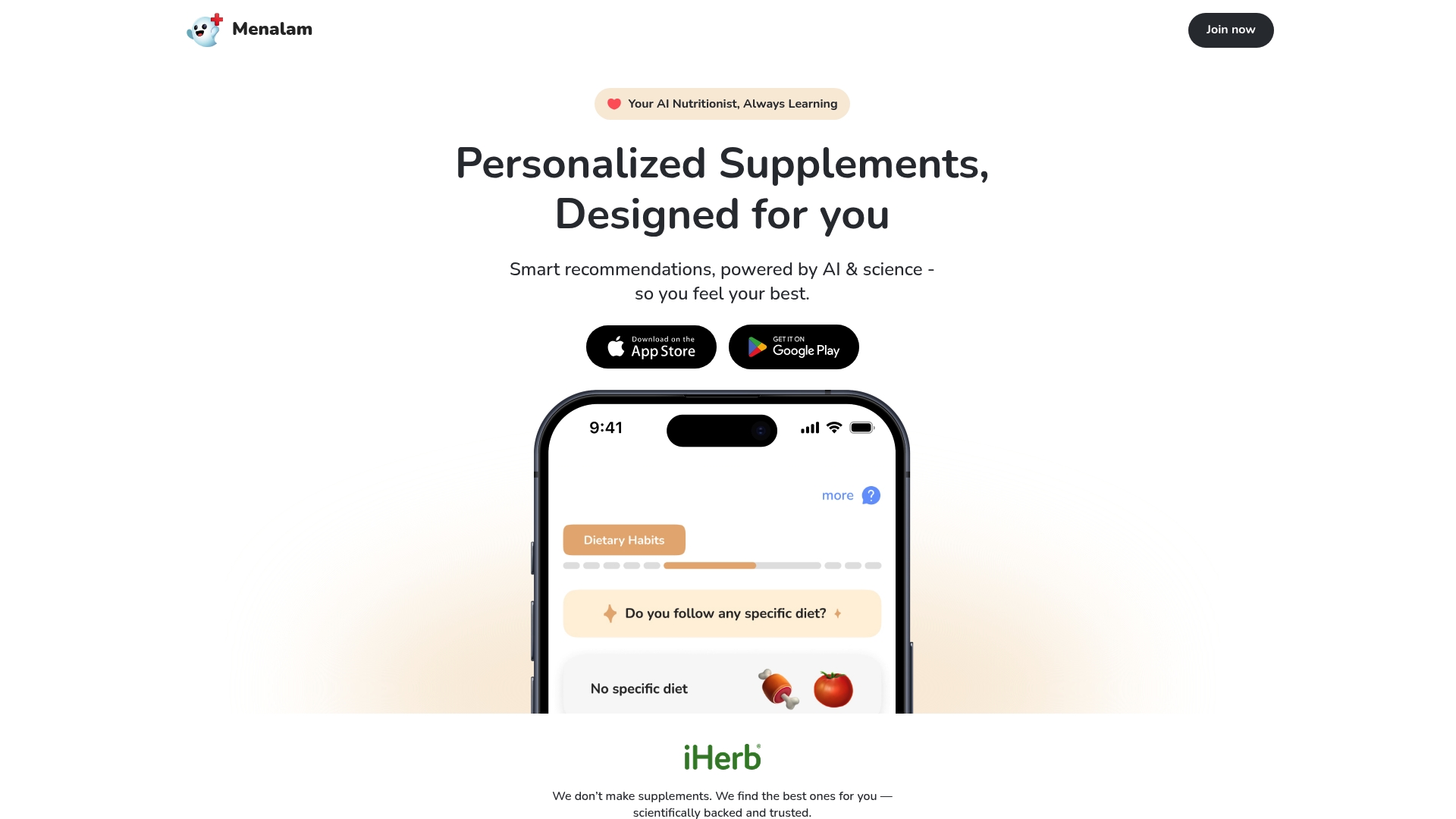
Stop guessing and start personalizing your health routine with Menalam. Our AI-driven platform analyzes your health profile, lifestyle, and even blood test results to craft custom vitamin and supplement recommendations that respect your body’s unique needs. Take our quick health quiz to see which approach—natural or synthetic—matches your bioavailability and helps you reach your wellness goals faster. Join Menalam today and experience the difference that evidence-based personalization makes. Your body will thank you.
Frequently Asked Questions
What are the key differences between natural and synthetic vitamins?
Natural vitamins are derived from whole food sources and contain accompanying nutrients that enhance absorption, while synthetic vitamins are chemically manufactured to mimic natural versions but may have lower bioavailability.
Why does bioavailability matter for vitamins?
Bioavailability refers to the proportion of a nutrient that is absorbed and used by the body. Natural vitamins generally have higher bioavailability, meaning they are more efficiently absorbed compared to synthetic counterparts.
Can synthetic vitamins be as effective as natural vitamins?
While synthetic vitamins can provide essential nutrients and may be more targeted for specific deficiencies, they often lack additional components found in natural vitamins that aid in their absorption and utilization.
Should I prioritize natural vitamins over synthetic ones?
The choice between natural and synthetic vitamins depends on individual health needs, dietary restrictions, and absorption capabilities. Consulting with a healthcare professional can help determine the best approach for your specific nutritional strategy.
Leave a Reply