
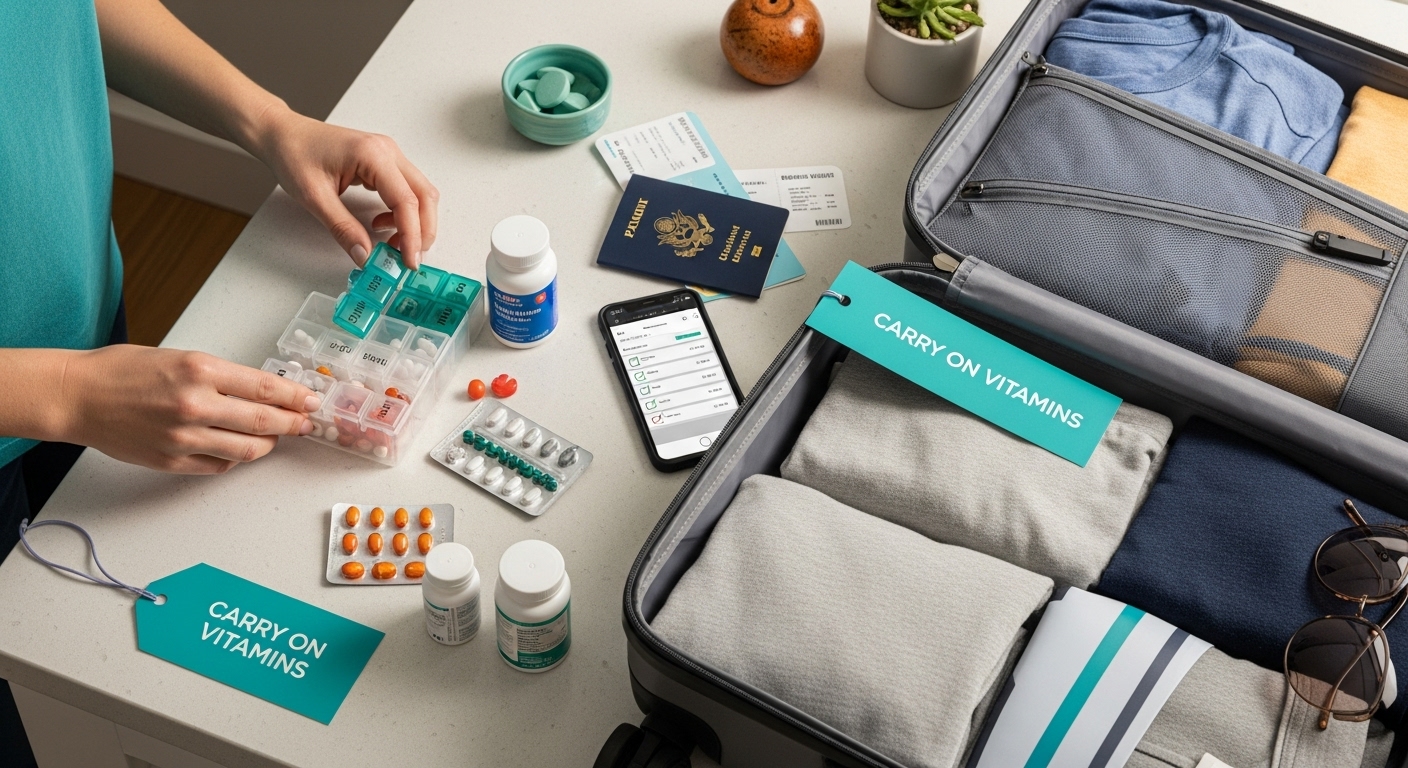
Packing for a trip often means cramming clothes, chargers, and maybe even a neck pillow into your carry on. But did you know that travelers can lose up to 30 percent of their immune response due to the physiological stress of flying? Most people toss a few random vitamins into their bag and hope for the best. The real secret is that choosing and organizing your carry on vitamins can be as personalized and strategic as planning your itinerary, and it can make all the difference in how you feel when you reach your destination.
Table of Contents
- Step 1: Evaluate Your Nutritional Needs
- Step 2: Research Suitable Carry On Vitamins
- Step 3: Select Your Vitamins for Travel
- Step 4: Organize Your Carry On Vitamins Properly
- Step 5: Track Your Vitamin Intake While Traveling
Quick Summary
| Key Point | Explanation |
|---|---|
| 1. Assess Your Nutritional Needs | Evaluate your unique health factors to identify deficiencies and specific nutritional gaps that require attention. |
| 2. Conduct In-Depth Research | Investigate vitamin options using reliable sources to ensure effectiveness and proper absorption rates tailored to your needs. |
| 3. Choose Travel-Friendly Vitamins | Select compact, lightweight supplements that maintain potency and support your health during travel, considering different environments. |
| 4. Organize Vitamins for Accessibility | Use effective containers and labeling systems to protect your vitamins and ensure easy access while traveling. |
| 5. Track Vitamin Intake Consistently | Utilize digital tools for accurate supplement tracking, adjusting for time changes and travel disruptions to maintain nutritional balance. |
Step 1: Evaluate Your Nutritional Needs
Understanding your unique nutritional requirements is the foundational cornerstone of effective supplement planning. Carry on vitamins are not a one-size-fits-all solution, but a personalized approach to supporting your individual health profile. This critical first step involves a comprehensive assessment of your current health status, lifestyle factors, and specific nutritional gaps.
Understanding Your Personal Health Landscape
Begin by conducting a thorough self-evaluation that goes beyond surface-level observations. Your nutritional needs are as unique as your fingerprint, influenced by multiple factors including age, gender, activity level, existing health conditions, and dietary habits. Gather critical information through a systematic approach that combines multiple assessment methods.
Start with a detailed health inventory. Track your typical daily diet, noting areas where nutrition might be lacking. Are you consuming sufficient fruits, vegetables, lean proteins, and whole grains? Many individuals discover significant nutritional deficiencies simply by documenting their current eating patterns. Consider using a digital food tracking app to get precise insights into your micronutrient intake.
A comprehensive blood test provides the most scientifically accurate snapshot of your current nutritional status. According to the Mayo Clinic, standard blood panels can reveal critical information about vitamin and mineral levels, helping you identify specific deficiencies that might require targeted supplementation.
Consider these key factors when evaluating your nutritional needs:
- Chronic health conditions
- Dietary restrictions or preferences
- Stress levels and sleep quality
- Physical activity and fitness goals
- Age and gender-specific nutritional requirements
Consult with a healthcare professional who can provide personalized guidance. While self-assessment is valuable, professional insight ensures a more nuanced understanding of your specific nutritional landscape. A registered dietitian or functional medicine practitioner can help interpret your health data and recommend precise carry on vitamin strategies tailored to your unique physiological needs.
Successful nutritional evaluation means having a clear, data-driven understanding of your body’s current state and potential deficiencies. By approaching this step methodically, you transform supplement selection from a guessing game into a strategic, informed decision-making process.
Step 2: Research Suitable Carry On Vitamins
Researching suitable carry on vitamins transforms your supplement strategy from random selection to a targeted, scientifically informed approach. This critical step bridges the gap between understanding your nutritional needs and selecting precise supplementation that supports your health goals.
Navigating the complex world of vitamins requires a systematic research methodology. Begin by exploring reputable scientific sources that provide evidence-based information about vitamin efficacy, absorption rates, and potential interactions. According to the National Institutes of Health Office of Dietary Supplements, not all vitamin supplements are created equal, and individual requirements vary significantly.
Develop a comprehensive research strategy that examines multiple dimensions of potential carry on vitamins. Investigate the bioavailability of different vitamin forms, understanding that some molecular structures are more readily absorbed by your body than others. For instance, methylcobalamin is often more efficiently utilized compared to cyanocobalamin for vitamin B12 supplementation.
Quality assessment becomes paramount during your research phase. Look beyond marketing claims and examine third-party testing certifications, ingredient sourcing, and manufacturing standards. Seek supplements produced in facilities that follow Good Manufacturing Practices (GMP), which ensure consistent quality and safety.
Consider these critical research parameters when evaluating carry on vitamins:
- Ingredient transparency and complete nutritional profiles
- Scientific validation of health claims
- Potential interactions with existing medications
- Manufacturing and quality control standards
- Independent laboratory testing results
Leverage digital resources strategically during your research. Professional medical databases, scholarly publications, and expert-curated nutrition platforms offer nuanced insights beyond typical consumer websites. Nutrition forums and professional health communities can provide real-world experiences and expert perspectives that complement academic research.
Successful vitamin research means developing a comprehensive understanding of supplement composition, potential benefits, and individual compatibility. By approaching this step with intellectual curiosity and methodical investigation, you transform supplement selection from a guessing game into an informed, personalized health optimization strategy.
Step 3: Select Your Vitamins for Travel
Selecting the right carry on vitamins for travel transforms your supplementation strategy from a static routine to a dynamic, adaptive approach. This crucial step requires careful consideration of your destination, travel duration, physical demands, and potential environmental challenges that might impact your nutritional needs.
Below is a comparison table to help you evaluate critical factors you should consider when selecting suitable carry on vitamins for travel based on the article’s recommendations.
| Factor | Why It Matters | Article Insight |
|---|---|---|
| Packaging Type | Protects from moisture and damage | Blister packs or moisture-resistant containers maintain potency during travel |
| Portability | Saves space and reduces weight | Choose compact, lightweight supplements or consolidated multivitamin options |
| Immune System Support | Helps counteract travel-related stress | Prioritize vitamins that boost immune resilience and help adapt to new environments |
| Nutritional Coverage | Ensures balanced intake | Select broad-spectrum formulas for comprehensive support |
| Compatibility | Works with dietary changes or restrictions | Review ingredient lists and nutritional profiles for flexibility |
| Environmental Resistance | Maintains supplement effectiveness | Sealed, durable containers help cope with climate or altitude changes |
Portability and practicality become paramount when choosing travel-friendly vitamin supplements. Opt for compact, lightweight formulations that minimize space and weight in your luggage. Consider consolidated multivitamin options or travel-sized packaging that maintains nutritional potency while reducing bulk. Blister packs or individually sealed packets offer excellent protection against moisture and environmental degradation, ensuring your supplements remain effective throughout your journey.
According to research published in the medical journal Nutrients, travelers experience increased physiological stress that can compromise immune function and metabolic balance. This insight underscores the importance of selecting vitamins that support immune resilience, energy metabolism, and adaptability to changing environmental conditions.
Evaluate your specific travel context when making selections. Different destinations present unique nutritional challenges. Tropical environments might require additional immune support, while high-altitude destinations could necessitate supplements that enhance oxygen utilization and combat potential altitude-related fatigue. Consider factors like climate, altitude, potential dietary restrictions, and anticipated physical activity levels.
Consider these critical factors when selecting carry on vitamins:
- Compact and lightweight packaging
- Sealed, moisture-resistant containers
- Broad-spectrum nutritional support
- Immune system enhancement
- Compatibility with potential dietary changes
Practical packaging strategies can significantly enhance your travel vitamin experience. Invest in small, durable containers or pill organizers designed specifically for travel. Some advanced options feature compartmentalized sections, UV protection, and humidity-resistant seals. Color-coded or labeled sections can help you maintain consistent supplementation schedules across different time zones.
Successful vitamin selection for travel means creating a personalized nutritional toolkit that adapts to your journey’s unique demands. By approaching this step with strategic foresight, you transform your supplements from passive support to an active component of your travel wellness strategy.
Step 4: Organize Your Carry On Vitamins Properly
Organizing carry on vitamins is a critical step that bridges strategic selection with practical implementation. Proper organization ensures not just convenience, but also maintains the integrity of your supplements throughout your travel journey, protecting them from environmental factors and potential damage.
The art of vitamin organization goes far beyond simple storage – it involves creating a systematic approach that guarantees accessibility, maintains potency, and complies with travel regulations. Begin by selecting travel containers specifically designed for supplement transportation. Look for options that are compact, durable, and provide protection against moisture, temperature fluctuations, and potential physical impact during transit.
Consider investing in specialized pill organizers with multiple compartments that allow precise daily dosing.
These containers often feature secure, twist-lock mechanisms that prevent accidental spillage while providing clear labeling options. Some advanced models include additional features like UV protection and humidity-resistant seals, which can be particularly beneficial for maintaining vitamin efficacy during extended travel periods.
Navigation of transportation security requirements becomes a crucial consideration in your organization strategy. Prepare documentation that clearly identifies your supplements, such as original packaging or physician prescriptions. This documentation can expedite security screenings and prevent potential complications. For international travel, research specific regulations regarding vitamin and supplement transportation in your destination country to ensure compliance.
Consider these critical organization parameters:
- Compact, secure storage solutions
- Clear labeling and documentation
- Protection from environmental factors
- Easy accessibility during travel
- Compliance with transportation regulations
Digital tools can enhance your vitamin organization process. Many smartphone apps now offer tracking features that help you monitor supplement intake, set reminders, and maintain consistent dosing schedules across different time zones. These technological solutions transform organization from a static process to a dynamic, interactive experience that adapts to your travel needs.
Maintain a backup plan for potential organizational challenges. Consider carrying a small emergency supply of vitamins in your personal carry-on item, separate from your primary storage. This strategy provides redundancy and ensures continued nutritional support even if your primary supplement container is misplaced or delayed.
Successful vitamin organization means creating a personalized system that protects your supplements while providing seamless, stress-free access throughout your journey. By approaching this step with strategic foresight and attention to detail, you transform supplement management from a potential source of travel anxiety into a smooth, well-executed component of your travel wellness plan.
The following checklist table summarizes essential steps and requirements for successfully organizing your carry on vitamins for travel, highlighting compliance and accessibility based on the article’s guidance.
| Organizational Step | Requirement | Intended Benefit |
|---|---|---|
| Use Secure Storage Containers | Compact, moisture-resistant, durable | Protect supplements from damage and environmental exposure |
| Label and Document Supplements | Clear labeling, bring documentation or prescriptions | Expedite security and comply with travel regulations |
| Ensure Easy Access | Organizers with compartments, easy-to-open features | Simplify daily dosing on the go |
| Maintain Backup Supply | Separate emergency stash in carry-on item | Redundancy in case of loss or delay |
| Protect from Environmental Factors | UV and humidity-resistant options | Maintain potency through fluctuating conditions |
| Verify Regulatory Compliance | Research destination rules | Prevent travel complications and delays |
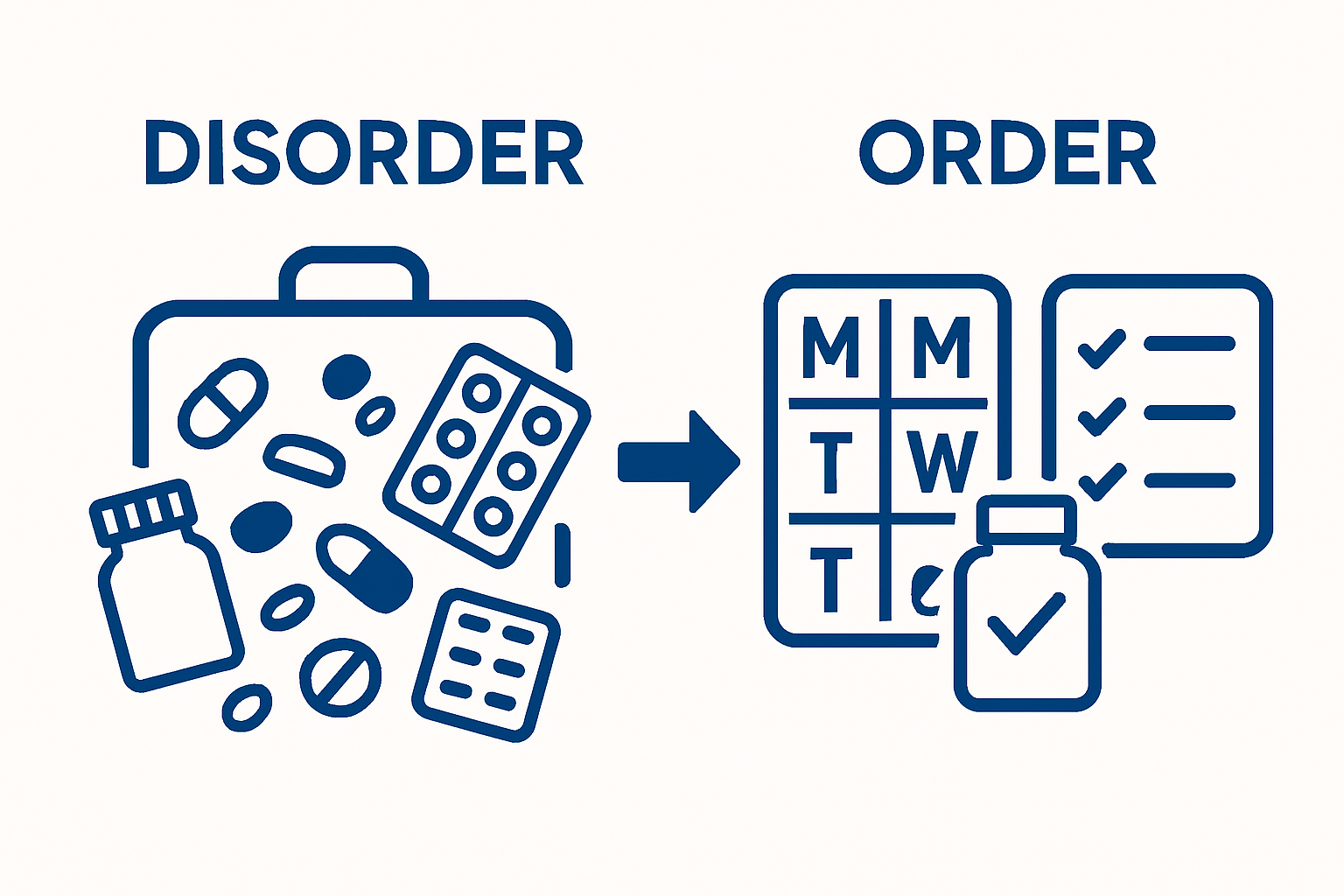
Step 5: Track Your Vitamin Intake While Traveling
Tracking your carry on vitamins during travel transforms supplement management from a passive routine into an active health optimization strategy. This critical step ensures consistent nutritional support while navigating the unpredictable landscape of travel, where dietary patterns and physiological demands can fluctuate dramatically.
Digital technology offers unprecedented precision in vitamin intake tracking. Leverage smartphone applications designed specifically for supplement monitoring, which provide real-time tracking, personalized reminder systems, and comprehensive intake logs. These tools can synchronize across multiple devices, allowing you to maintain consistent documentation even when traveling through different time zones or experiencing irregular schedules.
According to the National Institutes of Health, maintaining an accurate record of supplement intake is crucial for preventing potential nutritional imbalances. Create a systematic approach that combines digital tracking with manual verification, ensuring no doses are accidentally missed or duplicated during your journey.
Design a tracking method that accommodates the unique challenges of travel. Consider creating a simple, visual tracking system alongside digital tools. A compact travel journal or digital spreadsheet can serve as a backup documentation method, allowing you to cross-reference your supplement intake and identify any potential gaps in your nutritional strategy.
Consider these critical tracking parameters:
- Consistent daily documentation
- Multiple tracking methods (digital and manual)
- Time zone adjustment strategies
- Backup documentation systems
- Intake verification mechanisms
Understand that travel introduces numerous variables that can disrupt your typical supplement routine. Jet lag, changing meal schedules, and altered sleep patterns can complicate consistent vitamin intake. Develop flexible tracking strategies that account for these potential disruptions. Set multiple daily reminders, use time zone conversion features in tracking apps, and create contingency plans for missed doses.
Establish a verification routine that goes beyond simple tracking. Periodically assess how your body responds to the vitamins during travel. Pay attention to energy levels, immune function, and overall well-being. This holistic approach transforms tracking from a mechanical process into an adaptive, responsive health management strategy.
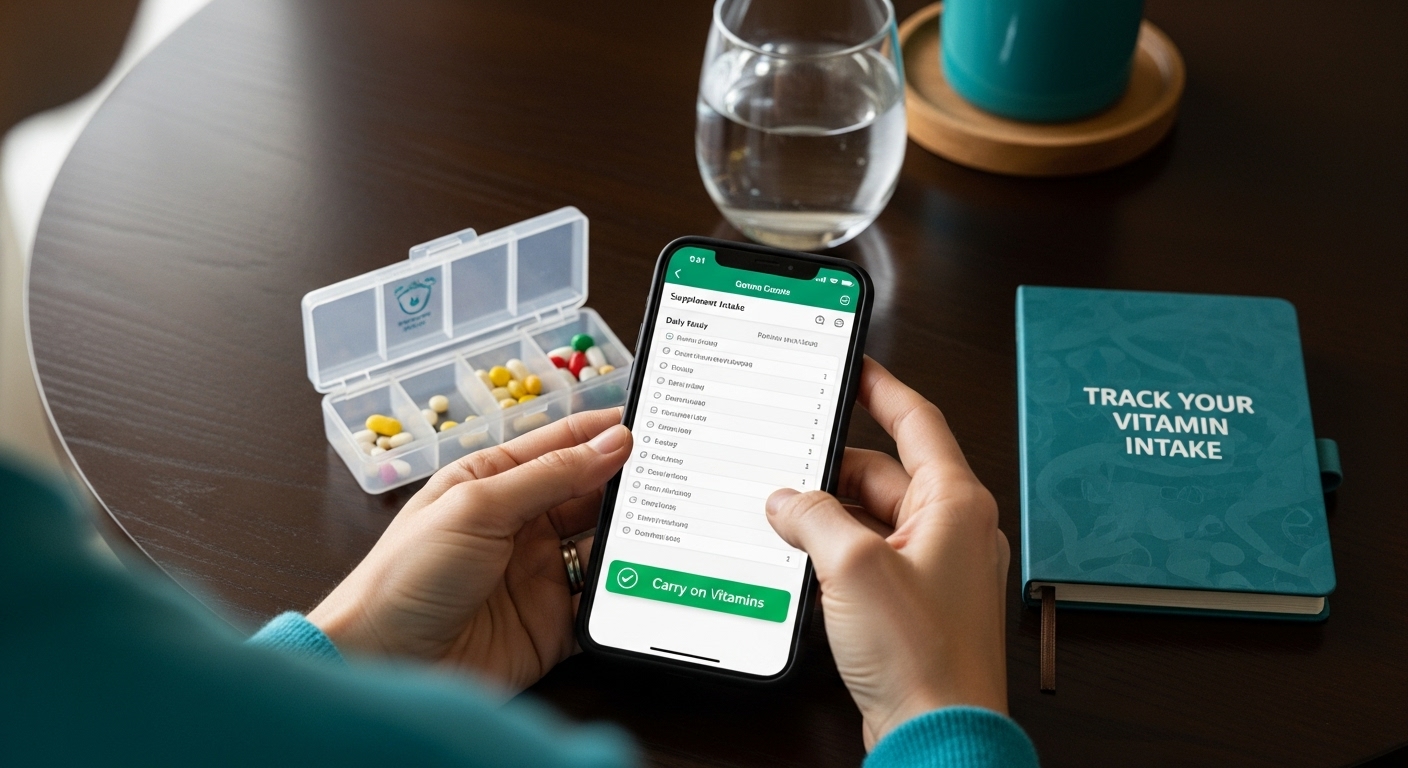
Successful vitamin intake tracking means creating a dynamic, responsive system that maintains nutritional consistency despite the unpredictable nature of travel. By approaching this step with technological savvy and strategic flexibility, you ensure your carry on vitamins become a reliable companion throughout your journey.
Turn Your Carry On Vitamins Routine into a Fully Personalized Health Solution
Your travel just highlighted how complex managing vitamins and supplements can be. From evaluating nutritional gaps to staying consistent while on the move, every step in your journey demands precision and adaptability. Yet, guessing which vitamins to bring or missing doses due to travel chaos can leave you stressed and uncertain about your health progress.
Stop relying on generic advice and make every supplement count. Menalam empowers you with a science-backed, AI-driven approach to nutrition. Take a quick health quiz and instantly receive personalized vitamin recommendations that consider your lifestyle, unique health profile, and even blood test results. Track your vitamin intake with the smart Menalam app, get timely reminders, and enjoy ongoing plan adjustments as your needs evolve. If you want real travel wellness that fits your life, visit Menalam now and get started with your own custom supplement solution. Make every journey healthier, safer, and easier—act now and optimize your health, wherever life takes you.
Frequently Asked Questions
What are carry on vitamins?
Carry on vitamins are dietary supplements designed to support your health and nutritional needs while traveling. They can help compensate for dietary gaps, boost immune function, and maintain energy levels in varying environments.
How do I determine which vitamins I need for travel?
To determine which vitamins you need for travel, first evaluate your nutritional requirements based on factors like age, gender, activity level, and any existing health conditions. Conduct a comprehensive health assessment, possibly including a blood test, and consult with a healthcare professional for personalized guidance.
What are some tips for organizing carry on vitamins while traveling?
Organizing carry on vitamins involves using compact, moisture-resistant containers, labeling your supplements clearly, and ensuring easy access during travel. Consider compartments with twist-lock mechanisms and have backup documentation to comply with transportation regulations.
How can I track my vitamin intake while on the go?
Tracking your vitamin intake while traveling can be effectively done using digital apps designed for supplement monitoring. Maintain consistent daily documentation and consider manual verification methods, such as a travel journal, to ensure you don’t miss or duplicate doses.
Leave a Reply