

Vitamin D is often labeled as the ‘sunshine vitamin’ yet its powers go far beyond what most people think. While plenty of folks link it only with strong bones, the story gets way bigger. Nearly every cell in your body carries vitamin D receptors, and deficiency rates in some populations reach over 40 percent worldwide. This means your mood, immune system, and daily energy might rely on something as simple as sunlight or your next meal.
Table of Contents
- What Is Vitamin D And Its Role In The Body?
- Why Vitamin D Is Essential For Overall Health?
- How Vitamin D Influences Immune Function And Mood
- What Are The Consequences Of Vitamin D Deficiency?
- How To Ensure Adequate Vitamin D Levels Naturally
Quick Summary
| Takeaway | Explanation |
|---|---|
| Vitamin D is vital for health. | It functions like a hormone, influencing various body processes including immunity and bone health. |
| Sunlight is the main source. | Skin produces vitamin D when exposed to UVB rays; aim for 10-30 minutes of moderate exposure weekly. |
| Deficiency can lead to serious issues. | Insufficient levels may cause bone disorders, immune dysfunction, and mental health problems, highlighting the need for adequate levels. |
| Diet is essential for supplementation. | Include vitamin D-rich foods like fatty fish, fortified products, and mushrooms in your diet to boost levels. |
| Consider personal factors for absorption. | Age, skin type, and lifestyle impact vitamin D production and needs, requiring tailored strategies for maintenance. |
What is Vitamin D and Its Role in the Body?
Vitamin D represents a critical nutrient essential for maintaining optimal human health. Unlike many other vitamins, it functions more like a hormone, influencing numerous physiological processes throughout the body. This unique vitamin plays a pivotal role in supporting bone health, immune function, and cellular regulation.
Below is a comparison table outlining the two primary forms of vitamin D mentioned in the article, their sources, and effectiveness in maintaining vitamin D levels.
| Form | Biological Name | Common Sources | Effectiveness in the Body |
|---|---|---|---|
| Vitamin D2 | Ergocalciferol | Plant sources, some fortified foods | Less effective at raising vitamin D levels |
| Vitamin D3 | Cholecalciferol | Animal sources, sunlight, fortified foods | More effective at raising and maintaining levels |
The Biological Nature of Vitamin D
Vitamin D exists in two primary forms: vitamin D2 (ergocalciferol) and vitamin D3 (cholecalciferol). While both contribute to overall health, vitamin D3 is considered more effective in raising and maintaining vitamin D levels in the body. The human body can produce vitamin D naturally when skin is exposed to sunlight, specifically ultraviolet B (UVB) rays, making it somewhat distinctive among essential nutrients.
The process of vitamin D activation is intricate. After initial production or intake, the vitamin undergoes two hydroxylation processes in the body. First, it is converted in the liver to 25-hydroxyvitamin D, and then in the kidneys to the physiologically active form 1,25-dihydroxyvitamin D (calcitriol). This final form enables the vitamin to interact with vitamin D receptors throughout various bodily systems.
Critical Physiological Functions
The importance of vitamin D extends far beyond bone health. According to National Institutes of Health, this vital nutrient performs multiple crucial functions:
- Facilitates calcium absorption in the gut
- Maintains proper calcium and phosphate blood concentrations
- Supports bone mineralization and growth
- Reduces inflammation
- Modulates cell growth
- Supports immune system function
- Helps regulate neuromuscular processes
Interestingly, vitamin D receptors are found in nearly every cell type, underscoring its widespread significance in human physiology. This comprehensive distribution allows vitamin D to influence gene expression and contribute to multiple complex bodily processes beyond traditional understanding of vitamins as simple nutritional compounds.
Understanding vitamin D’s multifaceted role highlights why maintaining adequate levels is crucial for overall health and wellness. From supporting strong bones to bolstering immune responses, this remarkable nutrient plays an indispensable role in human biological functioning.
Why Vitamin D is Essential for Overall Health?
Vitamin D represents far more than a simple nutrient. It acts as a critical cornerstone of human health, influencing numerous bodily systems and playing a fundamental role in maintaining physiological balance and wellness.
Immune System and Disease Prevention
One of the most significant aspects of vitamin D is its profound impact on immune function. Vitamin D receptors are present in nearly all immune cells, enabling this nutrient to modulate both innate and adaptive immune responses. Research from the National Institutes of Health indicates that adequate vitamin D levels can help reduce the risk of developing chronic inflammatory conditions and support the body’s natural defense mechanisms.
The immune-regulating properties of vitamin D are particularly remarkable. It helps activate T cells, which are critical in identifying and fighting potential pathogens. Moreover, vitamin D can suppress excessive inflammatory responses, potentially reducing the risk of autoimmune disorders and chronic inflammatory diseases.
Cardiovascular and Metabolic Health
Beyond immune function, vitamin D plays a crucial role in cardiovascular and metabolic health. Low vitamin D levels have been consistently associated with increased risks of:
- Hypertension
- Heart disease
- Type 2 diabetes
- Metabolic syndrome
- Increased cardiovascular inflammation
The nutrient helps regulate blood pressure, supports healthy blood vessel function, and contributes to insulin sensitivity. By maintaining proper vitamin D levels, individuals can potentially mitigate risks associated with these serious health conditions.
Mental Health and Cognitive Function
Emergent research suggests vitamin D’s significant impact on mental health and cognitive performance. Vitamin D receptors are present in brain regions responsible for mood regulation and cognitive processing. Deficiencies have been linked to increased risks of depression, seasonal affective disorder, and potential cognitive decline.
The neurological benefits of vitamin D extend to supporting neurotransmitter production, protecting neural cells, and potentially reducing neuroinflammation.
This highlights the vitamin’s role not just in physical health, but in maintaining robust mental and cognitive wellness.
How Vitamin D Influences Immune Function and Mood
Vitamin D transcends its traditional role as a simple nutrient, emerging as a critical modulator of complex physiological processes that directly impact immune system functionality and mental health. Its intricate interactions with cellular mechanisms reveal a profound connection between nutritional status and overall human wellness.
Immune System Modulation
Research from the National Institutes of Health demonstrates vitamin D’s remarkable ability to regulate immune responses. This vitamin acts as a sophisticated immunomodulator, influencing both innate and adaptive immune systems through multiple sophisticated mechanisms. Vitamin D receptors are present in virtually all immune cells, enabling direct interactions that help balance inflammatory responses and support robust immune defense.
The immunological impact of vitamin D is particularly significant in its ability to:
- Activate critical T cell responses
- Regulate inflammatory cytokine production
- Enhance pathogen recognition mechanisms
- Support natural antimicrobial peptide generation
- Prevent excessive inflammatory reactions
Through these complex interactions, vitamin D helps maintain a delicate balance between immune system activation and prevention of potentially harmful overreactions.
Neurological and Mood Regulation
Vitamin D’s influence extends deeply into neurological functioning, with receptors distributed across brain regions responsible for mood regulation and cognitive processing. Emerging scientific evidence suggests a strong correlation between vitamin D levels and mental health outcomes. Low vitamin D concentrations have been consistently linked with increased risks of depression, seasonal affective disorder, and potential cognitive decline.
The neurochemical mechanisms underlying vitamin D’s mood-related impacts involve:
- Supporting neurotransmitter production
- Protecting neural cell structures
- Reducing neuroinflammation
- Promoting neuroplasticity
- Regulating calcium signaling in brain cells
These intricate processes highlight vitamin D’s role as more than a simple nutrient, positioning it as a critical factor in maintaining comprehensive neurological and psychological wellness. Understanding these complex interactions underscores the importance of maintaining optimal vitamin D levels for holistic health management.
What are the Consequences of Vitamin D Deficiency?
Vitamin D deficiency represents a silent yet potentially profound health challenge that can undermine multiple physiological systems. Understanding the extensive implications of insufficient vitamin D levels is crucial for proactive health management and prevention of serious medical conditions.
The following table summarizes key health consequences associated with vitamin D deficiency, organized by body system for easier understanding.
| System | Health Consequences |
|---|---|
| Musculoskeletal | Rickets (children), osteomalacia (adults), fractures, weak muscles |
| Immune | Higher infection rates, increased chronic inflammation risk |
| Metabolic | Greater type 2 diabetes risk, potential insulin resistance, elevated cardiovascular disease potential |
| Neurological | Mood disorders, increased depression risk, cognitive decline |
Musculoskeletal System Complications
The most immediate and recognizable consequences of vitamin D deficiency manifest in the musculoskeletal system. National Institutes of Health research highlights the critical role of vitamin D in bone metabolism and structural integrity. Chronic deficiency can lead to significant bone health complications including:
- Rickets in children (causing skeletal deformities)
- Osteomalacia in adults (softening of bones)
- Increased risk of fractures
- Reduced bone mineral density
- Compromised muscle strength and coordination
These musculoskeletal challenges emerge because vitamin D is fundamental to calcium absorption and bone mineralization. Without adequate levels, the body struggles to maintain proper bone density and muscle function.
Immune and Metabolic Disruptions
Beyond bone health, vitamin D deficiency creates cascading effects across immune and metabolic systems. Reduced vitamin D levels can significantly compromise immune responses, increasing susceptibility to infections and potentially contributing to chronic inflammatory conditions. Metabolic implications are equally concerning:
- Higher risk of type 2 diabetes
- Increased cardiovascular disease potential
- Potential insulin resistance
- Compromised metabolic efficiency
- Greater inflammation markers
The intricate relationship between vitamin D and metabolic processes underscores how a single nutritional deficiency can trigger widespread physiological disruptions.
Neurological and Psychological Impacts
Emergent research reveals vitamin D’s profound neurological significance. Deficiency can potentially contribute to cognitive decline, mood disorders, and increased neuroinflammation. The presence of vitamin D receptors throughout brain regions suggests that insufficient levels might disrupt critical neurological functions.
Potential neurological consequences include increased risks of depression, seasonal affective disorder, potential cognitive impairment, and reduced neuroplasticity. These findings emphasize vitamin D’s role not just as a nutrient, but as a critical modulator of brain health and psychological well-being.
How to Ensure Adequate Vitamin D Levels Naturally
Achieving optimal vitamin D levels requires a multifaceted approach that combines strategic lifestyle choices, mindful nutrition, and understanding individual physiological needs. The path to maintaining healthy vitamin D concentrations involves more than simple supplementation.
Sunlight Exposure Strategies
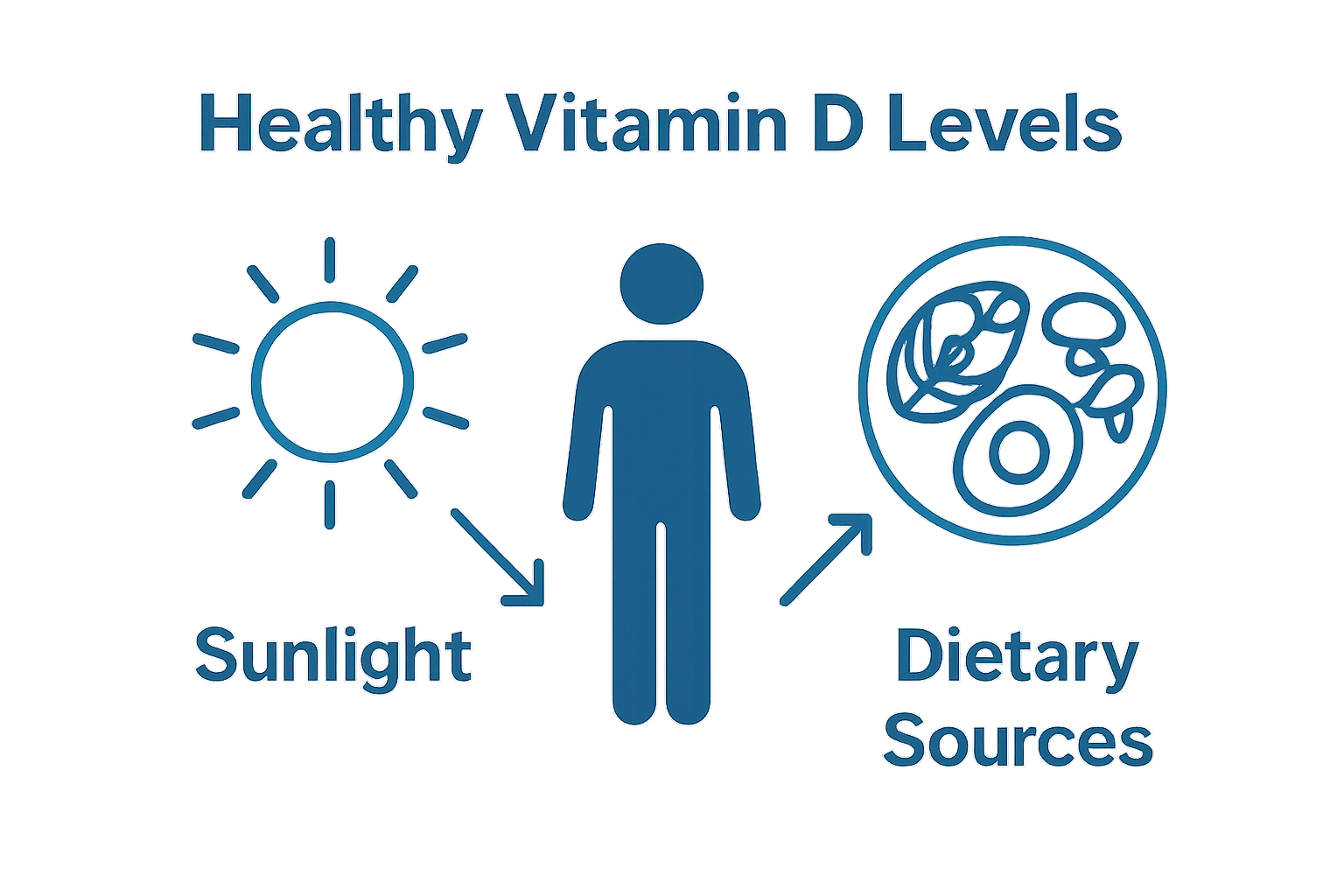
National Institutes of Health research emphasizes sunlight as the primary natural mechanism for vitamin D production. The human body synthesizes vitamin D3 when skin is directly exposed to ultraviolet B (UVB) rays. However, obtaining adequate exposure requires careful navigation of potential risks and individual factors:
- Aim for 10-30 minutes of midday sunlight, 2-3 times weekly
- Expose arms, legs, or back without sunscreen
- Consider time of day, season, and geographic latitude
- Avoid sunburn while obtaining moderate exposure
- Account for skin pigmentation variations
Individuals with darker skin require longer sun exposure to generate equivalent vitamin D levels compared to those with lighter skin tones. Geographic location and seasonal variations also significantly impact natural vitamin D synthesis.
Dietary Sources and Nutritional Approach
Nutrition plays a crucial role in supplementing natural vitamin D production. Certain foods provide substantial vitamin D content, helping individuals maintain optimal levels through diet:
- Fatty fish (salmon, mackerel, tuna)
- Cod liver oil
- Egg yolks
- Beef liver
- Fortified dairy products
- Fortified orange juice
- Mushrooms exposed to ultraviolet light
For those with limited dietary options or restricted sun exposure, strategic food choices become essential in maintaining vitamin D levels. Combining multiple dietary sources can help compensate for reduced natural synthesis.

Lifestyle and Environmental Considerations
Beyond direct nutritional intake, several lifestyle factors influence vitamin D absorption and production. Individuals living in urban environments, working indoors, or using extensive sun protection might require more intentional vitamin D strategies.
Considerations include understanding personal risk factors such as age, geographic location, skin pigmentation, and overall health status. People with limited mobility, those living in higher latitudes, or individuals with specific medical conditions might need more comprehensive approaches to maintaining adequate vitamin D levels.
Get Personalized Vitamin D Guidance for Your Health
Are you worried about the real consequences of vitamin D deficiency or struggling to understand if your current lifestyle and diet support optimal levels? This article highlights how vitamin D is essential for your bones, immunity, and mood, yet it can be tough to know how much you need or if you are truly getting enough.

With Menalam, you can move from guesswork to precision. Our AI-driven platform reviews your health profile and lifestyle to create a science-backed plan just for you. Take our quick health quiz to learn which supplements and routines truly fit your needs. Track your progress easily, adjust your plan as your body changes, and rely on expert insight every step of the way. Start now to make smart decisions about your vitamin D and overall nutrition with Menalam.
Frequently Asked Questions
What is Vitamin D and why is it important?
Vitamin D is a critical nutrient that functions more like a hormone, influencing various physiological processes in the body. It is essential for bone health, immune function, cellular regulation, and overall well-being.
How can I naturally increase my Vitamin D levels?
You can naturally increase your Vitamin D levels by getting sunlight exposure (aim for 10-30 minutes, 2-3 times a week), consuming dietary sources such as fatty fish, egg yolks, and fortified products, and ensuring you maintain a balanced diet.
What are the symptoms of Vitamin D deficiency?
Symptoms of Vitamin D deficiency may include fatigue, bone pain, muscle weakness, mood changes, and an increased risk of infections. Severe deficiency can lead to conditions like rickets in children and osteomalacia in adults.
How does Vitamin D affect my immune system?
Vitamin D plays a vital role in modulating the immune system. It helps activate T cells and regulates inflammatory responses, which can reduce the risk of autoimmune disorders and chronic inflammatory diseases.
Leave a Reply