

What you eat can do more than just fill you up. In fact, research from the Journal of Affective Disorders shows a direct link between your daily food choices and your emotional well-being. Most people try to boost their mood with treats or caffeine, but these quick fixes can backfire. True mood improvement is possible and it starts with everyday nutrition choices that actually change the way you feel.
Table of Contents
- Step 1: Assess Your Current Dietary Habits
- Step 2: Identify Mood-Boosting Foods
- Step 3: Create A Balanced Meal Plan
- Step 4: Incorporate Mood-Enhancing Snacks
- Step 5: Track Your Mood And Dietary Changes
- Step 6: Adjust And Optimize Your Diet Regularly
Quick Summary
| Key Point | Explanation |
|---|---|
| 1. Track Your Dietary Habits | Document everything you eat for a week while noting your mood and energy. This helps identify food mood correlations. |
| 2. Identify Mood-Boosting Foods | Incorporate foods rich in omega-3s, proteins, and complex carbohydrates to support emotional stability and brain health. |
| 3. Create a Balanced Meal Plan | Design meals with a variety of nutrients and maintain consistent meal timings to stabilize energy levels and mood. |
| 4. Include Mood-Enhancing Snacks | Choose snacks that combine protein, healthy fats, and complex carbohydrates to prevent blood sugar crashes and improve mood. |
| 5. Regularly Adjust Your Diet | Review dietary patterns every few weeks and make small changes based on how foods affect your mood for optimal well-being. |
Step 1: Assess Your Current Dietary Habits
Understanding your current dietary habits is the foundational step in learning how to improve mood through diet. This process involves carefully examining what you eat, when you eat, and how different foods impact your emotional well-being. By creating a comprehensive snapshot of your current nutritional intake, you will be better equipped to make targeted, strategic changes that can positively influence your mood.
Begin by documenting everything you consume for an entire week. Use a simple notebook or a digital tracking app to record not just meals, but also snacks, beverages, and even occasional treats. Pay special attention to your emotional state before and after eating. Note any patterns where specific foods seem to trigger mood changes, such as feeling sluggish after consuming heavy carbohydrates or experiencing a temporary energy boost followed by a sharp decline after sugary snacks.
As you track your diet, consider creating a basic food and mood journal. Research from the Journal of Affective Disorders suggests that dietary behavior directly correlates with emotional well-being. Your journal should include:
- Time of meal or snack
- Specific food items consumed
- Emotional state before and after eating
- Energy levels
- Any physical symptoms like bloating or headaches
This detailed documentation will help you identify potential nutritional triggers and gaps in your diet that might be contributing to mood fluctuations. Look for consistent patterns such as skipped meals, high processed food intake, or limited consumption of mood-stabilizing nutrients like omega-3 fatty acids, complex carbohydrates, and proteins.
The following checklist summarizes the essential components to track over one week when assessing your current dietary habits and mood, helping identify links between nutrition and emotional well-being.
| Tracking Component | What to Record | Why It Matters |
|---|---|---|
| Time of Meal or Snack | Note the exact time of each eating event | Helps identify patterns related to meal timing and mood |
| Specific Food Items | Record all foods and beverages consumed | Shows which foods may be related to mood changes |
| Emotional State | Describe mood before and after eating | Captures immediate emotional response to different foods |
| Energy Levels | Rate energy on a simple scale | Reveals links between food choices and energy fluctuations |
| Physical Symptoms | Note symptoms like bloating or headaches | Identifies possible physical triggers that impact your mood |
Once you have a week’s worth of data, review your journal objectively. Seek potential connections between your diet and emotional experiences. Are there days when you feel more balanced and energetic? What did you eat during those times? Conversely, analyze periods of low mood or increased anxiety and examine the corresponding dietary choices.
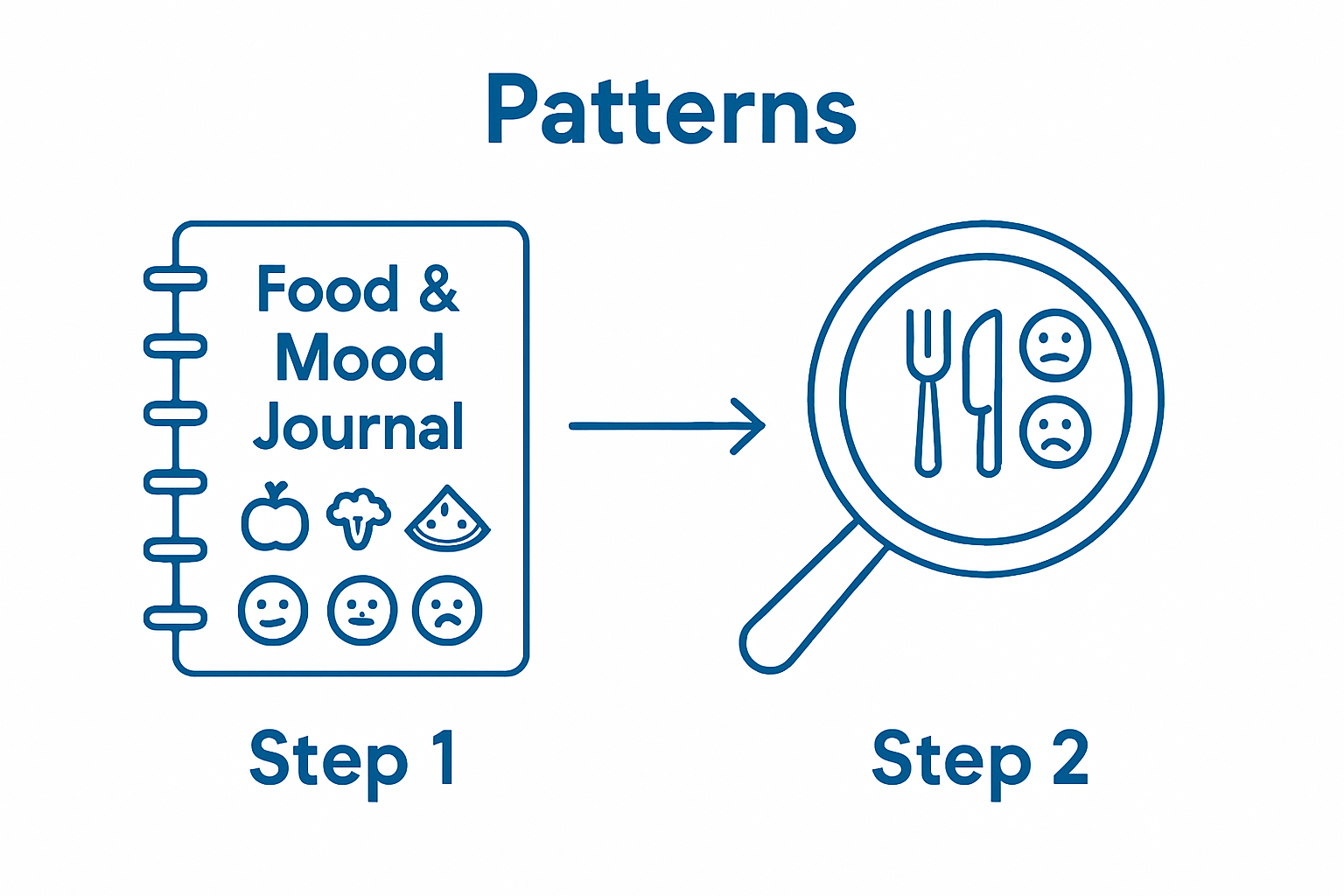
The goal of this assessment is not to create a restrictive eating plan but to develop a nuanced understanding of how nutrition impacts your mental state. By becoming a careful observer of your own dietary patterns, you’re taking the first critical step toward using food as a tool for emotional regulation and overall well-being.
Step 2: Identify Mood-Boosting Foods
Now that you have tracked your dietary habits, the next crucial step in learning how to improve mood through diet is identifying specific foods that can positively impact your emotional well-being. Not all foods are created equal when it comes to supporting mental health, and understanding which nutrients can help stabilize and elevate your mood is key to creating a transformative eating strategy.
Research from the journal Nutrients highlights several key nutritional categories that play a significant role in mood regulation. Focus on incorporating foods rich in omega-3 fatty acids, which are fundamental in supporting brain health and emotional stability. Salmon, mackerel, sardines, and certain types of fish are excellent sources. For those who do not consume fish, consider alternatives like chia seeds, flaxseeds, and walnuts that provide similar nutritional benefits.
Protein-rich foods are another critical component in mood management. These foods contain amino acids that help produce neurotransmitters like serotonin, which are directly linked to emotional balance. Lean proteins such as chicken, turkey, eggs, legumes, and tofu should become staples in your diet. These foods provide steady energy and help prevent blood sugar fluctuations that can trigger mood swings.
Complex carbohydrates are equally important in your mood-boosting nutrition strategy. Unlike simple sugars that cause rapid energy spikes and crashes, complex carbohydrates provide sustained energy and help regulate serotonin production. Whole grains like quinoa, brown rice, oats, and sweet potatoes are excellent choices. These foods not only provide essential nutrients but also help maintain a more stable emotional state throughout the day.
Probiotics and fermented foods deserve special attention in your mood-boosting food lineup. The gut-brain connection is powerful, and foods like yogurt, kefir, kimchi, and sauerkraut can help improve gut health, which directly influences mental well-being. These foods support the production of neurotransmitters and can help reduce inflammation, which is often linked to mood disorders.
As you integrate these mood-boosting foods, remember that variety and balance are key. No single food is a magic solution, but a diverse diet rich in these nutrients can significantly contribute to emotional stability. Experiment with different combinations, pay attention to how your body and mind respond, and be patient with yourself as you discover the nutritional pathways to improved mood.
This table provides an at-a-glance overview of mood-boosting food groups discussed in the article, including key examples and their benefits for emotional well-being.
| Food Group | Examples | Mood-Supporting Benefits |
|---|---|---|
| Omega-3 Fatty Acids | Salmon, mackerel, chia seeds | Support brain health, promote emotional stability |
| Lean Proteins | Chicken, turkey, eggs, tofu | Aid neurotransmitter production, steady energy |
| Complex Carbohydrates | Whole grains, oats, sweet potatoes | Provide sustained energy, regulate serotonin |
| Fermented Foods | Yogurt, kefir, kimchi, sauerkraut | Improve gut health, reduce inflammation |
| Nuts & Seeds | Walnuts, flaxseeds, pumpkin seeds | Offer healthy fats, support mood balance |
Step 3: Create a Balanced Meal Plan
Creating a balanced meal plan is your strategic approach to translating mood-boosting food knowledge into practical daily nutrition. This step transforms isolated food choices into a comprehensive strategy for emotional well-being. Your goal is to design a flexible, sustainable eating pattern that supports consistent mood regulation while providing essential nutrients your body and brain need.
Harvard T.H. Chan School of Public Health recommends a structured approach to meal planning that ensures nutritional diversity. Begin by visualizing your plate as a mood-supporting canvas divided into deliberate sections. Aim to fill half your plate with colorful vegetables and fruits, which provide critical vitamins, minerals, and antioxidants. The remaining half should be equally divided between lean proteins and complex carbohydrates, creating a balanced foundation for emotional stability.
Start your meal planning by dedicating time each week to strategic preparation. Sunday afternoons work well for many people as a planning and prep window. Review your mood journal from previous steps and identify patterns where certain food combinations made you feel more energetic and emotionally balanced. Use these insights to guide your meal selections. Batch cooking proteins, chopping vegetables, and preparing versatile base ingredients can transform your meal planning from overwhelming to manageable.
Consider developing a rotating menu of 7-10 core meals that you enjoy and that meet your nutritional requirements. This approach reduces decision fatigue and makes grocery shopping more straightforward. Include variety within this framework to prevent boredom. For instance, your protein sources might rotate between salmon, chicken, tofu, and legumes, while maintaining a consistent nutritional profile that supports mood regulation.
Meal timing is as crucial as meal composition. Aim to eat at consistent intervals to maintain stable blood sugar and prevent mood fluctuations. Plan for three balanced main meals and two strategic snacks that bridge nutritional gaps. These snacks should combine proteins, healthy fats, and complex carbohydrates to provide sustained energy and prevent sudden emotional dips.
Remember that your meal plan is a living document. Be kind to yourself and build in flexibility. Some weeks will be more structured than others, and that’s perfectly acceptable. The key is consistent progress, not perfection. Regularly review and adjust your plan based on how different foods make you feel, continuing to refine your approach to using nutrition as a tool for emotional well-being.

Step 4: Incorporate Mood-Enhancing Snacks
Snacks are not just mini-meals but strategic opportunities to support your emotional well-being and maintain consistent energy levels throughout the day. Choosing the right snacks can be a powerful tool in regulating mood, preventing energy crashes, and providing essential nutrients that support brain function and emotional stability.
Research published in the British Journal of Nutrition suggests that the type of snack you consume can significantly impact your mental state. Unlike processed or sugar-laden options that provide temporary relief, mood-enhancing snacks work to stabilize your emotional landscape by delivering consistent nutrition that supports neurotransmitter production and brain health.
Design your snack strategy around combinations that include protein, healthy fats, and complex carbohydrates. These macronutrients work together to provide sustained energy and prevent the rapid blood sugar fluctuations that can trigger mood swings. Consider creating snack packs in advance, making it easy to grab nutritionally balanced options when hunger strikes. Some excellent mood-supporting snack combinations include Greek yogurt with berries, apple slices with almond butter, hard-boiled eggs with a small handful of nuts, or hummus with vegetable sticks.
Tryptophan-rich foods deserve special attention in your snack planning. These foods contain an amino acid that helps produce serotonin, the neurotransmitter responsible for feelings of happiness and well-being. Incorporate snacks like pumpkin seeds, bananas, chicken, turkey, and soybeans. A small turkey and avocado roll-up or a banana with a tablespoon of nut butter can provide a tryptophan boost that supports emotional balance.
Timing is crucial when it comes to mood-enhancing snacks. Plan to eat a nutritionally balanced snack approximately halfway between your main meals, typically around mid-morning and mid-afternoon. These strategic snack times help prevent blood sugar dips that can lead to irritability, fatigue, and poor emotional regulation. Listen to your body and adjust snack timing based on your personal energy patterns and hunger cues.
Remember that snack preparation is an act of self-care. By thoughtfully selecting and preparing mood-supporting snacks, you’re demonstrating a commitment to your emotional and physical well-being. Experiment with different combinations, pay attention to how various snacks make you feel, and be willing to adapt your approach as you discover what works best for your unique nutritional needs.
Step 5: Track Your Mood and Dietary Changes
Tracking your mood and dietary changes transforms your approach to emotional well-being from passive observation to active management. This step is about creating a deliberate, scientific approach to understanding the intricate relationship between what you eat and how you feel. By systematically documenting your nutritional intake and emotional states, you’ll develop unprecedented insights into your personal wellness journey.
Research on digital self-monitoring highlights the power of consistent tracking in supporting dietary and emotional changes. Choose a tracking method that feels comfortable and sustainable for you. Digital apps can be excellent tools, but a simple notebook works just as well. The key is consistency and honest, detailed documentation.
Design your tracking system to capture multiple dimensions of your experience. Beyond simply logging meals, record your emotional state before and after eating, energy levels, sleep quality, and any physical sensations. Create a rating scale for mood, perhaps from 1-10, where 1 represents significant emotional distress and 10 represents peak emotional well-being. This numerical approach helps you quantify subtle shifts that might otherwise go unnoticed.
Schedule specific times for tracking to make it a habit. Many people find success with morning and evening check-ins, allowing them to capture both immediate and long-term impacts of dietary choices. Include specific details like meal composition, portion sizes, time of consumption, and accompanying emotional states. Note any external stressors or lifestyle factors that might influence your mood, as these provide crucial context for understanding your nutritional responses.
Look for emerging patterns in your tracking data. Are there specific foods that consistently correlate with improved mood? Do certain meal combinations seem to trigger emotional dips? Pay attention to trends that extend beyond individual days, watching for weekly or monthly rhythms in your nutritional and emotional landscape. Your tracking becomes a personalized research project, with you as both the scientist and the subject.
Remember that tracking is not about perfection but about continuous learning. Some days will be more consistent than others, and that’s completely normal. Approach your tracking with curiosity and compassion, viewing each entry as valuable information that brings you closer to understanding your unique nutritional and emotional ecosystem. Your commitment to this process is itself a significant step toward improved mental well-being.
Step 6: Adjust and Optimize Your Diet Regularly
Optimizing your diet for mood is not a one-time event but a dynamic, ongoing process of continuous refinement and personal discovery. Your dietary approach should be as adaptable as your own emotional landscape, responding to changes in your lifestyle, stress levels, physical health, and personal goals. This step is about developing a flexible, responsive nutritional strategy that evolves with you.
Research on dietary interventions suggests that different dietary patterns can significantly impact mood, making regular adjustment crucial. Review your mood and dietary tracking data every four to six weeks, looking for consistent patterns and subtle shifts in your emotional well-being. This review is not about pursuing perfection but about understanding your unique nutritional needs and how they change over time.
During your review, pay attention to both positive and challenging patterns. Celebrate the dietary approaches that have supported your emotional stability and be equally curious about meals or combinations that seemed to trigger mood fluctuations. This balanced perspective transforms dietary optimization from a rigid process into a compassionate journey of self-understanding. Consider factors beyond just food composition, such as meal timing, portion sizes, and the context in which you consume your meals.
Be prepared to make incremental adjustments rather than dramatic overhauls. Small, sustainable changes are more likely to become lasting habits. If you notice that your current approach isn’t delivering the mood stability you desire, experiment with subtle modifications. This might mean adjusting macronutrient ratios, introducing new mood-supporting foods, or restructuring your meal timing to better support your energy levels and emotional balance.
Remember that your body is a complex, dynamic system. Factors like seasonal changes, stress levels, physical activity, and hormonal fluctuations can all influence how your diet impacts your mood. Stay flexible and view your nutritional strategy as a living document that requires periodic reassessment. Consult with healthcare professionals or nutritionists if you encounter persistent challenges or want more personalized guidance.
Ultimately, the goal of regular dietary optimization is to develop a profound, intuitive understanding of how nutrition intersects with your emotional well-being. Approach this process with curiosity, patience, and self-compassion. Your willingness to observe, learn, and adapt is the most powerful tool in creating a diet that truly supports your mood and overall quality of life.
Ready to Turn Food Awareness Into Real Mood Change?
After exploring how every food choice can impact your mood, you may be realizing that tracking what you eat and how you feel is just the start. But consistently identifying the exact nutrients you need, fine-tuning your diet, and making ongoing adjustments can quickly feel overwhelming without personalized support. Many readers find themselves stuck wondering what supplements really fit their unique health profile or how to optimize their nutrition strategy beyond guesswork.
Why settle for a generic approach when you can experience a truly tailored solution? Try Menalam’s smart nutrition platform and discover:
- Personalized supplement plans based on your health data and daily habits
- Easy tracking of your dietary changes and emotional ups and downs through a mobile app
- Recommendations grounded in the same science-backed insights you read about in this guide
Do not wait for the next mood swing or frustrating food confusion. Take the next step now and start your personalized health quiz to unlock the benefits of smarter nutrition and a more balanced mindset today.
Frequently Asked Questions
How can I assess my current dietary habits to improve my mood?
To assess your dietary habits, document everything you consume for one week, including meals, snacks, and beverages. Note your emotional state before and after eating and look for patterns that link specific foods to mood changes.
What types of foods can boost my mood?
Foods rich in omega-3 fatty acids (like salmon and flaxseeds), lean proteins (such as chicken and tofu), complex carbohydrates (like whole grains and sweet potatoes), and fermented foods (like yogurt and sauerkraut) are known to support mood and emotional well-being.
How do I create a balanced meal plan to enhance my mood?
To create a balanced meal plan, fill half your plate with colorful vegetables and fruits, divide the remaining half between lean proteins and complex carbohydrates. Aim for regular meal timing and include snacks that bridge nutritional gaps to maintain stable energy levels throughout the day.
Why is it important to track my mood and dietary changes?
Tracking your mood and dietary changes helps you understand the connection between what you eat and how you feel. By consistently documenting your meals and emotional states, you can identify patterns that lead to improved mood and make informed adjustments to your diet.
Leave a Reply