

Diet shapes more than just our waistlines and cravings. Studies reveal that carbohydrates should make up 45 to 65 percent of daily calories for optimal physical and cognitive performance. Surprisingly, many people focus only on calorie counting or fad foods without realizing how specific nutrients transform muscle recovery, focus, and even emotional balance. It turns out a personalized approach to nutrition can unlock levels of performance most never experience.
Table of Contents
- What Is The Impact Of Diet On Performance?
- Why Nutrition Matters For Optimal Performance
- How Diet Influences Physical And Mental Capabilities
- Key Nutrients That Affect Performance
- How To Assess Your Diet For Improved Performance
Quick Summary
| Takeaway | Explanation |
|---|---|
| Diet Fuels Performance | Nutrition is the key driver of physical, cognitive, and emotional performance by supplying essential macronutrients and micronutrients. |
| Customize Your Nutrition | Individualized dietary strategies are crucial for optimal performance, considering genetic, metabolic, and activity variations. |
| Balance Macronutrients Wisely | Proteins, carbohydrates, and fats should be carefully balanced to enhance physical and cognitive functions. |
| Hydration is Essential | Maintaining proper hydration supports energy levels and cognitive processing, significantly affecting performance outcomes. |
| Assess Regularly for Improvement | A comprehensive evaluation of dietary habits can help individuals identify gaps and optimize nutrition for better performance results. |
What is the Impact of Diet on Performance?
The connection between diet and performance represents a complex physiological relationship that extends far beyond simple nutritional intake. Performance in this context encompasses multiple domains: physical athletic performance, cognitive function, mental clarity, and overall health sustainability.
Nutritional Foundation of Performance
At its core, diet serves as the fundamental fuel source determining how effectively our body and brain operate. Nutrition provides essential macronutrients and micronutrients that directly influence energy metabolism, cellular repair, hormone production, and neurological signaling. Optimal dietary choices can dramatically enhance an individual’s capacity to perform consistently and effectively across various life domains.
According to research from the National Institutes of Health, diet composition plays a critical role in supporting physiological processes that underpin performance. The strategic intake of nutrients determines:
- Energy availability and sustained output
- Muscle recovery and regeneration rates
- Cognitive processing speed and mental resilience
- Immune system functionality
- Hormonal balance and stress response mechanisms
Performance Optimization Through Nutrition
Performance optimization is not about consuming massive quantities of food but rather implementing a targeted nutritional strategy. Different performance goals require nuanced dietary approaches. An athlete might require high protein intake and complex carbohydrates, while a knowledge worker might prioritize nutrients supporting brain function and sustained mental energy.
Key nutritional strategies include balancing macronutrients, timing meals around activity levels, maintaining consistent hydration, and incorporating nutrient-dense foods that provide comprehensive physiological support. The goal is creating a nutritional environment that enables consistent, high-level performance across physical, mental, and emotional spectrums.
Understanding the impact of diet on performance requires recognizing nutrition as a dynamic, personalized system. No universal dietary blueprint exists that suits everyone perfectly. Individual metabolic variations, genetic predispositions, activity levels, and health goals necessitate a customized approach to nutritional planning.
Why Nutrition Matters for Optimal Performance
Nutrition transcends basic sustenance and represents a critical foundation for achieving peak human performance across physical, cognitive, and emotional domains. The strategic selection and consumption of nutrients directly influence our body’s capacity to function, adapt, and excel.
Biological Performance Mechanisms
At the cellular level, nutrition serves as the primary determinant of metabolic efficiency. Every nutrient consumed triggers complex biochemical processes that modulate energy production, cellular repair, hormone regulation, and immune system functionality. Micronutrients and macronutrients act as molecular switches that activate or suppress various physiological responses, ultimately dictating performance potential.
According to research from the Moultrie County Health Department, specific nutritional components play crucial roles in performance optimization:
- Omega-3 fatty acids enhance cognitive function and memory
- Antioxidant-rich foods improve concentration and mental clarity
- Lean protein supports muscle growth and recovery
- Consistent hydration maintains energy levels and cognitive performance
Performance Domains and Nutritional Impact
Performance is multifaceted, encompassing physical endurance, mental acuity, emotional resilience, and long-term health sustainability. Different performance domains require targeted nutritional strategies. An endurance athlete might prioritize complex carbohydrates and sustained energy sources, while a knowledge worker could focus on nutrients supporting neuroplasticity and mental stamina.
The intricate relationship between nutrition and performance extends beyond immediate energy provision. Consistent, high-quality nutrition establishes a physiological environment that promotes:
- Enhanced metabolic flexibility
- Improved stress adaptation mechanisms
- Faster recovery and reduced inflammation
- Optimized hormonal balance
- Sustained cognitive function
Recognizing nutrition as a dynamic, personalized system is crucial. Individual genetic variations, metabolic rates, activity levels, and specific health objectives necessitate a nuanced approach to dietary planning. The goal is not universal dietary prescription but creating a tailored nutritional strategy that resonates with individual performance aspirations.
How Diet Influences Physical and Mental Capabilities
Diet represents a powerful mechanism for modulating human performance, serving as a dynamic interface between nutritional intake and physiological potential. The intricate relationship between dietary components and human capabilities extends far beyond simple energy provision, fundamentally reshaping our physical and cognitive landscapes.
Physiological Performance Pathways
Nutrients act as molecular architects, constructing and reconstructing bodily systems with remarkable precision. Nutritional inputs directly program cellular functionality, influencing everything from muscle protein synthesis to neurotransmitter production. Specific dietary components trigger cascading biochemical reactions that determine energy metabolism, neurological signaling, and overall systemic resilience.
According to research published in Nutrients, dietary composition profoundly impacts performance through several critical mechanisms:
- Macronutrient balance regulates metabolic efficiency
- Micronutrient intake supports cellular regeneration
- Hydration status influences cognitive processing speed
- Nutrient timing modulates hormonal response systems
Integrated Performance Optimization
Physical and mental capabilities are not isolated domains but interconnected systems responsive to nutritional stimuli. Complex carbohydrates provide sustained cognitive energy, while proteins support muscle repair and neurological function. Omega-3 fatty acids, for instance, simultaneously enhance brain plasticity and reduce inflammatory responses, demonstrating the holistic nature of nutritional intervention.
Key performance domains influenced by strategic nutrition include:
- Cognitive processing and mental clarity
- Physical endurance and muscle recovery
- Emotional regulation and stress resilience
- Immune system functionality
- Metabolic adaptability
Understanding dietary influence requires recognizing nutrition as a sophisticated, personalized biological programming language. Individual genetic variations, metabolic profiles, and performance objectives demand nuanced nutritional strategies that transcend generic dietary recommendations. The ultimate goal is creating a targeted nutritional approach that harmonizes physiological potential with individual performance aspirations.
Key Nutrients That Affect Performance
Nutrients function as molecular building blocks that power human physiological and cognitive capabilities. Understanding their specific roles provides insights into optimizing performance across multiple domains, from athletic achievement to mental acuity.
Macronutrient Performance Dynamics
Macronutrients serve as fundamental performance catalysts, providing energy, supporting cellular repair, and regulating metabolic processes.
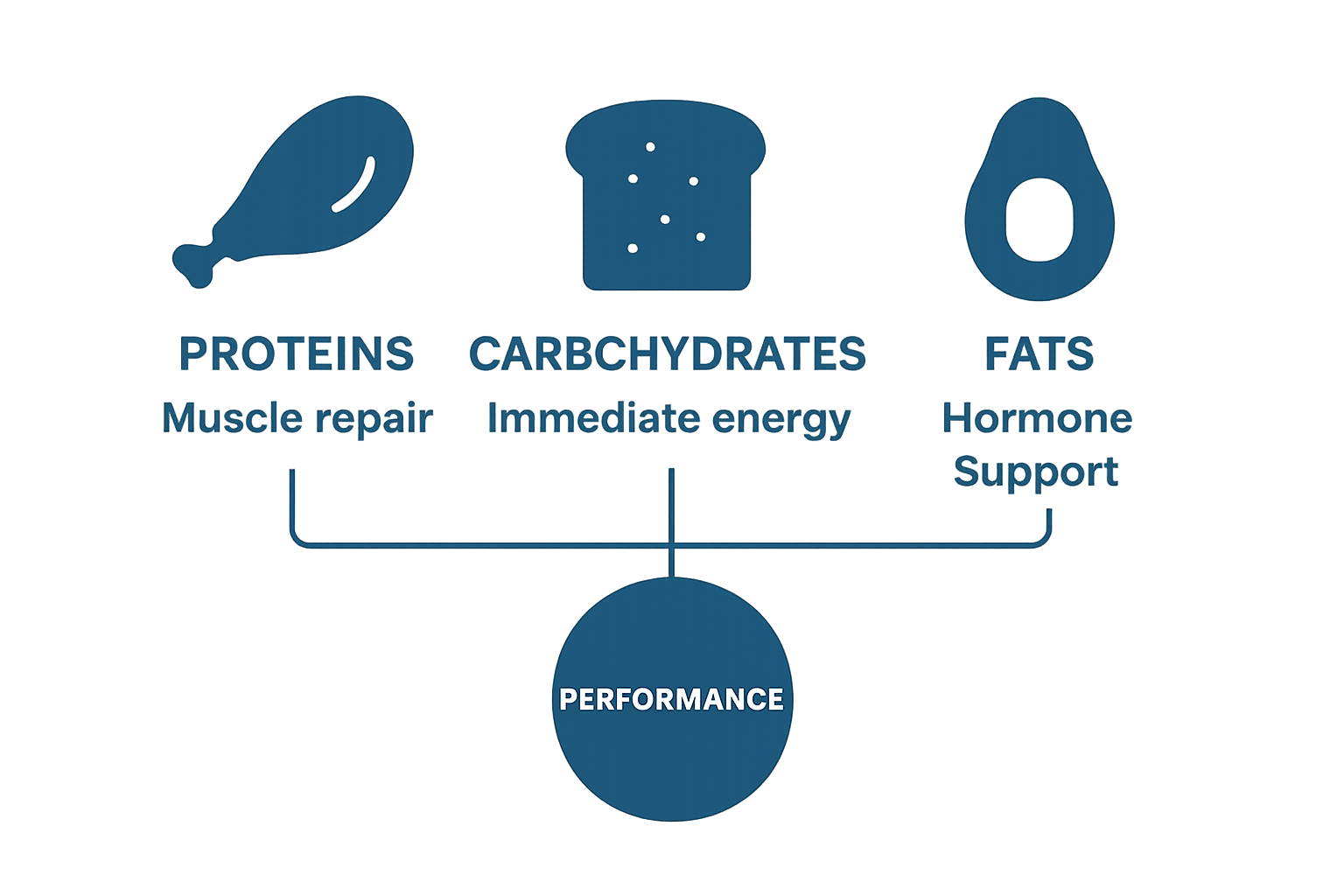 Proteins, carbohydrates, and fats each play unique roles in performance enhancement. Proteins facilitate muscle repair and growth, carbohydrates provide rapid energy conversion, and healthy fats support hormonal balance and neurological function.
To clarify the different roles nutrients play in human performance, the table below compares the functions and impacts of the three primary macronutrients discussed in the article.
| Macronutrient | Primary Function | Performance Impact |
|---|---|---|
| Carbohydrates | Provide immediate and sustained energy | Support athletic output, cognitive function, and endurance |
| Proteins | Facilitate muscle repair and growth | Enhance muscle recovery, support neurological functions |
| Fats | Support hormone and neurological health | Balance hormones, protect brain function, sustain energy |
According to research on nutritional science, carbohydrate intake is crucial for performance:
- Provides primary glucose energy source
- Comprises 45% to 65% of recommended caloric intake
- Supports sustained athletic and cognitive performance
- Critical for individuals aged four to 18 years
Micronutrient Performance Optimization
Micronutrients act as precision regulators, enabling complex biochemical interactions that underpin performance. These essential vitamins and minerals trigger critical metabolic pathways, support immune function, and modulate cellular repair mechanisms. Omega-3 fatty acids, for instance, demonstrate remarkable cognitive and inflammatory response benefits.
Key micronutrients critical for performance include:
- Omega-3 fatty acids (enhancing brain plasticity)
- Calcium (supporting bone and muscle function)
- Vitamin D (regulating immune response)
- Magnesium (facilitating muscle and nerve function)
- Zinc (supporting metabolic processes)
Recognizing nutrient interaction as a sophisticated biological system is essential. Individual genetic variations, metabolic profiles, and performance goals demand personalized nutritional strategies. The ultimate objective transcends generic supplementation, focusing instead on creating targeted nutritional approaches that harmonize individual physiological potential with specific performance objectives.
How to Assess Your Diet for Improved Performance
Assessing dietary performance requires a comprehensive, multifaceted approach that goes beyond simple caloric counting. It involves understanding individual metabolic responses, identifying nutritional gaps, and creating personalized strategies that align with unique physiological requirements.
Comprehensive Nutritional Evaluation
Effective dietary assessment is a systematic process of analyzing nutritional intake, metabolic markers, and performance outcomes. This evaluation extends beyond traditional dietary tracking, incorporating advanced diagnostic tools and holistic health perspectives. The goal is to develop a nuanced understanding of how specific nutrients interact with individual metabolic systems.
The following table organizes key components of a comprehensive nutritional assessment, summarizing the processes and measurements recommended in the article for evaluating dietary impact on performance.
| Assessment Component | Purpose/Description |
|---|---|
| Food and Nutrient Intake Tracking | Monitor daily consumption and identify nutritional gaps |
| Comprehensive Blood Panel Analysis | Evaluate nutrient status and detect deficiencies |
| Metabolic Rate & Energy Expenditure | Measure calorie needs for personalized diet planning |
| Performance Metrics | Assess physical and cognitive outputs linked to diet |
| Genetic Predisposition Consideration | Factor in genetic differences affecting nutritional needs |
Key components of a thorough nutritional assessment include:
- Detailed food and nutrient intake tracking
- Comprehensive blood panel analysis
- Metabolic rate and energy expenditure measurements
- Physical and cognitive performance metrics
- Genetic predisposition considerations
Performance-Driven Nutritional Analysis
Performance optimization demands a strategic approach to dietary evaluation. This involves not just measuring current nutritional status but understanding how dietary components influence physiological and cognitive capabilities. Tracking goes beyond quantitative measurements, focusing on the qualitative impact of nutrients on overall performance potential.
Critical assessment parameters to consider:
- Energy levels and sustained output
- Recovery rate and muscle regeneration
- Cognitive processing speed
- Stress response and hormonal balance
- Immune system functionality
According to the Dietary Guidelines from the U.S. Department of Health and Human Services, developing a personalized nutritional strategy requires continuous monitoring and adaptive approaches. The assessment process is dynamic, recognizing that nutritional needs evolve with changing physiological conditions, activity levels, and personal health objectives.
Ultimately, diet assessment is not a one-time event but an ongoing journey of understanding individual nutritional requirements. By adopting a holistic, data-driven approach, individuals can unlock their true performance potential through precise nutritional optimization.

Take Charge of Your Performance Through Personalized Nutrition
Feeling stuck with your progress despite eating your best? The article highlights how dietary choices shape your mental sharpness, energy, and endurance, yet most people struggle to truly understand what their unique body needs for optimal performance. If you’re tired of guessing which nutrients and supplements fit your goals, Menalam brings you a smarter way to fuel your success.

Unlock science-backed recommendations tailored exactly to your health profile by trying the quick health quiz at Menalam. Discover which vitamins and supplements can make the difference for your physical and cognitive output, all while tracking your progress with our easy-to-use app. Get the clarity and confidence to reach your next level—visit Menalam’s digital nutritionist now and start your journey toward peak performance today.
Frequently Asked Questions
What role does nutrition play in physical performance?
Nutrition serves as the fundamental fuel for physical performance, influencing energy metabolism, muscle recovery, and overall endurance. A well-balanced diet enhances the body’s ability to perform consistently during physical activities.
How can I optimize my diet for cognitive performance?
To optimize cognitive performance, focus on incorporating nutrient-dense foods rich in omega-3 fatty acids, antioxidants, and lean proteins. Consistent hydration and maintaining balanced macronutrients also play a critical role in sustaining mental energy and clarity.
What are the key macronutrients necessary for athletic performance?
The key macronutrients for athletic performance include carbohydrates for energy, proteins for muscle repair and growth, and healthy fats for hormonal balance and metabolic health. Balancing these macronutrients according to specific performance goals is crucial.
How can I assess if my diet is supporting my performance goals?
Assessing your diet involves tracking nutrient intake, monitoring energy levels, evaluating recovery rates, and observing cognitive performance. Regularly analyzing these factors can help you determine if your dietary choices align with your performance objectives.
Leave a Reply