

Gut health is getting more attention than ever and for good reason. Experts estimate that over 70 percent of your immune system lives in your gut, which means a healthy digestive system does a lot more than just process food. Most people think fixing gut issues is all about eating more fiber or popping probiotics, but that only scratches the surface. True digestive wellness starts with personal tracking and small, strategic changes that often lead to surprising results.
Table of Contents
- Step 1: Assess Your Current Gut Health Status
- Step 2: Identify and Incorporate Gut-Friendly Foods
- Step 3: Implement a Probiotic and Prebiotic Routine
- Step 4: Establish a Consistent Hydration Plan
- Step 5: Monitor and Adjust Your Gut Health Strategies
Quick Summary
| Key Point | Explanation |
|---|---|
| 1. Assess your gut health first | Track your digestive experiences for two weeks to identify baseline issues affecting your gut health. |
| 2. Incorporate gut-friendly foods | Gradually add whole, fermented foods to promote beneficial bacteria and support digestion. |
| 3. Establish a hydration routine | Drink adequate water daily to support digestion and nutrient absorption, aiming for half your body weight in ounces. |
| 4. Implement probiotics and prebiotics | Use a quality probiotic supplement alongside prebiotic foods to foster a healthy gut microbiome. |
| 5. Continuously monitor and adjust strategies | Maintain a detailed health journal to track progress and consult professionals for personalized adjustments. |
Step 1: Assess Your Current Gut Health Status
Understanding your current gut health is the critical first step in transforming your digestive wellness. Before diving into dietary changes or supplement strategies, you need a clear snapshot of your digestive system’s baseline condition. This assessment helps you pinpoint specific challenges and develop a targeted approach to improving gut function.
Understanding Your Baseline Digestive Profile
Starting your gut health journey requires honest self-observation and potentially some professional insight. Begin by tracking your daily digestive experiences for two weeks. Note key indicators such as bowel movement frequency, consistency, and any associated discomfort. Pay close attention to how different foods impact your digestion, tracking symptoms like bloating, gas, stomach cramps, or irregular bowel patterns.
Consider creating a simple digital or physical journal where you record meal contents, digestive responses, and overall energy levels. Look for patterns that might suggest underlying gut health issues. Are certain foods consistently triggering digestive distress? Do you experience unexplained fatigue after meals? These observations become valuable data points for understanding your gut’s current state.
Professional Assessment Options
While self-tracking provides essential insights, professional diagnostic tools can offer deeper understanding. According to Cleveland Clinic, several diagnostic approaches can help assess gut health comprehensively:
- Comprehensive stool analysis to evaluate microbiome composition
- Hydrogen breath tests for detecting potential food intolerances
- Blood tests checking inflammatory markers related to gut health
- Food sensitivity screenings
Consult with a healthcare professional who specializes in functional medicine or gastroenterology. They can interpret your symptoms, recommend appropriate tests, and provide personalized guidance based on your unique physiological profile.
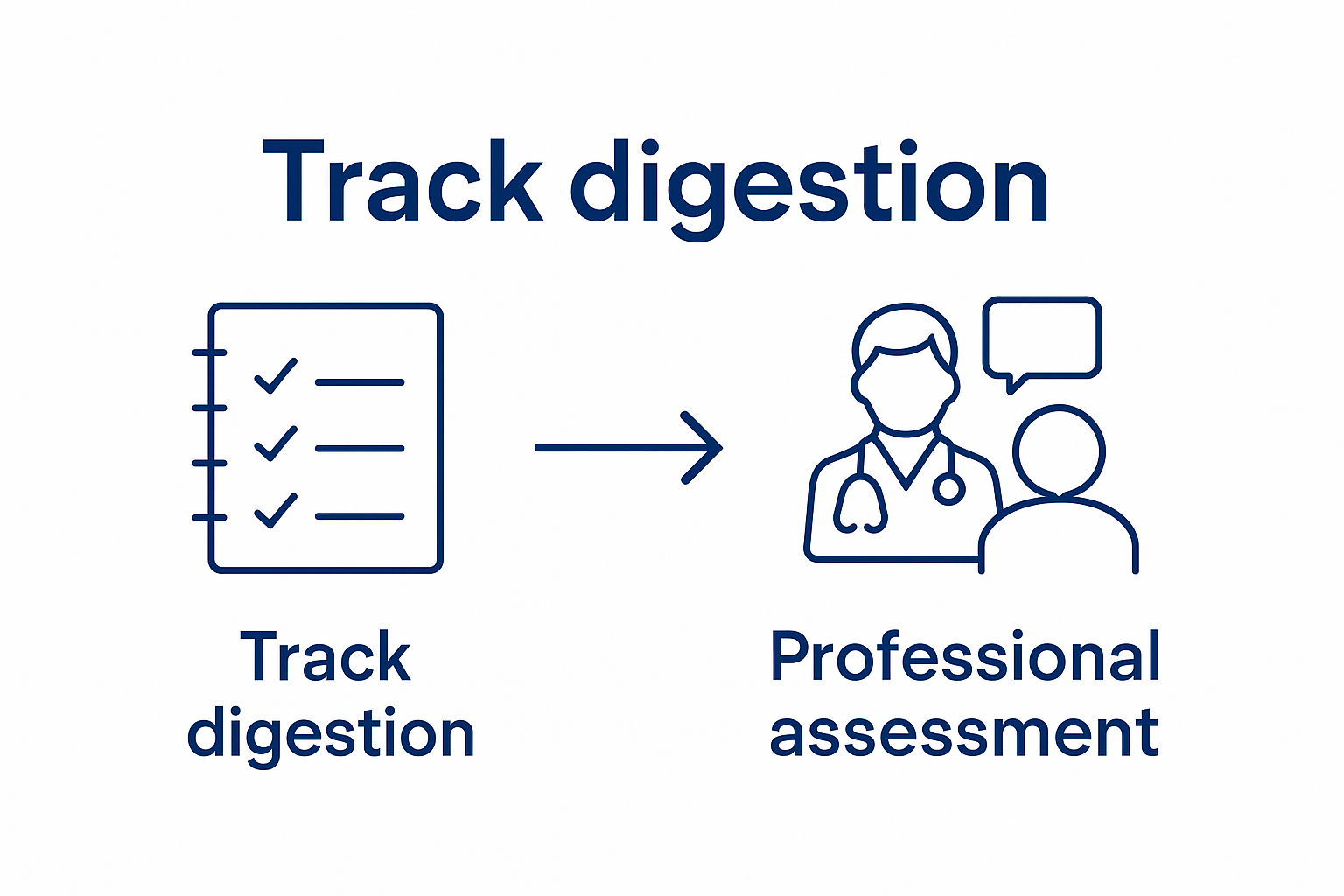
Remember that gut health is not a one-size-fits-all journey, and professional expertise can help you navigate complex digestive challenges more effectively.
By meticulously documenting your digestive experiences and seeking professional insights, you establish a solid foundation for targeted gut health improvement. This initial assessment phase empowers you to make informed decisions about dietary modifications, potential supplementation, and lifestyle adjustments that will support your digestive wellness.
To simplify your assessment process, here is a table highlighting both self-tracking steps and professional evaluation options for understanding your current gut health status.
| Assessment Method | Description | Purpose |
|---|---|---|
| Digestive Tracking Journal | Record meals, bowel movements, symptoms, and energy levels | Monitor baseline gut function and issues |
| Symptom Pattern Observation | Track food reactions, discomfort, and fatigue after meals | Identify potential triggers and patterns |
| Comprehensive Stool Analysis | Lab test analyzing microbiome composition | Reveal gut bacteria diversity |
| Hydrogen Breath Test | Test for food intolerances (e.g., lactose) | Detect carbohydrate malabsorption |
| Blood Test for Inflammation | Checks related inflammatory markers in the blood | Assess underlying gut inflammation |
| Food Sensitivity Screening | Identifies reactions to specific foods | Guide dietary adjustment needs |
| Functional Medicine Consultation | Professional interpretation of all data | Tailor recommendations and next steps |
Step 2: Identify and Incorporate Gut-Friendly Foods
Transitioning from understanding your gut health to actively supporting it requires strategic dietary modifications. Selecting the right foods can transform your digestive system, helping to restore balance, reduce inflammation, and promote optimal microbiome function. This step focuses on intentionally choosing nutrients that actively support your gut’s healing and maintenance.
Navigating the World of Gut-Supporting Nutrition
Your gut microbiome thrives on diversity and nutrient-rich foods that support beneficial bacterial growth. Start by gradually introducing whole, minimally processed foods that provide essential prebiotics and probiotics. Fermented foods become your allies in this journey, offering natural sources of beneficial bacteria that help rebuild and strengthen your digestive ecosystem.
Prioritize foods like yogurt, kefir, sauerkraut, and kimchi, which naturally contain live bacterial cultures. These foods introduce good bacteria directly into your digestive system, helping to crowd out harmful microorganisms and restore microbial balance. According to the National Center for Complementary and Integrative Health, consuming probiotic-rich foods can significantly support gut health by promoting beneficial bacterial growth.
Strategic Food Integration Approach
Implementing gut-friendly nutrition requires a thoughtful, gradual approach. Begin by introducing one new gut-supporting food every few days, allowing your body time to adjust and monitoring how each addition impacts your digestive comfort. Your targeted food list should include:
- Fermented vegetables like kimchi and sauerkraut
- Bone broth for gut lining support
- Prebiotic-rich vegetables such as garlic, onions, and asparagus
- Omega-3 rich fish like salmon
- Ginger and turmeric for their anti-inflammatory properties
Remember that individual responses to dietary changes vary. What works perfectly for one person might cause mild discomfort for another. Pay attention to your body’s signals, and be prepared to make personalized adjustments. If you experience persistent digestive issues after introducing new foods, consult a healthcare professional who can provide personalized guidance.
By methodically incorporating these gut-friendly foods, you create an internal environment that supports digestive healing, reduces inflammation, and promotes long-term wellness. Your diet becomes a powerful tool in rebuilding and maintaining a healthy, resilient gut microbiome.
To help you choose the right foods for your gut health journey, this table summarizes key gut-friendly foods mentioned in the article along with their main gut health benefits.
| Food Item | Category | Key Benefit for Gut Health |
|---|---|---|
| Yogurt | Fermented Dairy | Provides live beneficial bacteria (probiotics) |
| Kefir | Fermented Dairy | Rich in diverse probiotic cultures |
| Sauerkraut | Fermented Veggie | Introduces probiotics and aids digestion |
| Kimchi | Fermented Veggie | Helps balance gut microbiome |
| Bone Broth | Broth | Supports gut lining health |
| Garlic | Prebiotic Veggie | Feeds beneficial gut bacteria (prebiotic) |
| Onions | Prebiotic Veggie | Promotes growth of good bacteria |
| Salmon | Omega-3 Fish | Reduces gut inflammation |
| Ginger/Turmeric | Spices | Offers anti-inflammatory effects |
Step 3: Implement a Probiotic and Prebiotic Routine
Building upon your foundational gut health assessment and dietary modifications, implementing a structured probiotic and prebiotic routine becomes crucial for sustained digestive wellness. This strategic approach goes beyond occasional supplementation, creating a systematic method to replenish and support your gut microbiome’s delicate ecosystem.
Understanding Probiotic and Prebiotic Synergy
Probiotics and prebiotics work together like a perfectly choreographed team. Probiotics are live beneficial bacteria that directly introduce healthy microorganisms into your digestive system, while prebiotics serve as nutrient-rich fuel that helps these beneficial bacteria thrive and multiply. Think of prebiotics as the premium fertilizer that allows your probiotic garden to grow strong and resilient.
Begin by selecting a high-quality probiotic supplement with multiple bacterial strains. Look for formulations containing Lactobacillus and Bifidobacterium species, which are scientifically recognized for their digestive support properties. According to Harvard Health Publishing, choosing a supplement with at least 1 billion colony-forming units (CFUs) ensures meaningful bacterial population support.
Crafting Your Personal Probiotic Integration Strategy
Designing an effective probiotic routine requires consistency and personalized approach. Start by introducing your chosen probiotic supplement at a low dosage, gradually increasing to the recommended amount. This allows your body to adapt without overwhelming your digestive system. Consider taking your probiotic supplement with a meal containing healthy fats, which can help protect the bacterial cultures during digestion.
Complement your probiotic intake with prebiotic-rich foods that naturally support bacterial growth. Your prebiotic sources should include:
- Raw garlic and onions
- Bananas
- Asparagus
- Jerusalem artichokes
- Whole grain foods
Monitor your body’s response carefully during this implementation. Some initial digestive adjustments are normal, but persistent discomfort warrants professional consultation. Aim to maintain this routine consistently for at least 8-12 weeks to observe meaningful changes in your gut microbiome’s composition and overall digestive function.
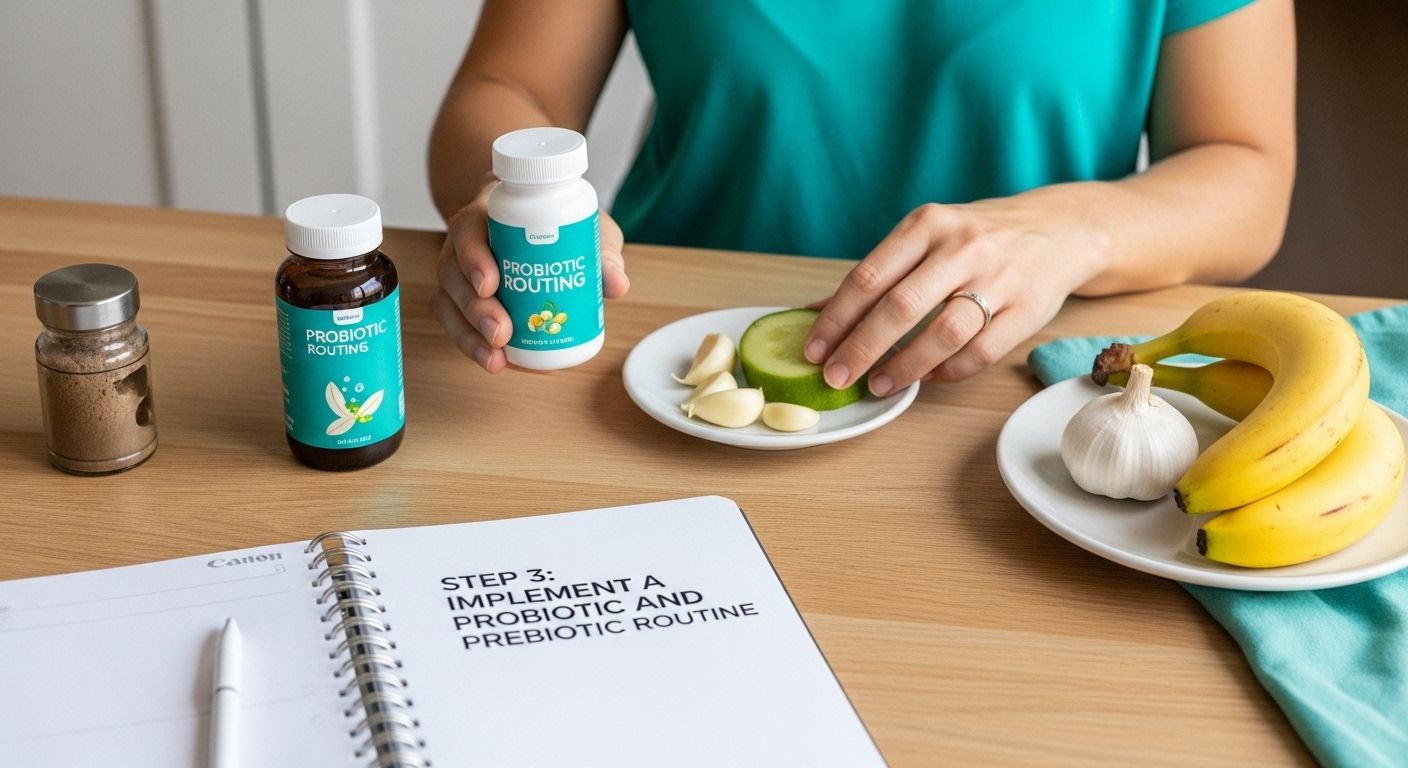
By methodically integrating probiotics and prebiotics, you create a supportive environment for digestive healing, enhance nutrient absorption, and strengthen your body’s natural defense mechanisms. This intentional approach transforms gut health from a passive experience to an active, manageable process.
Step 4: Establish a Consistent Hydration Plan
Hydration represents a foundational element in maintaining optimal gut health, serving as a critical mechanism for supporting digestive function and microbiome balance. While many people overlook water’s significance, strategic hydration can dramatically transform your digestive wellness, facilitating nutrient absorption, waste elimination, and overall gastrointestinal performance.
Understanding Hydration’s Role in Digestive Function
Water does far more than simply quench thirst. Proper hydration supports multiple digestive processes, acting as a fundamental transport mechanism for nutrients, helping break down food, and enabling smooth intestinal movement. When your body lacks adequate fluid, digestive efficiency declines, potentially leading to constipation, reduced nutrient absorption, and increased inflammation within the gastrointestinal tract.
To develop an effective hydration strategy, begin by calculating your personalized daily water intake. A general guideline suggests consuming approximately half your body weight in ounces daily. However, individual needs vary based on activity level, climate, and overall health. According to National Institutes of Health research, consistent water consumption facilitates gastrointestinal transit, supports intestinal mucosal lin
ing, and helps maintain a healthy gut microbiota balance.
Creating a Sustainable Hydration Routine
Transforming hydration from a sporadic habit to a consistent practice requires intentional planning and creative approaches. Consider investing in a high-quality water bottle with volume markings, which helps track your daily intake visually. Set strategic hydration checkpoints throughout your day, such as drinking a full glass upon waking, before meals, and between work tasks.
Enhance your water’s gut-supporting potential by incorporating natural, digestive-friendly additions:
- Infuse water with fresh ginger for anti-inflammatory benefits
- Add a slice of lemon to support digestive enzyme production
- Include cucumber for additional mineral support
- Mix in a small amount of sea salt to improve electrolyte absorption
Remember that hydration extends beyond plain water. Herbal teas, water-rich fruits and vegetables, and low-sugar beverages contribute to your daily fluid intake. Monitor your body’s signals carefully. Dark urine, persistent thirst, and sluggish digestion indicate potential dehydration, suggesting you need to increase your fluid consumption.
By implementing a deliberate, personalized hydration strategy, you create an internal environment that supports efficient digestion, promotes nutrient absorption, and maintains the delicate balance of your gut microbiome. Consistent hydration becomes a powerful tool in your overall digestive wellness journey.
Step 5: Monitor and Adjust Your Gut Health Strategies
Successful gut health transformation is not a linear journey but a dynamic process of continuous observation, learning, and personalization. This final step focuses on developing a systematic approach to tracking your progress, understanding your body’s unique responses, and making informed adjustments to your gut health strategies.
Creating a Comprehensive Tracking System
Documenting your digestive wellness journey requires more than occasional notes. Establish a detailed tracking system that captures nuanced information about your body’s responses. Utilize a digital health journal or dedicated mobile app to record daily dietary intake, probiotic consumption, hydration levels, and specific digestive symptoms. Include details about food reactions, energy levels, mood changes, and bowel movement characteristics. This comprehensive approach transforms your gut health management from guesswork to a data-driven strategy.
Consider using visual tracking methods like color-coded symptom logs or weekly summary charts. These tools help you identify patterns that might otherwise go unnoticed. Pay attention to subtle shifts in your body’s responses, recognizing that gut health improvements often occur incrementally and can manifest in unexpected ways.
Strategic Adjustment and Professional Collaboration
Regular self-assessment becomes crucial in fine-tuning your gut health approach. According to recent research in Nutrients, periodic professional assessments help optimize individualized gut health interventions. Schedule quarterly check-ins with a healthcare professional specializing in functional medicine or gastroenterology who can help interpret your tracking data and recommend targeted modifications.
Your adjustment strategy should include key evaluation criteria:
- Consistency of digestive comfort
- Energy level fluctuations
- Frequency and quality of bowel movements
- Inflammatory markers
- Overall immune system response
Remember that gut health is not a destination but a continuous journey of adaptation. Some strategies might work brilliantly for weeks and then require modification. Stay flexible, curious, and patient with your body’s unique healing process. Be prepared to experiment thoughtfully, always listening to your body’s signals and consulting professionals when significant changes or persistent issues arise.
By implementing a rigorous monitoring and adjustment approach, you transform gut health management from a passive experience into an active, empowering process of personal wellness discovery. Your commitment to ongoing observation and strategic adaptation becomes the key to long-term digestive resilience and overall health optimization.
Ready to Take Control of Your Gut Health? Discover True Personalization
You have learned why tracking digestive experiences, monitoring food reactions, and targeting gut health challenges are essential for better digestion. But staying on top of every detail, from probiotic routines to hydration plans, can feel overwhelming. Are you tired of second-guessing which nutrients actually support your unique digestive system? Do you wish for science-backed, tailored recommendations instead of generic advice?
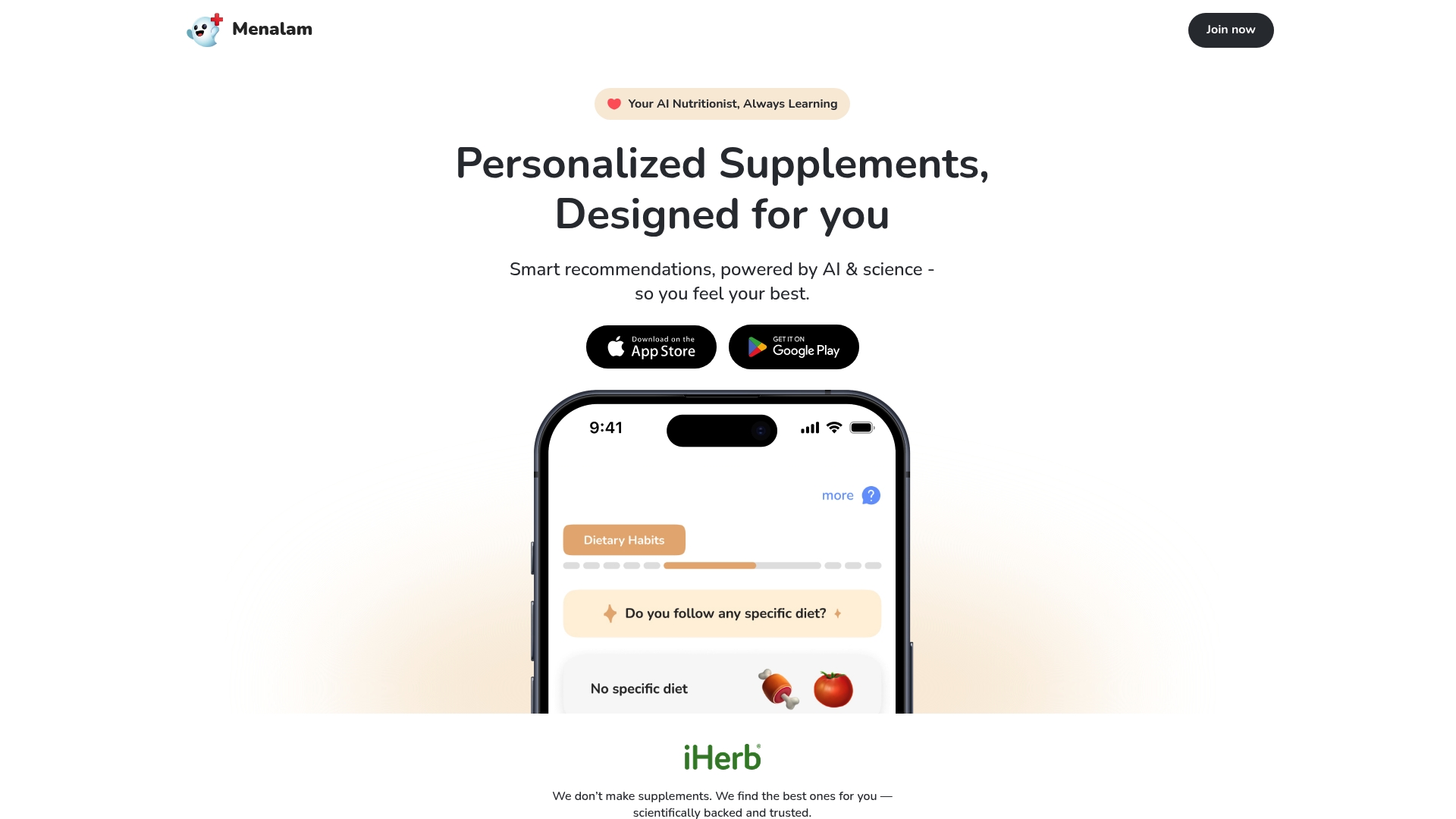
Turn your progress into real results with Menalam. Our intelligent platform offers personalized supplement plans, health tracking, and step-by-step guidance to maximize your gut health. Take our quick health quiz to identify which nutrients, probiotics, and prebiotics best fit your specific profile. With smart reminders and easy tracking through our app, you can see how your daily habits and supplements affect your digestive wellness. Do not wait for guesswork or trial and error to hold you back. Visit Menalam now and let us help you build a gut health routine that adapts as you progress.
Frequently Asked Questions
How can I assess my current gut health status?
To assess your gut health, track your daily digestive experiences for two weeks, noting bowel movement frequency, consistency, and any discomfort. Observing how different foods affect your digestion can help identify potential issues.
What are gut-friendly foods I should include in my diet?
Incorporate foods rich in probiotics and prebiotics, such as yogurt, kefir, sauerkraut, kimchi, bone broth, garlic, onions, and omega-3-rich fish like salmon, to support your gut microbiome.
How do probiotics and prebiotics work together?
Probiotics introduce beneficial bacteria into your gut, while prebiotics serve as food for these bacteria, allowing them to thrive. This synergy promotes a healthy digestive ecosystem.
What is the importance of staying hydrated for gut health?
Proper hydration facilitates digestion by aiding nutrient absorption and enabling smooth intestinal movement. Insufficient water intake can lead to constipation and overall decreased digestive efficiency.
Leave a Reply