

Healthy eating sounds simple on paper and almost everyone has heard that it is all about fruits, veggies, and balance. Yet surprise, most Americans fall short—the average Healthy Eating Index score is well below optimal levels. Eating right is not about rules or restrictions at all. It is a daily experiment shaped by your habits, your culture, and even your zip code.
Table of Contents
- The Concept Of Healthy Eating: What Does It Mean?
- Why Are Healthy Eating Habits Important For Well-being?
- The Psychological And Environmental Influences On Diet
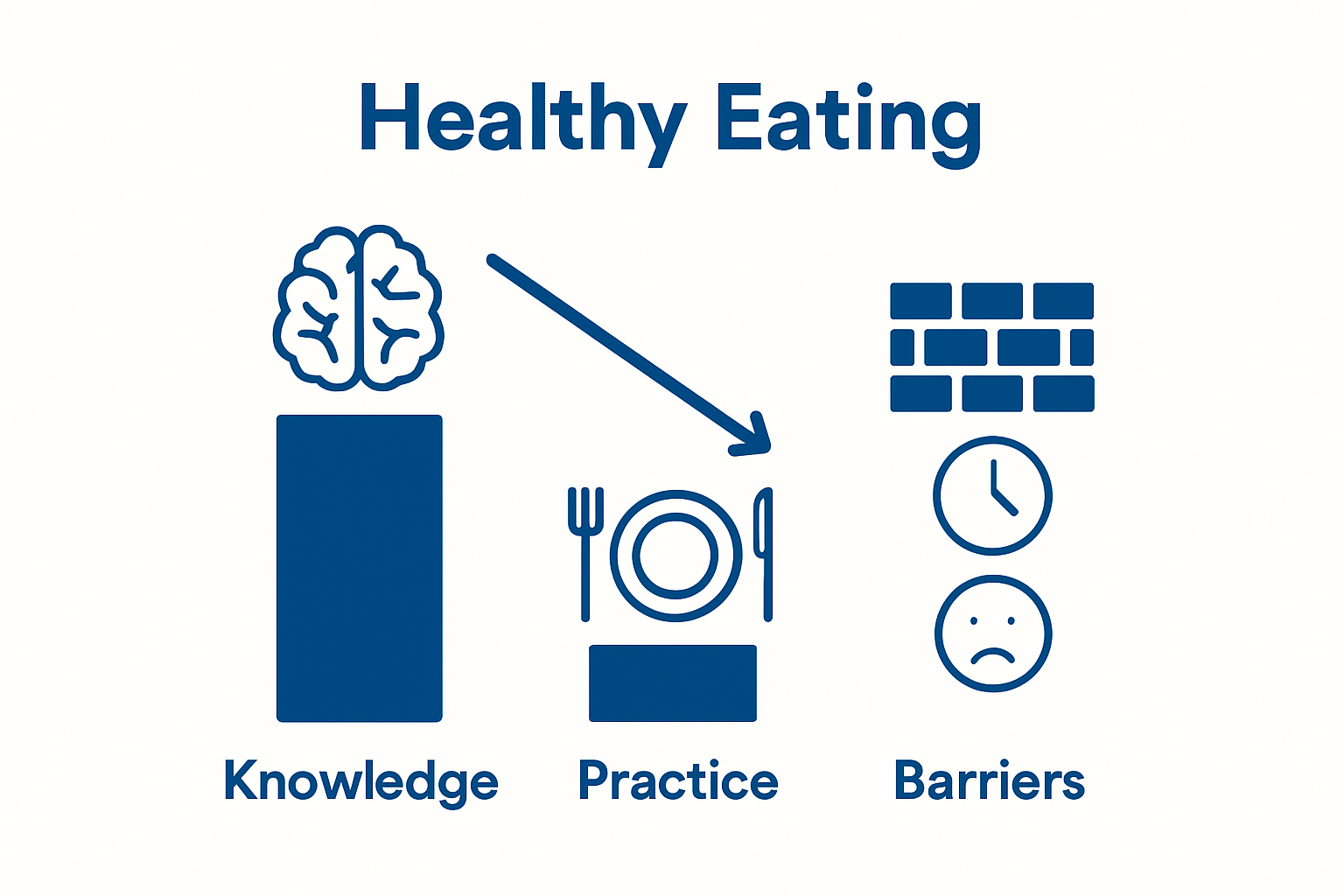
- Common Barriers To Healthy Eating: Knowledge Vs. Practice
- Strategies To Overcome Challenges In Pursuing A Healthy Diet
Quick Summary
| Takeaway | Explanation |
|---|---|
| Healthy eating means balanced nutrition, not restriction. | Focus on nourishing your body with a diverse range of nutrient-dense foods for optimal health. |
| No single food defines health; variety is key. | It’s the overall combination and proportion of foods consumed over time that matters most for a healthy diet. |
| Mental and emotional well-being is linked to nutrition. | Balanced eating habits can improve cognitive performance and emotional regulation, impacting daily life. |
| Understand psychological and environmental influences on diet. | Complex factors like stress, culture, and accessibility shape food choices beyond basic nutrition. |
| Utilize behavioral support and digital tools for better nutrition. | Professional guidance and technology can help overcome dietary challenges, facilitating healthier choices. |
The Concept of Healthy Eating: What Does it Mean?
Healthy eating is more than just consuming a specific set of foods or following a restrictive diet. It represents a comprehensive approach to nutrition that focuses on nourishing your body with balanced, nutrient-dense foods while maintaining overall wellness.
Understanding Nutritional Balance
At its core, healthy eating involves consuming a diverse range of foods that provide essential nutrients your body needs to function optimally. According to the U.S. Dietary Guidelines, this means creating a dietary pattern that includes:
- Nutrient-dense foods across various food groups
- Balanced calorie intake matched to individual energy requirements
- Limiting added sugars, saturated fats, and sodium
The key is recognizing that no single food determines nutritional health. Instead, the combination and proportion of foods consumed over time create the foundation of a healthy diet.
Holistic Approach to Nutrition
Healthy eating transcends mere calorie counting or temporary dietary trends. It involves understanding your body’s unique nutritional needs and making informed choices that support long-term health. The Healthy Eating Index reveals that most Americans score below optimal levels in dietary quality, highlighting the complexity of maintaining a truly nutritious diet.
This approach requires considering multiple factors:
- Individual metabolic requirements
- Personal health goals
- Cultural and lifestyle preferences
- Sustainable and enjoyable food choices
Ultimately, healthy eating is a personalized journey of understanding how nutrition impacts your physical and mental well-being, making deliberate choices that fuel your body with purpose and intention.
Why Are Healthy Eating Habits Important for Well-being?
Healthy eating habits are far more than a lifestyle choice. They represent a critical foundation for overall physical, mental, and emotional wellness that directly impacts quality of life and long-term health outcomes.
Physical Health Foundations
Proper nutrition serves as a fundamental pillar of physical health. According to the Centers for Disease Control and Prevention, maintaining healthy eating habits can significantly reduce risks of chronic diseases and support bodily functions. These benefits include:
- Strengthening immune system response
- Reducing risks of heart disease and type 2 diabetes
- Supporting bone density and muscle maintenance
- Helping achieve and maintain healthy body weight
Nutritional choices directly influence cellular functioning, determining how efficiently your body repairs, regenerates, and protects itself against potential health challenges.
Mental and Cognitive Well-being
Beyond physical health, nutrition plays a profound role in mental wellness. Research demonstrates a strong connection between dietary patterns and cognitive performance. Balanced nutrition supports brain health by providing essential nutrients that enhance neural connections, regulate mood, and potentially slow cognitive decline.
The intricate relationship between diet and mental state means that what you eat significantly impacts how you think, feel, and perform in daily life. Consistent, nutrient-rich eating habits contribute to:
- Improved concentration and mental clarity
- More stable emotional regulation
- Enhanced stress management capabilities
- Potential reduction in depression and anxiety symptoms
Ultimately, healthy eating is an investment in your comprehensive well-being. It represents a holistic approach to health that recognizes the interconnected nature of physical, mental, and emotional systems, empowering individuals to take proactive control of their overall life quality.
The Psychological and Environmental Influences on Diet
Diet is not merely a matter of individual choice but a complex interplay of psychological triggers, environmental factors, and personal experiences that shape nutritional behaviors. Understanding these intricate dynamics reveals why people make specific food selections beyond basic nutritional requirements.
Psychological Drivers of Food Choices
Psychological factors profoundly impact dietary decisions. Emotional states, stress levels, and personal memories significantly influence what and how much individuals consume. According to the Centers for Disease Control and Prevention, environmental context plays a crucial role in determining nutritional intake.
Key psychological influences include:
- Comfort eating during emotional distress
- Cultural associations with specific foods
- Learned eating behaviors from childhood
- Personal reward mechanisms linked to food consumption
Stress and emotional regulation emerge as powerful determinants of dietary patterns. When experiencing heightened psychological pressure, individuals often gravitate toward foods that provide immediate emotional relief, frequently choosing high-sugar or high-fat options that temporarily boost mood.
Environmental Nutrition Landscape
The physical environment dramatically shapes nutritional choices by determining food accessibility, affordability, and visibility. Urban design, workplace settings, and community infrastructure create invisible boundaries that guide dietary behaviors.
Critical environmental factors affecting diet include:
- Local food availability and pricing
- Proximity to grocery stores versus fast-food outlets
- Workplace and school nutrition policies
- Marketing and advertising exposure
These environmental conditions can either support or undermine individual attempts to maintain healthy eating habits. Systemic design of food environments plays a more significant role in nutritional choices than personal willpower.
Recognizing the complex psychological and environmental influences helps individuals develop more compassionate, strategic approaches to nutrition. By understanding these underlying factors, people can create personalized strategies that acknowledge the multifaceted nature of dietary decision-making.
Common Barriers to Healthy Eating: Knowledge vs. Practice
Despite widespread nutrition information, many individuals struggle to translate dietary knowledge into consistent, healthy eating practices. The gap between understanding nutritional principles and implementing them represents a complex challenge involving multiple interconnected factors.
Structural and Economic Constraints
Economic realities significantly impact dietary choices. According to Healthy People 2030, substantial structural barriers prevent many individuals from maintaining optimal nutrition:
- Limited access to grocery stores in certain neighborhoods
- Higher prices for fresh, nutritious foods
- Transportation challenges in reaching quality food sources
- Insufficient time for meal preparation
Financial limitations often force individuals to prioritize affordability over nutritional value, creating a systemic barrier to healthy eating that transcends individual motivation.
Psychological and Behavioral Challenges
Beyond economic constraints, psychological factors play a crucial role in dietary behavior. Knowledge does not automatically translate into action due to deeply ingrained habits, emotional eating patterns, and complex personal relationships with food.
Key psychological barriers include:
- Comfort and stress-related eating behaviors
- Deeply rooted cultural food traditions
- Lack of self-efficacy in changing dietary habits
- Emotional associations with specific food choices
Behavior change requires more than information. It demands comprehensive strategies addressing individual psychological triggers, environmental influences, and personal motivations.
Recognizing these multifaceted barriers helps develop more compassionate, realistic approaches to nutrition. Success lies not in rigid dietary rules but in understanding the complex human dynamics that shape our relationship with food.
To clarify how different types of barriers affect healthy eating habits, the table below summarizes common structural, economic, psychological, and behavioral challenges and their impact.
| Barrier Type | Description | Example Impact |
|---|---|---|
| Structural and Economic | Limited access to stores, high prices, transportation, and time constraints | Difficulty obtaining fresh produce |
| Psychological and Behavioral | Emotional eating, habits, cultural traditions, low self-efficacy | Choosing comfort foods under stress |
| Financial Limitations | Budget-focused choices over nutritional value | Reliance on processed or fast foods |
| Environmental | Community design, workplace/school policies, food marketing | Frequent exposure to unhealthy options |
| Knowledge-Practice Gap | Knowing healthy choices but struggling to implement them regularly | Inconsistent healthy meal preparation |
Strategies to Overcome Challenges in Pursuing a Healthy Diet
Successfully navigating the complex landscape of healthy eating requires more than good intentions. Strategic, personalized approaches that address individual barriers and leverage supportive technologies can transform dietary habits and make nutritional wellness achievable.
Behavioral Counseling and Support
Personalized guidance plays a critical role in dietary transformation. According to the U.S. Preventive Services Task Force, targeted behavioral counseling interventions can significantly improve diet quality:
- Increasing fruit and vegetable intake
- Reducing saturated fat consumption
- Supporting sustainable lifestyle modifications
- Providing individualized nutritional strategies
Professional support helps individuals develop practical skills and build confidence in making consistent, healthier food choices. These interventions go beyond generic advice, offering tailored recommendations that consider personal challenges and motivations.
Digital Health and Self-Monitoring Tools
Technology offers powerful solutions for overcoming dietary obstacles. Digital platforms and smartphone applications provide accessible, personalized support for individuals seeking to improve their nutrition:
- Real-time nutritional tracking
- Goal-setting and progress monitoring
- Virtual coaching and accountability
- Customized meal planning resources
Integrated digital solutions transform nutrition management by making healthy eating more convenient, interactive, and adaptable to individual lifestyles. These tools bridge knowledge gaps and provide continuous support beyond traditional healthcare interactions.
The following table compares professional and technological strategies for overcoming challenges to a healthy diet, highlighting how each approach supports sustainable nutrition change.
| Strategy Type | Key Features | Example Benefits |
|---|---|---|
| Behavioral Counseling | Individualized guidance, skill-building, motivation | Increased confidence and sustainable habits |
| Digital Health Tools | Nutritional tracking, goal setting, virtual coaching | Convenience, real-time support, progress tracking |
| Combined Approach | Integrates support and technology | Better adherence and adaptable solutions |
Successful dietary transformation emerges from a holistic approach that combines professional guidance, technological support, and personal commitment. By recognizing individual challenges and leveraging comprehensive strategies, individuals can develop sustainable, enjoyable approaches to nutrition that align with their unique needs and goals.
Bridge the Gap Between Healthy Intentions and Real Change
Struggling to maintain healthy eating habits is not just about knowing what to do. The journey toward better nutrition is filled with emotional and practical barriers like conflicting information, time constraints, and difficulty staying on track when life gets busy. The article highlights how even the best intentions can be blocked by real-world challenges. You deserve a solution that addresses your unique pain points and helps transform knowledge into sustainable action.
Stop letting these obstacles hold you back from true well-being. With Menalam, you get more than information—you get an AI-powered digital nutritionist that understands your goals, lifestyle, and health profile. Discover personalized supplement plans, track your progress with the mobile app, and enjoy science-backed support that adapts as you grow. Visit https://menalam.com now and experience how simple, tailored nutrition can make lasting results possible. Your path to better health starts with one smart step today.
Frequently Asked Questions
What are some common barriers to maintaining a healthy diet?
Economic constraints, limited access to fresh foods, time restrictions for meal preparation, and psychological factors like emotional eating are key barriers that can hinder healthy eating habits.
How can I overcome challenges in pursuing a healthy diet?
Implementing personalized strategies such as behavioral counseling, using digital self-monitoring tools, and developing practical cooking skills can help overcome obstacles to healthy eating.
Why is there often a gap between knowledge and practice in healthy eating?
The gap occurs due to deeply ingrained habits, emotional relationships with food, economic pressures, and lack of self-efficacy, all of which can make it difficult to translate nutritional knowledge into consistent practices.
What role does the environment play in shaping dietary choices?
The physical environment impacts food accessibility, affordability, and availability, shaping dietary behaviors significantly more than personal willpower alone.
Leave a Reply