

Stress can change your eating habits in ways you might never expect. Research shows that high cortisol levels can actually increase cravings for sugary and fatty foods, turning snack choices into a struggle. Most people think stress just makes you eat more comfort food, but it goes way deeper. The real surprise is how stress can actually rewire your brain and metabolism, shifting not just what you eat but how your body even processes the food.
Table of Contents
- How Stress Influences Nutritional Choices
- The Biological Mechanisms Behind Stress And Nutrition
- Long-Term Effects Of Stress On Dietary Habits
- The Role Of Stress In Nutrient Absorption And Metabolism
- Practical Implications Of Stress On Personal Nutrition Plans
Quick Summary
| Takeaway | Explanation |
|---|---|
| Stress triggers hormonal changes affecting food choices | Elevated cortisol levels increase appetite for high-calorie foods and disrupt normal hunger signaling. |
| Chronic stress fosters maladaptive eating habits | Psychological stress results in impulsive food selection and emotional eating, which can override nutritional awareness. |
| Stress disrupts nutrient absorption | Psychological tension leads to gastrointestinal function changes, compromising nutrient absorption and overall metabolic health. |
| Personal nutrition plans can be affected by stress | Stress turns intentional dietary strategies into reactive choices, complicating balanced meal planning and leading to unhealthy eating behaviors. |
| Develop adaptive nutrition strategies for stress | A flexible nutrition plan can help maintain health objectives while managing the psychological effects of stress. |
How Stress Influences Nutritional Choices
Stress plays a profound and complex role in shaping our nutritional behaviors, transforming how we perceive, select, and consume food. The intricate relationship between psychological stress and dietary patterns reveals a sophisticated neurobiological response that extends far beyond simple emotional eating.
The Hormonal Cascade of Stress Eating
When stress activates the body’s fight or flight mechanism, it triggers a sophisticated hormonal cascade that dramatically influences nutritional choices. Research from the National Center for Biotechnology Information reveals that stress hormones like cortisol fundamentally alter our metabolic processes and food preferences.
The physiological response involves several key mechanisms:
- Elevated cortisol levels increase appetite and cravings for high-calorie foods
- Stress disrupts normal hunger signaling mechanisms
- Psychological tension can override typical satiety signals
These hormonal shifts create a biochemical environment where individuals are more likely to seek out energy-dense, nutrient-poor foods as a coping mechanism. Comfort foods rich in sugar and fat become neurochemically rewarding, providing temporary emotional relief.
Psychological Mechanisms of Stress Eating
Stress does not merely influence nutrition through hormonal pathways but also through complex psychological mechanisms. Nutrients journal research demonstrates that psychological stress fundamentally alters eating behavior, creating a feedback loop between emotional state and dietary choices.
Individuals experiencing chronic stress often develop maladaptive eating patterns characterized by:
-
Impulsive food selection
-
Reduced awareness of nutritional content
-
Emotional eating as a coping strategy
This psychological response represents a survival mechanism where the brain seeks immediate energy and comfort through food consumption. The neurological pathways activated during stress prioritize short-term emotional regulation over long-term nutritional health.
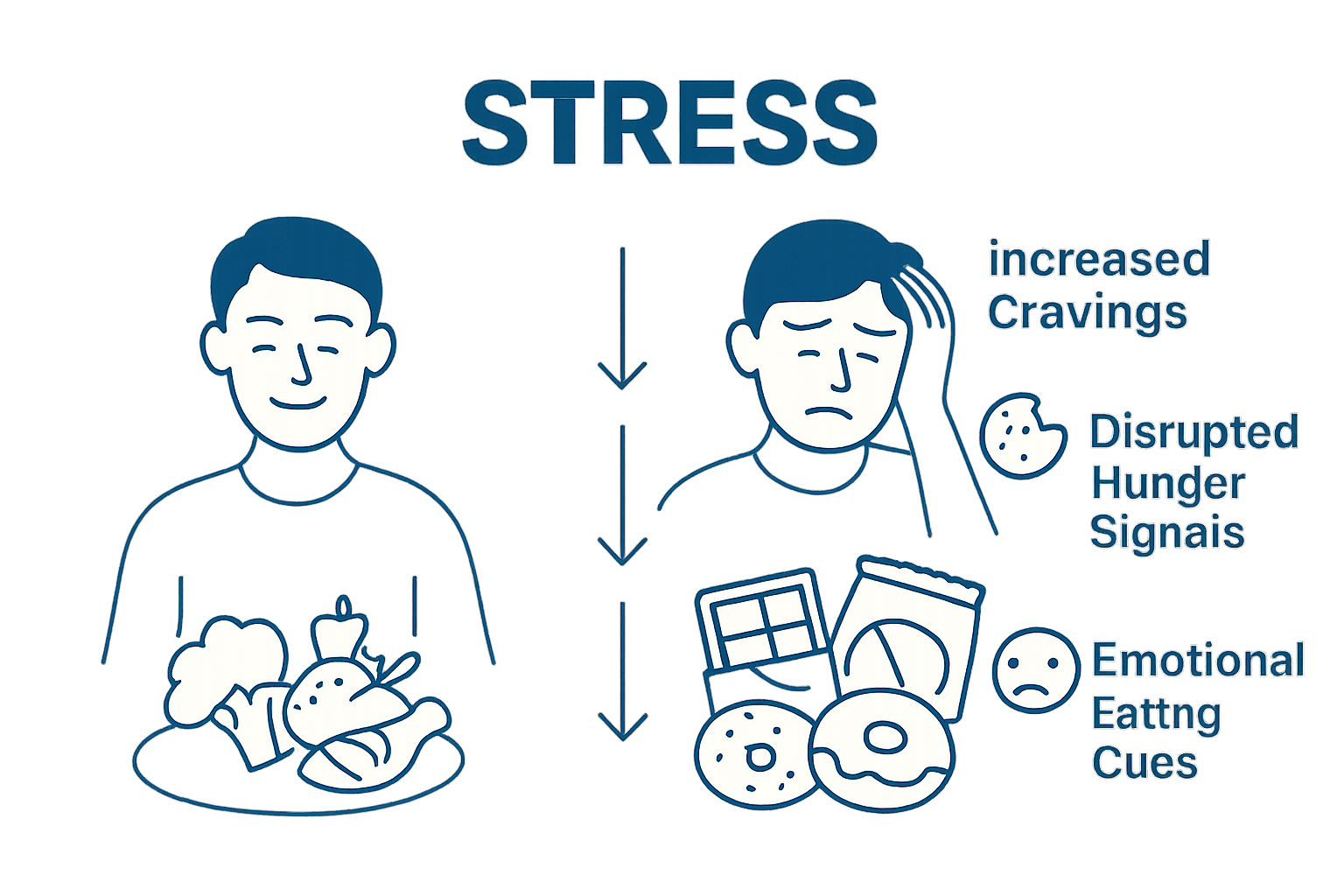
Understanding these intricate connections between stress and nutrition empowers individuals to develop more mindful eating strategies, recognizing that dietary choices are not merely about hunger but complex emotional and physiological interactions.
The Biological Mechanisms Behind Stress and Nutrition
The intricate biological response to stress involves complex neurological and physiological processes that profoundly impact nutritional behavior and metabolic functioning. Understanding these mechanisms reveals how psychological stress translates into tangible changes in our body’s nutritional processing and energy management.
The Hypothalamic-Pituitary-Adrenal Axis Response
Research from the National Center for Biotechnology Information demonstrates that stress activates the hypothalamic-pituitary-adrenal (HPA) axis, a critical neuroendocrine system responsible for managing physiological responses. When stress occurs, this intricate network triggers a cascade of hormonal reactions that directly influence nutritional metabolism and energy utilization.
The HPA axis activation involves several crucial biological mechanisms:
- Rapid secretion of cortisol from adrenal glands
- Disruption of normal metabolic signaling pathways
- Alteration of insulin sensitivity and glucose regulation
Neurochemical Pathways of Stress-Induced Nutritional Changes
Stress fundamentally rewires neurochemical communication, creating a complex interplay between emotional states and nutritional behavior. The brain’s reward centers become significantly influenced by stress hormones, leading to altered food preferences and consumption patterns.
Key neurochemical changes include:
-
Increased dopamine release associated with comfort food consumption
-
Modification of serotonin pathways affecting mood and eating behaviors
-
Activation of neural circuits that prioritize immediate energy intake
Metabolic Adaptation to Chronic Stress
Prolonged exposure to stress initiates sophisticated metabolic adaptations designed to prepare the body for potential environmental challenges. These adaptations can fundamentally reshape how the body processes nutrients, stores energy, and responds to dietary intake.
The metabolic shifts manifest through intricate physiological transformations that optimize survival mechanisms, demonstrating the body’s remarkable ability to adapt to persistent psychological tension. By understanding these biological mechanisms, individuals can develop more nuanced approaches to managing stress-related nutritional challenges.
To help clarify how stress impacts the body through various biological pathways, the following table summarizes the different mechanisms explained in the article and their primary effects on nutrition and metabolism.
| Biological Mechanism | Main Description | Effect on Nutrition/Metabolism |
|---|---|---|
| Hypothalamic-Pituitary-Adrenal (HPA) Axis | Stress response system involving hormone release | Alters metabolic signaling and appetite |
| Cortisol Secretion | Hormone released during stress | Increases cravings for sugary/fatty foods |
| Neurochemical Pathways | Changes in dopamine and serotonin affecting reward and mood | Promotes comfort eating and impulsivity |
| Gastrointestinal Disruption | Changes in gut function and enzyme production | Reduces nutrient absorption efficiency |
| Metabolic Adaptation | Body adjusts processing and storage of nutrients under stress | Alters energy utilization and storage patterns |
| Hormonal Interference | Disruption in insulin and glucose regulation | Increases risk of weight gain and resistance |
Long-term Effects of Stress on Dietary Habits
Chronic stress transforms nutritional behaviors through complex physiological and psychological mechanisms, creating a profound impact on long-term dietary patterns and overall metabolic health. These transformative processes extend beyond temporary eating responses, fundamentally reshaping an individual’s relationship with food and nutrition.
Nutritional Pattern Disruption
Research from the National Center for Complementary and Integrative Health reveals that prolonged psychological stress systematically disrupts healthy nutritional patterns. The consistent exposure to stress hormones creates a cascading effect that significantly alters food selection, consumption, and metabolic processing.
The nutritional disruption manifests through several critical mechanisms:
- Persistent preference for energy-dense comfort foods
- Reduced intake of nutrient-rich fruits and vegetables
- Compromised ability to maintain balanced dietary choices
These shifts represent more than simple dietary preferences. They reflect deep neurobiological adaptations where the body seeks immediate energy and emotional comfort through food consumption.

Metabolic Health Consequences
Individuals experiencing chronic stress encounter substantial metabolic health challenges. The continuous hormonal fluctuations triggered by persistent psychological tension create an environment conducive to weight gain, insulin resistance, and potential metabolic disorders.
Key metabolic consequences include:
-
Increased visceral fat accumulation
-
Higher risk of developing insulin resistance
-
Elevated inflammatory markers associated with poor nutritional choices
Psychological Eating Behavior Transformation
Chronic stress fundamentally rewires psychological mechanisms governing eating behaviors. What begins as a temporary coping strategy gradually evolves into deeply ingrained nutritional habits that can persist long after the original stressors have diminished.
The psychological transformation involves complex interactions between emotional regulation, neurochemical responses, and learned behavioral patterns. Understanding these intricate connections empowers individuals to recognize and interrupt maladaptive nutritional cycles, promoting more conscious and healthful dietary decisions.
The Role of Stress in Nutrient Absorption and Metabolism
Stress initiates a complex cascade of physiological responses that profoundly impact nutrient absorption and metabolic processes. These intricate interactions reveal how psychological tension can fundamentally alter the body’s ability to process and utilize essential nutrients.
Gastrointestinal Function Disruption
Research from the National Institutes of Health demonstrates that psychological stress dramatically transforms gastrointestinal functioning. The stress response triggers significant changes in intestinal permeability, digestive enzyme production, and overall nutrient processing mechanisms.
Key gastrointestinal disruptions include:
- Increased intestinal membrane permeability
- Reduction in digestive enzyme efficiency
- Altered gut microbiome composition
These physiological modifications create an environment where nutrient absorption becomes compromised, potentially leading to systemic nutritional deficiencies and metabolic imbalances.
Hormonal Metabolism Interference
Stress hormones like cortisol fundamentally reshape metabolic pathways, creating a complex interplay between psychological tension and nutritional processing. The continuous hormonal fluctuations interrupt normal metabolic signaling, affecting how the body processes and stores essential nutrients.
Significant metabolic interference occurs through:
-
Altered glucose metabolism and insulin sensitivity
-
Disrupted protein synthesis and breakdown mechanisms
-
Compromised fat storage and energy utilization processes
Cellular Nutrient Utilization Impact
Beyond digestive and metabolic changes, stress initiates cellular-level transformations that directly influence nutrient absorption and utilization. The body’s adaptive mechanisms prioritize immediate survival responses over optimal nutritional processing, creating a cascade of physiological adaptations.
This intricate response demonstrates the body’s remarkable capacity to recalibrate nutritional strategies under persistent psychological tension. Understanding these mechanisms empowers individuals to develop more targeted approaches to managing stress-related metabolic challenges and supporting comprehensive nutritional health.
Practical Implications of Stress on Personal Nutrition Plans
Personal nutrition plans become critically vulnerable when psychological stress enters the equation, transforming dietary strategies from intentional health management to reactive survival mechanisms. Understanding these implications helps individuals develop more resilient nutritional approaches that counteract stress-induced metabolic disruptions.
Nutritional Decision Making Under Stress
Research from the Harvard Nutrition Source reveals that stress fundamentally alters nutritional decision-making processes. The psychological and physiological responses to tension create a complex environment where rational food choices become increasingly challenging.
Key nutritional decision challenges include:
- Impaired impulse control around food selection
- Decreased ability to plan balanced meals
- Heightened vulnerability to emotional eating patterns
These challenges demonstrate how stress transforms nutrition from a conscious, strategic process into a reactive, survival-oriented response that prioritizes immediate emotional comfort over long-term health objectives.
Metabolic Vulnerability and Nutritional Resilience
Stress creates metabolic vulnerability by disrupting the body’s natural nutritional processing mechanisms. Individuals experiencing persistent psychological tension encounter significant obstacles in maintaining consistent, health-oriented dietary practices.
Primary metabolic vulnerabilities manifest through:
-
Compromised nutrient absorption efficiency
-
Increased inflammatory response triggered by stress hormones
-
Disrupted metabolic signaling that affects energy utilization
Strategic Nutrition Planning
Developing a stress-resilient nutrition plan requires a holistic approach that acknowledges the intricate connections between psychological state and dietary behavior. Successful strategies involve creating flexible nutritional frameworks that can adapt to varying stress levels while maintaining core health objectives.
Effective nutrition planning transcends traditional dietary guidelines, recognizing that personal nutritional needs dynamically shift in response to psychological and physiological stress.
This table organizes the main challenges and solutions related to nutrition under stress, giving readers a quick reference to common obstacles and adaptive strategies mentioned in the article.
| Challenge Under Stress | Description | Possible Adaptive Strategy |
|---|---|---|
| Impulse Control Breakdown | Rational nutritional decisions become difficult | Practice mindful eating and meal planning |
| Emotional Eating | Seeking comfort from high-calorie foods | Identify triggers and choose alternatives |
| Nutrient Absorption Issues | Stress hinders digestive efficiency | Support gut health, focus on whole foods |
| Decreased Metabolic Resilience | Increased vulnerability to inflammation and imbalance | Build nutritional resilience and flexibility |
| Disrupted Meal Planning | Difficulty maintaining balanced diet routines | Develop flexible, adaptable nutrition plans |
By understanding these complex interactions, individuals can develop more nuanced, adaptive approaches to sustaining nutritional health under challenging circumstances.
Transform Your Stressful Nutrition Journey With Menalam
Are you struggling with impulsive eating or unbalanced nutrition because of ongoing stress? If you found the article’s explanation of cortisol, disrupted metabolism, and emotional food choices all too familiar, you are not alone. Chronic stress does not just impact your eating habits. It actively rewires your body and mind in ways that make healthy choices even harder. These challenges demand more than willpower—they require tailored, science-backed solutions.
Take control of your nutritional health today. Visit Menalam to access an AI-powered health quiz that identifies your unique needs, recommends the right supplements, and keeps you accountable with reminders and progress tracking. Do not let stress dictate your wellbeing any longer. Start making smarter, data-driven decisions now with Menalam’s personalized recommendations. Your path to better habits and less stress starts here.
Frequently Asked Questions
How does stress affect food choices?
Stress can lead to increased cravings for high-calorie comfort foods, impulsive food selection, and reduced awareness of nutritional content, resulting in poor dietary choices.
What hormones are involved in stress eating?
Cortisol is the primary hormone involved in stress eating; it triggers an increase in appetite and cravings for energy-dense foods, disrupting normal hunger and satiety signals.
Can chronic stress impact my metabolism?
Yes, chronic stress can significantly disrupt metabolic processes, leading to insulin resistance, weight gain, and altered nutrient absorption due to hormonal fluctuations that affect how the body processes energy.
How can I develop a nutrition plan that accounts for stress?
Creating a flexible nutrition plan that adapts to varying stress levels is essential. Focus on nourishing foods, mindful eating practices, and strategies to manage emotional eating to promote resilient dietary habits.
Leave a Reply