

Lifestyle changes are making headlines for their power to prevent illness and transform health. Most people think healthy habits only make a small difference. Yet research shows that adopting key lifestyle changes can lower your risk of heart disease and diabetes by up to 80 percent. What if the step that truly shapes your future is not your next doctor’s visit, but the choices you make every single day?
Table of Contents
- Why Lifestyle Changes Matter For Health
- Personalized Nutrition And Lasting Wellness
- Tracking Progress And Staying Motivated
- Science-Backed Habits For Fitness And Energy
Quick Summary
| Takeaway | Explanation |
|---|---|
| Lifestyle changes prevent chronic diseases. | Adopting healthy habits can significantly lower the risk of conditions like diabetes and heart disease. |
| Personalized nutrition optimizes health. | Tailored dietary plans address individual metabolic needs and enhance overall well-being. |
| Tracking progress keeps motivation high. | Regularly monitoring health metrics fosters accountability and helps maintain lifestyle changes. |
| Science-backed habits boost fitness. | Implementing evidence-based strategies enhances energy levels and improves physical performance over time. |
| Recovery is essential for performance. | Prioritizing sleep and stress management is crucial for effective energy recovery and sustained fitness. |
Why Lifestyle Changes Matter for Health
Modern healthcare increasingly recognizes that proactive lifestyle modifications are fundamental to preventing chronic diseases and maintaining optimal health. The importance of lifestyle changes extends far beyond temporary adjustments – they represent a comprehensive approach to personal wellness that can dramatically transform individual health trajectories.
The Comprehensive Impact of Lifestyle Modifications
Lifestyle changes are not just recommendations but critical interventions that directly influence our physical and mental well being. Research from the National Institutes of Health demonstrates that strategic lifestyle modifications can significantly reduce the risk of noncommunicative diseases such as cardiovascular conditions and type 2 diabetes.
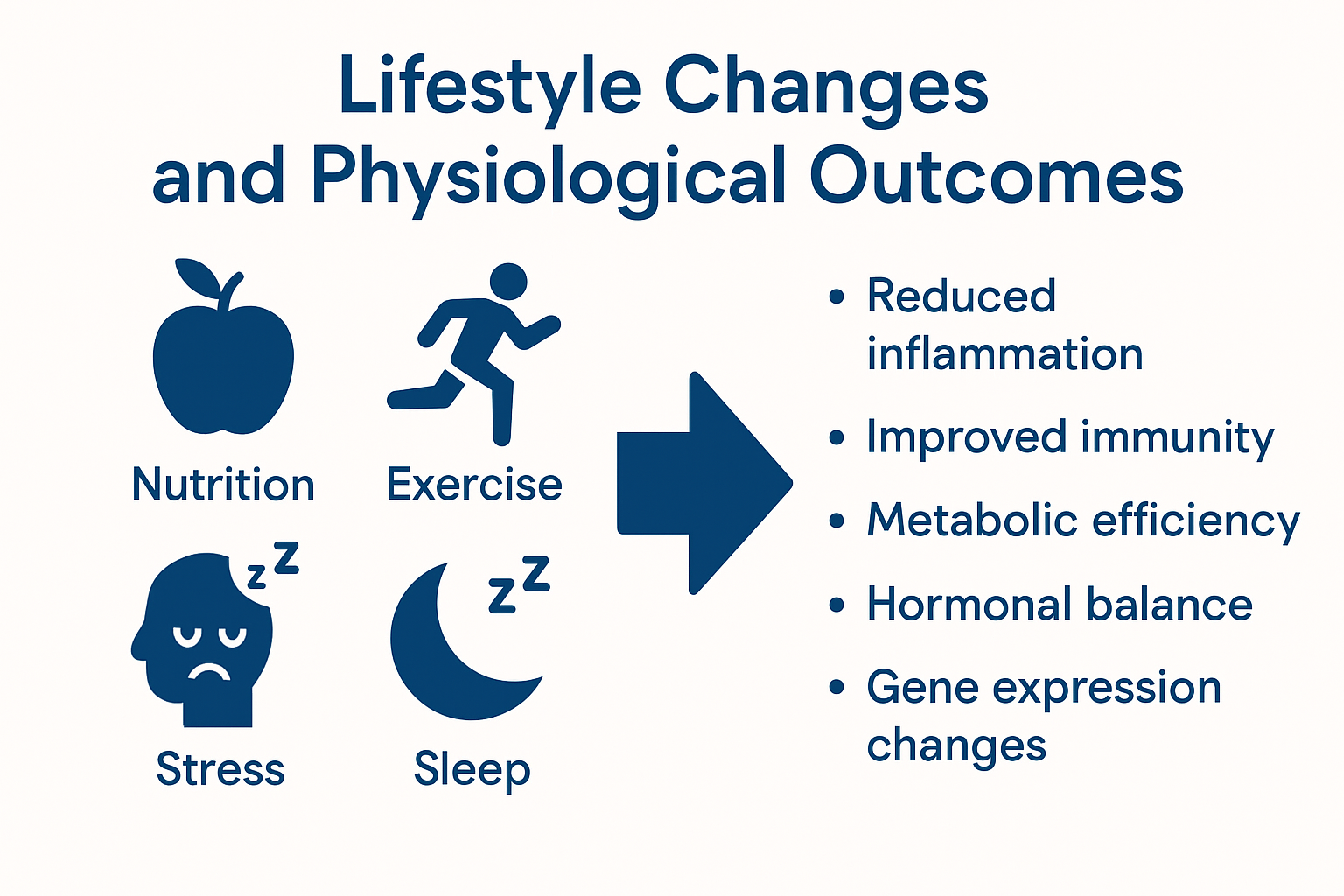
The core elements of effective lifestyle changes typically encompass multiple interconnected domains:
Here is a summary table organizing the four core domains of effective lifestyle changes and the key takeaways for each. This helps readers quickly scan essential areas to focus on for health transformation.
| Lifestyle Domain | Key Focus | Benefit Highlight |
|---|---|---|
| Nutrition | Balanced dietary patterns | Provides essential nutrients and supports metabolism |
| Physical Activity | Regular exercise and movement | Enhances energy, fitness, and cellular rejuvenation |
| Stress Management | Developing techniques to reduce strain | Lowers inflammation and supports genetic health |
| Sleep Hygiene | Consistent, quality rest | Improves recovery and overall well-being |
- Nutrition: Adopting balanced dietary patterns that provide essential nutrients
- Physical Activity: Incorporating regular exercise and movement
- Stress Management: Developing techniques to reduce psychological strain
- Sleep Hygiene: Establishing consistent and quality rest patterns
Physiological Transformations Through Intentional Choices
When individuals commit to purposeful lifestyle modifications, their bodies undergo remarkable transformations. Harvard Medical School confirms that consistent healthy behaviors can reduce systemic inflammation, enhance immune function, and promote cellular regeneration.
These changes trigger complex biological responses. Regular physical activity stimulates mitochondrial development, improving cellular energy production. Balanced nutrition provides critical micronutrients that support metabolic processes. Effective stress management techniques can actually alter genetic expression, potentially reducing inherited disease risks.
Long Term Health Sustainability
The most profound aspect of lifestyle changes is their cumulative and sustainable impact. Unlike temporary interventions or quick fixes, comprehensive lifestyle modifications create a foundation for ongoing health optimization. This approach shifts healthcare from reactive treatment to proactive prevention.
By understanding the intricate relationship between daily choices and long term health outcomes, individuals can make informed decisions that compound positive results over time. The journey of lifestyle transformation is not about perfection but consistent, intentional progress toward better personal wellness.
Ultimately, lifestyle changes represent a powerful form of personal healthcare management. They empower individuals to take control of their health trajectory, reducing medical risks and enhancing overall quality of life through thoughtful, strategic choices.
Personalized Nutrition and Lasting Wellness
Personalized nutrition represents a revolutionary approach to health and wellness, moving beyond one size fits all dietary recommendations toward scientifically tailored nutritional strategies that address individual biological needs. This emerging field recognizes that each person’s metabolic profile, genetic makeup, and lifestyle factors uniquely influence their nutritional requirements.
The Science of Individual Nutritional Needs
Research published in the Journal of Personalized Medicine demonstrates that integrating genetic, epigenetic, and metabolomic data can provide profound insights into individual health optimization. These advanced analytical techniques allow nutritionists and healthcare professionals to design precise dietary interventions that target specific metabolic pathways and genetic predispositions.
Key components of personalized nutrition include:
- Genetic Profiling: Understanding inherited metabolic tendencies
- Metabolic Assessment: Analyzing individual biochemical responses
- Lifestyle Evaluation: Considering daily activity patterns and stress levels
- Biomarker Tracking: Monitoring specific health indicators
Targeted Nutritional Interventions
A systematic review and meta-analysis revealed that personalized nutrition interventions can significantly improve dietary intake and reduce cardiovascular disease risk factors. These targeted approaches go beyond traditional nutritional advice by creating precise dietary recommendations that align with an individual’s unique physiological requirements.
For instance, an individual with a genetic predisposition to inflammation might receive a nutrition plan emphasizing anti inflammatory foods and specific micronutrient combinations. Another person with metabolic challenges could receive a strategically designed meal plan that supports insulin sensitivity and metabolic efficiency.
Long Term Health Optimization
Clinical research with colorectal cancer survivors demonstrated that personalized nutrition interventions, combined with targeted education, can dramatically improve nutritional status and overall quality of life. This evidence highlights the transformative potential of individualized nutritional strategies.
The future of nutrition lies in understanding that health is not a universal concept but a deeply personal journey. By leveraging advanced technologies and comprehensive health assessments, personalized nutrition empowers individuals to make informed dietary choices that resonate with their unique biological blueprint.

Personalized nutrition transcends traditional dietary recommendations. It represents a holistic approach to wellness that considers the intricate interplay between genetics, lifestyle, and nutritional intake. As scientific understanding continues to evolve, individuals gain unprecedented opportunities to optimize their health through precisely tailored nutritional strategies.
Tracking Progress and Staying Motivated
Successful lifestyle transformations require more than initial enthusiasm – they demand consistent tracking, strategic goal setting, and sustained motivation. Understanding how to monitor personal health progress effectively can turn aspirational changes into lasting behavioral improvements.
The Science of Self Monitoring
Research from the International Journal of Environmental Research and Public Health demonstrates that systematic self monitoring significantly enhances adherence to health and fitness goals. By making progress tangible and visible, individuals can maintain momentum and make data driven adjustments to their wellness strategies.
Effective tracking methods encompass multiple dimensions:
The table below summarizes effective tracking methods for health and wellness. This format allows readers to quickly see the types of monitoring available, what they measure, and how each supports healthy life changes.
| Tracking Method | What It Measures | Example Tools/Approach |
|---|---|---|
| Quantitative Metrics | Body weight, measurements, performance | Scale, tape measure, fitness tests |
| Qualitative Assessment | Energy, mood, well-being | Journaling, daily reflection |
| Behavioral Logs | Diet, exercise, sleep patterns | Food diary, workout log, sleep tracker |
| Digital Tools | Comprehensive health data | Smartphone apps, wearables |
- Quantitative Metrics: Measuring weight, body measurements, fitness performance
- Qualitative Assessments: Tracking energy levels, mood, overall well being
- Behavioral Logs: Recording dietary intake, exercise frequency, sleep patterns
- Digital Tools: Utilizing smartphone apps and wearable technology for comprehensive monitoring
Psychological Foundations of Motivation
The National Heart, Lung, and Blood Institute emphasizes that self monitoring increases awareness and supports sustained behavioral change. By transforming abstract health goals into concrete, measurable outcomes, individuals can experience tangible evidence of their progress.
Psychological techniques that enhance motivation include:
- Breaking larger goals into smaller, achievable milestones
- Celebrating incremental improvements
- Creating visual representations of progress
- Developing accountability mechanisms
Technology and Personalized Progress Tracking
Modern technology has revolutionized health tracking, providing unprecedented insights into personal wellness journeys. Sophisticated digital platforms now offer real time feedback, predictive analytics, and personalized recommendations based on individual data.
These technological tools go beyond simple measurement. They transform raw data into actionable insights, helping individuals understand the complex interactions between lifestyle choices and health outcomes. Advanced algorithms can predict potential health risks, suggest optimized interventions, and provide motivational support tailored to individual patterns.
Track progress is not about perfection but consistent improvement. Each recorded metric represents a step toward understanding one’s unique health blueprint. By embracing technology and maintaining a curious, nonjudgmental approach to self monitoring, individuals can develop a deeper, more nuanced relationship with their personal wellness journey.
Science-Backed Habits for Fitness and Energy
Modern scientific research has revealed that sustainable fitness and energy optimization are not about extreme measures but strategic, consistent habits that work synergistically with human physiology. Understanding the evidence-based approaches to maintaining peak physical performance can transform how individuals approach their wellness journey.
Physiological Foundations of Energy Management
Research from the American Journal of Lifestyle Medicine demonstrates that energy levels are directly influenced by a complex interplay of nutritional intake, sleep quality, stress management, and physical activity. The body’s energy systems are not static but dynamically responsive to intentional lifestyle interventions.
Key physiological factors affecting energy and fitness include:
- Mitochondrial Function: Cellular energy production mechanisms
- Hormonal Balance: Cortisol, testosterone, and metabolic regulators
- Metabolic Efficiency: Nutrient utilization and energy conversion
- Neurological Recovery: Central nervous system adaptation and resilience
Strategic Physical Performance Optimization
A comprehensive study from the International Journal of Sports Physiology and Performance revealed that targeted exercise protocols can significantly enhance metabolic flexibility and energy production. These scientific insights suggest that strategic rather than random physical activities yield superior fitness outcomes.
Effective fitness habits supported by scientific research include:
- Implementing high intensity interval training
- Practicing consistent resistance exercises
- Integrating mobility and flexibility work
- Maintaining periodized training approaches
Holistic Energy and Recovery Strategies
Neuroscience research indicates that recovery is not passive but an active biological process requiring intentional intervention. The most effective fitness approaches recognize that peak performance emerges from balanced stress and recovery cycles.
Critical recovery and energy optimization strategies include:
- Prioritizing quality sleep
- Managing psychological stress
- Maintaining consistent circadian rhythms
- Implementing strategic nutritional timing
Science-backed fitness habits transcend traditional exercise paradigms. They represent a sophisticated understanding of human physiological potential. By integrating evidence-based practices that respect individual biological complexity, individuals can unlock unprecedented levels of energy, performance, and overall wellness.
The future of fitness is not about exhaustive workouts but intelligent, personalized approaches that harmonize with our body’s natural adaptive mechanisms. Understanding these nuanced interactions empowers individuals to design lifestyle strategies that sustainably enhance physical and mental performance.
Frequently Asked Questions
What lifestyle changes can significantly improve health?
Making changes in areas like nutrition, physical activity, stress management, and sleep hygiene can dramatically reduce the risk of chronic diseases such as heart disease and diabetes.
How does personalized nutrition contribute to better health?
Personalized nutrition tailors dietary recommendations to individual metabolic needs, genetic profiles, and lifestyle factors, leading to optimized health and wellness outcomes.
Why is tracking progress important for health improvements?
Tracking progress helps individuals stay accountable and motivated, providing tangible evidence of their efforts and the opportunity to make data-driven adjustments to their wellness strategies.
What are some science-backed habits to enhance fitness and energy levels?
Implementing consistent physical activity, prioritizing quality sleep, managing stress, and practicing resilience with a balance of exercise and recovery strategies are vital for optimal energy management and fitness.
Ready to Turn Lifestyle Changes Into Real Health Results?
Feeling overwhelmed by where to start with healthy habits? You read that adopting better nutrition, consistent tracking, and science-backed routines can transform your wellness. But acting on these proven strategies can be confusing when advice does not fit your personal needs. Many find it tough to track progress, understand what supplements truly help, or even stay motivated without expert support.
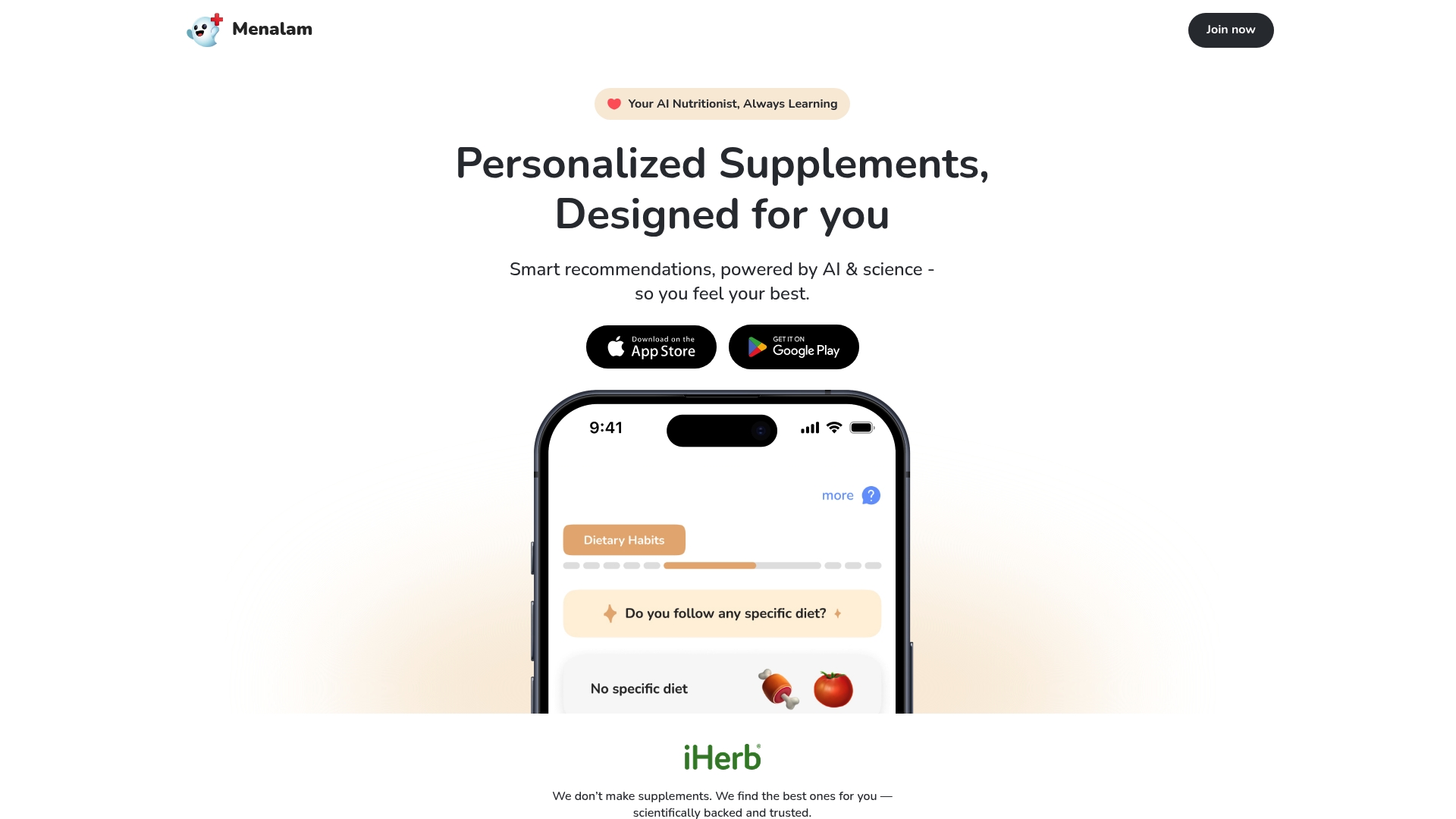
This is where Menalam can help. Take control of your journey with personalized supplement plans and health tracking, all powered by artificial intelligence and scientific insight. The quick health quiz gives you tailored recommendations based on your personal goals, lifestyle, and even blood test results. Track your supplement intake with the mobile app and get expert reminders for consistency. Do not just hope for better health. Visit Menalam’s homepage and start your own personalized plan today so you can turn knowledge into long-term results.
Leave a Reply