

Fitness nutrition myths are everywhere and they catch even the most disciplined athletes off guard. Surprise. Over 70 percent of gym-goers still believe carbs are the enemy or that chugging protein shakes will build endless muscle. This way of thinking does more harm than good because following tired nutrition myths can actually block your gains and slow down real progress.
Table of Contents
- Debunking Common Nutrition Myths In Fitness
- How Nutrition Myths Impact Your Fitness Progress
- Science-Backed Nutrition Advice For Better Results
- Personalized Strategies To Avoid Fitness Nutrition Traps
Quick Summary
| Takeaway | Explanation |
|---|---|
| Protein intake has limits. | Consuming excess protein won’t increase muscle growth and may harm kidneys over time. Aim for 1.6 to 2.2 grams per kilogram of body weight. |
| Carbs are necessary for performance. | Carbohydrates fuel high-intensity workouts and help in muscle recovery. Choose whole, complex carbs for the best results. |
| Supplements aren’t a magic solution. | Most claims are exaggerated; a balanced diet is more beneficial. Focus on whole foods first before considering supplements. |
| Nutrition myths impact mental health. | Misconceptions can lead to unhealthy relationships with food and poor training decisions, hindering fitness progress. |
| Individualized nutrition is crucial. | Personalized assessments and adaptive strategies improve dietary habits and support fitness goals effectively. |
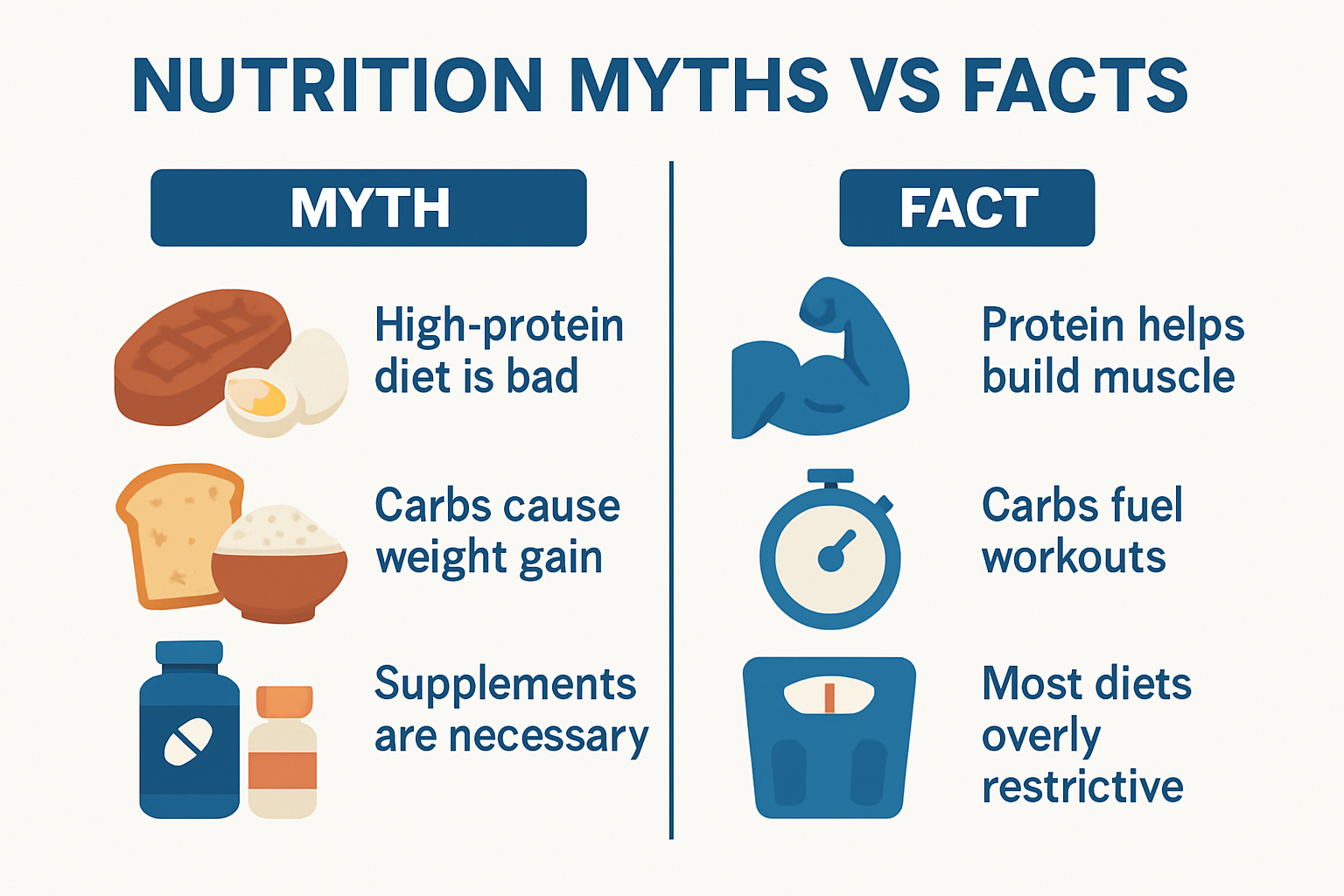
Debunking Common Nutrition Myths in Fitness
Nutrition myths can derail even the most dedicated fitness enthusiasts, creating confusion and potentially harmful misconceptions about diet and performance. Understanding the science behind nutrition helps athletes make informed choices that truly support their fitness goals.
To clarify the differences between popular nutrition myths and scientific facts, the following comparison table summarizes key misconceptions and the science-backed reality for each:
| Nutrition Myth | What the Myth Claims | Science-Backed Reality |
|---|---|---|
| Excess protein guarantees muscle gains | The more protein you eat, the more muscle you build | Protein has a utilization limit; ideal intake is 1.6–2.2 g/kg. Excess does not give extra muscle growth. |
| Carbohydrates harm performance | Carbs are fattening and reduce athletic ability | Carbs are vital for energy, recovery, and high performance when sourced from whole, complex foods. |
| Supplements are a magic solution | Supplements alone can dramatically boost results | Most supplements offer marginal benefits; focus on whole foods and only add supplements if needed. |
| Extreme calorie restriction is best | Eating as little as possible equals faster fat loss | Over-restriction slows metabolism, causes muscle loss, and harms overall health and performance. |
The Protein Overload Misconception
Many fitness enthusiasts believe that consuming massive amounts of protein automatically translates to muscle growth. However, research from the International Society of Sports Nutrition reveals that protein intake has a saturation point. The human body can only utilize a specific amount of protein for muscle protein synthesis. Consuming excessive protein beyond recommended levels does not result in additional muscle mass and can strain kidney function.
The optimal protein intake varies based on individual factors such as body weight, activity level, and fitness goals. A study published in the Journal of the International Society of Sports Nutrition suggests that most individuals require approximately 1.6 to 2.2 grams of protein per kilogram of body weight for muscle development and recovery.
Carbohydrates Are Not the Enemy
A pervasive nutrition myth in fitness circles is that carbohydrates are detrimental to performance and body composition. This oversimplified view ignores the critical role carbohydrates play in energy production and muscle glycogen replenishment. Complex carbohydrates provide essential fuel for high-intensity workouts and support overall metabolic function.
Athletes require strategic carbohydrate intake to maintain performance levels. The key is selecting high-quality, nutrient-dense carbohydrate sources like whole grains, fruits, and vegetables. These foods provide sustained energy, essential micronutrients, and support faster recovery compared to processed alternatives.
Supplements: Separating Fact from Fiction
The supplement industry thrives on creating elaborate marketing narratives that promise miraculous results. However, most supplements offer marginal benefits when compared to a balanced, whole-food diet. Fitness enthusiasts should approach supplement claims with critical analysis and scientific skepticism.
Nutrition myths persist because they often contain a kernel of truth wrapped in exaggeration. By understanding the nuanced science behind nutrition, athletes can develop more effective strategies for fueling their bodies and achieving peak performance. Critical thinking, staying updated with current research, and consulting with nutrition professionals are essential steps in navigating the complex world of fitness nutrition.
How Nutrition Myths Impact Your Fitness Progress
Nutrition myths can significantly derail fitness progress, creating substantial barriers to achieving optimal performance and body composition. These misconceptions not only misguide dietary choices but can potentially compromise physical health and athletic development.
Mental and Physiological Performance Barriers
Misconceptions about nutrition create profound psychological and physiological obstacles for fitness enthusiasts. Research from UCLA Health reveals that believing in unfounded nutrition myths can lead to counterproductive training strategies. For instance, individuals who mistakenly believe that extreme calorie restriction is the fastest path to weight loss often experience metabolic slowdown, muscle loss, and decreased energy levels.
The psychological impact of nutrition myths can be equally damaging. Athletes who internalize incorrect information may develop unhealthy relationships with food, leading to disordered eating patterns or unnecessary dietary restrictions. These mental barriers can create anxiety around nutrition, ultimately undermining workout performance and long-term fitness goals.
Metabolic Disruption and Recovery Challenges
Nutrition myths directly interfere with the body’s natural metabolic processes and recovery mechanisms. According to the University of Illinois Sports Nutrition Department, myths about protein intake and carbohydrate consumption can significantly impair muscle recovery and glycogen replenishment. When athletes follow misguided nutritional advice, they risk compromising their body’s ability to repair muscle tissue, restore energy stores, and maintain optimal metabolic function.
For example, the persistent myth that carbohydrates should be completely eliminated can lead to decreased workout performance. Complex carbohydrates are crucial for sustaining high-intensity training, providing the necessary energy for muscle function and preventing premature fatigue. Athletes who restrict carbohydrates based on misinformation often experience reduced endurance, slower recovery times, and diminished overall athletic performance.
Long-Term Health and Fitness Consequences
Beyond immediate performance impacts, nutrition myths can create long-term health complications. The American Academy of Family Physicians highlights that misconceptions about dietary fat, fiber, and nutrient absorption can lead to sustained nutritional imbalances. These imbalances may contribute to compromised immune function, hormonal disruptions, and increased risk of chronic health conditions.
Fitness enthusiasts must recognize that sustainable progress requires a nuanced, science-based approach to nutrition. By critically examining dietary claims, consulting professional nutritionists, and relying on evidence-based research, individuals can develop personalized nutrition strategies that genuinely support their fitness objectives. Understanding the complex relationship between nutrition, metabolism, and athletic performance is key to breaking through plateaus and achieving meaningful, long-lasting fitness results.
Science-Backed Nutrition Advice for Better Results
Navigating the complex world of fitness nutrition requires a strategic approach grounded in scientific research. Understanding how to optimize nutritional intake can dramatically improve performance, recovery, and overall fitness outcomes.
Precision Protein Consumption
Research from the Journal of the International Society of Sports Nutrition demonstrates that protein intake is not just about quantity but timing and quality. Optimal protein consumption involves distributing intake evenly throughout the day, with approximately 20-40 grams per meal to maximize muscle protein synthesis. This approach ensures consistent amino acid availability for muscle repair and growth.
Scientific evidence suggests that consuming protein within 30 minutes post-workout can enhance muscle recovery and adaptation. However, total daily protein intake remains more critical than immediate post-exercise consumption. Athletes should focus on high-quality protein sources like lean meats, fish, eggs, and plant-based proteins that provide complete amino acid profiles.
Strategic Carbohydrate Management
A comprehensive study published in Sports Medicine reveals that carbohydrate intake should be precisely tailored to training intensity and duration. Endurance athletes require higher carbohydrate intake compared to strength trainers, with recommendations ranging from 5-7 grams per kilogram of body weight for moderate training and up to 10-12 grams for intense training periods.
Complex carbohydrates from whole grains, vegetables, and fruits provide sustained energy and support glycogen replenishment. The key is selecting nutrient-dense sources that offer additional micronutrients and fiber. Timing carbohydrate intake around workout sessions can optimize energy availability and enhance performance potential.
Micronutrient and Supplementation Strategies
Research from the American College of Sports Medicine emphasizes that while whole food sources should remain the primary nutrition strategy, targeted supplementation can address specific nutritional gaps. Micronutrients like vitamin D, omega-3 fatty acids, and iron play crucial roles in athletic performance and recovery.
Scientific guidelines recommend personalized supplementation based on individual assessments. Blood tests can reveal specific deficiencies, allowing for precise nutritional interventions. Athletes should prioritize evidence-based supplements with demonstrated efficacy, avoiding trendy but unproven products.
The most effective nutrition strategy combines individualized approach, scientific understanding, and consistent implementation. By moving beyond generic advice and embracing research-driven nutritional principles, fitness enthusiasts can unlock their true performance potential. Consulting with sports nutritionists and regularly reassessing nutritional needs ensures continuous optimization of dietary strategies.
The following table organizes science-based nutritional strategies and recommendations highlighted throughout the article, offering a quick, actionable overview for fitness enthusiasts:
| Strategy | Key Recommendation | Example Sources/Foods |
|---|---|---|
| Precision Protein Consumption | 1.6–2.2 g/kg of body weight daily; distribute evenly in meals (20–40g per meal) | Lean meats, fish, eggs, legumes |
| Carbohydrate Intake for Performance | Tailor intake to training: 5–7g/kg for moderate, 10–12g/kg for very intense periods | Whole grains, fruits, vegetables |
| Protein Timing | Consuming protein within 30 minutes post-workout may aid recovery but total daily intake is key | |
| Micronutrient Awareness | Address deficiencies (vitamin D, omega-3, iron) as needed | Fatty fish, leafy greens, nuts |
| Supplement Use | Prioritize whole foods, use evidence-based supplements only for specific gaps | Vitamin D, iron, omega-3 (if needed) |
Personalized Strategies to Avoid Fitness Nutrition Traps
Navigating the complex landscape of fitness nutrition requires more than generic advice. Personalized strategies are essential for avoiding common nutritional pitfalls and achieving sustainable health and performance goals.
Individual Assessment and Baseline Tracking
Research in the Journal of Personalized Medicine demonstrates that personalized nutrition interventions can significantly improve dietary behaviors. The first step in avoiding nutrition traps involves comprehensive individual assessment. This includes detailed health screenings, metabolic testing, and comprehensive blood work to understand unique physiological needs.
Tracking baseline metrics goes beyond simple weight measurements. Athletes should monitor key indicators like body composition, resting metabolic rate, hormone levels, and nutrient deficiencies. These data points provide a nuanced understanding of individual nutritional requirements, allowing for targeted interventions that address specific metabolic challenges.
Adaptive Nutrition Strategies
The Medical Science Educator highlights the importance of shifting focus from rigid weight-based metrics to holistic health behaviors. Adaptive nutrition strategies require continuous monitoring and adjustment. This means developing a flexible approach that responds to changes in training intensity, recovery needs, and overall health status.
Key components of adaptive nutrition include:
- Periodic Reassessment: Conducting comprehensive nutrition and health evaluations every 3-4 months
- Metabolic Flexibility: Adjusting macronutrient ratios based on current fitness goals and physiological responses
- Contextual Nutrition: Considering lifestyle factors like stress, sleep quality, and training volume when designing nutritional plans
Environmental and Behavioral Optimization
Research from the NCBI Bookshelf suggests that nutrition success extends beyond individual choices to include environmental strategies. This involves creating supportive contexts that naturally guide healthier nutritional decisions.
Practical strategies include:
- Minimizing access to calorie-dense, nutrient-poor foods
- Developing meal preparation routines that align with fitness goals
- Creating a home and workplace environment that supports nutritional objectives
Successful nutrition management requires a holistic approach that combines scientific understanding, individual assessment, and adaptable strategies. By moving beyond one-size-fits-all solutions and embracing personalized nutrition, fitness enthusiasts can develop sustainable approaches that genuinely support their health and performance goals. The key lies in continuous learning, self-awareness, and a willingness to adjust strategies based on evolving individual needs.

Frequently Asked Questions
What is the ideal amount of protein I should consume for muscle growth?
Aim for 1.6 to 2.2 grams of protein per kilogram of body weight to maximize muscle growth and recovery.
Are carbohydrates really harmful to athletic performance?
No, carbohydrates are essential for energy production, especially during high-intensity workouts, and aid in muscle recovery.
Can supplements replace a balanced diet for fitness enthusiasts?
Supplements should not replace whole foods; a balanced diet is more beneficial. Use supplements only to address specific nutritional gaps if needed.
How do nutrition myths impact fitness progress?
Believing in nutrition myths can lead to poor training decisions, unhealthy relationships with food, and hinder overall fitness progress.
Ready to Break Free From Nutrition Myths? Discover Your Personalized Plan
Think you need more protein for muscle growth or should cut carbs to achieve your fitness goals? These common myths can hold you back from the strong, healthy body you want. The science is clear: generic advice doesn’t support your individual needs. You deserve nutrition strategies based on you—not online rumors.

Stop second-guessing your diet. Menalam uses advanced AI to create a custom supplement plan tailored to your unique health profile and fitness routine. Complete a quick health quiz, integrate your test results, and track your daily progress with our app. Get science-backed recommendations that evolve as you do. Start making every meal and supplement count by visiting Menalam today. Your true fitness journey begins with the right plan—take the first step now.
Leave a Reply