

Everyone talks about eating healthy foods and getting enough vitamins, but the truth is your body does not absorb all nutrients the same way. Surprised? As much as 90 percent of some nutrients can be lost before your body ever uses them. Most people focus only on what goes on their plate and completely miss the hidden science behind how much their body actually gets to use. The real difference in feeling your best comes from what gets absorbed, not just what you eat.
Table of Contents
- What Is Nutritional Bioavailability?
- Factors That Impact Nutrient Absorption
- How To Increase Nutritional Bioavailability
- Personalized Strategies For Fitness And Wellness
Quick Summary
| Takeaway | Explanation |
|---|---|
| Understand Nutritional Bioavailability | Nutritional bioavailability is crucial for determining how well your body absorbs and utilizes nutrients from food. |
| Optimize Food Preparation Methods | Methods like steaming enhance nutrient absorption; cooking can alter bioavailability. Choose preparation techniques wisely. |
| Maintain Gut Health for Nutrient Absorption | A balanced gut microbiome improves nutrient absorption; consider probiotics to support digestion and overall health. |
| Personalize Your Nutritional Strategy | Individual factors such as age and health conditions affect nutrient absorption; consult professionals for tailored advice. |
| Focus on Nutrient Timing | Timing nutrient intake around exercise can optimize recovery and performance; adjust consumption based on workout type. |
What Is Nutritional Bioavailability?
Nutritional bioavailability represents a critical concept in understanding how our bodies process and utilize nutrients from the foods we consume. At its core, bioavailability describes the efficiency with which nutrients are absorbed and used by the body through normal metabolic pathways.
The Science Behind Nutrient Absorption
Research from the National Institutes of Health defines bioavailability as the percentage of nutritional intake that can be successfully absorbed by the intestine and made available for metabolic processes. This means not all nutrients we consume are equally accessible to our body. Some nutrients pass through our digestive system without being fully utilized, while others are readily absorbed and integrated into our physiological systems.
The bioavailability of nutrients depends on multiple complex factors. These include the chemical structure of the nutrient, the presence of other dietary components, an individual’s digestive health, and even genetic variations. For instance, certain vitamins require specific cofactors or enzymes to be effectively absorbed, while minerals might compete with each other during absorption.
To help you quickly understand how different factors impact nutrient absorption, the following table summarizes key influences on nutritional bioavailability discussed in this section.
| Factor | Effect on Absorption | Example(s) |
|---|---|---|
| Food Preparation | Alters availability of nutrients | Steaming increases absorption; overcooking destroys some nutrients |
| Nutrient Interactions | Can enhance or inhibit absorption | Vitamin C boosts iron uptake; calcium can reduce iron absorption |
| Individual Physiology | Varies absorption efficiency | Age, metabolism, and gut health |
| Gut Microbiome | Modulates digestion and absorption | Balanced bacteria help nutrient breakdown |
| Chemical Structure of Nutrient | Determines absorption pathway | Fat-soluble vs. water-soluble vitamins |
Factors Influencing Nutrient Uptake
Research from the USDA National Institute of Food and Agriculture highlights that bioavailability isn’t just about consuming nutrients but about how effectively your body can actually use them. Several key factors impact this process:
- Food Preparation: Cooking methods can dramatically alter nutrient bioavailability. Steaming, for example, can increase the absorption of certain nutrients while destroying others.
- Nutrient Interactions: Some nutrients enhance or inhibit each other’s absorption. Iron absorption can be improved by vitamin C but reduced by calcium.
- Individual Physiology: Age, metabolism, gut health, and genetic factors play significant roles in determining how well nutrients are absorbed.
Understanding nutritional bioavailability empowers individuals to make more informed dietary choices. It’s not just about what you eat, but how your body processes and utilizes those nutrients. By recognizing the complexity of nutrient absorption, you can optimize your diet to ensure maximum nutritional benefit.
This intricate process underscores why simply consuming nutrient rich foods isn’t enough. The real value lies in how effectively those nutrients are broken down, absorbed, and used by your body’s metabolic systems. Your unique physiological makeup means your nutrient absorption can differ significantly from someone else consuming the exact same diet.
Factors That Impact Nutrient Absorption
Nutrient absorption is a complex process influenced by numerous physiological and environmental factors. Understanding these elements can help individuals optimize their dietary strategies and improve overall nutritional intake.
Dietary Composition and Nutrient Interactions
Research from Michigan State University Extension reveals that dietary composition plays a critical role in nutrient bioavailability. Certain food components can either enhance or inhibit nutrient absorption. For instance, plant-based foods often contain compounds like phytates and polyphenols that can reduce mineral absorption.
Nutrient interactions represent a fascinating aspect of absorption dynamics. Some nutrients work synergistically, while others compete for absorption. The National Academies Press highlights that ascorbic acid significantly enhances nonheme iron absorption, whereas phytic acid found in whole grains, nuts, and legumes can inhibit mineral absorption of calcium, iron, and zinc.
Gut Health and Microbiome Influence
Research from the National Institute of Diabetes and Digestive and Kidney Diseases demonstrates that the gut microbiome plays a pivotal role in nutrient absorption. Microbial composition can dramatically impact how nutrients are metabolized and utilized by the body. Factors such as diet, antibiotic use, and overall digestive health can alter microbial populations, potentially reducing nutrient absorption efficiency.
The gut microbiome acts as a complex ecosystem that interacts with consumed nutrients. Beneficial bacteria help break down certain compounds, making them more accessible to the body. Conversely, an imbalanced microbiome can create barriers to optimal nutrient absorption, potentially leading to deficiencies even when consuming a nutrient-rich diet.
Individual Physiological Factors
Multiple individual factors significantly impact nutrient absorption. Age, metabolism, genetic predispositions, and overall health status play crucial roles in determining how effectively nutrients are processed. Younger individuals typically have more efficient absorption mechanisms, while older adults may experience reduced nutrient uptake due to decreased digestive function.
Some key individual factors include:
- Metabolic Health: Conditions like diabetes or metabolic syndrome can impair nutrient absorption
- Genetic Variations: Specific genetic markers can influence how efficiently certain nutrients are processed
- Digestive System Integrity: Conditions affecting the digestive tract can compromise nutrient uptake
Optimizing nutrient absorption requires a holistic approach. By understanding these complex interactions, individuals can make informed dietary choices that support maximum nutritional benefit. Consulting with healthcare professionals can provide personalized insights into improving individual nutrient absorption strategies.
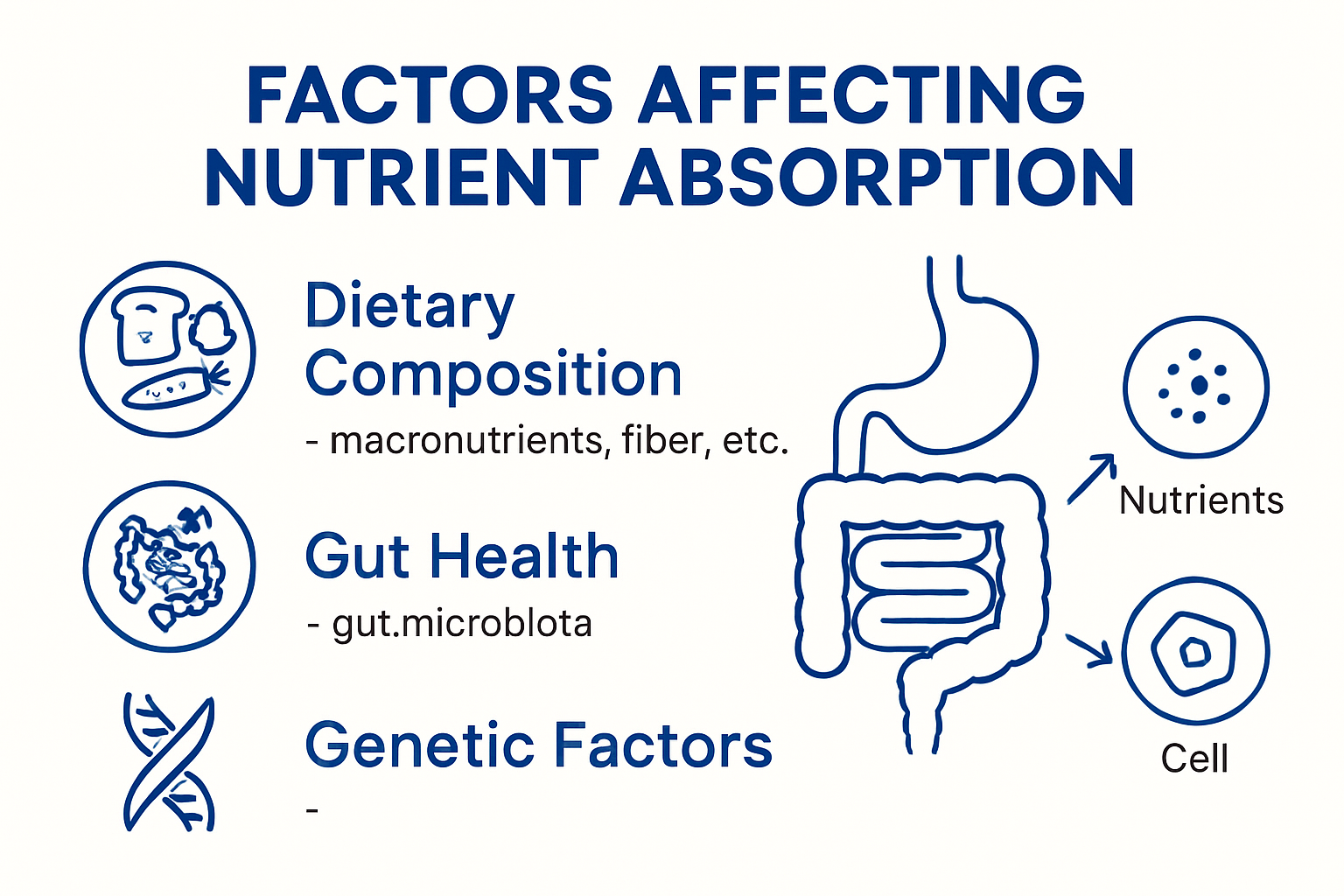
Ultimately, nutrient absorption is not a one-size-fits-all process. Your unique physiological makeup determines how effectively you process and utilize the nutrients you consume. Paying attention to dietary composition, maintaining gut health, and understanding your individual physiological factors can significantly enhance your nutritional outcomes.
How to Increase Nutritional Bioavailability
Improving nutritional bioavailability is a strategic approach to maximizing the health benefits of the nutrients you consume. By implementing targeted dietary and lifestyle modifications, you can significantly enhance your body’s ability to absorb and utilize essential nutrients.
Strategic Food Preparation and Consumption
Research from the National Institutes of Health Office of Dietary Supplements reveals that nutrient absorption can be dramatically improved through specific food preparation techniques and consumption strategies. For instance, consuming heme iron from animal products enhances overall iron bioavailability, while pairing vitamin C with non-heme iron sources can significantly improve iron uptake.
Cooking methods play a crucial role in nutrient accessibility. Techniques like steaming, light cooking, and proper food combinations can break down plant cell walls, making nutrients more readily available. For example, lightly steaming vegetables can increase the bioavailability of certain minerals and vitamins compared to raw or overcooking them. Combining fat-soluble vitamins (A, D, E, K) with healthy fats can improve their absorption, as these vitamins require fat for optimal uptake.
Below is a table comparing cooking and food combination methods and their impact on the bioavailability of key nutrients discussed in this article.
| Method/Pairing | Nutrient(s) Impacted | Effect on Bioavailability | Example |
|---|---|---|---|
| Steaming vegetables | Minerals, vitamins | Increases (prevents loss/destruction) | Steamed broccoli = more available minerals |
| Overcooking (boiling, frying) | Heat-sensitive vitamins | Decreases (destroys some vitamins) | Boiled spinach loses vitamin C |
| Pairing vitamin C with non-heme iron | Iron | Enhances absorption | Orange juice with beans |
| Combining fat-soluble vitamins with fats | Vitamins A, D, E, K | Increases absorption | Olive oil on salad greens |
| Consuming phytate-rich foods | Minerals | Decreases absorption (due to inhibitors) | Whole grains, beans |
Optimizing Digestive Health and Nutrient Absorption
Harvard T.H. Chan School of Public Health emphasizes the critical role of digestive health in nutrient bioavailability. Factors such as stomach acid levels, gut microbiome balance, and overall digestive function significantly impact how effectively nutrients are absorbed.
To enhance digestive health and nutrient absorption, consider these strategies:
- Probiotic Integration: Consume fermented foods or probiotic supplements to support a healthy gut microbiome
- Stress Management: Chronic stress can negatively impact digestion and nutrient absorption
- Hydration: Adequate water intake supports optimal digestive function
Some nutrients require specific conditions for optimal absorption. Vitamin B12, for instance, needs adequate stomach acid and intrinsic factor. Individuals with compromised absorption might benefit from alternative delivery methods like sublingual supplements or injections.
Personalized Nutrition Approaches
Recognizing that nutrient absorption is highly individualized, a personalized approach becomes essential. Factors like age, genetic variations, existing health conditions, and medication use can all influence nutrient bioavailability.
Consider working with healthcare professionals to:
- Conduct Comprehensive Testing: Blood tests can reveal specific nutrient deficiencies
- Develop Tailored Supplement Strategies: Some individuals might require specific forms of nutrients for optimal absorption
- Address Underlying Health Conditions: Conditions like celiac disease or inflammatory bowel disorders can impact nutrient uptake
Additionally, timing of nutrient intake matters. Some nutrients compete for absorption, so spacing out supplement intake and being mindful of potential interactions can improve overall bioavailability.
Ultimately, increasing nutritional bioavailability is about creating a holistic approach to nutrition. It involves understanding your body’s unique needs, implementing strategic dietary practices, supporting digestive health, and remaining adaptable to your changing nutritional requirements. By focusing on absorption as much as intake, you can transform your approach to nutrition and maximize the health benefits of the foods and supplements you consume.
Personalized Strategies for Fitness and Wellness
Personalized nutrition and fitness strategies represent a cutting-edge approach to optimizing health and wellness. By recognizing that each individual’s body responds uniquely to nutrients and exercise, we can develop targeted approaches that maximize performance, recovery, and overall well-being.
Nutrient Timing and Exercise Performance
Research from the National Institutes of Health highlights the critical importance of personalized nutritional strategies in fitness and wellness. Nutrient timing becomes a crucial factor in how effectively your body utilizes nutrients during and after physical activity. Different types of exercise require specific nutritional approaches to support muscle recovery, energy production, and overall performance.
For strength training athletes, protein intake becomes particularly important. Consuming protein within 30 minutes after a workout can significantly enhance muscle protein synthesis and recovery. Endurance athletes, conversely, might focus more on carbohydrate replenishment and electrolyte balance. The key is understanding your specific fitness goals and body’s unique metabolic responses.
Individual Metabolic Profiling
Metabolic profiling offers insights into how your body processes nutrients and responds to different types of exercise. Factors such as genetic makeup, gut microbiome composition, and individual metabolic rates play significant roles in determining the most effective nutritional and fitness strategies.
Some key considerations for individual metabolic profiling include:
- Genetic Variations: Genetic testing can reveal how your body metabolizes nutrients and responds to different types of exercise
- Metabolic Rate Assessment: Understanding your unique metabolic rate helps in designing precise nutritional and exercise plans
- Hormone Balance: Hormonal factors can significantly impact nutrient absorption and physical performance
Holistic Wellness Integration
Wellness is more than just physical performance. A truly personalized approach considers multiple aspects of health, including mental well-being, stress management, and long-term nutritional strategies. This holistic perspective recognizes that fitness and nutrition are interconnected with overall life quality.
Consider these holistic wellness strategies:
- Stress Management: Chronic stress can impact nutrient absorption and metabolic efficiency
- Sleep Optimization: Quality sleep plays a crucial role in recovery and nutrient utilization
- Mental Health Considerations: Psychological factors can significantly influence physical performance and nutritional choices
Implementing a personalized approach requires ongoing assessment and adaptation. Regular health screenings, nutritional assessments, and fitness evaluations can help refine your strategy over time. Working with healthcare professionals who understand the nuanced nature of personalized nutrition can provide invaluable insights.
Ultimately, the goal is to create a dynamic, responsive approach to fitness and wellness. Your body is not a static system but a complex, adaptive organism. By embracing personalization, you can develop a nutrition and fitness strategy that evolves with your changing needs, maximizing your potential for health, performance, and overall well-being.

Frequently Asked Questions
What is nutritional bioavailability?
Nutritional bioavailability refers to how effectively your body absorbs and utilizes nutrients from the food you consume. It measures the percentage of nutrients that can be successfully absorbed by the intestine and available for metabolic processes.
How can food preparation methods affect nutrient absorption?
Food preparation methods, such as steaming or boiling, can impact the bioavailability of nutrients. Steaming often enhances nutrient absorption, while overcooking may destroy some vitamins, reducing their availability in the body.
What factors influence nutrient uptake in the body?
Factors influencing nutrient uptake include food preparation methods, nutrient interactions, individual physiology (age, metabolism), and gut health. These elements determine how efficiently your body absorbs and processes nutrients.
How can I improve my nutrient absorption?
You can improve nutrient absorption by using strategic food preparation methods, maintaining a healthy gut microbiome, and tailoring your dietary strategies based on your individual health needs and conditions.
Take Control of Your Nutrient Absorption with Menalam
If you are frustrated because your diet is full of healthy foods but you are not seeing real results, you are not alone. The challenge of nutritional bioavailability—making sure your body actually absorbs and uses the vitamins and minerals you consume—affects almost everyone. As covered in this article, factors like gut health, food preparation, and personal physiology can make it hard to figure out exactly what your body needs, leaving you unsure about which supplements or nutritional strategies are right for you.
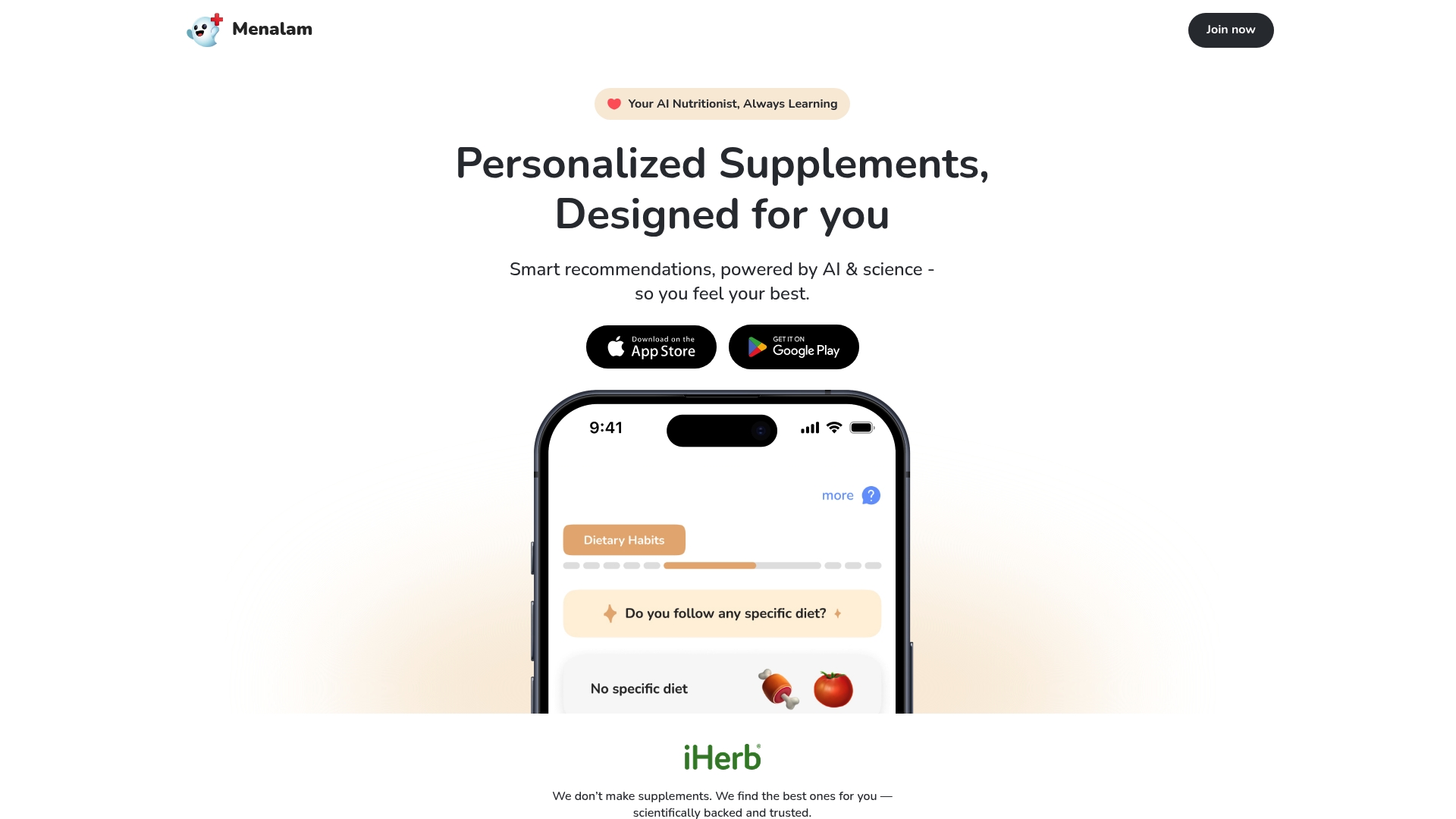
Menalam gives you the clarity and personalization you have been missing. By using artificial intelligence, Menalam analyzes your unique health profile. In just minutes, you can complete a quick quiz and receive a supplement plan tailored to your bioavailability needs and goals. You also get a smart way to track your intake and progress with our mobile app. Ready to finally make your nutrition count? Explore Menalam now and see how simple it is to maximize the value of what you eat. Your body deserves a plan designed just for you.
Leave a Reply