

Most people believe they are eating healthier than they actually are. In fact, research shows that more than 70 percent of Americans overestimate how nutritious their diets really are. Think you can spot all the mistakes on your plate? The real surprises usually hide in your daily habits, not your guilty pleasures.
Table of Contents
- Understanding Common Nutrition Mistakes
- How Nutrition Myths Lead To Mistakes
- Personalizing Nutrition For Better Results
- Smart Ways To Fix Common Nutrition Errors
Quick Summary
| Takeaway | Explanation |
|---|---|
| Understand Your Portion Sizes | Miscalculating portion sizes can lead to overconsumption and weight gain. Measure your food to adjust and control portion sizes effectively. |
| Embrace Nutritional Diversity | Eating a varied diet ensures a balance of nutrients. Try incorporating different protein sources and colorful fruits and vegetables for optimal health. |
| Debunk Nutrition Myths | Misinformation about nutrition can derail efforts; critically evaluate sources and avoid unverified claims that can misguide your eating habits. |
| Personalize Your Nutrition | Tailor dietary choices to your individual needs considering genetics and metabolism for improved outcomes and better health. |
| Implement Gradual Dietary Changes | Make small, progressive changes to your diet rather than drastic shifts. Sustainable modifications lead to lasting improvements in health. |
Understanding Common Nutrition Mistakes
Nutrition is a complex landscape where well-intentioned individuals often make critical mistakes that can significantly impact their health and wellness. Harvard T.H. Chan School of Public Health highlights that many people struggle with fundamental nutrition misconceptions that undermine their dietary goals.
The Portion Size Paradox
One of the most prevalent common nutrition mistakes is misunderstanding portion sizes. Many people dramatically overestimate appropriate serving sizes, leading to unintentional overconsumption of calories. National Institutes of Health research indicates that portion distortion has become a significant contributor to obesity and metabolic disorders in the United States.
Typical missteps include:
- Visual Miscalculation: Believing restaurant servings represent a standard portion
- Plate Size Impact: Using larger plates that encourage excessive food consumption
- Mindless Eating: Consuming food without paying attention to quantity
Understanding portion control requires a strategic approach. Measuring food, using smaller plates, and practicing mindful eating can help individuals recalibrate their perception of appropriate serving sizes.
Nutritional Balance and Diversity
Another critical nutrition mistake involves failing to consume a balanced and diverse diet. Many individuals fall into repetitive eating patterns, consuming the same foods repeatedly and missing essential nutrients. This approach creates significant nutritional gaps that can compromise overall health.
A balanced diet should incorporate:
- Varied Protein Sources: Including plant and animal proteins
- Complex Carbohydrates: Whole grains and fiber-rich options
- Micronutrient Diversity: Different colored fruits and vegetables
By intentionally diversifying food choices, individuals can ensure they receive a comprehensive range of vitamins, minerals, and macronutrients necessary for optimal functioning.
Navigating nutrition requires ongoing education and self-awareness. Recognizing these common mistakes is the first step toward developing a more informed and strategic approach to dietary health. Understanding portion sizes, embracing nutritional diversity, and maintaining a conscious relationship with food can transform nutritional outcomes and support long-term wellness goals.
How Nutrition Myths Lead to Mistakes
Nutrition myths have long plagued health-conscious individuals, creating a minefield of misinformation that can derail even the most well-intentioned dietary efforts. Stanford Medicine reveals that these persistent myths can significantly impact personal health choices, leading individuals down paths of nutritional misconception.
The Origins of Nutritional Misinformation
Misinformation spreads rapidly through social media, popular diet trends, and unreliable health sources. Johns Hopkins University School of Public Health research demonstrates that unverified nutrition claims can quickly become widely accepted beliefs, despite lacking scientific substantiation.
Common sources of nutrition myths include:
- Social Media Influencers: Individuals with no nutritional credentials spreading unverified dietary advice
- Sensationalized Media Headlines: Clickbait articles that oversimplify complex nutritional science
- Marketing Campaigns: Food and supplement industries promoting misleading health claims
To help clarify the origins of nutritional misinformation, the following table summarizes common sources and their impact as mentioned in the article.
| Source | Description |
|---|---|
| Social Media Influencers | Unqualified individuals spreading unverified dietary advice |
| Sensationalized Media Headlines | Headlines that oversimplify complex nutritional science |
| Marketing Campaigns | Food/supplement industries promoting misleading health claims |
Debunking Persistent Nutrition Misconceptions
Several deeply ingrained nutrition myths continue to misguide people’s dietary choices. These misconceptions can lead to harmful nutritional practices that compromise overall health and wellness.
Widely believed myths that need critical examination:
- Low-Fat Equals Healthy: The misconception that all low-fat foods are automatically nutritious
- Supplement Superiority: Believing supplements can completely replace a balanced diet
- Single Nutrient Solutions: The idea that one specific food or nutrient can solve all health problems
Critical thinking and scientific literacy are essential in navigating the complex world of nutrition. People must learn to question popular claims, seek evidence-based information, and understand that nutrition is a nuanced field requiring comprehensive approach.
The impact of these myths extends beyond individual health choices. They create systemic misunderstandings about nutrition that can influence dietary guidelines, public health policies, and personal wellness strategies. By recognizing and challenging these myths, individuals can make more informed decisions about their nutritional intake and overall health.
Personalizing Nutrition for Better Results
Nutrition is not a universal concept but a deeply individual journey that requires tailored approaches. Nutrients journal research highlights that personalized nutrition strategies considering genetics, microbiome composition, and metabolic biomarkers demonstrate significantly more effective outcomes compared to generic dietary recommendations.
Understanding Individual Nutritional Needs
Every person’s body responds differently to nutrients, making a personalized approach crucial for optimal health. Mayo Clinic research indicates that factors like age, gender, genetic predispositions, activity levels, and metabolic rates profoundly influence nutritional requirements.
Key considerations for personalized nutrition include:
- Genetic Variations: Understanding how specific genes impact nutrient metabolism
- Metabolic Differences: Recognizing individual energy expenditure and processing capabilities
- Health Background: Accounting for existing medical conditions and family health history
Technological Approaches to Nutritional Personalization
Advanced technologies are revolutionizing how individuals approach nutritional planning. Emerging tools like genetic testing, metabolic profiling, and AI-driven health assessments enable more precise dietary recommendations.
Innovative personalization strategies involve:
- Genetic Nutrient Testing: Identifying specific nutritional needs based on genetic markers
- Microbiome Analysis: Understanding individual gut bacteria composition
- Blood Biomarker Assessments: Tracking metabolic indicators for targeted nutritional interventions
The future of nutrition lies in recognizing that a universal diet plan is ineffective. Personalized nutrition acknowledges human biological diversity, offering targeted strategies that consider individual physiological nuances. By embracing data-driven, customized approaches, individuals can optimize their dietary choices, supporting better health outcomes and overall wellness.
Smart Ways to Fix Common Nutrition Errors
Harvard T.H. Chan School of Public Health highlights that addressing nutrition errors requires strategic, intentional approaches that go beyond simple dietary adjustments. Transforming nutritional habits demands a comprehensive understanding of how small changes can yield significant health improvements.
Rebuilding Nutritional Foundations
American Journal of Clinical Nutrition research suggests that repairing nutritional errors begins with establishing fundamental dietary principles. Most individuals struggle not because of complex nutritional challenges, but due to basic misunderstandings about balanced eating.
Strategic foundational rebuilding involves:
- Whole Food Prioritization: Replacing processed items with nutrient-dense alternatives
- Macronutrient Balance: Understanding proper protein, carbohydrate, and fat proportions
- Mindful Eating Practices: Developing awareness of hunger signals and nutritional needs
Practical Implementation Strategies
Transitioning from nutritional knowledge to practical application requires actionable steps. Creating sustainable dietary changes means developing realistic, achievable modifications that integrate seamlessly into daily life.
Effective implementation techniques include:
- Gradual Substitution: Replacing unhealthy foods with nutritionally superior options
- Meal Preparation: Planning and preparing balanced meals in advance
- Nutrition Tracking: Using digital tools to monitor dietary intake and nutritional balance
The article outlines practical strategies for implementing healthy eating habits. The following table organizes these approaches for easier reference.
| Implementation Strategy | Description |
|---|---|
| Gradual Substitution | Replacing unhealthy foods with nutritionally superior options |
| Meal Preparation | Planning and preparing balanced meals in advance |
| Nutrition Tracking | Using digital tools to monitor dietary intake and nutritional balance |
Successful nutrition transformation is not about perfection but consistent, incremental improvements.
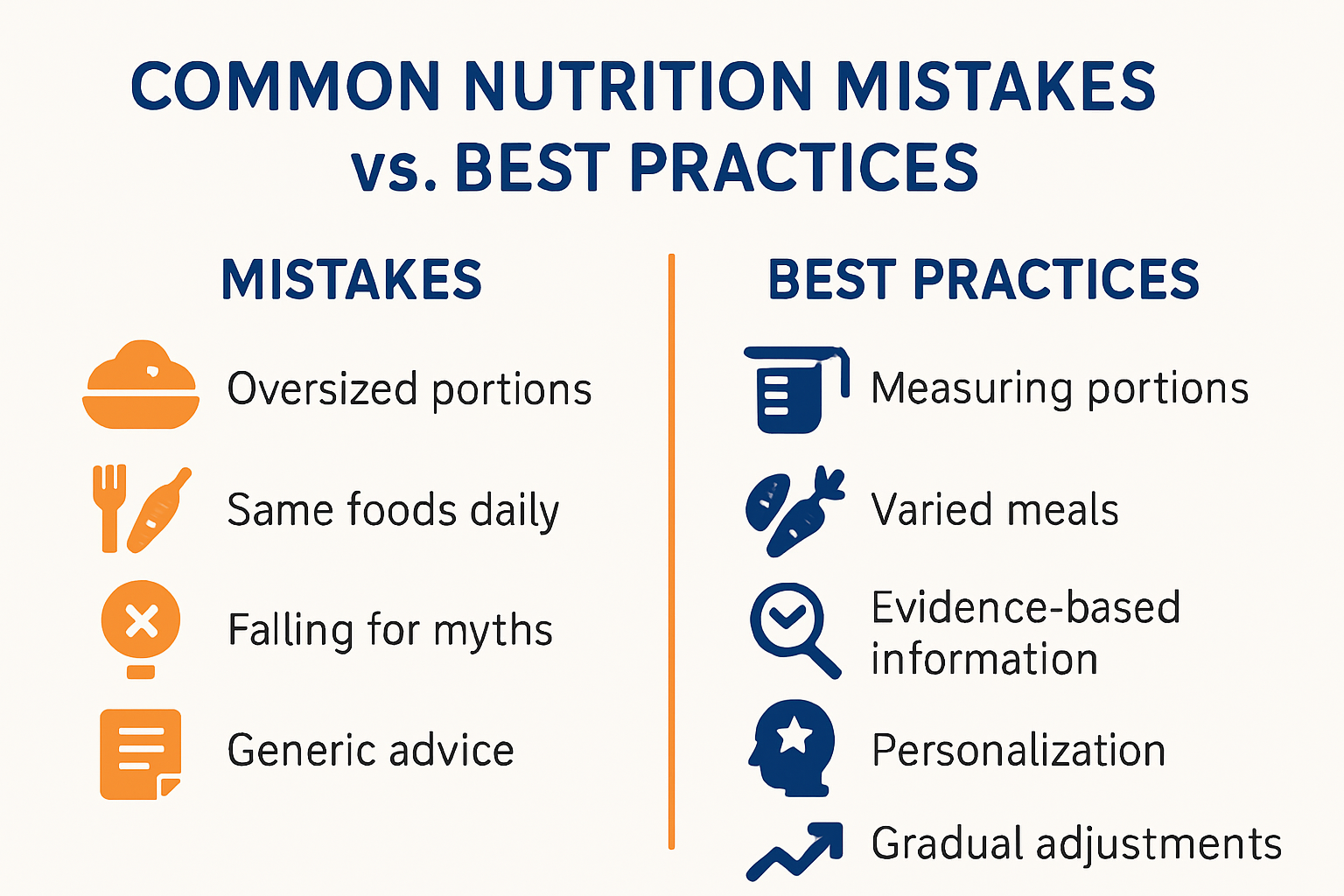
By understanding individual nutritional needs, challenging existing habits, and implementing strategic changes, individuals can progressively optimize their dietary patterns.

The journey toward better nutrition is continuous and dynamic. Each small adjustment builds toward a comprehensive approach to health, demonstrating that meaningful change happens through persistent, informed choices. Recognizing common nutrition errors is just the beginning of creating a more intentional, health-focused relationship with food.
Frequently Asked Questions
What are common nutrition mistakes?
Many common nutrition mistakes include misunderstanding portion sizes, failing to maintain a varied diet, and relying on nutrition myths that can misguide healthy eating habits.
How can I control my portion sizes effectively?
To control portion sizes, measure your food accurately, use smaller plates, and practice mindful eating to avoid unintentional overconsumption of calories.
Why is nutritional diversity important?
Nutritional diversity is essential because it ensures you obtain a comprehensive range of vitamins and minerals necessary for optimal health, preventing nutrient deficiencies.
How can I personalize my nutritional needs?
You can personalize your nutritional needs by considering factors such as genetics, activity levels, and metabolic rates. Utilizing tools like genetic testing and dietary tracking apps can further help tailor your nutrition plan.
Ready to Avoid Common Nutrition Mistakes? Personalize Your Solution Now
Have you noticed how easily portion control errors and nutrition myths sneak into your everyday choices? Even with the best intentions, it is challenging to truly understand what your body needs. As discussed in this article, mistakes like misjudging serving sizes and falling for nutrition misconceptions can keep you from achieving your health goals. Imagine if you could remove the guesswork and finally get a plan tailored to your real nutritional needs.
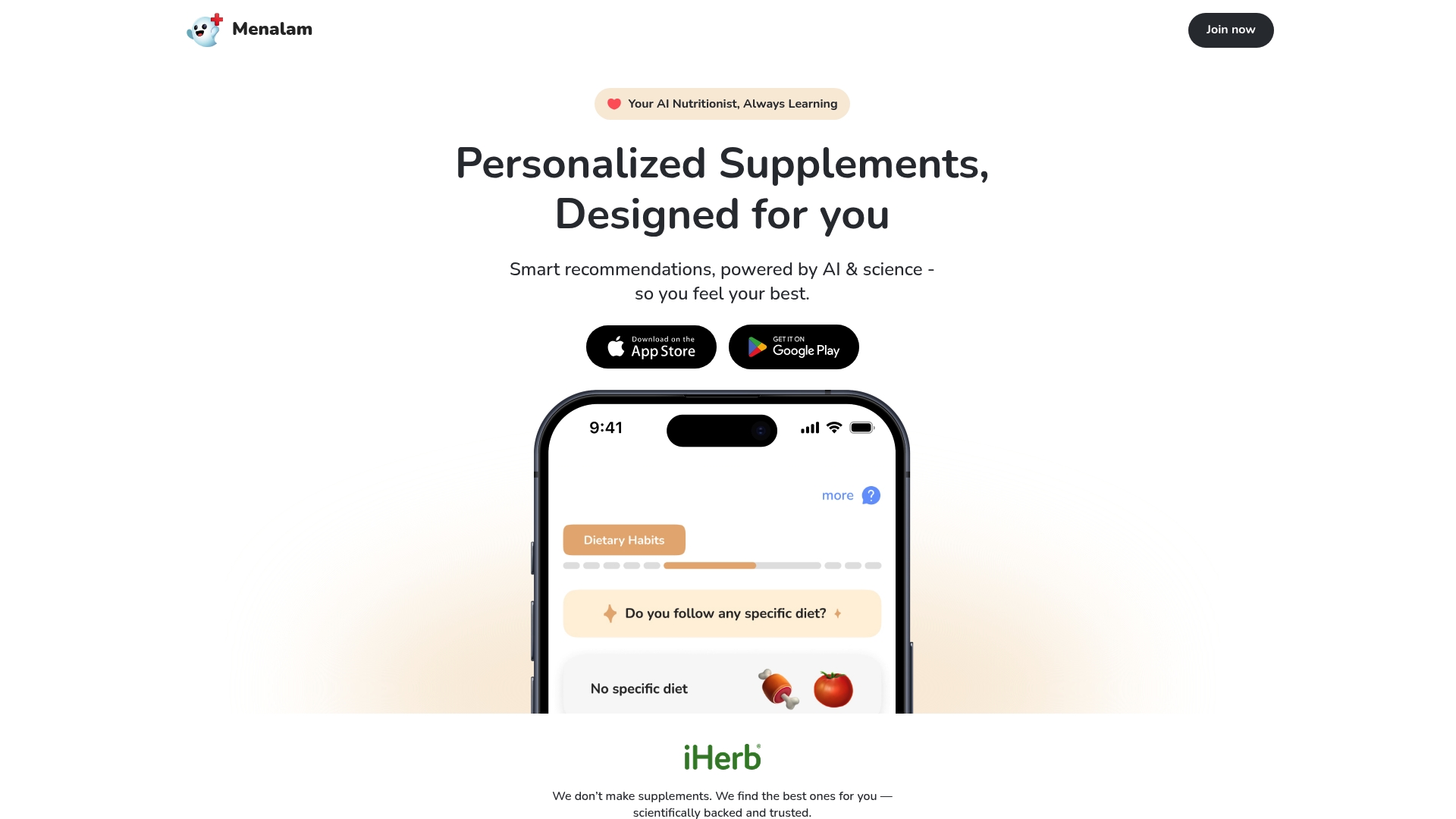
Let Menalam guide you toward smarter decisions. Take a quick health quiz at Menalam and receive personalized supplement recommendations built for your lifestyle. Track your progress and get science-backed support with our mobile app. Make your nutrition more effective today by discovering what your body actually needs. Visit Menalam’s main platform and start transforming your nutrition approach now.
Leave a Reply