

Micronutrients might seem like tiny details in your diet, but they are the quiet force behind vital body functions. Most people are shocked to learn that over two billion people worldwide suffer from micronutrient deficiencies. It is easy to believe you are covered just by eating well, but subtle signs often go unnoticed and the real dangers of missing these nutrients run much deeper than most expect.
Table of Contents
- What Are Micronutrients And Why They Matter
- Key Micronutrients For Optimal Health
- Micronutrient Deficiency: Signs And Risks
- Practical Tips For Meeting Micronutrient Needs
Quick Summary
| Takeaway | Explanation |
|---|---|
| Micronutrients are essential for health | These nutrients are critical for bodily functions and disease prevention, despite being required in small amounts. |
| Deficiencies can lead to serious health issues | Lack of specific micronutrients can impair immune function, cognitive performance, and overall physical wellness. |
| Personalized nutrition is key | Individual micronutrient needs vary based on factors like age and health, necessitating tailored dietary strategies. |
| Dietary diversity enhances nutrient intake | Consuming a wide range of whole foods ensures adequate micronutrient levels and boosts overall health. |
| Professional guidance on supplementation is important | Before taking supplements, consult healthcare providers to tailor strategies to individual needs and avoid risks. |
What Are Micronutrients and Why They Matter
Micronutrients are tiny but mighty nutritional powerhouses that play a critical role in maintaining optimal human health. Unlike macronutrients such as proteins, carbohydrates, and fats, micronutrients are needed in small quantities but have an outsized impact on our body’s functioning. These essential nutrients include vitamins and minerals that support everything from immune system performance to cellular metabolism.
The Fundamental Role of Micronutrients in Human Physiology
According to Harvard T.H. Chan School of Public Health, micronutrients are crucial for preventing chronic diseases and supporting overall bodily functions. Vitamins like A, D, E, and K, along with minerals such as iron, zinc, and calcium, work behind the scenes to ensure your body operates at peak efficiency.
Each micronutrient serves a unique purpose. For instance, vitamin D helps calcium absorption and bone health, while iron is essential for oxygen transportation in the blood. Zinc plays a critical role in immune function, and B vitamins are fundamental in energy production and neurological processes. These nutrients do not provide calories but are instrumental in converting food into energy, supporting growth, and maintaining complex biological systems.
Here is a summary table highlighting the key functions and deficiency consequences for several essential vitamins and minerals discussed in this section:
| Micronutrient | Key Functions | Deficiency Effects |
|---|---|---|
| Vitamin D | Calcium absorption, bone health, immune function | Bone issues, increased infection risk |
| B Vitamins | Energy metabolism, brain function, neurological health | Reduced cognition, fatigue |
| Vitamin C | Antioxidant, immune support, collagen synthesis | Weakened immunity, poor wound healing |
| Iron | Oxygen transport in blood | Fatigue, weakness, anemia |
| Calcium | Bone structure, muscular function | Bone loss, muscle cramps |
| Magnesium | Muscle/nerve function, energy production | Muscle weakness, low energy |
| Zinc | Immune function, wound healing | Weakened immunity, sensory loss |
Consequences of Micronutrient Deficiencies
Micronutrient deficiencies can lead to significant health complications. National Institutes of Health research indicates that inadequate intake of specific micronutrients can result in compromised immune function, reduced cognitive performance, and increased susceptibility to various diseases.
Some common consequences of micronutrient deficiencies include:
- Weakened Immune System: Insufficient zinc, vitamin C, and vitamin D can reduce the body’s ability to fight infections.
- Impaired Cognitive Function: Low levels of B vitamins and iron can negatively impact brain performance and mental clarity.
- Reduced Physical Performance: Micronutrient gaps can lead to decreased energy levels and slower recovery from physical activities.
Understanding the importance of micronutrients is the first step toward optimizing your nutritional intake. While a balanced diet remains the primary source of these essential nutrients, many individuals find it challenging to meet their daily requirements through food alone. This is where targeted supplementation and personalized nutrition strategies can play a crucial role in maintaining optimal health and preventing potential deficiencies.
The complexity of micronutrient interactions underscores the need for a comprehensive approach to nutrition. Each person’s micronutrient requirements can vary based on factors like age, gender, lifestyle, and existing health conditions. This variability highlights the importance of personalized nutrition solutions that can accurately assess and address individual micronutrient needs.
Key Micronutrients for Optimal Health
Navigating the world of micronutrients requires understanding the specific roles and importance of various vitamins and minerals that contribute to our overall health. While the human body needs numerous micronutrients, some stand out as particularly crucial for maintaining optimal physiological function and preventing potential health complications.
Essential Vitamins for Comprehensive Wellness
The National Institutes of Health highlights several key vitamins that play critical roles in human health. Vitamin D emerges as a powerhouse nutrient, essential for bone health, immune function, and potential disease prevention. Unlike many other vitamins, vitamin D can be synthesized by the body through sunlight exposure, though many individuals still require supplementation to maintain adequate levels.
B vitamins form another crucial group of micronutrients. This complex of eight different vitamins works synergistically to support energy metabolism, brain function, and cellular health. Harvard T.H. Chan School of Public Health explains that B vitamins are water-soluble and play a fundamental role in converting food into energy, supporting neurological processes, and maintaining healthy skin, hair, and nervous system.
Vitamin C stands out for its powerful antioxidant properties and critical role in immune system support. This vitamin helps protect cells from damage, supports collagen production, and enhances the body’s ability to fight infections. Interestingly, humans cannot produce vitamin C internally, making dietary intake or supplementation essential for maintaining optimal health.
Critical Minerals for Bodily Functions
Minerals play equally important roles in maintaining various bodily functions. Iron stands at the forefront of essential minerals, crucial for oxygen transportation through hemoglobin in red blood cells. An iron deficiency can lead to anemia, resulting in fatigue, weakness, and compromised immune function.
Calcium and magnesium represent another pair of critical minerals. Calcium is well-known for its role in bone health, while magnesium supports muscle and nerve function, energy production, and helps regulate other mineral levels in the body. Zinc emerges as another vital mineral, playing a significant role in immune response, wound healing, and maintaining sensory functions like taste and smell.
Personalized Micronutrient Strategies
Recognizing that micronutrient needs vary significantly between individuals, experts recommend a personalized approach to nutrition. Factors such as age, gender, lifestyle, existing health conditions, and dietary patterns can dramatically influence micronutrient requirements.
While a balanced diet remains the primary source of these essential nutrients, many individuals struggle to meet their complete nutritional needs through food alone. This gap highlights the importance of targeted supplementation and comprehensive nutritional assessments that can identify specific micronutrient deficiencies or imbalances.

The complexity of micronutrient interactions underscores the need for a holistic approach to nutrition. Each micronutrient works in concert with others, creating intricate metabolic pathways that support overall health and prevent potential disease development. Understanding these relationships empowers individuals to make informed decisions about their dietary intake and potential supplementation needs.
Micronutrient Deficiency: Signs and Risks
Micronutrient deficiencies represent a silent yet significant health challenge that can impact individuals across all ages and backgrounds. These nutritional gaps often develop gradually, with symptoms that can be subtle and easily overlooked, making early detection and intervention critical for maintaining long-term health and preventing potential chronic conditions.
Recognizing the Subtle Symptoms of Micronutrient Deficiencies
The National Academies of Sciences, Engineering, and Medicine highlights the complex health consequences of micronutrient deficiencies. Unlike acute nutritional problems, these deficiencies can manifest through a range of seemingly unrelated symptoms that many people might attribute to other health issues or simply aging.
Iron deficiency, for instance, often presents through persistent fatigue, weakness, pale skin, and reduced cognitive performance. Women and vegetarians are particularly susceptible to this type of deficiency. Vitamin D insufficiency might not show immediate signs but can lead to long-term bone density issues, increased risk of infections, and potential mood disorders.
The following table summarizes common subtle symptoms of micronutrient deficiencies and the main micronutrients involved, helping readers recognize potential warning signs:
| Symptom | Potential Micronutrient Deficiency | Notes/Susceptible Groups |
|---|---|---|
| Persistent fatigue/weakness | Iron, B Vitamins, Magnesium | Women, vegetarians, those with low intake |
| Pale skin | Iron | Often with anemia |
| Reduced cognitive performance | Iron, B12, B Vitamins | Elderly, those with absorption issues |
| Tingling sensations | B12 | Slow onset, neurological impact |
| Mood changes | B12, Vitamin D | May include sadness, irritability |
| Bone density loss | Vitamin D, Calcium | Older adults, little sun exposure |
| Increased infection risk | Zinc, Vitamin C, Vitamin D | General population, immunocompromised |
B12 deficiency can be especially insidious, presenting through neurological symptoms like tingling sensations, memory problems, and unexplained mood changes. These symptoms can develop slowly, making them challenging to diagnose without specific blood tests.
Long-Term Health Risks of Chronic Micronutrient Insufficiency
Prolonged micronutrient deficiencies can trigger significant health complications that extend far beyond immediate symptoms. Chronic deficiencies can compromise immune function, impair metabolic processes, and increase susceptibility to various chronic diseases.
- Compromised Immune Response: Low levels of zinc, vitamin C, and vitamin D can dramatically reduce the body’s ability to fight infections and heal effectively.
- Metabolic Disruptions: Insufficient B vitamins can impair energy metabolism, leading to persistent fatigue and reduced physical performance.
- Cognitive Decline: Deficiencies in iron, B12, and vitamin D have been linked to potential neurological issues and accelerated cognitive aging.
Proactive Strategies for Prevention and Management
Addressing micronutrient deficiencies requires a comprehensive and personalized approach. Standard dietary recommendations often fall short in capturing individual nutritional needs, which can vary significantly based on factors like genetics, lifestyle, age, and existing health conditions.
Regular blood testing emerges as a critical strategy for identifying potential micronutrient gaps. These tests can provide precise insights into specific deficiencies, allowing for targeted interventions. Nutritional supplementation, when guided by professional assessment, can effectively restore micronutrient balance and mitigate potential health risks.
Lifestyle modifications also play a crucial role. This includes diversifying dietary intake, considering food preparation methods that preserve nutrient content, and understanding how factors like stress, medication, and chronic conditions can impact micronutrient absorption.
The complexity of micronutrient interactions underscores the importance of a holistic approach to nutrition. Each individual’s micronutrient profile is unique, requiring personalized strategies that go beyond generic supplementation recommendations. By understanding the nuanced signs of deficiency and taking proactive steps, individuals can protect their health and optimize their nutritional well-being.
Practical Tips for Meeting Micronutrient Needs
Addressing micronutrient needs requires a strategic and holistic approach that goes beyond simple dietary recommendations. Understanding how to effectively incorporate essential nutrients into daily life involves comprehensive nutritional planning, smart food choices, and personalized strategies tailored to individual health requirements.
Dietary Strategies for Micronutrient Optimization
The Linus Pauling Institute recommends following specific eating patterns to ensure comprehensive micronutrient intake. These include the Healthy US-style Eating Pattern, Mediterranean-style Eating Pattern, and Vegetarian Eating Pattern, each designed to provide a balanced spectrum of essential nutrients.
Dietary diversification stands as a key principle in meeting micronutrient needs. This means incorporating a wide range of whole foods such as colorful vegetables, fruits, legumes, whole grains, lean proteins, nuts, and seeds. Each food group contributes unique micronutrients, creating a synergistic nutritional profile that supports overall health.
Special attention should be given to food preparation methods. Some cooking techniques can either enhance or diminish nutrient availability. Steaming vegetables, for instance, preserves more water-soluble vitamins compared to boiling, while light cooking can improve the bioavailability of certain minerals.
Strategic Food Selection and Nutrient Absorption
The Food and Agriculture Organization highlights innovative approaches to increasing micronutrient intake. These include developing home and community vegetable gardens, which not only provide fresh, nutrient-rich produce but also promote sustainable food systems.
Understanding nutrient interactions is crucial for optimal absorption. Some micronutrients work synergistically, while others can inhibit absorption. For example, vitamin C enhances iron absorption, whereas calcium can interfere with iron uptake. Consuming foods with complementary nutrients or timing meals strategically can significantly improve overall nutrient assimilation.
Certain populations may require more targeted approaches. Vegetarians and vegans, for instance, need to be particularly mindful of nutrients like vitamin B12, iron, and zinc, which are more commonly found in animal products. Plant-based sources and fortified foods can help bridge these nutritional gaps.
When Supplementation Becomes Necessary
The National Center for Biotechnology Information emphasizes that while whole foods should be the primary source of micronutrients, supplementation can be crucial in specific circumstances. Factors such as age, pregnancy, chronic health conditions, dietary restrictions, and individual metabolic variations can create scenarios where targeted supplementation becomes beneficial.
Before starting any supplement regimen, consulting healthcare professionals is essential. Blood tests can provide precise insights into individual micronutrient levels, helping design personalized supplementation strategies. This approach ensures that interventions are both necessary and safe, avoiding potential risks associated with excessive micronutrient consumption.
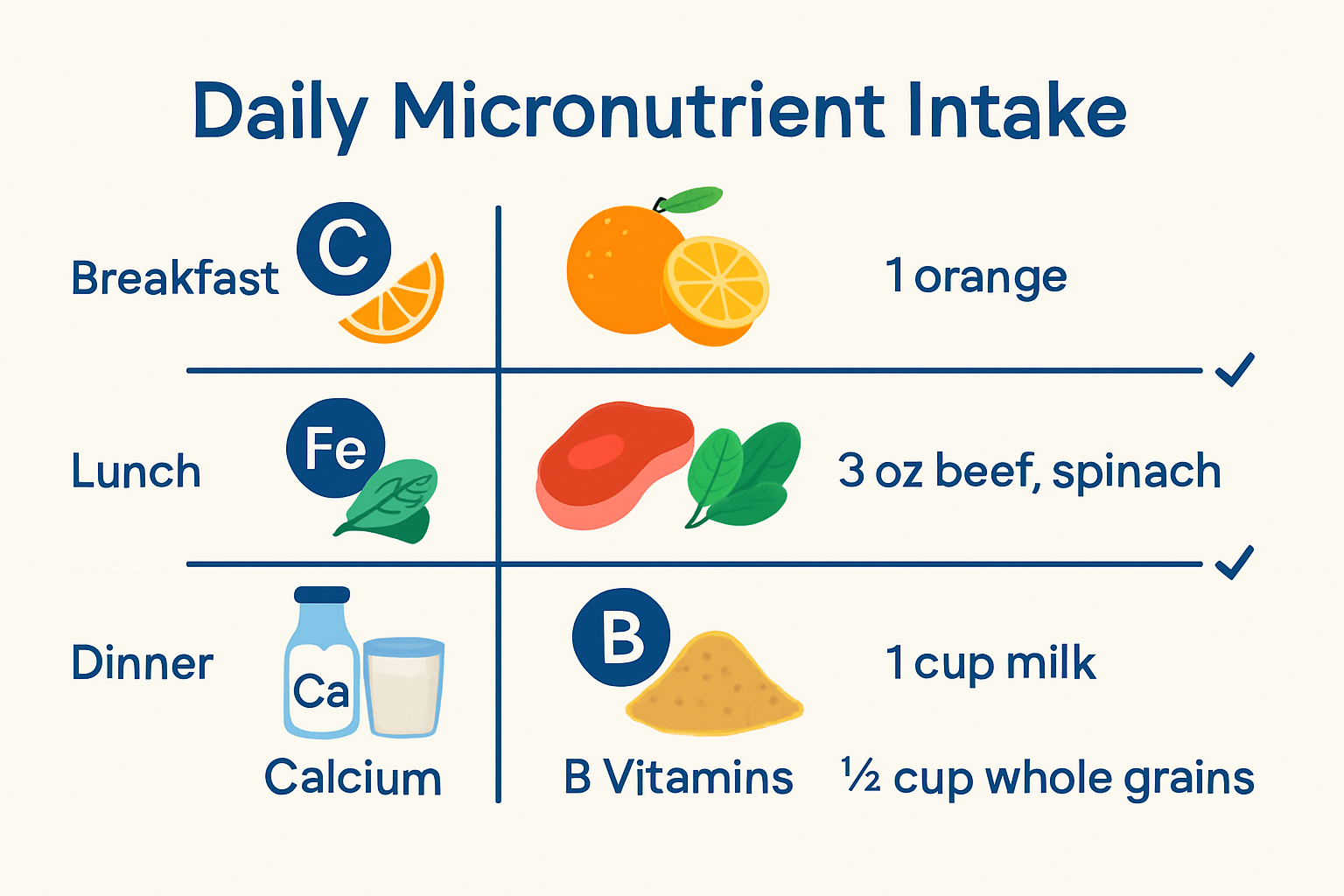
The journey to meeting micronutrient needs is highly individualized. What works for one person may not be optimal for another. Continuous monitoring, willingness to adjust dietary strategies, and staying informed about nutritional science are key to maintaining long-term health and preventing micronutrient-related complications.
Frequently Asked Questions
What are micronutrients and why are they important?
Micronutrients are essential vitamins and minerals required in small amounts that play critical roles in bodily functions, such as immune support, energy metabolism, and disease prevention.
How can I recognize signs of micronutrient deficiencies?
Common signs include persistent fatigue, weakened immune response, pale skin, and impaired cognitive function. Many deficiencies can present subtle symptoms that may be overlooked without proper assessment.
What are some dietary strategies to optimize micronutrient intake?
Incorporating a wide variety of whole foods, including colorful vegetables, fruits, legumes, and lean proteins, is crucial. Cooking methods, such as steaming rather than boiling, can also help preserve nutrient content.
When should I consider micronutrient supplementation?
Supplementation may become necessary when dietary intake is insufficient due to factors like age, pregnancy, chronic health conditions, or specific dietary restrictions. It is important to consult a healthcare professional before starting any supplementation.
Take Control of Your Micronutrient Health—Personalized Solutions at Your Fingertips
Are you worried about missing hidden signs of micronutrient deficiencies despite your best efforts to eat well? The article has shown that subtle symptoms like fatigue and lowered immunity can quietly disrupt your daily life. Many people struggle to translate generic nutrition advice into a plan that matches their unique health profile. A one-size-fits-all approach simply fails to address gaps shaped by personal lifestyle, dietary habits, and even genetics. If you want real answers and a lasting solution, it is time to rethink your strategy.

Experience the difference of aligning your vitamin and supplement plan with your actual needs. At Menalam, you can take a quick health quiz to receive science-backed supplement recommendations tailored just for you. Seamlessly integrate your health data and even track your progress with our easy-to-use mobile app. Stop guessing about your nutrition—visit Menalam now to discover how personalized insights can support your wellness journey and help you fill those critical micronutrient gaps. The sooner you start, the sooner you empower your health.
Leave a Reply