

Most people start a new diet armed with hope and grit, only to watch their motivation fizzle out within weeks. Turns out, research shows that diet motivation drops sharply for nearly 75 percent of people after just three months. But what if lack of willpower is not the main problem after all? Scientists have discovered that motivation slip comes from how your brain and environment are hardwired, not your discipline. Understanding this could completely change the way you approach healthy eating.
Table of Contents
- Understanding Why Diet Motivation Fades
- Personalized Nutrition Plans For Lasting Success
- Tech Tools And Tracking For Motivation
- Expert Tips: Staying Positive And Accountable
Quick Summary
| Takeaway | Explanation |
|---|---|
| Understand underlying motivations | Recognizing why diet motivation fades helps in creating effective strategies for lasting change. |
| Personalize your nutrition plan | Custom nutrition plans cater to individual needs and preferences, enhancing commitment and success. |
| Utilize technology for tracking | Digital tools provide insights and behavioral feedback, making dietary goals tangible and engaging. |
| Set SMART goals for clarity | Specific, measurable, achievable, relevant, and time-bound goals provide clear pathways to nutritional success. |
| Practice positive reinforcement | Celebrating small victories and maintaining self-compassion fosters a supportive relationship with nutrition. |
Understanding Why Diet Motivation Fades
Staying motivated with diet is a complex psychological journey that challenges even the most dedicated individuals. Despite initial enthusiasm and commitment, many people find their dietary resolve crumbling within weeks or months. Understanding the underlying mechanisms that cause diet motivation to fade is crucial for developing sustainable strategies for long term health and nutritional success.
The Psychological Landscape of Diet Motivation
Diet motivation is deeply rooted in psychological mechanisms that extend far beyond simple willpower. Research from the International Journal of Environmental Research and Public Health reveals that diet motivation typically declines due to a complex interplay of psychological and physiological factors. The human brain is wired to seek immediate gratification and resist sustained behavioral changes, which makes maintaining dietary goals inherently challenging.
Habituation plays a significant role in motivation erosion. When individuals first start a new diet, they experience novelty and excitement. However, as time progresses, the initial dopamine rush associated with dietary changes diminishes. This neurological adaptation means what once felt rewarding becomes routine, reducing the psychological incentive to continue.
Environmental and Physiological Triggers
Research from Harvard T.H. Chan School of Public Health highlights that environmental and physiological triggers significantly impact diet motivation. Stress, social cues, and restrictive eating patterns can rapidly undermine an individual’s commitment to nutritional goals. When people feel deprived or constantly battling against their natural eating instincts, motivation inevitably wanes.
Physiological factors such as hormonal changes, metabolic adaptations, and hunger signals also contribute to diet motivation decline. The body’s complex biological systems are designed to maintain homeostasis, which means aggressive dietary changes trigger compensatory mechanisms that make sustained transformation difficult. Leptin and ghrelin hormones, which regulate hunger and satiety, can become dysregulated during prolonged dietary restrictions, further challenging an individual’s motivational framework.
To clarify how environmental and physiological factors impact diet motivation, here’s a summary of the key triggers and their effects discussed above:
| Trigger | Description | Effect on Motivation |
|---|---|---|
| Stress | Emotional or psychological tension, often from work or life situations | Undermines commitment |
| Social Cues | Eating habits influenced by friends, family, or social gatherings | Disrupts adherence |
| Restrictive Eating Patterns | Highly limiting diets leading to feelings of deprivation | Lowers motivation |
| Hormonal Changes | Shifts in leptin and ghrelin levels which regulate hunger and satiety | Increases hunger/cravings |
| Metabolic Adaptations | The body’s natural response to sustained calorie reduction | Reduces long-term compliance |
| Hunger Signals | Natural cues that prompt eating, intensified by restrictive dieting | Weakens dietary resolve |
Breaking the Motivation Cycle
Recognizing why diet motivation fades is the first step toward developing more effective, sustainable nutritional strategies. Instead of viewing diet as a temporary intervention, individuals must approach nutritional changes as holistic lifestyle transformations. This requires understanding personal psychological patterns, creating flexible frameworks, and developing intrinsic motivation that transcends short term goals.
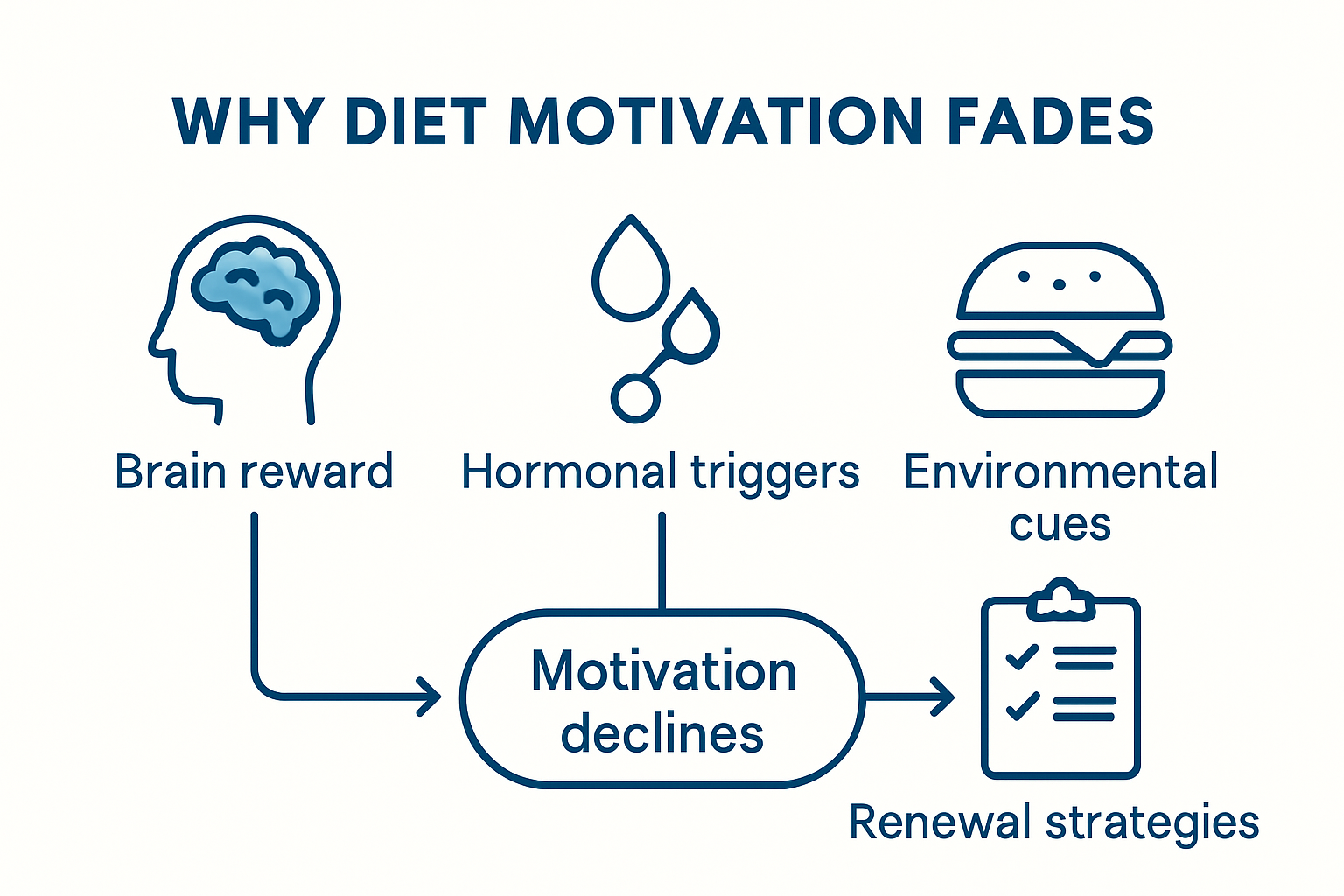
Successful diet motivation relies on creating systems that accommodate human psychological limitations. This means designing nutritional approaches that are personalized, adaptable, and aligned with individual preferences and neurological reward mechanisms. By understanding the complex interplay between psychological, environmental, and physiological factors, individuals can develop more resilient approaches to dietary change that support long term health and wellness.
Personalized Nutrition Plans for Lasting Success
Creating a sustainable approach to nutrition requires moving beyond generic diet recommendations and embracing personalized strategies that align with individual physiological needs, lifestyle constraints, and personal preferences. Personalized nutrition plans represent a transformative approach to dietary success, recognizing that one size does not fit all when it comes to health and wellness.
The Science of Individualized Nutritional Strategies
Research published in the National Institutes of Health demonstrates that structured and prescriptive dietary interventions can significantly reduce dysfunctional eating behaviors. Personalized nutrition plans go beyond simple calorie counting, diving deep into an individual’s unique metabolic profile, genetic predispositions, and specific health objectives.
These tailored approaches consider multiple factors including body composition, metabolic rate, activity levels, existing health conditions, and personal dietary preferences. By creating a nutrition plan that feels less like a restrictive diet and more like a customized lifestyle approach, individuals are more likely to maintain long term commitment and see meaningful results.
Technology Driving Personalized Nutrition
Digital behavioral research reveals that intensive support and tailored feedback dramatically improve adherence to dietary behaviors. Modern technology enables unprecedented levels of nutritional customization, leveraging data from health assessments, genetic testing, blood work, and continuous monitoring to create precise dietary recommendations.
Advanced algorithms and artificial intelligence can now analyze multiple data points to generate nutrition plans that adapt in real time. These intelligent systems consider not just static health metrics but dynamic factors like stress levels, sleep quality, and daily activity, providing recommendations that evolve with an individual’s changing health landscape.
Building a Sustainable Nutritional Framework
Successful personalized nutrition plans transcend traditional dietary restrictions. They focus on creating a holistic approach that integrates seamlessly into an individual’s lifestyle. This means developing meal strategies that are not only nutritionally sound but also practically achievable, culturally appropriate, and genuinely enjoyable.
Key elements of an effective personalized nutrition plan include flexible meal structures, education about individual nutritional needs, strategies for managing social eating scenarios, and continuous feedback mechanisms. By treating nutrition as a dynamic, personalized journey rather than a static set of rules, individuals can develop a more positive and sustainable relationship with their dietary choices.
Ultimately, personalized nutrition represents the future of dietary health. It empowers individuals to understand their unique physiological needs, make informed choices, and create lasting nutritional habits that support long term wellness and vitality.
Tech Tools and Tracking for Motivation
In the digital age, technology has emerged as a powerful ally in staying motivated with diet, transforming how individuals approach nutritional goals and personal health tracking. Modern technological solutions provide unprecedented insights, accountability, and engagement that can significantly enhance dietary motivation and long term success.
Digital Self Monitoring and Behavioral Insights
Research in mobile health applications demonstrates that digital tracking tools dramatically improve dietary adherence and motivation. These sophisticated platforms go beyond simple calorie counting, offering comprehensive behavioral analysis that helps users understand their eating patterns, emotional triggers, and nutritional challenges.
Digital tracking tools leverage advanced algorithms to provide real time feedback, visualizing progress through intuitive dashboards and personalized insights. By transforming abstract health data into concrete, actionable information, these technologies make nutritional goals feel more tangible and achievable. Users can see immediate connections between their dietary choices and overall health metrics, creating a powerful motivational feedback loop.
Smart Integration and Holistic Health Tracking
Modern health tracking technologies integrate multiple data streams, creating a comprehensive view of an individual’s wellness journey. Wearable devices, smartphone applications, and smart scales now communicate seamlessly, collecting data on physical activity, sleep patterns, nutritional intake, and metabolic health. This holistic approach provides users with a nuanced understanding of how different lifestyle factors interconnect and influence dietary success.
These integrated systems can generate predictive insights, offering personalized recommendations based on an individual’s unique health profile. By anticipating potential challenges and proactively suggesting modifications, technology transforms from a passive tracking tool to an active health partner. Machine learning algorithms continuously refine these recommendations, ensuring increasingly precise and relevant guidance.
Psychological Motivation through Gamification
Technology has revolutionized dietary motivation by incorporating gamification principles that make health tracking engaging and rewarding. Interactive platforms use achievement badges, progress visualizations, social sharing features, and competitive challenges to transform nutritional goals into an exciting personal journey.
These gamified experiences tap into fundamental psychological motivators, making dietary tracking feel less like a chore and more like an enjoyable personal challenge. Users can set incremental goals, receive instant recognition for their achievements, and connect with supportive communities that provide encouragement and accountability.
The future of dietary motivation lies at the intersection of advanced technology, personalized insights, and human psychology. By leveraging smart tools that make health tracking intuitive, engaging, and deeply personal, individuals can develop more sustainable approaches to nutrition that feel empowering rather than restrictive. Technology is not just a tracking mechanism but a transformative partner in personal health and wellness.
Expert Tips: Staying Positive and Accountable
Staying motivated with diet requires more than willpower it demands strategic approaches that maintain psychological momentum and create sustainable behavioral change. Nutrition experts have identified key strategies that transform dietary goals from temporary challenges into lasting lifestyle transformations.
Strategic Goal Setting for Success
Research from the American Academy of Family Physicians recommends implementing SMART goals: Specific, Measurable, Achievable, Relevant, and Time-bound. This framework provides a structured approach to dietary motivation that moves beyond vague intentions and creates clear, actionable pathways to nutritional success.
Effective goal setting involves breaking larger nutritional objectives into smaller, manageable milestones. Instead of focusing on a massive weight loss target, individuals might set weekly goals like incorporating three additional vegetable servings or reducing processed food intake. These incremental achievements build confidence and create a positive feedback loop of continuous improvement.
Accountability and Self Monitoring Techniques
The Society of Behavioral Medicine emphasizes the critical role of self monitoring in maintaining dietary motivation. Consistent tracking creates transparency and helps individuals understand their behavioral patterns, making unconscious habits visible and modifiable.
Accountability methods can include maintaining a detailed nutrition journal, using digital tracking applications, or partnering with a nutrition coach. These approaches provide external validation and create a sense of commitment that transcends individual motivation fluctuations. Regular check ins and progress reviews help individuals stay aligned with their nutritional objectives and quickly address potential derailments.
Below is a table that outlines expert-recommended self-monitoring and accountability techniques for staying motivated with diet:
| Technique | How It Helps | Example/Details |
|---|---|---|
| Nutrition Journaling | Increases awareness of eating patterns | Record meals/snacks daily |
| Digital Tracking Apps | Provides data, feedback, and reminders | Smartphone apps for food & health tracking |
| Nutrition Coach | Offers guidance and accountability | Regular sessions or check-ins |
| Regular Progress Reviews | Enables course-correction and motivation | Weekly or monthly assessments with feedback |
| Partner or Support Group | Adds social accountability | Check-ins with a friend/group with shared goals |
Psychological Resilience and Positive Reinforcement
Research published in the Journal of the American Dietetic Association highlights the importance of psychological strategies in promoting sustained dietary behavior change. Developing a growth mindset that views nutritional challenges as learning opportunities rather than failures is crucial for long term success.
Positive reinforcement plays a significant role in maintaining motivation. This involves celebrating small victories, practicing self compassion during setbacks, and reframing dietary changes as acts of self care rather than punishment. By cultivating a supportive internal dialogue, individuals can transform their relationship with nutrition from a restrictive experience to an empowering journey of personal health optimization.

Successful dietary motivation is a holistic process that integrates strategic planning, consistent accountability, and psychological resilience. By implementing expert recommended techniques and maintaining a compassionate approach to personal nutrition, individuals can create sustainable lifestyle changes that extend far beyond temporary diet interventions. The key lies in viewing nutritional goals as a continuous, evolving process of personal growth and well being.
Frequently Asked Questions
What are some common reasons diet motivation fades?
Diet motivation often declines due to psychological factors like habituation, where initial excitement wears off, and environmental triggers such as stress and social cues. Physiological factors, including hormonal changes and metabolic adaptations, also play a significant role in reducing motivation.
How can I create a personalized nutrition plan?
A personalized nutrition plan should take into account your unique metabolic profile, lifestyle, and dietary preferences. Consult with nutrition experts and consider utilizing technology for tailored recommendations that focus on your individual needs and health goals.
What technology can help maintain diet motivation?
Technology such as digital tracking apps, wearables, and gamified platforms can enhance diet motivation. These tools provide real-time feedback, behavioral insights, and engage users in a way that makes tracking dietary goals fun and interactive.
What is the significance of setting SMART goals in dieting?
Setting SMART goals—Specific, Measurable, Achievable, Relevant, and Time-bound—provides a structured framework for dietary success. Breaking larger objectives into smaller, manageable milestones helps build confidence and keep individuals motivated on their nutritional journey.
Turn Science-Backed Motivation Into Powerful Results With Menalam
Most people struggle with staying motivated on a diet because generic fixes rarely address personal challenges. This article highlights how motivation can drop due to psychological, physiological, and environmental obstacles. It explains the need for tailored nutrition plans and smart self-tracking techniques to break the cycle of lost motivation and truly achieve lasting results.
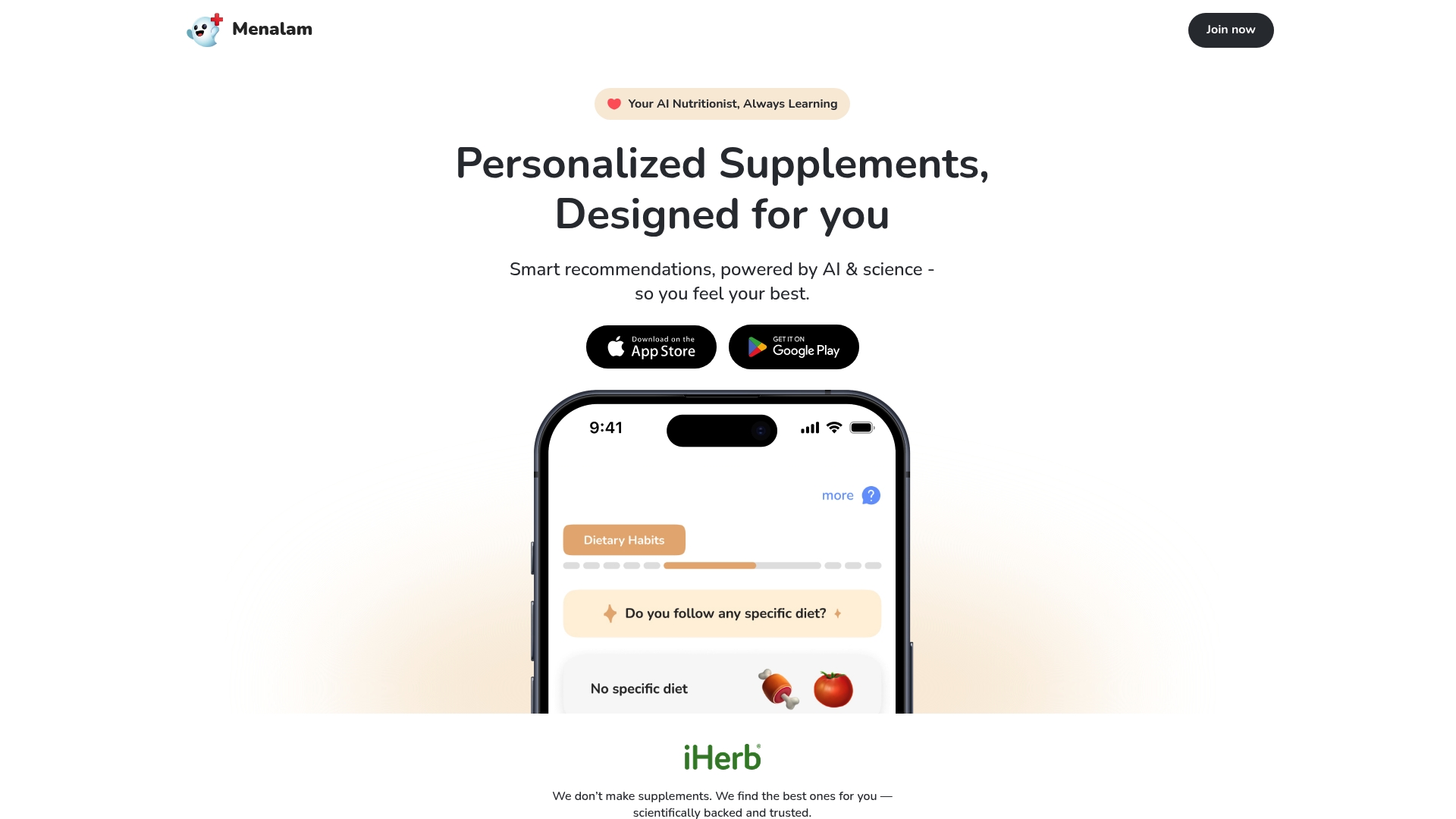
Are you ready to turn the proven strategies of personalized nutrition and consistent tracking into a reality for your health goals? Menalam empowers you to act immediately. Discover AI-driven supplement recommendations based on your unique health profile and make your nutrition plan as dynamic as your lifestyle. Take our quick online health quiz to receive a plan designed just for you. Use our engaging mobile app to track your progress, receive real-time reminders, and adjust your approach as your goals evolve. Don’t let your motivation fade—visit Menalam now and make your next step toward health both simple and sustainable.
Leave a Reply