

Most people know that a solid sleep schedule is good for staying alert and healthy, but few realize just how much your diet shapes your nights. Recent research found that adults with low intake of magnesium, calcium, and vitamins A, C, D, and E reported consistently shorter sleep and more interruptions. You might expect high-tech gadgets or fancy mattresses to get all the credit for a good night’s rest, but it turns out your fork may actually be the most powerful sleep aid you own.
Table of Contents
- How Nutrition Impacts Sleep Quality
- Essential Nutrients For Restful Sleep
- Personalized Sleep Nutrition Strategies
- Science-Backed Supplements To Support Sleep
Quick Summary
| Takeaway | Explanation |
|---|---|
| Nutrition directly influences sleep quality. | Dietary components significantly affect sleep patterns, duration, and efficiency, impacting overall well-being. |
| Certain nutrients are critical for restful sleep. | Micronutrients like magnesium and vitamins A, C, D, and E play essential roles in sleep regulation and quality. |
| Personalized nutrition enhances sleep health. | Tailoring dietary strategies to individual metabolic profiles and lifestyles can improve sleep quality and overall wellness. |
| Timing of meals affects sleep onset. | Consuming heaving meals or disruptive foods near bedtime can interfere with natural sleep processes. |
| Consult professionals for targeted interventions. | Involving healthcare professionals in nutritional assessments ensures safe, effective dietary strategies that support better sleep. |
How Nutrition Impacts Sleep Quality
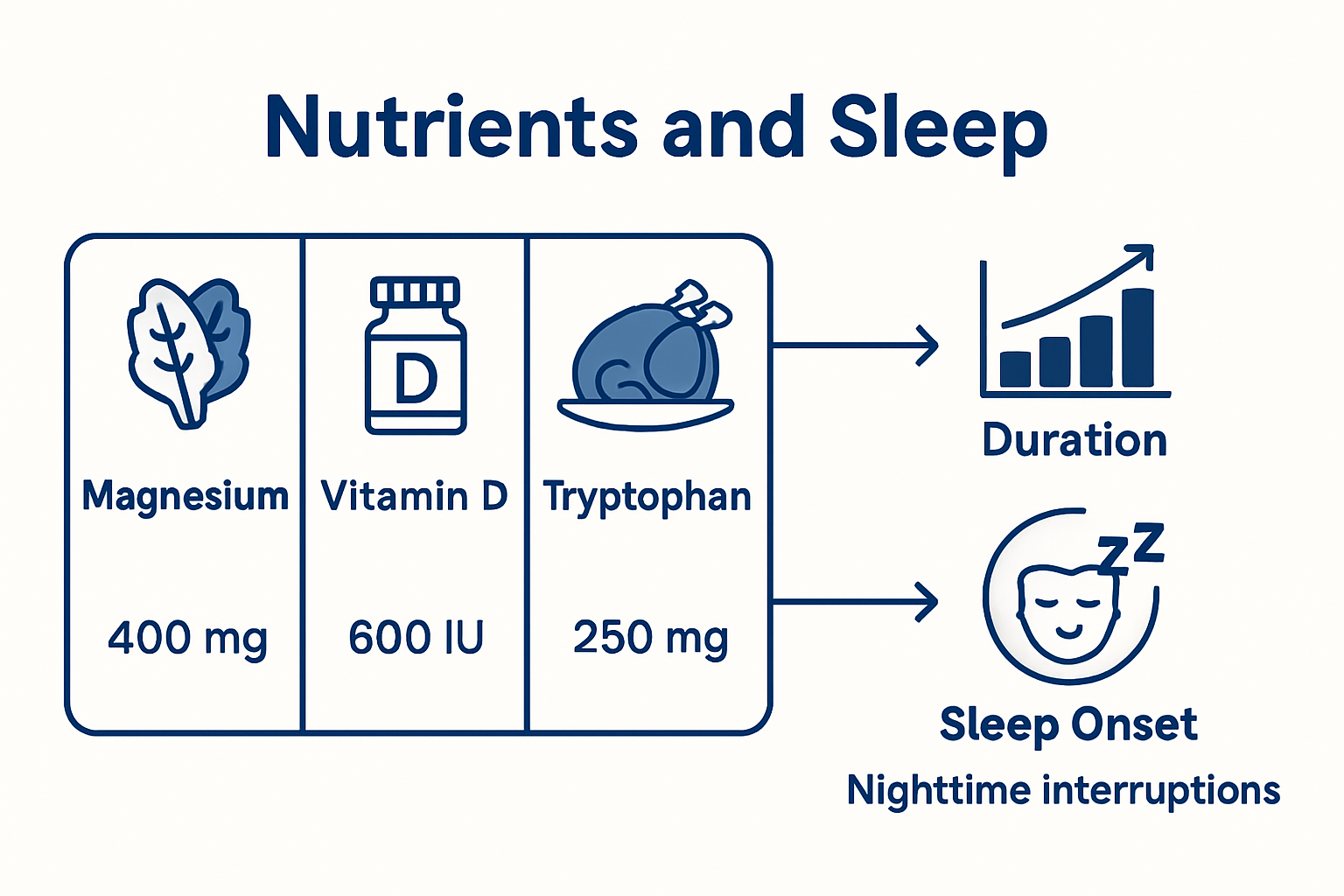
Nutrition plays a critical role in determining sleep quality, acting as a fundamental pillar that supports or disrupts our body’s natural sleep mechanisms. Understanding the intricate relationship between what we eat and how we sleep reveals profound insights into overall health and wellness.
Nutritional Composition and Sleep Architecture
The foods and nutrients we consume directly influence our sleep patterns and neurological processes. Research from the National Institutes of Health demonstrates that specific dietary components can significantly modify sleep duration, quality, and efficiency.
Certain macronutrients and micronutrients interact with neurotransmitter systems responsible for regulating sleep. Proteins containing tryptophan, for instance, can increase serotonin production, which subsequently helps generate melatonin – the hormone critical for maintaining sleep cycles. Complex carbohydrates similarly support stable blood sugar levels, preventing nighttime metabolic disruptions that might interrupt sleep.
A groundbreaking 2023 nutritional study revealed critical connections between dietary patterns and sleep quality. The research highlighted that:
- High Fat Intake correlates with increased sleep disturbances
- Mediterranean Diet Adherence demonstrates fewer insomnia symptoms
- Energy and Fat Consumption are inversely related to sleep duration
To help summarize the research findings on how dietary patterns impact sleep, the table below compares different diet patterns and their effects on sleep quality based on the article’s content:
| Dietary Pattern | Reported Sleep Impact |
|---|---|
| High Fat Intake | Increased sleep disturbances |
| Mediterranean Diet Adherence | Fewer insomnia symptoms |
| High Energy & Fat Consumption | Shorter sleep duration |
Nutrient Deficiencies and Sleep Disruption
Nutritional imbalances can substantially compromise sleep quality. Deficiencies in key nutrients like magnesium, vitamin D, and B vitamins have been consistently linked to sleep disorders. Magnesium, for example, plays a crucial role in neural regulation and muscle relaxation, directly influencing our ability to fall and stay asleep.
Interestingly, a 2024 prospective analysis demonstrated that diet quality during young adulthood significantly predicts sleep health in midlife. This suggests that nutritional habits established early can have long-term implications for sleep patterns and overall neurological functioning.
Timing and Composition of Nutritional Intake
The strategic timing of nutrient consumption can profoundly impact sleep quality. Heavy meals close to bedtime can trigger metabolic processes that interfere with natural sleep onset, while certain foods can either promote or inhibit restful sleep.
Proteins rich in tryptophan, such as turkey, eggs, and cheese, can support melatonin production. Conversely, caffeine, alcohol, and high-sugar foods can disrupt sleep architecture, leading to fragmented and less restorative rest.
Moreover, a comprehensive study analyzing NHANES data uncovered that food insecurity directly correlates with sleep irregularity. This research underscores the intricate relationship between nutritional access, dietary composition, and sleep health.
Understanding these nutritional dynamics empowers individuals to make informed dietary choices that support optimal sleep quality. By recognizing food’s role beyond mere sustenance and viewing it as a critical health intervention, we can strategically leverage nutrition to enhance our sleep and overall well-being.
Essential Nutrients for Restful Sleep
Achieving restful sleep requires more than just a comfortable bed and quiet environment. Specific nutrients play a crucial role in regulating sleep mechanisms, supporting neurological processes, and promoting overall sleep quality. Understanding these essential nutrients can help individuals optimize their dietary intake for better sleep.
Micronutrients Critical for Sleep Regulation
Research analyzing NHANES data revealed significant connections between micronutrient intake and sleep duration. Adults with short sleep periods consistently demonstrated inadequate levels of key micronutrients including calcium, magnesium, and vitamins A, C, D, and E.
Magnesium emerges as a particularly important mineral for sleep health. Its deficiency has been directly associated with very short sleep durations and daytime sleepiness. Calcium and potassium work synergistically with magnesium to regulate sleep-wake cycles and support melatonin production. Vitamin D also plays a critical role, with deficiencies linked to increased risks of sleep disorders, poor sleep quality, and reduced sleep duration.
Amino Acids and Neurotransmitter Support
Tryptophan stands out as an essential amino acid with profound implications for sleep quality. Scientific research demonstrates its critical function as a precursor to melatonin and serotonin, neurotransmitters directly responsible for regulating circadian rhythms.
The body cannot synthesize tryptophan independently, necessitating dietary intake. Key food sources include:
- Chicken and Turkey: Rich in tryptophan
- Eggs and Milk: Providing essential amino acid content
- Fish and Cheese: Supporting neurotransmitter production
- Beans and Pumpkin Seeds: Offering alternative tryptophan sources
Nutritional studies indicate that even relatively low dietary doses of tryptophan can significantly improve sleep performance. Specifically, tryptophan consumption can:
- Shorten nighttime waking periods
- Increase subjective sleep quality
- Support melatonin and serotonin production
To help clarify the different nutrients and foods mentioned in this section as important for sleep quality, the table below summarizes essential nutrients and key food sources identified in the article:
| Nutrient/Food | Role in Sleep Health | Example Sources |
|---|---|---|
| Magnesium | Neural regulation, muscle relaxation | Nuts, seeds, leafy greens |
| Calcium | Regulate sleep-wake cycles, melatonin | Dairy, tofu, fortified plant milks |
| Potassium | Supports sleep-wake cycles | Bananas, potatoes, beans |
| Vitamin D | Reduces risk of sleep disorders | Fatty fish, eggs, sunlight |
| Vitamin A, C, E | Sleep quality regulation | Carrots, citrus, nuts, spinach |
| Tryptophan | Serotonin/melatonin precursor | Turkey, eggs, cheese, seeds |
Balanced Nutritional Approach to Sleep
Optimal sleep nutrition requires a holistic approach. While individual nutrients are important, their interaction and overall dietary composition matter most. Consuming a balanced diet rich in diverse nutrients creates an environment conducive to restful sleep.
Consider creating meal plans that incorporate tryptophan-rich proteins, complex carbohydrates, and micronutrient-dense foods. Timing of nutrient intake also matters. Consuming sleep-supportive nutrients during evening meals can help prepare the body for rest.
Individuals experiencing persistent sleep challenges should consult healthcare professionals. Personalized nutritional assessments can identify specific deficiencies and develop targeted strategies to improve sleep quality through dietary interventions.
By understanding and strategically incorporating these essential nutrients, individuals can take proactive steps toward achieving more restorative and consistent sleep patterns. Nutrition serves as a powerful tool in supporting overall sleep health and wellness.
Personalized Sleep Nutrition Strategies
Personalized nutrition strategies represent a sophisticated approach to optimizing sleep health, recognizing that individual physiological differences demand tailored dietary interventions. By understanding unique metabolic profiles, lifestyle factors, and specific nutritional needs, individuals can develop targeted strategies that enhance sleep quality and overall wellness.
Individual Assessment and Nutritional Profiling
Research published in BMC Public Health emphasizes the critical importance of developing intervention protocols specifically designed for individual conditions. This approach acknowledges that sleep nutrition is not a one-size-fits-all solution but requires comprehensive evaluation of personal health markers.
Key components of personalized sleep nutrition assessment include:
- Metabolic Screening: Analyzing individual nutrient absorption and metabolic efficiency
- Lifestyle Analysis: Evaluating work schedules, stress levels, and physical activity
- Genetic Predispositions: Understanding genetic factors influencing nutrient metabolism
Nutrition professionals can leverage advanced diagnostic tools to create precise dietary recommendations that address specific sleep challenges. Blood tests, comprehensive health questionnaires, and metabolic assessments provide insights into potential nutritional deficiencies and sleep disruption mechanisms.
Targeted Nutritional Interventions
Clinical research from the National Library of Medicine highlights the intricate connections between diet and sleep physiology. Personalized strategies go beyond generic dietary advice, focusing on strategic nutrient combinations that support individual sleep patterns.
For individuals with specific sleep challenges, targeted interventions might include:
- Customized micronutrient supplementation
- Precise macronutrient balance
- Timing-specific nutrient consumption
- Elimination of potential dietary sleep disruptors
People with irregular work schedules, such as night shift workers, require particularly nuanced approaches. Nutritional strategies can help mitigate the physiological stress associated with disrupted circadian rhythms.
Holistic Sleep Health Integration
A comprehensive review recommends an integrative approach to sleep health that combines multiple lifestyle factors. Personalized nutrition strategies should not exist in isolation but be part of a broader wellness framework.
Effective personalized sleep nutrition strategies incorporate:
- Consistent sleep scheduling
- Regular physical activity
- Stress management techniques
- Mindful dietary choices
Nutrition professionals play a crucial role in developing these comprehensive plans. By considering an individual’s unique physiological landscape, they can create nuanced interventions that address the complex interactions between diet, sleep, and overall health.
Implementing personalized sleep nutrition strategies requires ongoing monitoring and adjustment. Regular reassessment allows for fine-tuning recommendations based on individual progress, emerging health data, and changing lifestyle factors.
Ultimately, the goal of personalized sleep nutrition is not merely to improve sleep duration but to enhance overall quality of life. By recognizing the unique nutritional needs of each individual, we can develop targeted approaches that support restorative sleep, optimal health, and sustained wellness.
Science-Backed Supplements to Support Sleep
Navigating the complex world of sleep supplements requires a critical and evidence-based approach. While numerous supplements claim to improve sleep quality, scientific research provides nuanced insights into their effectiveness, potential benefits, and necessary precautions.
Evidence-Based Supplement Analysis
A systematic review and meta-analysis published in PubMed comprehensively evaluated dietary supplements’ impact on sleep quality. The research highlighted promising findings for specific nutrients while emphasizing the need for continued scientific investigation.
Key supplements demonstrating potential sleep support include:
- Amino Acids: Contributing to neurotransmitter regulation
- Vitamin D: Potentially improving sleep architecture
- Melatonin: Supporting circadian rhythm management
Harvard Health cautions that while these supplements show promise, evidence remains limited. Consumers should approach supplement use with informed skepticism and professional guidance.
Supplement Safety and Considerations
The National Center for Complementary and Integrative Health provides critical guidance on understanding supplement interactions and potential risks. Key considerations include:
- Individual metabolic variations
- Potential interactions with existing medications
- Variability in supplement quality and standardization
- Importance of professional medical consultation
Melatonin, a widely recognized sleep supplement, requires particular attention. While it can help regulate sleep cycles, inappropriate dosage or timing might disrupt natural hormonal processes. Professionals recommend starting with the lowest effective dose and monitoring individual responses.
Holistic Supplement Integration
Effective supplement strategies extend beyond simple consumption. Successful implementation involves:
- Comprehensive health assessment
- Personalized supplement selection
- Strategic timing of supplement intake
- Regular monitoring and adjustment
Nutrition professionals emphasize that supplements should complement, not replace, fundamental sleep hygiene practices. Consistent sleep schedules, stress management, and balanced nutrition remain cornerstone strategies for optimal sleep health.
Individuals considering sleep supplements should prioritize consultation with healthcare providers. Professional guidance ensures safe, targeted interventions that address specific sleep challenges while minimizing potential risks.
The landscape of sleep supplement research continues evolving. Emerging studies promise more sophisticated understanding of how targeted nutritional interventions can support sleep quality. By maintaining a scientific, personalized approach, individuals can make informed decisions about incorporating supplements into their sleep wellness strategy.
Ultimately, science-backed supplements represent one tool in a comprehensive approach to sleep health. Their effectiveness depends on individual physiological factors, careful selection, and integration within a holistic wellness framework.

Frequently Asked Questions
How does nutrition influence sleep quality?
Nutrition directly affects sleep patterns, duration, and efficiency. Specific dietary components, such as magnesium and vitamins, play essential roles in sleep regulation, impacting overall well-being.
What nutrients are essential for restful sleep?
Key nutrients for better sleep include magnesium, calcium, vitamin D, and the amino acid tryptophan. These nutrients help regulate sleep mechanisms and support neurotransmitter production.
Can meal timing impact my ability to fall asleep?
Yes, the timing and composition of meals can significantly affect sleep onset. Heavy meals or disruptive foods close to bedtime may interfere with natural sleep processes, while sleep-supportive foods can promote better sleep quality.
What are some personalized sleep nutrition strategies?
Personalized sleep nutrition strategies involve assessing individual metabolic profiles and dietary needs to create tailored dietary interventions that enhance sleep quality and overall wellness.
Unlock Restful Nights With Truly Personalized Sleep Nutrition
Have you ever felt frustrated when a healthy diet and sleep hygiene habits still leave you tossing and turning at night? As the article highlights, nutrient deficiencies, flawed meal timing, and generic supplement routines often fail to address your unique sleep needs. Everyone’s body is different, so why risk your rest—and your health—on one-size-fits-all approaches?

Menalam lets you take full control of your sleep nutrition. Get custom supplement plans built around your specific health profile, personal goals, and scientifically-backed nutrient requirements. Answer a quick quiz, receive expert recommendations, and track your progress in real-time. Best of all, you can see your sleep and overall health improve when your supplement plan adjusts as you do. Stop guessing and start feeling the difference tonight. Discover how easy better sleep can be when your nutrition works for you: Start Your Personalized Plan or learn more about how Menalam creates smarter, healthier routines for you at Menalam.
Leave a Reply