

Everyone talks about working out hard but most people miss what really makes progress happen fast—the foods you eat after you finish moving. Surprising as it sounds, something as simple as what goes on your plate can influence how quickly your body repairs and comes back stronger. A single post-exercise meal with 20-30 grams of protein within 30 minutes can dramatically speed up muscle recovery and growth. That window is your secret weapon and recovery foods are the fuel most folks are skipping.
Table of Contents
- Why Recovery Foods Matter For Your Body
- Top Nutrients Critical For Effective Recovery
- Best Foods For Different Recovery Needs
- Smart Meal Tips For Faster Recovery
Quick Summary
| Takeaway | Explanation |
|---|---|
| Prioritize post-exercise protein intake | Consume 20-30 grams of high-quality protein within 30 minutes to maximize muscle repair and growth after workouts. |
| Incorporate anti-inflammatory foods | Foods like fatty fish, berries, and leafy greens can reduce inflammation and enhance recovery by supporting cellular healing. |
| Understand nutrient needs based on activity type | Tailor your recovery nutrition based on your activity; endurance athletes need carbs for glycogen, while strength trainers need protein. |
| Plan meals for the critical recovery window | Prepare nutrient-dense meals or snacks in advance to take advantage of the optimal 30-45 minute post-exercise recovery period. |
| Balance macronutrients in recovery meals | Aim for a 3:1 or 4:1 ratio of carbohydrates to protein in meals to effectively restore energy and support recovery processes. |
Why Recovery Foods Matter for Your Body
Recovery is more than just resting after physical exertion. What you consume plays a critical role in how quickly and effectively your body repairs, rebuilds, and recharges. The science behind recovery nutrition reveals that strategic food choices can significantly accelerate healing, reduce inflammation, and optimize cellular regeneration.
The Cellular Mechanics of Recovery
When your body undergoes stress from exercise, training, or physical activity, it experiences microscopic muscle damage and depleted energy stores. Recovery foods act as precise biochemical tools that trigger essential repair mechanisms. Harvard Medical School research demonstrates that specific nutrients directly influence protein synthesis, inflammation reduction, and glycogen replenishment.
The metabolic process is intricate. Proteins provide amino acids critical for muscle tissue repair, while carbohydrates restore energy reserves. Micronutrients like vitamins and minerals support enzymatic reactions that accelerate healing. This isn’t just about consuming calories it’s about delivering targeted nutritional support precisely when your body needs it most.
Inflammation and Recovery Nutrition
Inflammation is both a protective and potentially harmful response to physical stress. While acute inflammation signals the start of healing, prolonged inflammation can impede recovery and compromise performance. National Institutes of Health studies indicate that certain foods can modulate inflammatory responses, creating an optimal internal environment for recovery.
Anti inflammatory foods like fatty fish, berries, and leafy greens contain compounds that actively reduce inflammatory markers. These nutritional compounds work at the cellular level, helping your body transition from a state of stress to a state of repair more efficiently. By strategically incorporating these foods into your post activity nutrition, you can potentially reduce recovery time and minimize muscle soreness.
The relationship between nutrition and recovery is dynamic and personalized. What works for an endurance athlete might differ from a strength trainer’s requirements. Understanding your body’s unique metabolic responses and nutritional needs becomes key to developing an effective recovery strategy.
Ultimately, recovery foods are not a one size fits all solution. They represent a sophisticated approach to supporting your body’s natural regenerative processes. By viewing nutrition as a precise intervention rather than a generic refueling strategy, you can unlock more rapid, comprehensive recovery that prepares you for your next physical challenge.
Top Nutrients Critical for Effective Recovery
Nutrients are the foundational building blocks that power your body’s recovery process. Understanding which specific compounds provide the most significant impact can transform your post exercise healing and performance optimization strategy.
Protein: The Muscle Repair Powerhouse
Protein stands as the cornerstone of effective recovery. American Journal of Clinical Nutrition research demonstrates that protein consumption triggers muscle protein synthesis, a critical process for repairing microscopic damage caused during physical activity. Not all proteins are created equal. Amino acids like leucine play a particularly crucial role in muscle regeneration.
Complete proteins from sources such as lean meats, fish, eggs, and plant based alternatives like quinoa provide comprehensive amino acid profiles. The timing of protein intake matters significantly. Consuming 20 to 30 grams of high quality protein within 30 minutes post exercise maximizes muscle repair and growth potential.
Antioxidant Rich Compounds: Cellular Protection and Recovery
Antioxidants represent another crucial nutrient category for recovery. Journal of the International Society of Sports Nutrition studies reveal that these compounds combat oxidative stress generated during intense physical activities. Compounds like vitamin C, vitamin E, and polyphenols neutralize free radicals, reducing cellular damage and supporting faster recovery.
Berries, dark leafy greens, nuts, and certain spices like turmeric offer concentrated antioxidant profiles. These foods do more than just neutralize harmful molecules they actively support cellular repair mechanisms. Integrating a diverse range of colorful plant based foods ensures a comprehensive antioxidant intake strategy.
Electrolytes and Micronutrients: The Hidden Recovery Catalysts
Electrolytes and micronutrients often receive less attention but play pivotal roles in recovery. Minerals like magnesium, potassium, and sodium are essential for muscle function, hydration, and cellular energy production. National Institutes of Health research indicates that proper electrolyte balance accelerates muscle recovery and prevents cramping.
Sources like bananas, sweet potatoes, spinach, and coconut water provide natural electrolyte combinations. Trace minerals such as zinc and selenium further support immune function and reduce inflammation. The key is consuming these nutrients through whole food sources that offer complex nutritional profiles.
Recovery nutrition is not about consuming isolated nutrients but creating a holistic nutritional strategy. Each nutrient works synergistically, supporting your body’s intricate repair and regeneration processes. By understanding these critical compounds and their interactions, you can design a targeted nutrition approach that transforms your recovery experience.
Best Foods for Different Recovery Needs
Recovery nutrition isn’t a universal blueprint. Different physical activities and individual body responses require targeted nutritional strategies. Understanding how to match specific foods to particular recovery needs can dramatically enhance healing, performance, and overall wellness.
Here’s a comparison table that summarizes the recommended foods and strategies for different recovery needs based on activity type. Use this table to quickly match your activity to optimal post-exercise nutrition.
| Activity Type | Main Recovery Focus | Recommended Foods | Key Nutrients |
|---|---|---|---|
| Endurance (e.g., running, cycling) | Glycogen replenishment, sustained energy | Sweet potatoes, quinoa, whole grains, tart cherry juice, grilled chicken | Carbohydrates, Lean Protein, Electrolytes |
| Strength Training | Muscle repair, protein synthesis | Eggs, salmon, Greek yogurt, legumes, turmeric, spinach | High-Quality Protein, Anti-inflammatories, Micronutrients |
| HIIT | Rapid recovery, metabolic support | Banana with almond butter, protein smoothie with berries, lean protein with veggies | Fast-absorbing Carbs, Protein, Antioxidants |
Endurance Athletes: Glycogen Replenishment and Sustained Energy
Endurance athletes like marathon runners and cyclists face unique recovery challenges centered on glycogen restoration and electrolyte balance. International Journal of Sport Nutrition and Exercise Metabolism research highlights the critical importance of carbohydrate rich foods combined with lean proteins for optimal recovery.
Ideal recovery foods for endurance athletes include sweet potatoes, quinoa, and whole grain options that provide complex carbohydrates. These foods deliver sustained energy release while supporting muscle glycogen repletion. Pairing these carbohydrates with lean proteins like grilled chicken or plant based alternatives ensures comprehensive muscle repair. Tart cherry juice emerges as a powerful recovery ally, offering both carbohydrates and potent anti inflammatory compounds that reduce muscle soreness.
Strength Training: Muscle Repair and Protein Synthesis
Strength training recovery demands a different nutritional approach focused on muscle protein synthesis and reducing inflammation. Journal of the International Society of Sports Nutrition studies demonstrate that protein quality and timing are paramount for muscle reconstruction after resistance exercise.
Prime recovery foods for strength athletes include eggs, salmon, Greek yogurt, and legumes. These protein dense foods provide essential amino acids that directly support muscle tissue repair. Incorporating anti inflammatory foods like turmeric, ginger, and fatty fish can further accelerate recovery by reducing exercise induced muscle damage. Supplementing these proteins with nutrient dense vegetables ensures comprehensive micronutrient support for cellular repair processes.
High Intensity Interval Training (HIIT): Rapid Recovery and Metabolic Support
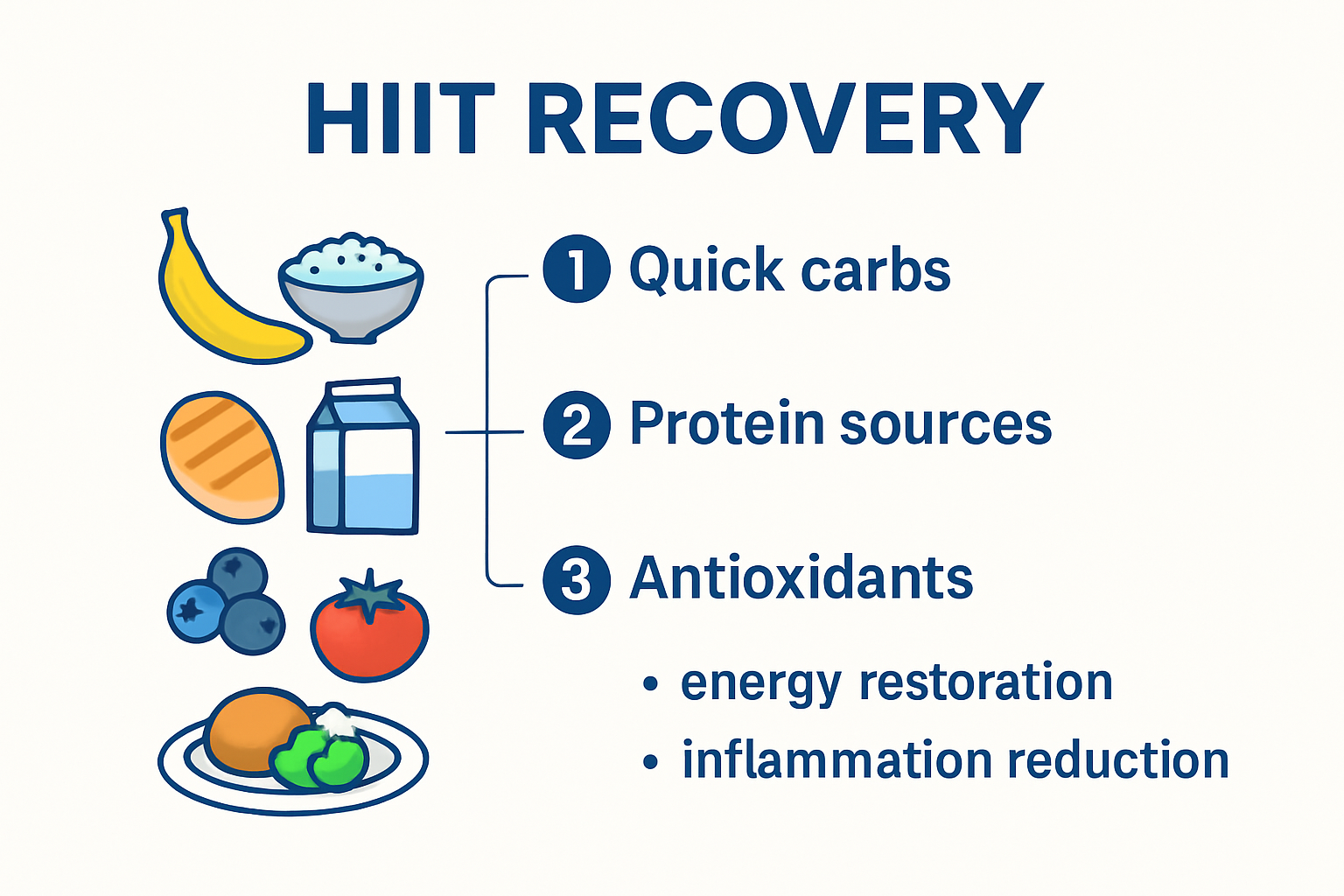
High Intensity Interval Training presents unique metabolic challenges requiring rapid nutrient absorption and comprehensive cellular recovery. Sports Medicine research indicates that HIIT participants need foods that support both immediate energy restoration and long term metabolic adaptation.
Recovery nutrition for HIIT practitioners should emphasize foods that provide quick energy and support metabolic flexibility. Bananas with almond butter, smoothies combining whey protein with berries, and lean protein with roasted vegetables offer an ideal nutritional profile. These combinations deliver rapid carbohydrate absorption, essential amino acids, and antioxidants that support quick recovery and reduce oxidative stress.
Individual recovery needs vary based on multiple factors including age, fitness level, specific training goals, and metabolic efficiency. While these food recommendations provide a scientific foundation, personalization remains key. Listening to your body and observing how different foods impact your recovery can help you refine your nutritional strategy over time.
The most effective recovery nutrition transcends generic recommendations. It represents a dynamic, personalized approach that adapts to your body’s changing needs, supporting optimal performance and long term wellness.
Smart Meal Tips for Faster Recovery
Recovery nutrition is more than just consuming the right foods it’s about strategic timing, combination, and preparation. Implementing smart meal approaches can significantly accelerate your body’s healing and performance restoration process.
Here is a summary of the smart meal tips for faster recovery, including optimal timing, balanced meal composition, and hydration strategies.
| Smart Meal Tip | Action or Strategy | Key Benefit |
|---|---|---|
| Timing (Recovery Window) | Eat 20-30g protein within 30-45 min post-exercise | Maximizes muscle repair & growth |
| Meal Prepping | Prepare protein shakes, overnight oats, or yogurt with nuts in advance | Ensures nutrients are ready post-workout |
| Macronutrient Balance | Aim for 3:1 or 4:1 carb to protein ratio, add healthy fats | Supports energy and muscle repair |
| Hydration | Use coconut water, herbal tea, smoothies with electrolytes | Improves hydration and recovery |
| Monitor Hydration Level | Check urine color (light yellow is optimal) | Avoids dehydration and cramping |
Timing is Everything: The Critical Recovery Window

Journal of the International Society of Sports Nutrition research reveals a critical 30 to 45 minute post exercise window where nutrient absorption and muscle recovery are most efficient. During this period, your muscles are primed to absorb nutrients with maximum effectiveness, making meal timing a crucial factor in recovery strategy.
To optimize this window, prepare recovery meals in advance. Portable options like protein shakes, overnight oats with berries, or prepackaged Greek yogurt with nuts ensure you can consume nutrients immediately after training. The key is having nutrient dense foods readily available, eliminating delays that could compromise your recovery potential.
Macronutrient Balancing for Optimal Recovery
Balancing macronutrients is not about strict ratios but understanding how proteins, carbohydrates, and healthy fats work synergistically. Sports Medicine studies demonstrate that strategic macronutrient combinations accelerate muscle glycogen restoration and reduce inflammation.
Ideal recovery meals should include a 3:1 or 4:1 carbohydrate to protein ratio. Examples include a quinoa bowl with grilled chicken and roasted vegetables, or a sweet potato topped with salmon and spinach. These combinations provide comprehensive nutrition that supports muscle repair, energy restoration, and cellular recovery. Incorporating healthy fats from sources like avocado, nuts, or olive oil further enhances nutrient absorption and supports hormonal balance.
Hydration and Electrolyte Strategies
Hydration extends beyond water consumption. American College of Sports Medicine guidelines emphasize the importance of electrolyte balance in effective recovery. Proper hydration supports nutrient transportation, reduces muscle cramping, and accelerates metabolic processes.
Beyond plain water, consider recovery beverages that provide electrolytes and additional nutrients. Coconut water, herbal teas, and homemade smoothies with electrolyte rich ingredients like bananas, chia seeds, and leafy greens offer comprehensive hydration support. Monitor your urine color as a simple hydration indicator darker yellow suggests a need for increased fluid intake.
Effective recovery nutrition is a personalized science. While these strategies provide a robust framework, individual metabolic responses vary. Experimenting with different meal compositions, tracking your body’s response, and adjusting accordingly will help you develop a recovery nutrition approach that truly optimizes your performance and wellness.
Frequently Asked Questions
What are the best foods for muscle recovery after exercise?
Foods rich in protein like lean meats, fish, eggs, and plant-based proteins, along with carbohydrate sources like sweet potatoes, quinoa, and whole grains, are excellent for muscle recovery after exercise.
How important is protein intake for recovery?
Protein is crucial for muscle repair and growth. Consuming 20-30 grams of high-quality protein within 30 minutes after exercise can significantly enhance muscle recovery and protein synthesis.
What role do antioxidants play in recovery nutrition?
Antioxidants, found in foods like berries and leafy greens, help combat oxidative stress caused by intense exercise, reducing cellular damage and supporting faster recovery.
Why is hydration important for post-exercise recovery?
Staying hydrated helps maintain electrolyte balance, supports nutrient transport, and reduces muscle cramping, all of which are essential for effective recovery after physical activity.
Upgrade Your Recovery With Data-Driven Personalized Nutrition
You have seen how choosing the right foods can transform your recovery, speed up muscle repair, and reduce inflammation. But finding the exact nutrients your body needs often feels overwhelming. Standard advice does not account for your unique health profile, activity levels, or dietary preferences. If you want to move from generic plans to science-backed, truly personalized recovery nutrition, you need more than guesswork.
Ready to discover which supplements match your goals and lifestyle? At Menalam, you can receive AI-powered nutrition and supplement recommendations based on your own health data. Complete a quick health quiz and unlock a tailored plan that works seamlessly with your recovery meals. Monitor your progress through our mobile app, receive smart reminders, and adjust your routine as your body changes. Take control of your recovery nutrition today by exploring the Menalam platform and experience results grounded in cutting-edge science. Act now to bridge the gap between theory and practice for faster, more effective recovery.
Leave a Reply