

Most people believe their diets are pretty balanced, and yet the numbers tell a different story. A staggering 94.3 percent of Americans do not get enough vitamin D every day, with rates for nutrients like magnesium and vitamin E nearly as shocking. Surprised? The real shock is that these gaps are quietly growing even among people who think they eat well. What’s hiding behind those healthy salads and protein shakes might just change how you look at nutrition in 2025.
Table of Contents
- What Are The Most Common Nutrient Gaps
- Who Is At Risk For Nutrient Deficiencies
- How To Identify And Track Your Own Nutrient Gaps
- Science-Backed Solutions To Fill Nutrient Gaps
Quick Summary
| Takeaway | Explanation |
|---|---|
| Identify your nutrient gaps proactively | Use self-assessments and professional testing for accurate diagnosis of deficiencies. |
| Focus on at-risk demographics | Recognize that certain groups, such as pregnant women and vegetarians, are more vulnerable to deficiencies. |
| Adopt a diverse whole food diet | Incorporate a variety of fruits, vegetables, whole grains, and lean proteins for balanced micronutrient intake. |
| Implement targeted supplementation | Utilize personalized approaches to supplement critical nutrients based on individual needs and deficiencies. |
| Track nutrient intake with technology | Leverage digital apps and platforms for continuous monitoring of dietary habits and nutrient consumption. |
What Are the Most Common Nutrient Gaps
Nutrient gaps represent critical shortfalls in essential vitamins and minerals that can significantly impact overall health and wellness. Understanding these gaps is crucial for developing targeted nutritional strategies that support optimal physiological functioning.
The Landscape of Nutritional Deficiencies
Research from the Linus Pauling Institute reveals a startling picture of nutrient inadequacies in the United States. An overwhelming 94.3% of the population fails to meet daily requirements for vitamin D, while 88.5% do not consume sufficient vitamin E. Magnesium deficiency affects 52.2% of individuals, with calcium, vitamin A, and vitamin C showing similarly concerning rates of inadequacy.
The CDC’s Second Nutrition Report provides additional insight, highlighting that approximately 10% of the population experiences deficiencies in critical nutrients like vitamin B6, vitamin D, and iron. These deficiencies are not uniform across all demographics, with certain populations experiencing more pronounced nutritional challenges.
To help visualize rates of common nutrient inadequacies mentioned above, here is a table summarizing some of the data:
| Nutrient | % of US Population Below Requirement |
|---|---|
| Vitamin D | 94.3% |
| Vitamin E | 88.5% |
| Magnesium | 52.2% |
| Calcium | (Not specified, but significant) |
| Vitamin A | (Not specified, but significant) |
| Vitamin C | (Not specified, but significant) |
| Vitamin B6 | ~10% (deficient) |
| Iron | ~10% (deficient) |
Factors Driving Nutrient Gaps
Multiple factors contribute to these widespread nutritional deficiencies. Modern dietary patterns play a significant role, with processed foods often lacking essential micronutrients. Restricted diets, including vegetarian and vegan approaches, can create specific nutritional vulnerabilities. Lifestyle factors such as limited sun exposure reduce vitamin D synthesis, while high-stress environments increase nutritional demands.
The NCBI Bookshelf notes that while clinical micronutrient deficiencies remain uncommon, nutrient inadequacies persist across various population segments. Demographic variations are particularly notable, with non-Hispanic blacks and Mexican Americans demonstrating higher risks of deficiencies in vitamin D and folate compared to other racial groups.
Identifying and Addressing Nutrient Gaps
Addressing nutrient gaps requires a comprehensive approach. Comprehensive blood testing provides the most accurate method of identifying specific nutritional deficiencies. Dietary assessment, lifestyle evaluation, and personalized supplementation strategies can help individuals bridge these nutritional shortfalls.
Key nutrients frequently requiring attention include:
- Vitamin D: Critical for immune function and bone health
- Magnesium: Essential for muscle and nerve function
- Vitamin B6: Important for metabolism and brain development
- Iron: Crucial for oxygen transportation and energy production
Proactive nutritional management involves understanding individual dietary patterns, potential genetic predispositions, and specific health requirements. Consulting with healthcare professionals can provide tailored guidance for addressing these critical nutrient gaps and supporting overall wellness.
Who Is at Risk for Nutrient Deficiencies
Nutrient deficiencies do not impact populations uniformly. Certain demographic groups and individuals with specific lifestyle characteristics are more susceptible to experiencing significant nutritional gaps that can compromise overall health and wellness.
Demographic Vulnerability
Research analyzing National Health and Nutrition Examination Surveys reveals alarming patterns of nutrient inadequacies across different population segments. The data demonstrates that certain demographic groups face heightened risks of nutritional deficiencies.
The CDC’s Second Nutrition Report provides critical insights into racial and ethnic disparities in nutrient absorption and intake. Non-Hispanic Black Americans exhibit a 31% risk of vitamin D deficiency, compared to just 3% in non-Hispanic Whites. Mexican American children face twice the likelihood of iron deficiency compared to their non-Hispanic Black and White counterparts.
The following table summarizes comparative risks for two key nutrient deficiencies among different demographic groups as described in this section:
| Demographic Group | Vitamin D Deficiency Risk | Iron Deficiency Risk in Children |
|---|---|---|
| Non-Hispanic Black Americans | 31% | Lower |
| Non-Hispanic Whites | 3% | Lower |
| Mexican American Children | (not specified) | 2x higher |
| Non-Hispanic Black/White Children | (not specified) | Lower |
Lifestyle and Dietary Risk Factors
Research from the Linus Pauling Institute highlights that many Americans consume excess calories while simultaneously failing to meet micronutrient requirements. High intake of added sugars correlates with reduced dietary intake of essential vitamins such as A, C, and E, and minerals like magnesium.
Specific groups at elevated risk for nutrient deficiencies include:
- Vegetarians and Vegans: Potential shortfalls in vitamin B12, iron, zinc, and omega-3 fatty acids
- Elderly Individuals: Reduced nutrient absorption and limited dietary variety
- Pregnant Women: Increased nutritional demands for fetal development
- Individuals with Restricted Diets: Higher vulnerability to specific nutrient gaps
Medical Conditions and Nutrient Absorption
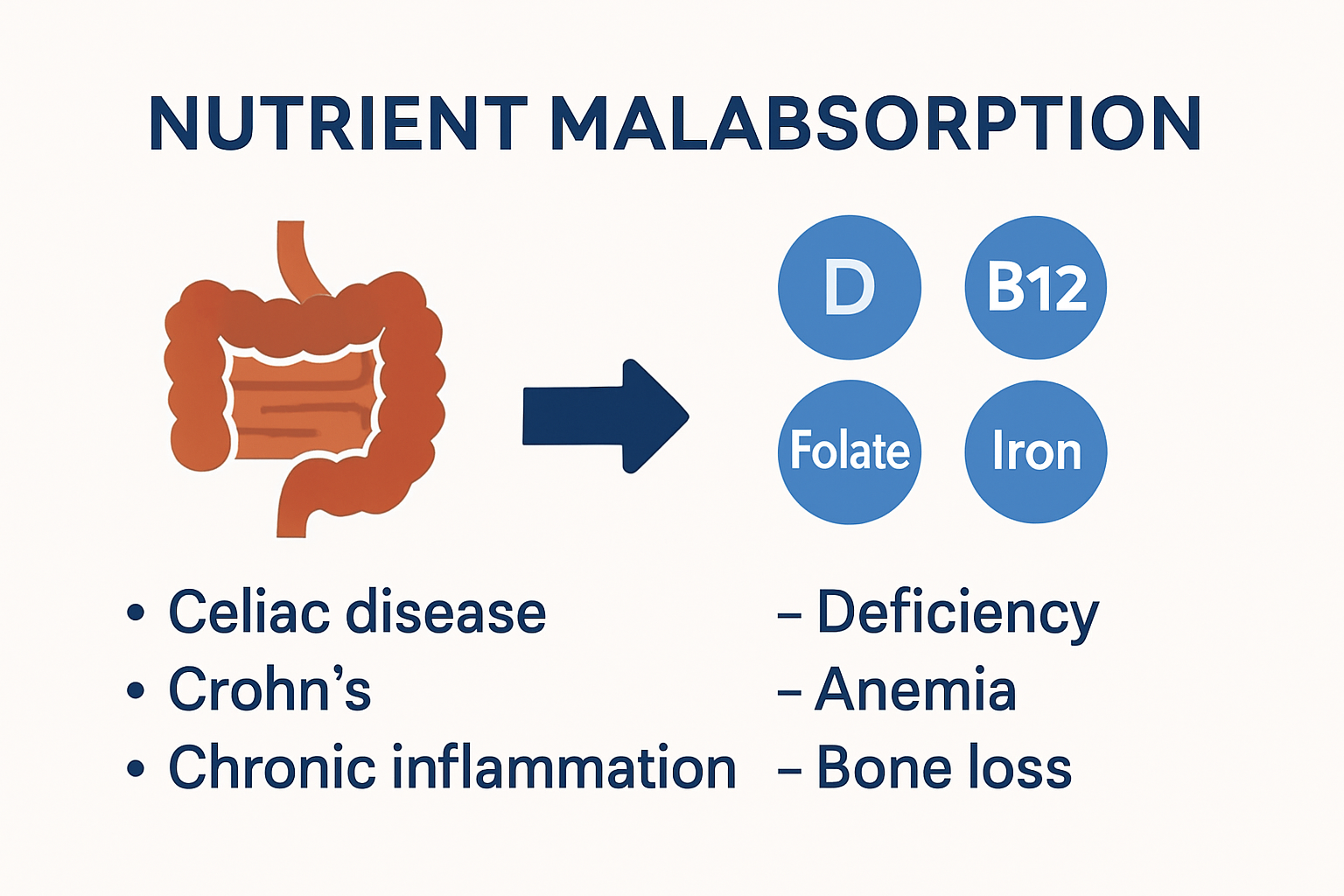
Certain medical conditions can significantly impact nutrient absorption and increase deficiency risks. Individuals with gastrointestinal disorders like Crohn’s disease, celiac disease, or chronic inflammatory conditions may experience compromised nutrient uptake. Medications for chronic conditions can also interfere with vitamin and mineral absorption.
Persons with metabolic disorders, autoimmune diseases, and those undergoing specific medical treatments might require more targeted nutritional interventions. Genetic factors can further complicate nutrient metabolism, making personalized nutritional assessment crucial.
Effective nutrient management requires understanding individual risk factors, conducting comprehensive health assessments, and developing tailored strategies to address potential deficiencies. Consulting healthcare professionals can provide precise guidance for optimizing nutritional intake and mitigating potential health risks associated with nutrient gaps.
How to Identify and Track Your Own Nutrient Gaps
Identifying and tracking personal nutrient gaps requires a comprehensive and proactive approach. Effective strategies combine self-assessment, professional guidance, and targeted diagnostic methods to create a holistic understanding of individual nutritional needs.
Self-Assessment and Initial Screening
The American Academy of Family Physicians recommends utilizing comprehensive nutrient shortfall questionnaires as an initial screening tool. These assessments help individuals evaluate their dietary habits, lifestyle factors, and potential risk areas for nutritional deficiencies.
Key areas to examine during self-assessment include:
- Dietary Patterns: Analyzing daily food intake and nutritional diversity
- Lifestyle Factors: Considering stress levels, sleep quality, and physical activity
- Medical History: Reviewing existing health conditions and medications
- Symptoms: Tracking potential indicators of nutrient deficiencies
Professional Diagnostic Methods
Harvard Health emphasizes the critical importance of professional medical testing for accurately diagnosing nutrient deficiencies. Many nutritional shortfalls present subtle symptoms that are challenging to self-identify.
Comprehensive diagnostic approaches include:
- Blood Panel Testing: Measuring specific nutrient levels and biochemical markers
- Comprehensive Metabolic Screening: Evaluating overall nutritional status
- Genetic Nutritional Assessment: Understanding genetic predispositions to nutrient absorption
- Micronutrient Testing: Detailed analysis of vitamin and mineral levels
Continuous Tracking and Personalized Intervention
Effective nutrient management requires ongoing monitoring and adaptive strategies. Developing a systematic approach to tracking nutritional status involves regular assessments, dietary modifications, and potential supplementation under professional guidance.
Strategies for continuous nutritional tracking include:
- Digital Health Tracking: Utilizing mobile apps and digital platforms for nutrient intake monitoring
- Regular Medical Consultations: Scheduling periodic health assessments
- Dietary Journal: Maintaining a detailed record of food intake and nutritional patterns
- Supplement Management: Working with healthcare professionals to develop targeted supplementation plans
Successful nutrient gap identification is not a one-time event but a dynamic process requiring consistent attention and personalized intervention. By combining self-awareness, professional guidance, and advanced diagnostic tools, individuals can develop a comprehensive understanding of their unique nutritional needs and create targeted strategies for optimal health and wellness.
Science-Backed Solutions to Fill Nutrient Gaps
Addressing nutrient gaps requires a strategic and scientifically validated approach that goes beyond simple supplementation. Comprehensive solutions involve understanding individual nutritional needs, implementing targeted dietary interventions, and leveraging advanced nutritional technologies.
Whole Food Nutritional Strategies
Research published in the journal Nutrients emphasizes the critical importance of moving beyond a macronutrient-focused approach to nutrition. While global populations often overconsume calories, diets frequently lack essential micronutrients and phytonutrients. The Mediterranean diet emerges as a scientifically recommended model for addressing these nutritional challenges.
Key whole food strategies include:
- Diverse Plant-Based Intake: Incorporating a wide range of colorful fruits and vegetables
- Whole Grain Consumption: Selecting minimally processed grains rich in micronutrients
- Lean Protein Sources: Choosing nutrient-dense proteins that support overall nutritional balance
- Healthy Fat Integration: Incorporating omega-rich foods like nuts, seeds, and fatty fish
Targeted Supplementation Approaches
The Harvard T.H. Chan School of Public Health highlights that more than half of the global population consumes inadequate levels of critical micronutrients including calcium, iron, and vitamins C and E. This underscores the need for precise, scientifically validated supplementation strategies.
Effective supplementation principles include:
- Personalized Nutrient Profiling: Utilizing comprehensive blood testing
- Bioavailable Supplement Forms: Selecting nutrients with optimal absorption rates
- Targeted Dosage: Implementing evidence-based supplementation levels
- Holistic Nutritional Assessment: Considering individual metabolic and genetic factors
Technological Nutrition Management
The CDC’s Second Nutrition Report underscores the complexity of nutrient absorption, noting significant variations across different demographic groups. Technological innovations now offer sophisticated approaches to nutritional tracking and intervention.
Cutting-edge nutritional management technologies include:
- AI-Powered Nutritional Analysis: Utilizing machine learning for personalized nutrition recommendations
- Continuous Health Monitoring: Implementing digital platforms that track nutrient intake and absorption
- Genetic Nutritional Mapping: Developing personalized nutritional strategies based on genetic profiles
- Mobile Health Tracking: Leveraging smartphone applications for real-time nutritional guidance
Comprehensive nutrient gap solutions require a multifaceted approach that combines scientific understanding, personalized assessment, and innovative technological interventions. By integrating whole food strategies, targeted supplementation, and advanced health technologies, individuals can develop robust nutritional management plans that address their unique physiological needs and support optimal health and wellness.

Frequently Asked Questions
What are the most common nutrient gaps in the American diet?
Many Americans are not meeting their daily requirements for essential nutrients. Common gaps include vitamin D (94.3% deficiency), vitamin E (88.5% deficiency), magnesium (52.2% deficiency), and iron (10% deficiency).
Who is at risk for nutrient deficiencies?
Certain demographics are more vulnerable to nutrient deficiencies, including pregnant women, elderly individuals, vegetarians, and people with dietary restrictions. Racial and ethnic groups, particularly non-Hispanic Black Americans and Hispanic children, exhibit higher risks for vitamin D and iron deficiencies.
How can I identify my nutrient gaps?
You can identify nutrient gaps through self-assessment questionnaires, comprehensive medical testing, and ongoing dietary tracking. It’s important to evaluate your dietary patterns, lifestyle factors, and any symptoms of deficiencies.
What are effective ways to fill nutrient gaps?
Effective strategies include adopting a diverse whole food diet rich in fruits, vegetables, whole grains, and lean proteins. Additionally, targeted supplementation and using technology for tracking nutrient intake can help address specific deficiencies.
Bridge the Gap Between Knowing and Doing: Take Charge of Your Nutrition in 2025
Struggling to pinpoint your personal nutrient gaps after seeing the alarming statistics in this article? If you feel unsure whether your vitamin D, magnesium, or iron levels are truly on track, you are not alone. Knowing about common deficiencies is just the start. The real challenge is turning that knowledge into daily action, especially when every body is different. That is where practical, science-backed guidance can make all the difference.
Imagine having an expert digital nutritionist that does more than just list possible solutions. At Menalam, you can quickly identify your unique nutrient gaps through a fast health quiz. The platform translates complex data—like blood test results and lifestyle factors—into a tailored supplement plan. Stay consistent with reminder features in our mobile app and see real progress with ongoing adjustments as your health changes. If you are ready to stop guessing and start nourishing your health with confidence, explore Menalam’s smart personalized supplement recommendations today. Identify your gaps. Get your plan. Take the first step now.
Leave a Reply