

Nutrition science is rewriting what we thought we knew about healthy eating. Over 70 percent of the US food supply is now ultraprocessed, which is linked to weight gain and chronic diseases, yet most people still turn to supplements in hopes of a quick fix. The real surprise is that a personalized whole-food diet, shaped by your unique genes and lifestyle, matters far more than any vitamin pill—and the most advanced tracking tools now make this smarter approach possible for everyone.
Table of Contents
- What Nutrition Science Reveals About Health
- Personalizing Nutrition: From Genes To Lifestyle
- Supplements And Nutrition Myths Debunked
- Tracking Progress: Tools For Smart Nutrition Decisions
Quick Summary
| Takeaway | Explanation |
|---|---|
| Dietary choices prevent chronic diseases. | Proper nutrition plays a crucial role in reducing risks of diseases like obesity and diabetes. |
| Personalized nutrition is the future. | Tailoring diets based on genetics and lifestyle will optimize health outcomes uniquely for individuals. |
| Whole foods are superior to supplements. | A balanced diet rich in whole foods is more effective than relying on dietary supplements for nutrition. |
| Track your nutrition with advanced tools. | Utilize modern digital technologies to monitor and adapt your diet for better health management. |
| Health recommendations are evolving. | Updated dietary guidelines emphasize whole foods and nutrient density, shifting focus from mere calorie intake. |
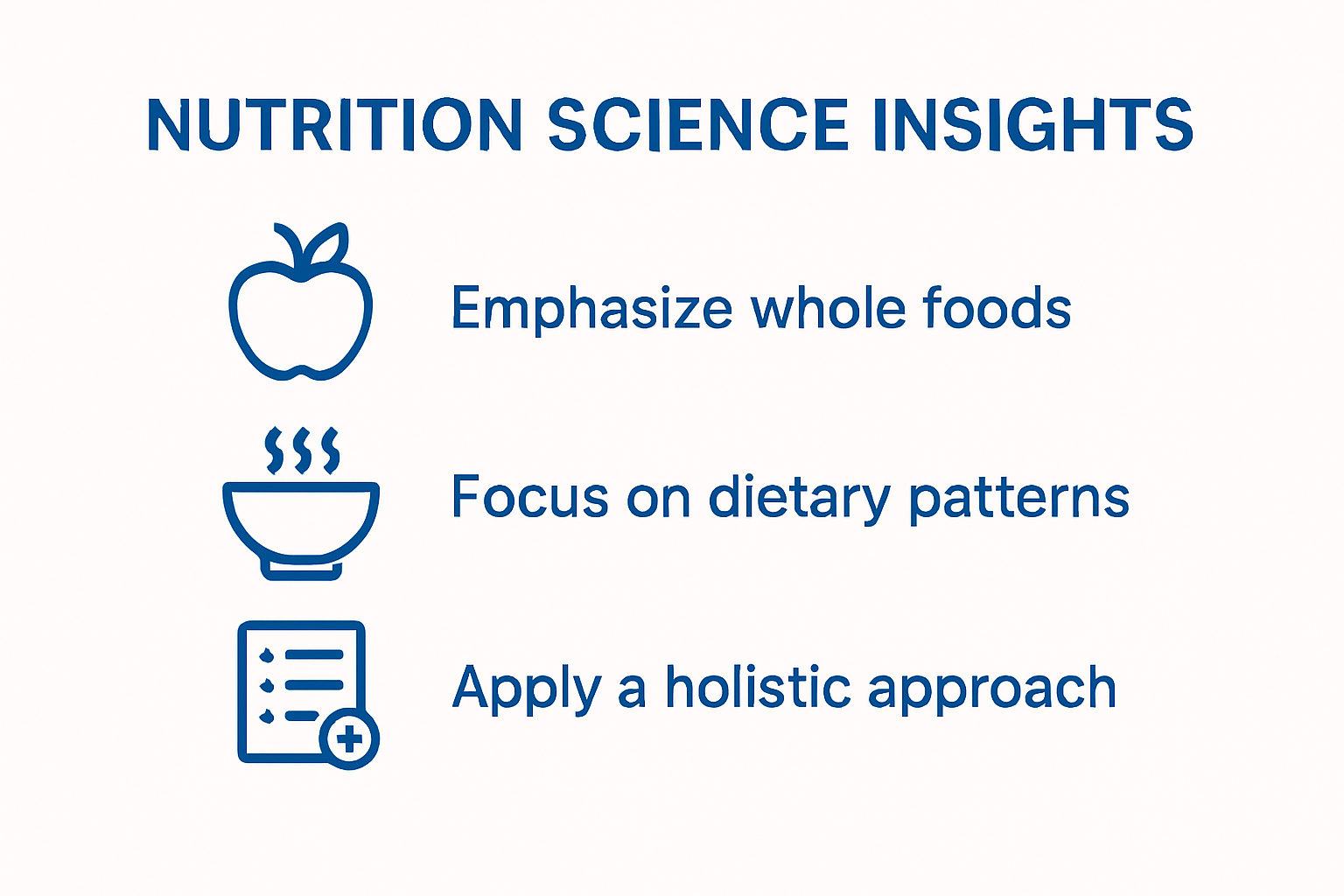
What Nutrition Science Reveals About Health
Nutrition science has transformed our understanding of human health, revealing complex connections between diet, metabolism, and overall wellness. Modern research goes far beyond simple calorie counting, uncovering how specific nutrients interact with our body’s systems and influence long-term health outcomes.
The Impact of Dietary Patterns on Chronic Disease Prevention
Recent studies demonstrate that dietary choices play a critical role in preventing chronic diseases. Research from the National Institute of Diabetes and Digestive and Kidney Diseases highlights how nutrition impacts risks for conditions like obesity, type 2 diabetes, and chronic kidney disease. Experts now understand that what we eat profoundly affects our metabolic processes and disease susceptibility.
The current nutritional landscape reveals alarming trends. According to an Associated Press report, over 70% of the U.S. food supply consists of ultraprocessed foods, which are linked to increased calorie consumption and weight gain. This statistic underscores the urgent need for more informed dietary choices.
Emerging Nutritional Guidelines and Recommendations
Nutrition experts are continually refining dietary recommendations based on scientific evidence. A recent panel of nutrition specialists has proposed significant shifts in dietary guidelines. They recommend increasing consumption of:
- Legumes: Beans, peas, and lentils
- Whole Foods: Vegetables, fruits, nuts, whole grains
- Healthy Proteins: Fish and unsaturated fat sources
Simultaneously, the guidelines suggest limiting:
- Red and processed meats
- Starchy vegetables
- Added sugars
- Sodium
- Saturated fats
These recommendations reflect a comprehensive approach to nutrition that considers not just calorie intake, but the quality and nutritional density of foods. The goal is to create dietary patterns that support metabolic health, reduce inflammation, and minimize chronic disease risk.
To help visualize key dietary recommendations, the following table summarizes foods to prioritize and limit based on current guidelines:
| Food Group | Recommendation | Examples |
|---|---|---|
| Legumes | Increase | Beans, peas, lentils |
| Whole foods | Increase | Vegetables, fruits, nuts, whole grains |
| Healthy proteins | Increase | Fish, unsaturated fats |
| Red/processed meats | Limit | Bacon, sausage, deli meats |
| Starchy vegetables | Limit | Potatoes, corn |
| Added sugars | Limit | Sodas, sweets |
| Sodium & saturated fats | Limit | Salty snacks, processed/fried foods |
The Complex Interplay of Nutrients and Human Physiology
Nutrition science reveals that nutrients are not isolated components but intricate networks that interact with our body’s systems. Researchers now understand that different nutrients work synergistically, influencing everything from cellular function to hormone regulation. Micronutrients, once considered minor players, are now recognized as crucial regulators of complex physiological processes.
This evolving understanding emphasizes personalized nutrition approaches. Individual genetic makeup, lifestyle, and metabolic differences mean that universal dietary recommendations have limitations. The future of nutrition science lies in developing targeted, individualized nutritional strategies that consider a person’s unique physiological profile.
As our scientific understanding deepens, nutrition transitions from a simplistic view of fuel and calories to a sophisticated approach of targeted biological intervention. The insights gained from ongoing research promise more effective strategies for preventing disease, optimizing health, and enhancing human performance.
Personalizing Nutrition: From Genes to Lifestyle
Personalized nutrition represents a revolutionary approach to understanding human health, moving beyond traditional one-size-fits-all dietary recommendations. By integrating advanced genetic analysis, metabolic profiling, and lifestyle assessment, scientists are developing tailored nutritional strategies that address individual biological uniqueness.
Genetic Insights and Nutritional Precision
Research from the Harvard T.H. Chan School of Public Health reveals how precision nutrition can transform dietary recommendations by analyzing an individual’s genetic profile. This cutting-edge approach considers complex interactions between DNA, metabolites, and gut microbiota to create targeted nutritional interventions.
A study published in the American Journal of Lifestyle Medicine demonstrates how genetic variations significantly impact nutrient metabolism. Some individuals may metabolize certain nutrients more efficiently due to specific genetic markers, making personalized nutrition crucial for optimizing health outcomes.
Lifestyle Factors in Nutritional Personalization
Beyond genetic analysis, personalized nutrition integrates comprehensive lifestyle assessment. Factors such as sleep patterns, stress levels, physical activity, and environmental exposures play critical roles in determining nutritional needs. For instance, an athlete’s nutritional requirements dramatically differ from those of a sedentary individual, highlighting the importance of holistic nutritional planning.
Key lifestyle considerations include:
- Physical Activity Levels: Intensity and frequency of exercise
- Stress Management: Cortisol and hormonal impacts on metabolism
- Sleep Quality: Recovery and metabolic regulation
- Environmental Exposures: Potential nutritional adaptations

Advanced Nutritional Profiling Techniques
Research published in Frontiers in Nutrition explores sophisticated techniques for developing personalized nutritional strategies. Emerging technologies now allow for detailed analysis of genetic variants that influence nutrient absorption, metabolism, and potential disease risks.
These advanced profiling methods enable nutrition experts to:
- Identify Genetic Predispositions: Understand individual metabolic tendencies
- Create Targeted Interventions: Develop precise nutritional recommendations
- Predict Potential Health Risks: Proactively address metabolic challenges
The future of nutrition science lies in this personalized approach. By recognizing that each individual’s body responds uniquely to different nutrients, researchers can develop more effective strategies for preventing chronic diseases, optimizing performance, and promoting long-term health.
As technology continues to advance, personalized nutrition will become increasingly sophisticated. The integration of genetic analysis, lifestyle assessment, and advanced metabolic profiling promises a new era of nutrition science that treats dietary recommendations as a precise, individualized intervention rather than a generic set of guidelines.
Supplements and Nutrition Myths Debunked
The world of nutrition is riddled with misconceptions and myths that often lead people astray from making informed dietary choices. Understanding the truth behind these myths is crucial for maintaining optimal health and making evidence-based nutritional decisions.
The Supplement Misconception
Research from a Tuft University nutrition letter reveals a startling statistic: 86% of Americans take dietary supplements, despite limited scientific evidence supporting their widespread use. This widespread belief in supplement efficacy often overshadows the importance of a balanced, nutrient-dense diet.
Contrary to popular belief, most individuals can obtain necessary vitamins and minerals through a well-rounded diet. Mayo Clinic Health System experts emphasize that relying on supplements is not a substitute for consuming a variety of whole foods rich in essential nutrients.
Debunking Common Nutritional Myths
Several persistent myths continue to mislead consumers about nutrition and supplementation:
-
Calcium Supplements Prevent Fractures: Research from the American Academy of Family Physicians demonstrates that calcium supplementation has limited effectiveness. In fact, the number needed to treat is 1,000 for community-dwelling women and 111 for nursing home residents. Moreover, these supplements might increase risks of kidney stones and potential cardiovascular events.
-
More Supplements Equals Better Health: This myth couldn’t be further from the truth. Excessive supplement intake can lead to potential health risks and does not necessarily translate to improved wellness.
-
Supplements Can Replace a Balanced Diet: Nutrition experts consistently emphasize that no supplement can match the complex nutritional profile of whole foods.
To clarify the facts behind common nutritional myths, here is a table outlining each myth, the scientific reality, and relevant notes:
| Common Nutrition Myth | Scientific Reality | Notes |
|---|---|---|
| Calcium supplements prevent fractures | Limited effectiveness; possible side effects | Number needed to treat: 1,000-111; risk of kidney stones and cardiovascular events |
| More supplements always equal better health | Excess can lead to unintended health risks | No evidence for more being better |
| Supplements can replace a balanced diet | Whole foods superior for nutrient intake | Supplements should not replace varied diet |
The Science Behind Nutritional Truths
Modern nutrition science advocates for a holistic approach to diet and wellness. Instead of relying on supplements, individuals should focus on:
- Consuming a diverse range of whole foods
- Prioritizing fruits, vegetables, whole grains, and lean proteins
- Understanding individual nutritional needs through personalized assessments
- Consulting healthcare professionals for targeted nutritional guidance
The supplement industry generates billions of dollars annually, often leveraging marketing strategies that exploit consumer fears and misconceptions. However, scientific research consistently points to the superiority of obtaining nutrients through natural food sources.
Nutrition is not about quick fixes or magic pills. It’s about understanding your body’s unique requirements and providing it with high-quality, nutrient-rich foods. While supplements can play a role in specific medical conditions or deficiencies, they should never be considered a primary strategy for maintaining health.
As nutrition science continues to evolve, the message remains clear: whole foods, balanced diets, and personalized nutritional approaches are far more effective than a one-size-fits-all supplement regimen. Consumers should approach nutritional supplements with critical thinking, scientific skepticism, and guidance from qualified healthcare professionals.
Tracking Progress: Tools for Smart Nutrition Decisions
In the era of personalized health, tracking nutritional progress has become an essential strategy for individuals seeking to optimize their wellness. Advanced technological tools and scientific methodologies now enable precise monitoring of dietary intake, metabolic responses, and overall nutritional health.
Digital Nutrition Tracking Technologies
Modern nutrition tracking goes far beyond simple calorie counting. The National Agricultural Library provides sophisticated tools like the Dietary Reference Intakes (DRI) Calculator, which helps individuals estimate personalized daily nutrient recommendations based on individual profiles.
Today’s nutrition tracking technologies offer comprehensive insights through:
- Real-time Nutrient Analysis: Instant breakdown of macro and micronutrient intake
- Metabolic Monitoring: Tracking how specific foods impact individual metabolism
- Progress Visualization: Graphical representations of nutritional trends
To provide an overview of the capabilities and benefits of modern nutrition tracking tools, here is a table summarizing their main features and user benefits:
| Tracking Feature | Description | User Benefit |
|---|---|---|
| Real-time Nutrient Analysis | Instant breakdown of macro/micronutrients | Immediate dietary feedback |
| Metabolic Monitoring | Tracks food impact on individual metabolism | Personalized adjustment of diet |
| Progress Visualization | Graphical trend representation | Clear understanding of nutrition over time |
Comprehensive Health Data Integration
Advanced tracking systems now integrate multiple health data points, creating a holistic view of nutritional wellness. These platforms combine dietary information with:
- Genetic predispositions
- Metabolic markers
- Physical activity levels
- Sleep patterns
- Stress indicators
By synthesizing these diverse data streams, individuals can develop more nuanced understanding of their nutritional needs and health trajectories.
Personalized Nutritional Intelligence
Emerging technologies are transforming nutrition tracking from passive recording to active health optimization. Machine learning algorithms can now predict potential nutritional deficiencies, recommend personalized dietary adjustments, and provide proactive health insights.
Key features of modern nutritional tracking include:
- Predictive Health Modeling: Forecasting potential nutritional risks
- Adaptive Recommendation Systems: Dynamic dietary suggestions based on ongoing data
- Comprehensive Health Scoring: Holistic evaluation of nutritional wellness
These intelligent systems represent a paradigm shift in personal health management. By leveraging data science and nutritional research, individuals can move beyond generic health advice and access truly personalized nutritional guidance.
The future of nutrition tracking lies in continuous, seamless monitoring that provides actionable insights. As technology advances, we can expect even more sophisticated tools that not only track nutritional intake but actively support individuals in making informed, data-driven health decisions.
Ultimately, these technologies empower individuals to take unprecedented control of their nutritional health. By transforming complex health data into clear, actionable recommendations, modern tracking tools are revolutionizing how we understand and optimize our dietary wellness.
Frequently Asked Questions
What is nutrition science?
Nutrition science studies how food impacts health and wellness, focusing on the interactions between diet, metabolism, and chronic disease prevention.
How can I personalize my nutrition?
Personalizing your nutrition involves considering your genetics, lifestyle factors, and metabolic needs to develop a tailored diet that optimizes health outcomes.
Are supplements necessary for good health?
Most individuals can meet their nutritional needs through a balanced diet rich in whole foods. Supplements should not replace healthy eating but may be needed in specific medical conditions.
What are the main dietary recommendations for chronic disease prevention?
Dietary recommendations include increasing intake of whole foods, legumes, fruits, vegetables, and healthy proteins, while limiting red and processed meats, added sugars, and saturated fats.
Take Control of Your Personal Nutrition Journey
Are you tired of generic nutrition advice that ignores your unique needs? This article shows how nutrition science has moved beyond one-size-fits-all solutions and why a custom approach—considering your genetics, lifestyle, and real health data—is essential for real, lasting results. Many struggle with knowing which supplements they actually need or how to track whether their routine works. If you feel overwhelmed by misinformation or frustrated by the lack of personalized guidance, it is time to make a change that puts you in control.
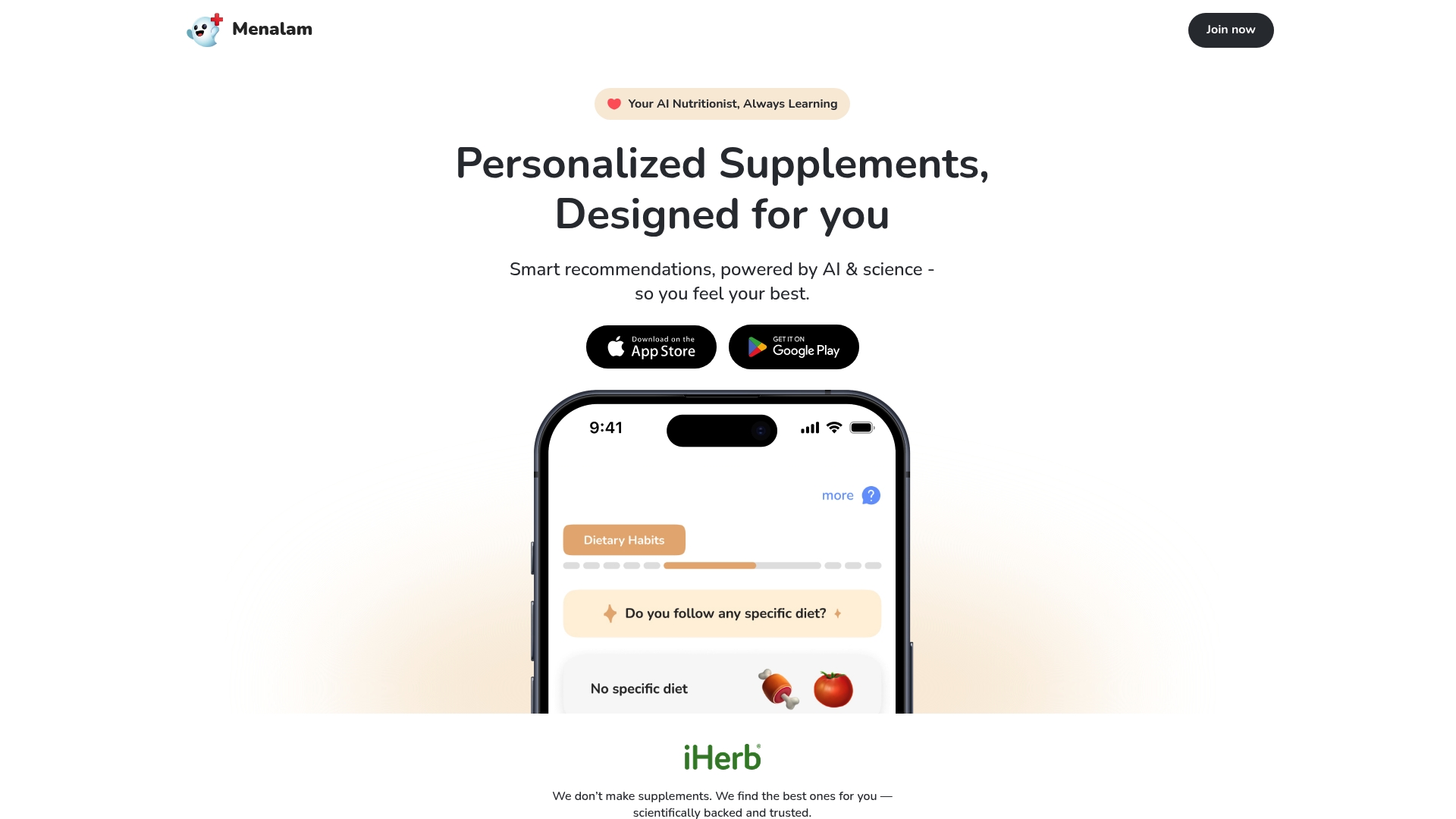
Stop guessing and start thriving with smart support from Menalam. Our AI-powered platform acts as your personal digital nutritionist. Just take a fast health quiz to discover science-backed supplement recommendations based on your own profile. Track your progress, get reminders, and see your results—all through our seamless app. Visit Menalam today and transform the way you manage your health. Take your first step toward smarter, data-driven nutrition now.
Leave a Reply