

Seasonal changes do not just affect the weather. They reshape what your body craves and needs on a cellular level. Most people do not realize that your metabolism can slow by up to 15 percent during winter, creating specific demands for energy and nutrients. You might think sticking with the same diet works year-round, but that could leave your immune system a step behind when the seasons shift. Unlocking the secrets of truly tailored nutrition means tuning into these dramatic biological shifts and discovering how tiny tweaks each season can completely transform your health.
Table of Contents
- How Nutritional Needs Change With Seasons
- Personalized Solutions For Every Lifestyle
- Top Seasonal Foods And Supplements Explained
- Tracking And Adapting Your Diet Year-Round
Quick Summary
| Takeaway | Explanation |
|---|---|
| Nutritional needs change seasonally | Understand that energy, hydration, and nutrient requirements shift with the seasons. Adjust your diet accordingly for optimal health. |
| Focus on winter power foods | Incorporate root vegetables and citrus fruits in winter for immune support and sustained energy. These foods are dense in crucial vitamins and minerals. |
| Personalize your nutrition | Use technology and genetic insights to tailor your diet to your unique metabolic profile, enhancing nutrient absorption and health outcomes. |
| Track and adjust your diet constantly | Regularly monitor your health metrics and adapt your nutritional strategies based on feedback for optimal performance throughout the year. |
| Embrace seasonal eating | Connect with local agricultural cycles by consuming seasonal produce, improving health benefits and supporting sustainability in your community. |
How Nutritional Needs Change With Seasons
Nutritional needs are not static. They dynamically shift with seasonal changes, influenced by environmental conditions, metabolic adaptations, and our body’s unique physiological responses. Understanding these nuanced transformations can help individuals optimize their dietary strategies throughout the year.
Metabolic Shifts and Seasonal Nutritional Demands
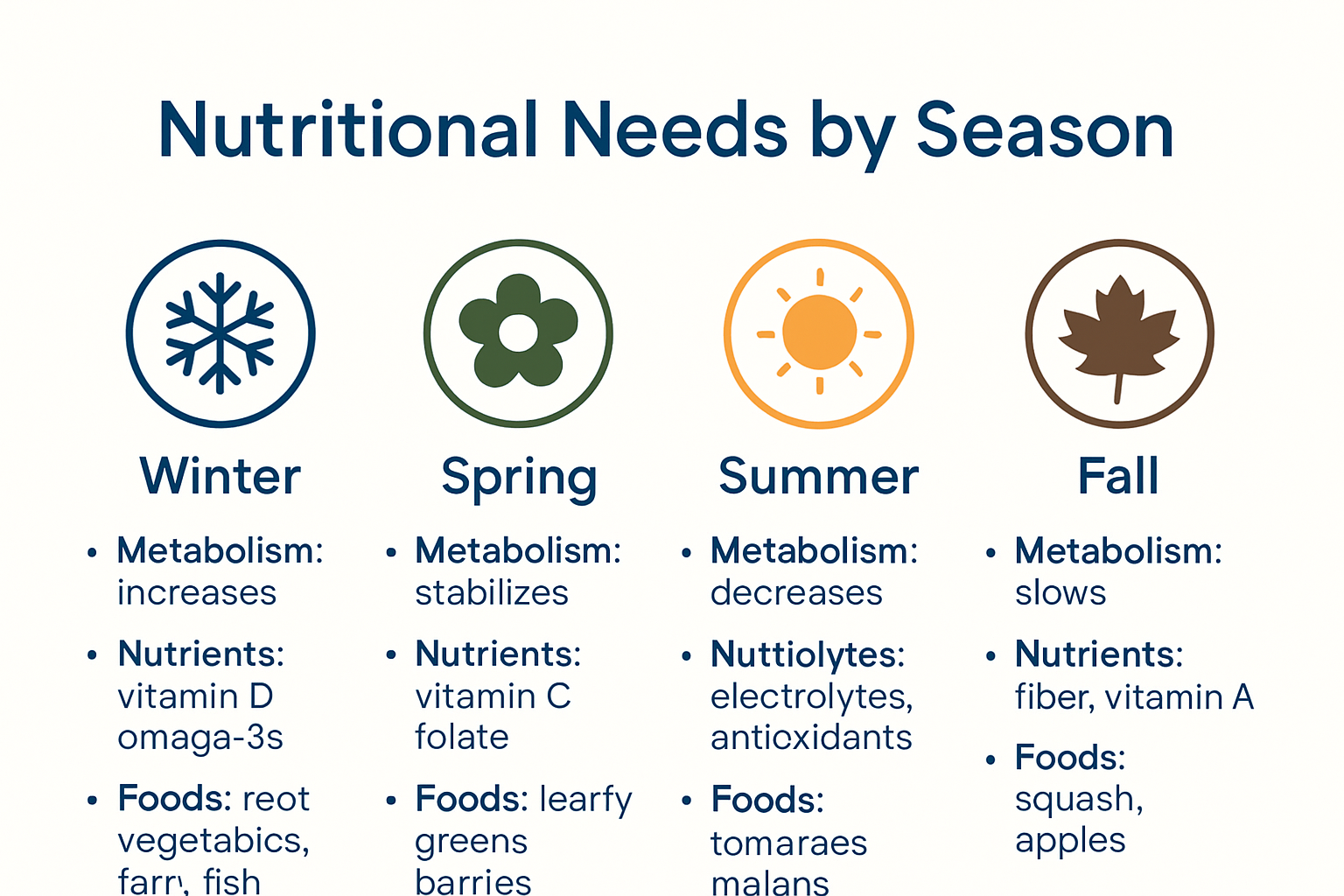
Our bodies undergo remarkable metabolic adjustments as seasons transition. During winter, the human metabolism naturally slows down, creating a need for nutrient-dense foods that provide sustained energy and support immune function. Research from the National Institutes of Health demonstrates that metabolic rates can decrease by up to 15% during colder months, requiring strategic nutritional interventions.
Winter demands a focus on foods rich in vitamins D and C, zinc, and omega-3 fatty acids. These nutrients play crucial roles in maintaining immune resilience and combating seasonal mood variations. Root vegetables, winter squashes, citrus fruits, and fatty fish become nutritional powerhouses during this period. According to nutritional experts at Rutgers University, consuming locally grown seasonal produce not only supports individual health but also contributes to environmental sustainability.
Here is a table summarizing how nutritional needs and foods shift by season based on the information in the article:
| Season | Key Nutritional Focus | Recommended Foods & Nutrients |
|---|---|---|
| Winter | Sustained energy, immune support | Root vegetables, winter squashes, citrus fruits, fatty fish, vitamin D, C, zinc, omega-3s |
| Spring | Metabolic renewal, cleansing | Leafy greens (spinach, kale, chard), antioxidants, iron, essential vitamins |
| Summer | Hydration, electrolyte balance | Watermelon, cucumber, berries, hydration-focused foods, electrolytes |
| Autumn | Energy storage, prep for winter | Complex carbohydrates, proteins, fiber-rich seasonal produce |
Adapting Nutritional Intake Across Seasonal Transitions
Each season presents unique nutritional challenges and opportunities. Summer requires increased hydration and electrolyte balance, while spring calls for lighter, cleansing foods that support metabolic renewal. Autumn signals a gradual shift towards more complex carbohydrates and proteins that prepare the body for winter.
The key is flexibility. Nutritional needs are not one-size-fits-all but a dynamic spectrum influenced by individual factors like age, activity level, and overall health status. Tracking personal energy levels, immune response, and physical performance can provide valuable insights into seasonal nutritional requirements.
Moreover, seasonal eating extends beyond mere sustenance. It connects individuals with natural agricultural cycles, supports local food systems, and promotes a more holistic approach to nutrition. By embracing seasonal produce and adapting dietary strategies, people can enhance their overall wellness and maintain nutritional balance throughout the year.
Understanding these seasonal nutritional shifts empowers individuals to make informed dietary choices. Whether it’s increasing vitamin D intake during darker winter months or focusing on hydrating foods during intense summer heat, strategic nutritional planning can significantly impact health and vitality.
Personalized Solutions for Every Lifestyle
Nutrition is not a universal template but a deeply personal journey that reflects individual metabolic profiles, lifestyle demands, and unique health objectives. Modern advances in nutritional science have transformed how we approach dietary strategies, moving beyond generic recommendations to embrace personalized, data-driven solutions.
Understanding Individual Nutritional Fingerprints
Every person has a unique nutritional fingerprint shaped by genetics, metabolism, activity levels, and environmental factors. Research from the National Center for Complementary and Integrative Health reveals that individual gut microbiome compositions significantly influence how we process nutrients, metabolize supplements, and respond to dietary interventions.
Genetic variations can dramatically impact nutrient absorption, metabolism, and individual dietary requirements. For instance, some individuals might require higher vitamin D supplementation due to genetic predispositions, while others may metabolize certain nutrients more efficiently. This complexity underscores the importance of personalized nutritional approaches that go beyond one-size-fits-all recommendations.
Technology-Driven Nutritional Customization

Cutting-edge technologies are revolutionizing personalized nutrition. A comprehensive review in PubMed Central highlights how nutritional genomics and wearable health technologies enable precise tracking and tailoring of dietary strategies. Advanced algorithms can now analyze an individual’s genetic markers, blood test results, lifestyle patterns, and health goals to develop highly targeted nutritional recommendations.
Wearable devices and mobile applications provide real-time insights into metabolic responses, allowing individuals to understand how different foods and supplements impact their unique physiological systems. This continuous feedback loop enables dynamic adjustment of nutritional strategies, ensuring optimal health outcomes.
Lifestyle-Specific Nutritional Strategies
Modern nutrition recognizes that dietary needs vary dramatically across different lifestyle segments. Athletes require different nutritional support compared to office workers, while pregnant women, seniors, and individuals managing chronic conditions each demand specialized nutritional approaches.
For high-performance professionals and athletes, nutrition becomes a critical performance optimization tool. Precise macronutrient ratios, targeted supplementation, and strategic meal timing can significantly enhance physical and cognitive performance. Conversely, sedentary individuals might require nutritional strategies focused on metabolic health, weight management, and preventing lifestyle-related health risks.
The future of nutrition lies in comprehensive, holistic approaches that consider not just dietary intake but the entire ecosystem of an individual’s health. By leveraging advanced technologies, scientific research, and personalized data analysis, we can create nutritional solutions that are as unique as the individuals they serve.
Top Seasonal Foods and Supplements Explained
Seasonal nutrition is a dynamic approach to health that leverages the natural rhythms of food production and bodily requirements throughout the year. By understanding the unique nutritional profiles of seasonal foods and targeted supplements, individuals can optimize their dietary intake and support overall wellness.
Winter Nutritional Powerhouses
Winter demands a nutritional strategy focused on immune support and energy maintenance. According to the Academy of Nutrition and Dietetics, seasonal winter foods provide essential nutrients that help combat cold weather challenges. Root vegetables like sweet potatoes, parsnips, and turnips emerge as nutritional champions during this season. These dense, nutrient-rich vegetables offer complex carbohydrates, fiber, and vital minerals that support metabolic function and provide sustained energy.
Citrus fruits become particularly important during winter months. Oranges, grapefruits, and tangerines are packed with vitamin C, which plays a crucial role in immune system support. Research from Rutgers University highlights that locally sourced winter produce not only provides peak nutritional value but also supports community economies and reduces environmental impact.
To help readers compare winter foods and the key nutrients they provide, here is a summary table:
| Winter Food | Key Nutrients | Main Health Benefit |
|---|---|---|
| Root vegetables | Complex carbs, fiber, minerals | Sustained energy, metabolic support |
| Citrus fruits | Vitamin C | Immune system support |
| Fatty fish | Omega-3 fatty acids | Cardiovascular & immune support |
| Winter squashes | Vitamins A, C, fiber | Antioxidant support, energy |
Seasonal Supplement Strategies
Complement seasonal eating with targeted supplements that address specific winter health needs. Vitamin D supplementation becomes critical during months with reduced sunlight exposure. The body’s natural vitamin D production decreases significantly during winter, making strategic supplementation essential for maintaining bone health, immune function, and mood regulation.
Omega-3 fatty acid supplements derived from fish oil can support cardiovascular health and help combat winter-associated inflammation. Probiotics also play a crucial role in maintaining gut health and supporting immune function during the colder months when individuals spend more time indoors and may experience increased stress.
Transitional Nutritional Approaches
As seasons change, so should nutritional strategies. Spring introduces lighter, cleansing foods that support metabolic renewal. Leafy greens like spinach, kale, and Swiss chard become abundant, offering high levels of antioxidants, iron, and essential vitamins. USA Volleyball’s nutritional guide emphasizes the importance of adapting dietary intake to seasonal availability, noting that locally grown, in-season produce ensures higher nutritional content and better taste.
Summer calls for hydration-focused nutrition, with watermelon, cucumber, and berries providing essential water content and electrolytes. Supplements during this period might focus on electrolyte balance, supporting increased physical activity and potential nutrient loss through perspiration.
The key to effective seasonal nutrition lies in flexibility and awareness. By understanding the unique nutritional characteristics of different seasons and strategically incorporating seasonal foods and supplements, individuals can create a dynamic approach to health that supports their body’s changing needs throughout the year. This holistic strategy not only optimizes personal wellness but also connects individuals more closely with natural food cycles and environmental rhythms.
Tracking and Adapting Your Diet Year-Round
Nutritional optimization is an ongoing journey that requires continuous monitoring, analysis, and strategic adaptation. Modern technology and scientific understanding have transformed how individuals can track and adjust their dietary approaches throughout the year.
Leveraging Technology for Nutritional Insights
Research from the National Institutes of Health indicates that advanced tracking technologies provide unprecedented opportunities for personalized nutritional management. Wearable devices and smartphone applications now offer real-time metabolic insights, allowing individuals to understand how specific foods, supplements, and lifestyle factors impact their overall health.
These technological tools can monitor critical health metrics such as blood glucose levels, nutrient absorption, metabolic rate, and energy expenditure. By collecting comprehensive data points, individuals can develop a nuanced understanding of their body’s unique nutritional responses. Machine learning algorithms can analyze these data streams, providing predictive recommendations that adapt to seasonal changes and personal health variations.
Comprehensive Health Tracking Strategies
Effective year-round nutritional tracking goes beyond simple calorie counting. According to the American Dietetic Association, a holistic approach involves monitoring multiple interconnected health parameters. This includes tracking energy levels, sleep quality, immune system responses, cognitive performance, and emotional well-being alongside traditional nutritional metrics.
Blood tests play a crucial role in this comprehensive tracking strategy. Periodic comprehensive metabolic panels and micronutrient assessments can reveal subtle nutritional deficiencies or imbalances that might not be immediately apparent. These insights enable proactive nutritional interventions, allowing individuals to address potential health risks before they develop into more significant concerns.
Adaptive Nutritional Planning
The cornerstone of successful year-round nutrition is flexibility and continuous adaptation. Nutritional needs are not static but dynamically change with age, activity levels, environmental conditions, and individual health status. Developing a responsive nutritional strategy requires regular assessment and willingness to modify dietary approaches.
Seasonal transitions demand particular attention. As metabolic requirements shift with changing daylight, temperature, and activity patterns, nutritional intake must correspondingly adjust. For instance, higher protein and complex carbohydrate intake might be beneficial during winter months to support metabolic heating, while summer might call for lighter, more hydration-focused nutritional strategies.
The most successful nutritional tracking approaches integrate multiple data sources. Combining technological insights from wearable devices, periodic medical assessments, personal performance metrics, and subjective health experiences creates a comprehensive nutritional management framework. This multi-dimensional approach allows for nuanced, personalized nutritional strategies that evolve in real-time.
Ultimately, tracking and adapting nutritional intake is about empowerment. By embracing advanced technologies, scientific insights, and a holistic view of health, individuals can transform nutrition from a generic recommendation into a precise, personalized tool for optimizing physical and mental performance throughout the year.
Frequently Asked Questions
How do nutritional needs change with the seasons?
Nutritional needs shift seasonally due to metabolic changes influenced by temperature and daylight. For example, during winter, your metabolism can slow down, requiring nutrient-dense foods for energy and immune support.
What are some key foods to include in a winter diet?
In winter, focus on root vegetables, citrus fruits, fatty fish, and winter squashes. These foods are rich in vitamins D and C, zinc, and omega-3 fatty acids, which help maintain energy levels and support immune function.
How can I personalize my nutrition for my lifestyle?
Personalizing nutrition involves understanding your unique metabolic profile, which can be influenced by genetics, activity level, and health goals. Modern technology, like genetic insights and health tracking apps, can help tailor dietary strategies to fit your needs.
What are effective strategies for tracking my nutritional intake?
Utilize wearable technology and smartphone apps to monitor health metrics such as blood glucose, nutrient absorption, and energy levels. Combining this data with periodic health assessments can help adapt your nutritional strategies based on changing seasonal needs.
Transform Your Nutrition With Menalam’s Personalized Solutions
If you are tired of struggling with shifting nutritional needs as the seasons change and want to avoid falling behind on immune support or energy, it is time to discover a smarter way to stay ahead. This article explained how everyone has unique metabolic shifts during winter, spring, and summer, along with the challenges of tracking those changes and personalizing your diet. You deserve an easier path to optimal health that takes all this complexity and turns it into clear, actionable steps tailored just for you.
Let Menalam’s advanced AI be your digital nutritionist. Start by taking our quick health quiz to instantly uncover the vitamins and supplements that match your personal needs. Use our intuitive mobile app to track your supplement intake, integrate blood test results, and adjust your plan as your lifestyle or the seasons change. Experience science-backed recommendations and real-time tracking so you never guess about what your body truly needs. Take control of your seasonal health now on Menalam and see the benefits of expert-guided personalization this year.
Leave a Reply