

Nutrition advice is everywhere and it seems like every week brings a new food trend or warning. People often believe that carbs are the enemy or that eating healthy will empty your wallet. But get this. A well-planned diet with smart shopping can actually make healthy eating cheaper than junk food, and not all carbs are created equal. Surprised yet? Some of the most popular nutrition beliefs for 2025 have been turned upside down by science and what you think you know might be what is holding you back.
Table of Contents
- Most Common Nutrition Myths And Facts
- The Science Behind Popular Diet Beliefs
- Personalized Nutrition: Myths Vs. Reality
- Supplements, Fitness, And Nutrition Misconceptions
Quick Summary
| Takeaway | Explanation |
|---|---|
| Eating healthy can be affordable | Smart shopping, including meal planning and bulk buying, makes nutritious eating accessible for everyone. |
| Not all carbohydrates are harmful | Focus on high-quality sources like whole grains, fruits, and vegetables rather than refined carbs for health benefits. |
| Protein sources vary in quality | Understand the difference between complete and incomplete proteins to ensure adequate amino acid intake. |
| Gluten is not inherently bad | Whole grains with gluten offer vital nutrients; gluten-free is necessary only for those with specific health issues. |
| Balance and moderation are crucial | Successful nutrition involves variety and controlled portions of favorite foods rather than extreme dietary restrictions. |
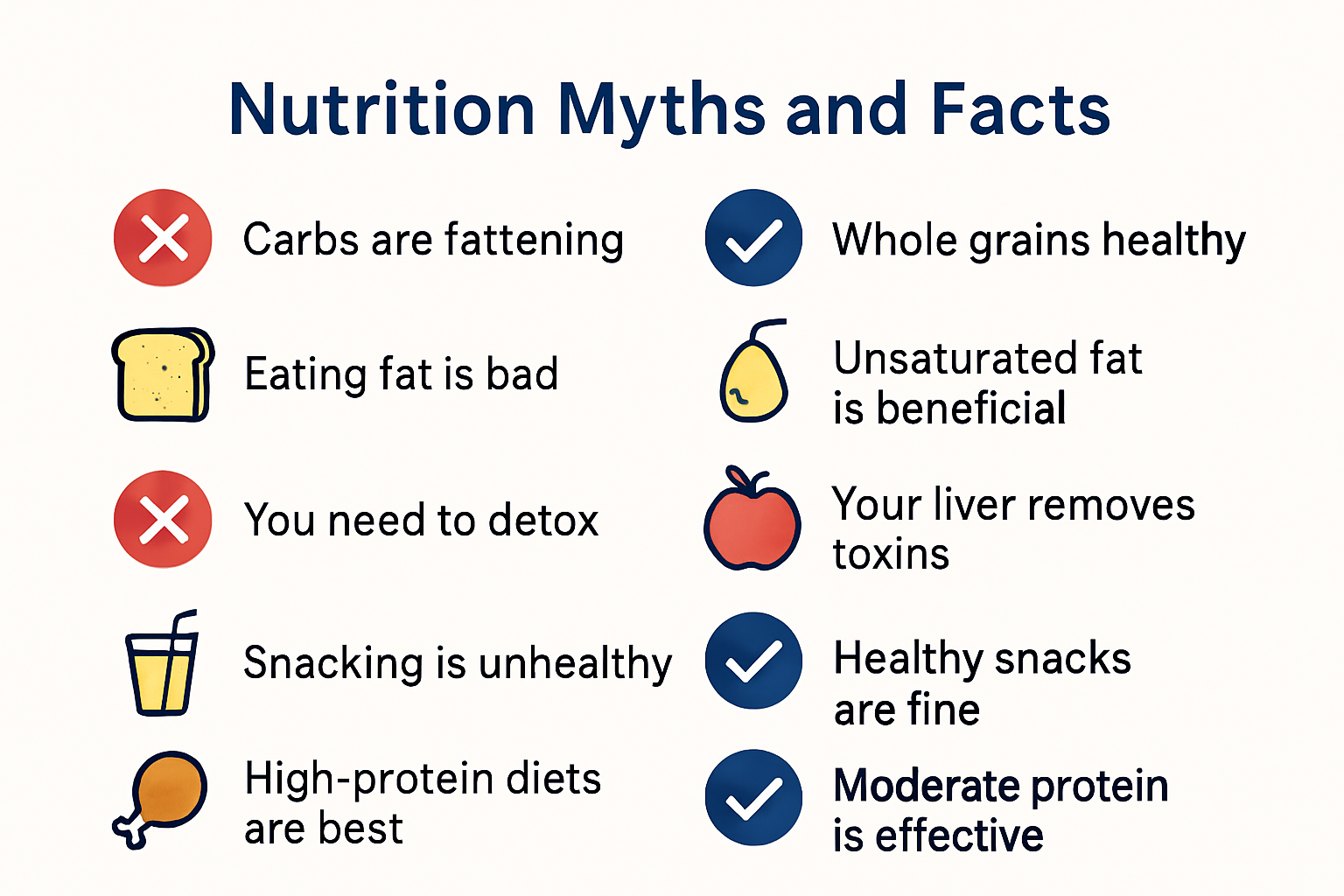
Most Common Nutrition Myths and Facts
Nutrition myths can derail health goals and create confusion about proper dietary choices. Understanding the science behind popular nutrition claims helps individuals make informed decisions about their diet and overall wellness.
Separating Nutrition Facts from Fiction
Nutrition science constantly evolves, and what was once considered absolute truth can quickly become outdated. The Mayo Clinic Health System highlights that many popular nutrition beliefs lack scientific foundation. One prevalent myth is that eating healthy is prohibitively expensive. In reality, smart shopping strategies can make nutritious eating accessible to everyone.
Consider these practical approaches to affordable healthy eating:
- Meal Planning: Shop with a list and plan meals around seasonal produce and sales
- Smart Purchasing: Choose frozen or canned fruits and vegetables without added sugars
- Bulk Buying: Purchase staple items like whole grains and legumes in larger quantities
Here’s a summary table that organizes the practical approaches to affordable healthy eating mentioned above, helping readers quickly compare strategies and their benefits:
| Approach | Description | Key Benefit |
|---|---|---|
| Meal Planning | Shop with a list, plan meals around seasonal produce and sales | Saves money and reduces waste |
| Smart Purchasing | Choose frozen or canned fruits/veggies without added sugars | Affordable and convenient |
| Bulk Buying | Purchase whole grains and legumes in larger quantities | Lowers cost per serving |
Debunking Carbohydrate and Weight Loss Misconceptions
The University of Queensland’s Faculty of Health and Behavioural Sciences addresses another widespread myth: that carbohydrates are inherently harmful. Carbohydrates are a crucial energy source for the body. The key is selecting high-quality, nutrient-dense carbohydrate sources.
Whole grains, fruits, and vegetables provide essential nutrients and fiber. Refined carbohydrates like processed snacks and sugary drinks are the real culprits to avoid. Understanding the difference helps people make more informed dietary choices.
The National Institute of Diabetes and Digestive and Kidney Diseases further debunks the myth that weight loss requires completely eliminating favorite foods. Successful nutrition approaches are about balance, not extreme restriction. Moderate consumption of favorite foods can be part of a healthy weight management strategy when balanced with overall calorie intake and physical activity.
Key principles for effective nutrition include:
- Balanced Approach: Include a variety of nutrient-rich foods
- Moderation: Enjoy favorite foods in controlled portions
- Consistency: Focus on long-term dietary habits rather than short-term fixes
Navigating nutrition requires critical thinking and a willingness to challenge long-held beliefs. Scientific research continually provides new insights into how different foods impact our health. By staying informed and approaching nutrition with an open mind, individuals can develop more effective and sustainable dietary strategies that support their overall wellness goals.
The Science Behind Popular Diet Beliefs
Dietary beliefs often emerge from misunderstood scientific information, personal experiences, and marketing trends. Understanding the scientific principles behind nutrition helps individuals make informed choices about their diet and overall health.
Grains and Nutritional Misconceptions

The National Institute of Diabetes and Digestive and Kidney Diseases challenges the widespread belief that grain products like bread, pasta, and rice are inherently fattening. Contrary to popular opinion, grains themselves are not unhealthy when consumed mindfully. The key distinction lies in choosing whole grains over refined grain products.
Whole grains offer significant nutritional advantages:
- Fiber Content: Provides sustained energy and supports digestive health
- Nutrient Density: Contains essential vitamins and minerals
- Satiety: Helps individuals feel fuller for longer periods
Protein and Dietary Complexity
The University of Queensland’s Faculty of Health and Behavioural Sciences reveals that not all protein sources are created equal. Protein plays a crucial role in building and repairing body tissues, but the source matters significantly.
To help readers understand the differences between protein sources and strategies for a complete amino acid profile, here’s a comparison table:
| Protein Type | Source Example | Essential Amino Acids Present? | Strategy for Completeness |
|---|---|---|---|
| Complete Protein | Animal-based (meat, eggs, dairy), soy | Yes | Can be eaten alone |
| Incomplete Protein | Most plant-based (beans, nuts, grains) | No | Combine with other plant proteins (e.g., rice + beans) |
Protein sources can be categorized into two primary types:
- Complete Proteins: Animal-based proteins containing all essential amino acids
- Incomplete Proteins: Plant-based proteins lacking one or more essential amino acids
For individuals following plant-based diets, combining different protein sources becomes essential to ensure complete amino acid profiles. Strategies like pairing beans with rice or consuming soy products can help create comprehensive protein intake.
Gluten and Dietary Restrictions
The Mayo Clinic Health System addresses the growing trend of gluten-free diets. While necessary for individuals with celiac disease or gluten intolerance, eliminating gluten is not universally beneficial.
Whole-wheat products offer substantial nutritional benefits:
- B Vitamins: Support metabolism and energy production
- Fiber: Promotes digestive health
- Mineral Content: Provides essential nutrients like iron and magnesium
Scientific research emphasizes that dietary choices should be personalized. What works for one individual might not be optimal for another. Consulting healthcare professionals and registered dietitians can help develop nutrition strategies tailored to specific health needs and goals.
Navigating nutrition requires a nuanced approach that goes beyond trendy diets and oversimplified recommendations. By understanding the scientific principles underlying dietary choices, individuals can develop more balanced, sustainable, and health-supportive eating habits that adapt to their unique physiological requirements.
Personalized Nutrition: Myths vs. Reality
Personalized nutrition represents a promising frontier in health and wellness, blending scientific insights with individual dietary needs. However, the landscape is complex, with numerous myths and misconceptions clouding understanding of what truly constitutes personalized nutritional guidance.
The Evidence Behind Personalized Nutrition
A systematic review of randomized trials reveals a critical perspective on personalized nutrition interventions. Despite growing popularity, current research suggests that personalized nutrition strategies do not consistently deliver the dramatic improvements in dietary, behavioral, or health outcomes that many consumers expect.
Key challenges in personalized nutrition include:
- Variability in Individual Response: Genetic and metabolic differences complicate universal dietary recommendations
- Limited Scientific Validation: Many personalized nutrition approaches lack robust empirical evidence
- Complexity of Nutritional Interactions: Human metabolism involves intricate biological systems that resist simple, one-size-fits-all solutions
Navigating the Regulatory Landscape
Research published in nutritional science journals highlights a significant concern in the personalized nutrition market. The rapid growth of nutrition technologies has outpaced regulatory frameworks, leading to a proliferation of products with unverified claims and potentially misleading marketing.
Consumers must approach personalized nutrition with critical thinking:
- Verify Credentials: Seek recommendations from registered dietitians and certified nutritionists
- Demand Scientific Evidence: Look for interventions backed by peer-reviewed research
- Understand Limitations: Recognize that personalized nutrition is not a miracle solution
Nutritional Complexity and Individual Needs
The National Institute of Diabetes and Digestive and Kidney Diseases emphasizes the nuanced nature of nutritional science. Contrary to popular belief, nutrition is not about strict rules or eliminating entire food groups, but understanding individual metabolic responses and nutritional needs.
Emerging approaches to personalized nutrition recognize that:
- Metabolic Individuality: Each person’s body responds differently to nutrients
- Holistic Health Considerations: Nutrition interacts with genetics, lifestyle, and environmental factors
- Dynamic Nutritional Needs: Dietary requirements change with age, health status, and activity levels
The future of personalized nutrition lies in sophisticated, data-driven approaches that combine genetic insights, metabolic profiling, and comprehensive health assessments. While current technologies show promise, they are not yet a definitive solution for universal health optimization.
Individuals seeking personalized nutrition guidance should prioritize comprehensive approaches that consider multiple factors: genetic predispositions, current health status, lifestyle habits, and long-term wellness goals. Working closely with healthcare professionals can help develop nuanced, scientifically grounded nutritional strategies that adapt to changing individual needs.
Supplements, Fitness, and Nutrition Misconceptions
Navigating the complex world of fitness, nutrition, and supplements requires distinguishing between evidence-based practices and popular misconceptions. Understanding the nuanced relationship between physical activity, dietary intake, and nutritional supplementation can help individuals make more informed health choices.
Physical Activity and Nutritional Myths
The National Institute of Diabetes and Digestive and Kidney Diseases challenges several prevalent fitness and nutrition myths. One significant misconception is that effective physical activity requires prolonged, intense exercise sessions. In reality, health benefits can be achieved through shorter, more manageable activity periods.
Key insights about physical activity include:
- Incremental Exercise: 10-minute activity sessions can contribute to weekly fitness goals
- Strength Training Misconceptions: Moderate weight training improves health without necessarily causing significant muscle bulk
- Flexibility in Fitness: Different exercise approaches can be equally beneficial depending on individual goals
Supplement and Nutrient Consumption Strategies
The George Washington University Resiliency and Well-being Center provides critical perspective on nutritional supplementation. While supplements can play a role in addressing specific nutritional deficiencies, they are not universal solutions or replacements for a balanced diet.
Critical considerations for supplement use:
- Whole Food Priority: Nutrients from natural food sources are typically more bioavailable
- Targeted Supplementation: Supplements should address specific, identified nutritional gaps
- Professional Guidance: Consulting healthcare professionals helps develop personalized supplement strategies
Comprehensive Nutrition Approach
The Mayo Clinic Health System emphasizes a holistic approach to nutrition that goes beyond simplistic dietary restrictions. Contrary to popular belief, eliminating entire food groups can lead to nutrient deficiencies and metabolic imbalances.
Nutrition strategies should recognize that:
- Carbohydrates Are Essential: Whole grains provide crucial nutrients and fiber
- Fat Is Not the Enemy: Healthy fats play a vital role in metabolic processes
- Balance Matters: Moderation and variety are key to nutritional health
The intersection of fitness, nutrition, and supplementation is complex and highly individualized. While general guidelines provide valuable insights, personal health goals, genetic predispositions, and lifestyle factors ultimately determine the most effective approach.
Individuals seeking optimal health should prioritize comprehensive strategies that integrate balanced nutrition, appropriate physical activity, and targeted supplementation. This approach requires continuous learning, periodic health assessments, and a willingness to adapt nutritional strategies based on emerging scientific evidence and personal health markers.
Frequently Asked Questions
What are the most common nutrition myths?
Many common nutrition myths include the belief that all carbohydrates are unhealthy, that eating healthy is prohibitively expensive, and that gluten-free diets are better for everyone. Understanding the science behind nutrition can help debunk these misconceptions.
Is it true that eating healthy food costs more?
No, eating healthy can be affordable with smart shopping strategies like meal planning, bulk buying, and choosing seasonal produce. These practices can often make nutritious eating cheaper than junk food.
Are all carbohydrates bad for weight loss?
Not at all. Carbohydrates are an essential energy source, and not all carbs are created equal. Focus on consuming high-quality, nutrient-dense carbohydrates like whole grains, fruits, and vegetables for better health.
Do I need to avoid gluten to be healthy?
Gluten is not inherently bad for everyone. It is essential for those with celiac disease or gluten intolerance to avoid gluten, but for most individuals, whole grains that contain gluten can provide important nutrients and should be included in a balanced diet.
Ready to Leave Nutrition Myths Behind and Personalize Your Health Journey?
You have seen how common myths like “carbs are bad” or “healthy eating is expensive” can cloud your wellness goals. The truth is real progress starts with understanding your unique needs and cutting through misinformation. But learning the facts is only the first step—now you can turn insight into action and take control of your personal nutrition, backed by science and technology.
Stop letting one-size-fits-all advice hold you back. At Menalam, you get personalized supplement plans shaped by your health profile, lifestyle, and even your latest blood test results. Our platform acts as a digital nutritionist, helping you track progress and stay consistent with smart reminders on our mobile app. Complete a quick health quiz and discover which supplements are right for you, all supported by real data and expert guidance. Visit Menalam today and experience what science-backed, tailored nutrition can do for you. Make your next step a truly informed one—your best results start now.
Leave a Reply