

Superfoods promise more than just a boost in your smoothie. Some pack a nutrient punch so strong that a single ounce of chia seeds delivers over 4 grams of protein and almost 10 grams of fiber. Sounds impressive, right? Most people think superfoods are magic bullets for health, but the real secret is how these foods work best when tailored to your own unique goals and routine.
Table of Contents
- What Makes Superfoods Nutritionally Powerful
- Top Superfoods And Their Key Benefits
- Personalizing Superfood Choices For Your Goals
- How To Add Superfoods To A Healthy Routine
Quick Summary
| Takeaway | Explanation |
|---|---|
| Superfoods offer concentrated nutrients | Superfoods provide dense combinations of vitamins, minerals, and phytochemicals that enhance health beyond regular foods. |
| Personalize superfood choices to health goals | Tailor superfood selections based on individual health objectives and physiological needs for optimal benefits. |
| Incorporate superfoods strategically | Introduce superfoods gradually into meals through meal planning and preparation for sustainable dietary changes. |
| Emphasize variety and balance in diet | Superfoods should complement, not replace, a diverse diet that includes multiple food groups for overall wellness. |
| Consult professionals for tailored advice | Individual assessments from nutrition experts can enhance superfood integration and maximize dietary impact. |
What Makes Superfoods Nutritionally Powerful
Nutritionists and health researchers have long recognized the extraordinary potential of superfoods as powerhouses of essential nutrients. These exceptional foods go beyond basic nutritional requirements, delivering concentrated benefits that support optimal human health.
Phytochemical Complexity and Nutrient Density
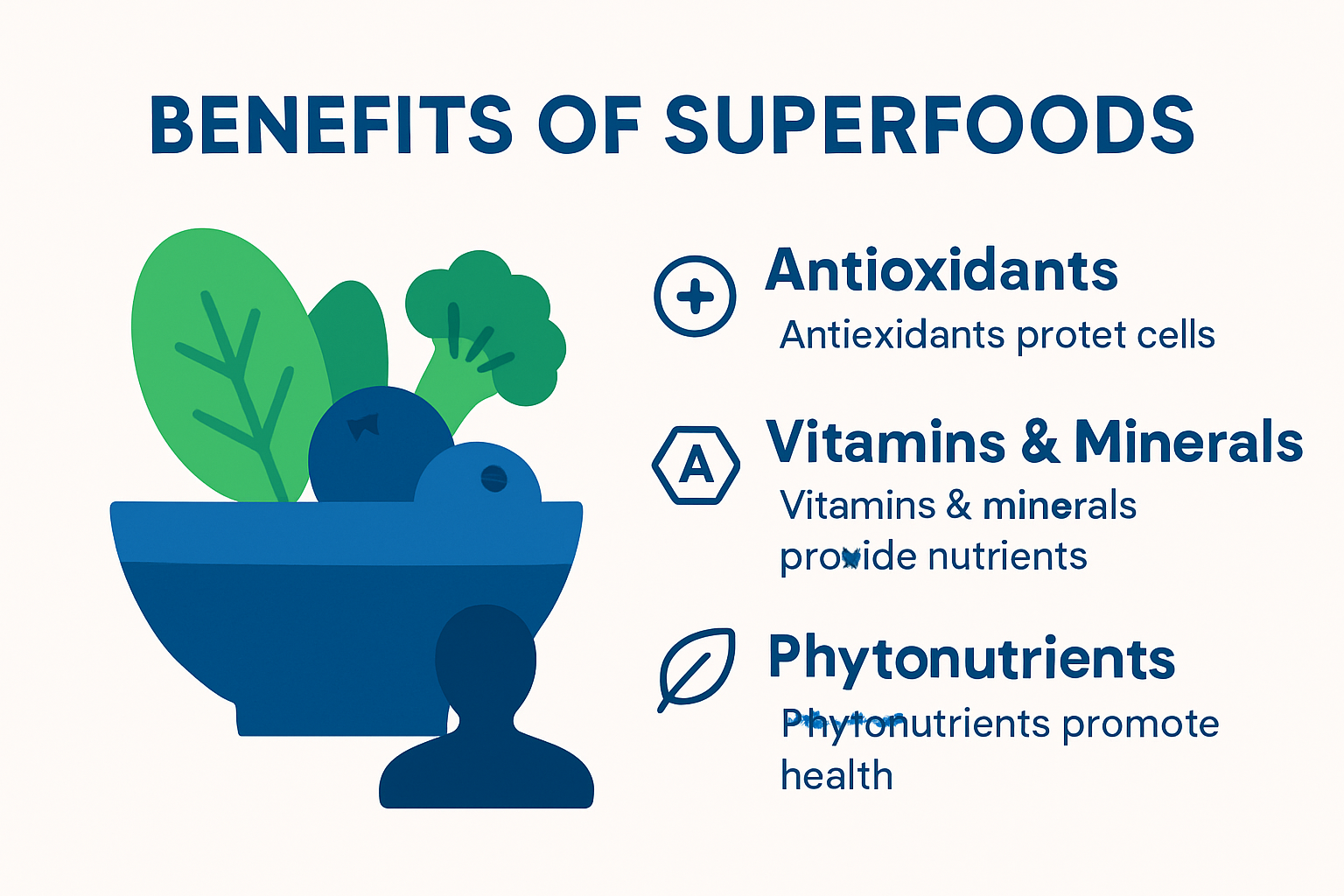
Superfoods distinguish themselves through an unprecedented combination of nutrient density and phytochemical complexity. The National Institutes of Health research reveals that these foods contain remarkable concentrations of bioactive compounds including antioxidants, polyphenols, vitamins, and minerals. Unlike standard foods, superfoods provide an extraordinary spectrum of nutrients that work synergistically to protect and enhance bodily functions.
The molecular structure of superfoods enables them to deliver multiple health benefits simultaneously. Compounds like flavonoids, carotenoids, and phenolic acids interact in ways that amplify their protective capabilities. This intricate nutritional profile means consuming superfoods can support immune function, reduce inflammation, and potentially mitigate chronic disease risks.

Antioxidant and Anti Inflammatory Properties
Harvard T.H. Chan School of Public Health emphasizes that the exceptional antioxidant content of superfoods represents a critical mechanism for cellular protection. Antioxidants neutralize harmful free radicals that contribute to oxidative stress, a primary driver of cellular aging and chronic health conditions.
The anti inflammatory properties of superfoods extend beyond simple nutritional supplementation. These foods contain specialized compounds that can modulate inflammatory responses at the cellular level. For instance, foods like turmeric, berries, and leafy greens contain molecular structures that can directly influence inflammatory pathways, potentially reducing risks associated with cardiovascular disease, metabolic disorders, and age related decline.
Metabolic and Cellular Optimization
Beyond immediate nutritional benefits, superfoods demonstrate profound capabilities in supporting metabolic processes and cellular optimization. Their complex nutrient profiles support mitochondrial function, enhance metabolic efficiency, and provide comprehensive nutritional support that goes beyond traditional dietary approaches.
The strategic consumption of superfoods can help individuals optimize their nutritional intake, supporting everything from energy production to cellular repair mechanisms. By delivering concentrated nutrients in bioavailable forms, these foods represent a sophisticated approach to nutritional wellness that transcends basic dietary recommendations.
Understanding the nutritional value of superfoods requires recognizing them not as simple food items, but as sophisticated nutritional interventions capable of supporting comprehensive human health. Their power lies not just in individual nutrients, but in the intricate, synergistic interactions that make them truly exceptional.
Top Superfoods and Their Key Benefits
Navigating the world of superfoods requires understanding the most impactful options that provide extraordinary nutritional benefits. Each superfood brings a unique combination of nutrients designed to support specific aspects of human health and wellness.
Berries and Plant Based Powerhouses
Harvard Health identifies berries as exceptional nutritional champions. Blueberries, strawberries, and acai berries contain high concentrations of antioxidants that combat cellular damage and support cognitive function. These small fruits pack tremendous nutritional punch through compounds like anthocyanins and flavonoids.
Goji berries represent another remarkable plant based superfood. PubMed research demonstrates their potential in preventing chronic diseases by delivering potent combinations of vitamins, minerals, and unique phytonutrients. Their molecular composition supports immune function and may help reduce inflammation throughout the body.
Nuts Seeds and Protein Rich Superfoods
Ohio State Health & Discovery highlights nuts and seeds as nutritional powerhouses. Brazil nuts stand out for their exceptional selenium content, which supports thyroid function and provides powerful antioxidant protection. Almonds and walnuts deliver essential omega 3 fatty acids that promote cardiovascular health and support brain function.
Seeds like chia and flaxseed offer remarkable nutritional density. These tiny nutritional gems provide complete protein profiles, fiber, and critical micronutrients. Their ability to support digestive health and provide sustained energy makes them valuable additions to any comprehensive nutrition strategy.
Functional Foods with Targeted Benefits
Some superfoods demonstrate extraordinary targeted health benefits. Turmeric contains curcumin, a compound with potent anti inflammatory properties. Mushrooms like shiitake and reishi provide unique immune supporting compounds that enhance cellular protection. Legumes such as lentils and chickpeas deliver complex carbohydrates, plant based proteins, and critical minerals.
Kale and spinach represent leafy green superfoods that deliver concentrated nutrition. These vegetables provide vitamins A, C, and K alongside minerals like iron and calcium. Their nutrient profile supports bone health, immune function, and cellular repair mechanisms.
Understanding the nutritional landscape of superfoods requires strategic selection. These foods are not magical solutions but scientifically validated nutritional resources that can significantly enhance overall health when incorporated thoughtfully into a balanced diet. Their power lies in consistent consumption and integration with comprehensive wellness strategies.
Below is a table summarizing some of the top superfoods discussed and their primary nutritional benefits to help you compare their strengths at a glance.
| Superfood | Key Nutritional Components | Main Health Benefits |
|---|---|---|
| Blueberries | Antioxidants (anthocyanins), Vitamin C | Cellular protection, cognitive function |
| Goji Berries | Vitamins (A & C), minerals, phytonutrients | Immune support, inflammation reduction |
| Brazil Nuts | Selenium, healthy fats | Thyroid support, antioxidant function |
| Chia Seeds | Complete protein, fiber, omega-3s | Digestive health, sustained energy |
| Walnuts | Omega-3s, antioxidants | Heart & brain health |
| Turmeric | Curcumin (anti-inflammatory compound) | Inflammation reduction, joint health |
| Shiitake Mushrooms | Immune compounds, B vitamins | Immune system support, cellular protection |
| Kale/Spinach | Vitamins A, C, K, iron, calcium | Bone health, immunity, cellular repair |
Personalizing Superfood Choices for Your Goals
Customizing superfood selections requires a strategic approach that goes beyond generic nutritional recommendations. Individual health goals, genetic variations, and metabolic profiles play crucial roles in determining the most effective nutritional interventions.
Health Goal Specific Nutritional Strategies
Research from the journal Nutrients emphasizes the critical importance of personalized dietary approaches. Individual responses to superfoods can vary dramatically based on genetic, metabolic, and phenotypic variations. This means a one size fits all approach to nutrition is fundamentally flawed.
For individuals targeting specific health outcomes, strategic superfood selection becomes paramount. Those seeking cardiovascular support might prioritize foods rich in omega 3 fatty acids and antioxidants. People managing metabolic health could focus on superfoods that support blood sugar regulation and insulin sensitivity.
Matching Superfoods to Physiological Needs
Harvard T.H. Chan School of Public Health recommends a targeted approach to superfood consumption. Different physiological goals require nuanced nutritional strategies:
- Immune Enhancement: Prioritize superfoods like mushrooms, garlic, and citrus fruits that contain immune boosting compounds.
- Inflammation Reduction: Select foods high in anti inflammatory properties such as turmeric, ginger, and fatty fish.
- Cognitive Support: Focus on brain health superfoods like blueberries, walnuts, and dark leafy greens.
Individual Assessment and Professional Guidance
Effective superfood integration requires comprehensive individual assessment. Factors such as age, existing health conditions, genetic predispositions, and lifestyle significantly impact nutritional requirements. Blood tests, metabolic screenings, and professional nutritional consultations provide critical insights for precise superfood recommendations.
Genetic variations can dramatically influence how individuals metabolize and utilize nutrients. Some people might have enhanced benefits from certain superfoods, while others may experience minimal impact. This genetic diversity underscores the importance of personalized nutritional strategies.
The most effective approach combines scientific understanding with individual metabolic insights. By moving beyond generic recommendations and embracing a personalized nutritional framework, individuals can optimize their health through targeted superfood consumption.
Understanding that nutrition is not a one size fits all solution empowers individuals to make informed choices. Superfoods represent powerful nutritional tools, but their true potential emerges when strategically aligned with individual physiological needs and health objectives.
The following table helps match suggested superfoods to specific health goals mentioned in the article, making it easier to select options that support your priorities.
| Health Goal | Recommended Superfoods | Reason for Recommendation |
|---|---|---|
| Immune Enhancement | Mushrooms, garlic, citrus fruits | Contain immune-boosting compounds |
| Inflammation Reduction | Turmeric, ginger, fatty fish | Rich in anti-inflammatory components |
| Cognitive Support | Blueberries, walnuts, leafy greens | Support brain health and cognitive function |
| Cardiovascular Health | Walnuts, chia seeds, almonds | High in omega-3s and antioxidants |
| Metabolic Health | Legumes, whole grains, flaxseed | Aid blood sugar regulation and insulin sensitivity |
How to Add Superfoods to a Healthy Routine
Integrating superfoods into daily nutrition requires thoughtful strategy and practical approaches. Transforming dietary habits does not mean radical changes, but smart, sustainable modifications that enhance overall nutritional intake.
Strategic Meal Planning and Preparation
Harvard Health recommends a systematic approach to incorporating nutrient dense foods. Successful superfood integration begins with intentional meal planning that prioritizes diverse, whole food ingredients.
Start by identifying versatile superfoods that can be easily incorporated into existing recipes. Chia seeds can be sprinkled on morning yogurt. Kale can be blended into smoothies. Turmeric can be added to scrambled eggs or roasted vegetables. These small additions create cumulative nutritional benefits without overwhelming dietary patterns.
Meal prepping becomes an excellent strategy for consistent superfood consumption. Preparing weekly batches of quinoa, roasting mixed nuts, or creating vegetable medleys with nutrient rich ingredients ensures convenient access to high quality nutrition.
Smart Shopping and Kitchen Strategies
NIH News in Health emphasizes the importance of making intentional food selections. When grocery shopping, focus on whole food sections. Stock your pantry with dried berries, raw nuts, seeds, and whole grains. Choose minimally processed options that retain maximum nutritional integrity.
Create a kitchen environment that supports healthy eating. Organize visible containers of superfoods like almonds, goji berries, and chia seeds. Keep pre chopped vegetables and fruits readily available. Design your food storage to make nutritious choices convenient and appealing.
Consider gradually introducing new superfoods. Start with one or two items monthly. This approach prevents dietary overwhelm and allows palate adaptation. Experiment with different preparation methods to discover enjoyable ways of consuming these nutritional powerhouses.
Mindful Consumption and Balanced Approach
NYC Health Department recommends maintaining a balanced perspective on nutrition. Superfoods are not miracle solutions but complementary components of a comprehensive health strategy.
Practice portion control and variety. While superfoods offer exceptional nutritional benefits, they should not replace a diverse diet. Aim for balanced meals that include multiple food groups. Use superfoods as nutritional enhancers rather than sole dietary focuses.
Remember that individual nutritional needs vary. What works perfectly for one person might require modification for another. Pay attention to your body response. Some individuals might experience digestive adjustments when introducing new foods. Start with small quantities and observe how your body responds.
Creating a sustainable superfood routine requires patience, creativity, and a holistic approach. By making incremental, thoughtful changes, you can transform your nutritional landscape without feeling overwhelmed. The goal is not perfection but consistent, enjoyable nutritional improvement.
Frequently Asked Questions
What are superfoods?
Superfoods are nutrient-dense foods that offer high levels of vitamins, minerals, and phytochemicals, providing exceptional health benefits beyond standard dietary options.
How can I personalize my superfood choices?
To personalize your superfood choices, consider your specific health goals, such as boosting immunity or supporting cardiovascular health, and select superfoods that align with those needs.
How can I incorporate superfoods into my daily diet?
You can incorporate superfoods into your diet by meal planning, adding them to existing recipes, and preparing snacks with nutrient-dense options like nuts and seeds for easy access throughout the day.
Are there any risks associated with consuming superfoods?
While superfoods are generally safe, it’s important to consume a variety of foods to achieve balanced nutrition and consult with a healthcare professional before making significant dietary changes.
Unlock the Next Level of Personalized Nutrition with Menalam
Are you feeling overwhelmed by the sheer volume of superfood recommendations and struggling to put theory into practice? While the article shed light on how superfoods support immune function and metabolic health, finding out which nutrients truly match your goals is still a challenge for most readers. If you want a smarter approach tailored to your unique health profile instead of guesswork, Menalam delivers science-backed solutions that go far beyond basic advice.
Let Menalam take your nutrition journey further. Complete a quick health quiz and instantly receive personalized supplement recommendations that consider your lifestyle, blood test results, and wellness priorities. Experience the convenience of a mobile app that tracks your progress and reminds you to stay consistent. Start making your nutrition as individualized as your superfood choices. Join Menalam now and transform nutrition science into real results for your health.
Leave a Reply