
Nutrient absorption decides how much your body actually gets from every bite, and most people never realize that nearly 95 percent of nutrients are absorbed right in the small intestine. It sounds straightforward and simple, right? Actually, everything from when you eat to your stress level and tech gadgets on your wrist can change the entire equation. The biggest leaps in nutrition now come from understanding these hidden details, not just from what you put on your plate.
Table of Contents
- How Nutrient Absorption Works In Your Body
- Factors Affecting Your Nutrient Absorption
- Optimizing Absorption: Nutrition And Supplement Tips
- Tracking And Personalizing Your Nutrient Uptake
Quick Summary
| Takeaway | Explanation |
|---|---|
| Enhance Nutrient Absorption Through Strategic Pairing | Pairing vitamin C with iron-rich plant foods can significantly boost iron absorption (up to 67%). Consuming fat-soluble vitamins (A, D, E, K) with healthy fats improves their bioavailability. |
| Understand Factors Influencing Absorption | Multiple factors affect nutrient absorption, including health conditions, age, and lifestyle choices. Chronic stress, medications, and dietary interactions can inhibit nutrient uptake. |
| Leverage Technology for Personalized Nutrition | Utilizing wearables and apps allows for precise tracking of nutritional intake and metabolic responses, helping individuals understand their unique nutrient absorption patterns and needs. |
| Practice Digestive Health Support | Maintaining digestive health through probiotics, hydration, stress management, and regular physical activity is crucial for maximizing nutrient absorption. |
| Implement Holistic Tracking for Optimal Nutrition | Comprehensive monitoring, including blood tests and health assessments, enables continuous adjustments to dietary strategies, aligning nutritional intake with evolving personal health needs. |
How Nutrient Absorption Works in Your Body
Nutrient absorption is a complex biological process that transforms the food we eat into essential building blocks for our body’s functioning. Research from the National Institutes of Health reveals that this intricate system involves multiple organs and specialized cellular mechanisms working in remarkable synchronization.
The Small Intestine: Your Nutrient Processing Center
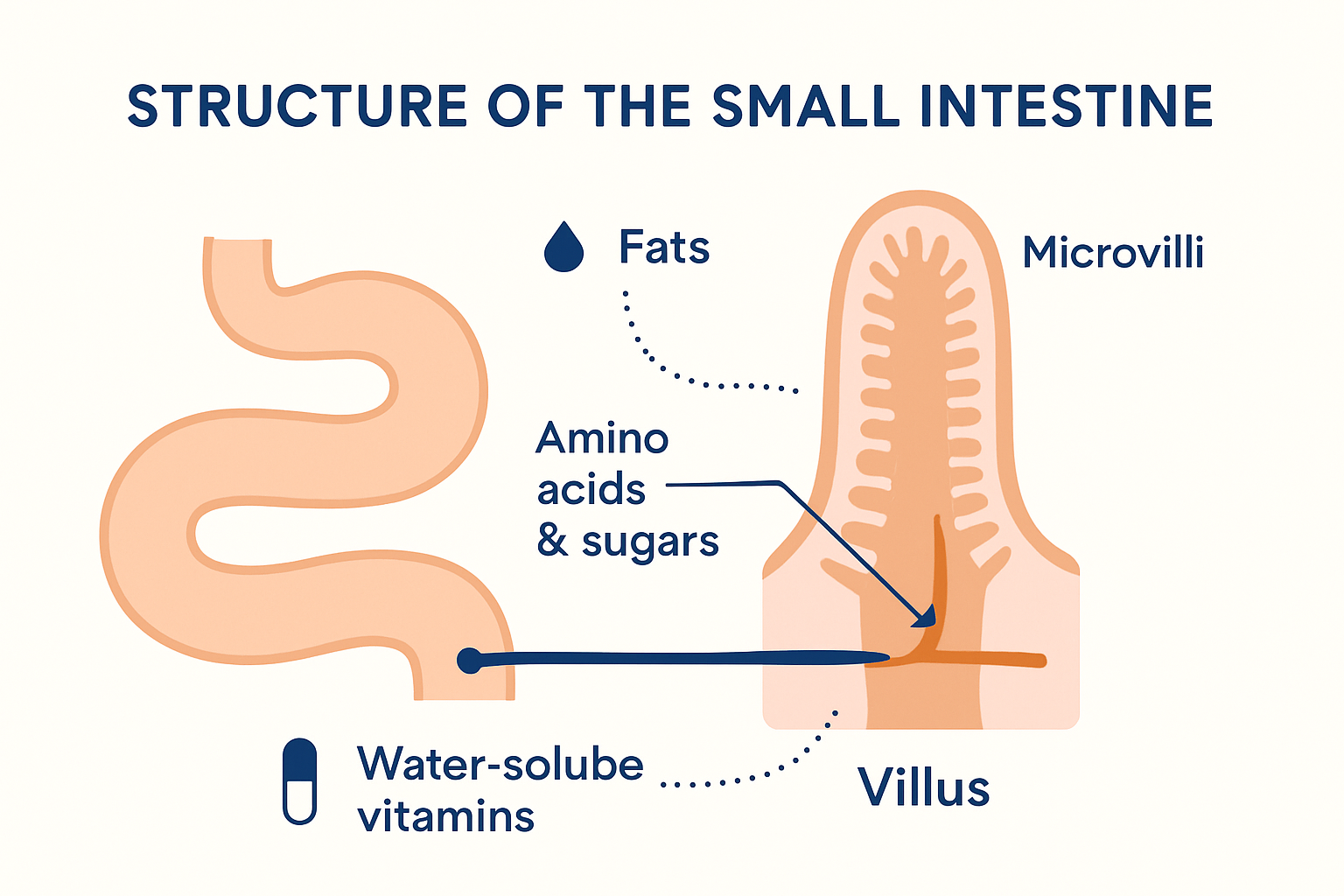
The small intestine serves as the primary powerhouse of nutrient absorption. Its remarkable design allows for maximum nutrient extraction through an ingenious structural adaptation. Scientific research demonstrates that this organ possesses an extraordinary surface area comparable to a tennis court – approximately 200 square meters.
This expansive surface is created through microscopic structures called villi and microvilli. These finger-like projections dramatically increase the area available for nutrient absorption. Each villus contains a complex network of blood capillaries and lymphatic vessels positioned strategically to capture different types of nutrients. Water-soluble nutrients like amino acids and monosaccharides are transported directly into blood capillaries, while fatty acids and fat-soluble vitamins travel through lymphatic vessels before entering the bloodstream.
Nutrient Transportation Mechanisms
Nutrients are not passively absorbed but actively transported through sophisticated cellular mechanisms. The absorption process involves three primary methods: simple diffusion, facilitated diffusion, and active transport. Simple diffusion allows small molecules to move across cell membranes without energy expenditure. Facilitated diffusion uses protein channels to help molecules move across membranes, while active transport requires cellular energy to move nutrients against concentration gradients.
The small intestine is segmented into three distinct regions – the duodenum, jejunum, and ileum – each specializing in absorbing specific nutrients. The duodenum focuses on minerals like iron and calcium, the jejunum handles most vitamins and minerals, and the ileum completes the absorption process by capturing remaining critical nutrients like vitamin B12.
Understanding these intricate absorption mechanisms highlights the body’s remarkable efficiency. Approximately 95% of nutrient molecules are successfully absorbed in the small intestine, demonstrating the incredible precision of our digestive system. This process ensures that the nutrients consumed are transformed into the essential components our body requires for optimal functioning, growth, and repair.
Every meal becomes a complex biochemical journey, with your digestive system working tirelessly to extract maximum nutritional value from the food you consume.
Here’s a summary table showing the main nutrient absorption methods and where in the small intestine different nutrients are absorbed:
| Absorption Method | Energy Required? | Key Nutrients Absorbed | Main Intestinal Region |
|---|---|---|---|
| Simple Diffusion | No | Small molecules, water | Throughout |
| Facilitated Diffusion | No | Vitamins, some minerals, glucose | Jejunum |
| Active Transport | Yes | Amino acids, glucose, minerals | Duodenum, Jejunum |
| Specialized Mechanisms | Varies | Vitamin B12 (with intrinsic factor) | Ileum |
Factors Affecting Your Nutrient Absorption
Nutrient absorption is not a uniform process and varies significantly based on multiple interconnected factors. Research from Michigan State University Extension reveals that numerous elements can dramatically influence how effectively your body extracts and utilizes nutrients from food.
Chemical Composition and Food Interactions
The chemical structure of nutrients and their interactions play a crucial role in absorption efficiency. Certain nutrients can enhance or inhibit each other’s absorption. For instance, vitamin C improves iron absorption, while calcium can interfere with iron uptake. Medicine LibreTexts explains that some nutrients compete for absorption pathways, creating complex interactions within the digestive system.
Fat-soluble vitamins (A, D, E, K) require dietary fat for optimal absorption. Without adequate fat intake, these critical nutrients may pass through the digestive system largely unabsorbed. Protein quality and amino acid composition also significantly impact nutrient uptake, with complete proteins offering more bioavailable nutrients compared to incomplete protein sources.
Health Conditions and Lifestyle Factors
Individual health status profoundly affects nutrient absorption. Chronic conditions like celiac disease, Crohn’s disease, and inflammatory bowel disorders can compromise the intestinal lining’s ability to extract nutrients effectively. The Food and Agriculture Organization highlights that infections and inflammatory responses can disrupt normal digestive processes.
Age is another critical factor. As people grow older, stomach acid production decreases, which can reduce the absorption of essential nutrients like vitamin B12 and calcium. Medications also play a significant role. Certain drugs can interfere with nutrient absorption by altering metabolic processes or directly interacting with specific nutrients.
Lifestyle and Environmental Influences
Stress, sleep patterns, and physical activity levels impact nutrient absorption. Chronic stress can increase cortisol levels, which may interfere with digestive processes and nutrient uptake. Poor sleep disrupts hormonal balance and can indirectly affect metabolic efficiency.
Environmental factors such as alcohol consumption, smoking, and exposure to toxins can damage the intestinal lining, reducing its capacity to absorb nutrients effectively. Excessive alcohol intake, for example, can damage the intestinal walls and impair the absorption of critical vitamins and minerals.
Understanding these complex factors empowers individuals to make informed dietary and lifestyle choices. By recognizing how various elements interact with nutrient absorption, you can optimize your nutritional intake and support overall health more effectively.
The following table summarizes key factors that affect nutrient absorption and highlights their specific impact:
| Factor | Impact on Absorption | Example or Effect |
|---|---|---|
| Nutrient Pairings | Can enhance or inhibit absorption | Vitamin C boosts plant iron absorption |
| Fat Intake | Needed for absorption of fat-solubles | Lack of fat reduces A, D, E, K uptake |
| Digestive Health Conditions | Often reduce absorption efficiency | Celiac, Crohn’s disease, IBS |
| Age | Absorption declines with age | Lower stomach acid, B12 uptake drops |
| Medications | Can block or reduce absorption | Some drugs limit nutrient availability |
| Stress & Sleep | Chronic stress/sleep loss inhibits | Higher cortisol, less efficient uptake |
| Alcohol & Toxins | Damages intestinal lining | Impaired vitamin/mineral absorption |
Optimizing Absorption: Nutrition and Supplement Tips
Maximizing nutrient absorption requires strategic approaches that go beyond simply consuming vitamins and minerals. Research published in Nutrients reveals that absorption is a complex process influenced by multiple factors, including food combinations, timing, and individual metabolic characteristics.
Strategic Nutrient Pairing
Certain nutrients work synergistically to enhance absorption. Harvard T.H. Chan School of Public Health highlights the importance of strategic nutrient combinations. Vitamin C, for instance, dramatically improves iron absorption from plant-based sources. When consuming non-heme iron foods like spinach or legumes, pairing them with vitamin C-rich foods such as citrus fruits, bell peppers, or strawberries can increase iron uptake by up to 67%.
Fat-soluble vitamins (A, D, E, K) require dietary fat for optimal absorption. Consuming these vitamins with healthy fat sources like avocados, nuts, or olive oil enhances their bioavailability. This means a salad with fat-free dressing might provide fewer nutrients compared to one dressed with a moderate amount of olive oil.

Timing and Supplement Strategies
Nutrient absorption is significantly influenced by timing and dosage. The NIH Office of Dietary Supplements recommends spreading nutrient intake throughout the day to optimize absorption. For example, magnesium absorption increases when intake is distributed across multiple meals and consumed with protein-rich foods.
Caution is necessary when combining supplements. High doses of certain minerals can interfere with each other’s absorption. Zinc supplements, if taken in large quantities, can inhibit magnesium uptake. This interaction underscores the importance of balanced supplementation and consulting healthcare professionals before starting any new supplement regimen.
Lifestyle and Digestive Support
Optimizing absorption extends beyond nutrient combinations. Digestive health plays a crucial role in nutrient uptake. Probiotic-rich foods like yogurt, kefir, and fermented vegetables support gut microbiome health, which directly impacts nutrient absorption. Adequate hydration and regular physical activity also contribute to improved digestive efficiency.
Stress management is another often-overlooked factor in nutrient absorption. Chronic stress can alter digestive processes and reduce the body’s ability to extract nutrients effectively. Techniques like meditation, deep breathing, and regular exercise can help mitigate stress-related digestive disruptions.
Individuals with specific health conditions or dietary restrictions should work closely with nutritionists or healthcare providers. Personalized nutrition strategies can address unique absorption challenges, ensuring optimal nutrient intake tailored to individual metabolic needs.
Understanding and implementing these absorption-enhancing strategies can transform your approach to nutrition, helping you maximize the nutritional value of every meal and supplement you consume.
Tracking and Personalizing Your Nutrient Uptake
Personalized nutrition represents a groundbreaking approach to understanding individual nutritional needs. Research from the National Institute of Environmental Health Sciences reveals that precision nutrition can revolutionize how we approach dietary interventions by considering unique genetic, metabolic, and environmental factors.
Advanced Tracking Technologies
Modern technology has transformed nutrient tracking from a guesswork approach to a precise scientific process. Wearable devices and smartphone applications now offer sophisticated methods for monitoring nutritional intake and metabolic responses. A study published in the Journal of Medical Internet Research demonstrates how personalized nutrient profiling can provide insights into individual metabolic health, particularly for managing conditions like type 2 diabetes.
Digital platforms can now analyze multiple data points, including dietary intake, blood markers, genetic predispositions, and lifestyle factors. These technologies enable real-time tracking of nutrient absorption, helping individuals understand how their unique biological makeup influences nutritional uptake. Advanced sensors can measure parameters like blood glucose response, micronutrient levels, and metabolic efficiency, providing unprecedented insights into personal nutrition.
Personalized Nutritional Strategies
Research published in PubMed highlights the emerging field of precision nutrition, which integrates complex biological data to create tailored dietary recommendations. This approach goes beyond traditional one-size-fits-all nutritional guidelines, recognizing that each individual’s body processes nutrients differently.
Genetic testing plays a crucial role in personalized nutrition. By analyzing genetic markers, nutritionists can identify potential absorption challenges, metabolic variations, and specific nutritional needs. For instance, some individuals might have genetic variations that affect vitamin D absorption or require higher intake of specific minerals due to their unique metabolic profile.
Holistic Tracking and Continuous Optimization
Effective nutrient tracking involves more than just monitoring intake. It requires a comprehensive approach that considers multiple health indicators. Blood tests, metabolic screenings, and comprehensive health assessments provide detailed insights into nutrient absorption and utilization.
Continuous monitoring allows for dynamic adjustments to nutritional strategies. As your body changes with age, lifestyle, and health conditions, your nutritional needs evolve. Regular tracking enables proactive modifications to your diet and supplement regimen, ensuring optimal nutrient absorption and overall health.
Embracing personalized nutrition means moving beyond generic dietary advice. By leveraging advanced technologies, genetic insights, and comprehensive health data, you can develop a nuanced understanding of your body’s unique nutritional requirements. This approach empowers individuals to make informed decisions about their diet, supplements, and overall nutritional strategy.
Frequently Asked Questions
What is nutrient absorption?
Nutrient absorption is the process by which your body takes in the nutrients from the food you eat, mainly occurring in the small intestine, where approximately 95% of nutrients are absorbed.
How can I improve my nutrient absorption?
You can enhance nutrient absorption by strategically pairing foods (like vitamin C with iron-rich foods), ensuring adequate fat intake for fat-soluble vitamins, managing stress, and maintaining good digestive health.
What factors affect how well my body absorbs nutrients?
Several factors influence nutrient absorption, including the chemical composition of foods, health conditions (like celiac disease), age, medications, lifestyle choices (such as stress and sleep), and environmental factors like alcohol consumption.
How do tracking technologies help with nutrient absorption?
Advanced tracking technologies, like wearable devices and nutrition apps, allow you to monitor your dietary intake and metabolic responses in real-time, providing insights tailored to your unique nutritional needs and helping optimize nutrient absorption.
Transform Your Nutrient Absorption With Menalam’s Precision Nutrition
Are you striving to unlock the full benefits of what you eat but worried factors like stress, medication, or age could be blocking vital nutrients? The Science of Nutrient Absorption shows us that real progress comes from personalized strategies and continuous tracking, not guesswork or generic advice. If you want proof your nutrition plan actually works for your body, you need a smarter solution that watches every detail—just like you read in the article.
Take control of your health by letting Menalam tailor your supplement routine using advanced artificial intelligence and health data integration. Identify missing nutrients with a quick quiz, create a plan that adapts to your changing needs, and get reminders right on your phone for consistent, effective results. Start today at https://menalam.com and turn powerful science into lasting health. Your journey to better absorption and better outcomes begins now.
Leave a Reply