


Personalized health strategies are taking center stage as we head into 2025. Shockingly, researchers at King’s College London found that tailored nutrition advice outperforms generic diet tips in improving weight, cholesterol, and even mood. Turns out, a customized health plan informed by your own data and habits isn’t luxury or hype anymore – it’s quickly becoming the smartest way to achieve real results.
Table of Contents
- Personalized Nutrition Plans For Better Health
- Science-Backed Supplements And Their Benefits
- Tracking Progress: Effective Health Monitoring Tools
- Integrating Fitness For Lasting Wellness
Quick Summary
| Takeaway | Explanation |
|---|---|
| Personalized Nutrition | Tailored nutrition plans based on individual genetics and lifestyle significantly improve health metrics like weight management and metabolic performance. |
| Science-Backed Supplements | Evidence-based supplements, such as omega-3 fatty acids and vitamin D, support specific health needs and should be personalized for best effectiveness. |
| Advanced Health Monitoring | Continuous health tracking through technology, such as wearables and mobile apps, provides real-time data for informed wellness decisions. |
| Holistic Fitness Integration | Emphasizing mental, emotional, and physical well-being, personalized fitness approaches are essential for sustainable health transformations. |
| Technology-Driven Solutions | Innovations in health and fitness, like telewellness and adaptive programming, enhance the effectiveness and accessibility of wellness strategies. |
Personalized Nutrition Plans for Better Health
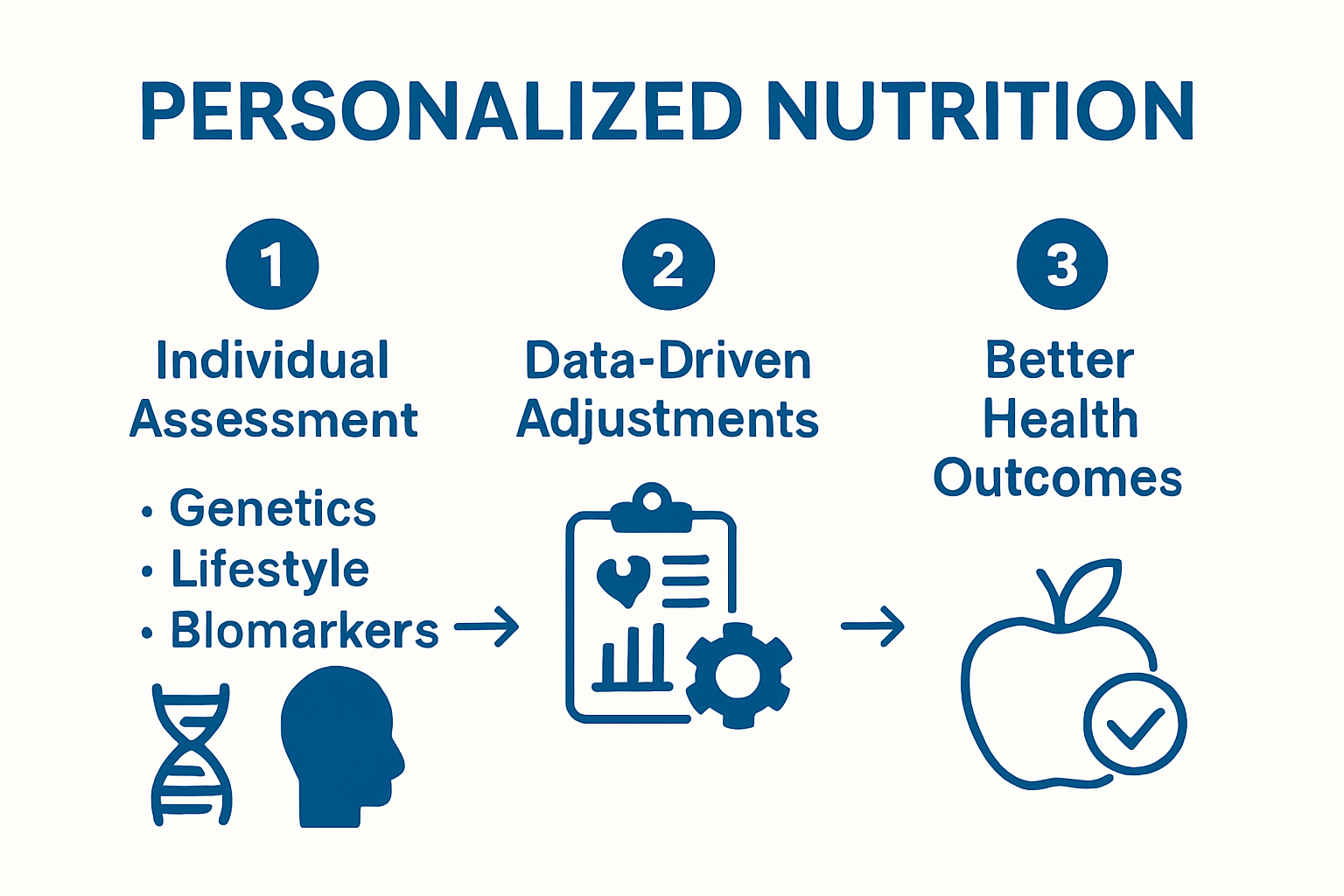
Personalized nutrition represents a revolutionary approach to health improvement strategies that moves far beyond traditional one-size-fits-all dietary recommendations. By tailoring nutritional guidance to an individual’s unique genetic makeup, metabolic profile, lifestyle, and health goals, these advanced nutrition plans offer unprecedented potential for optimizing personal wellness.
Understanding Individual Nutritional Needs
Every person’s body responds differently to nutrients, making personalized nutrition a critical component of modern health optimization. Research from King’s College London found that personalized nutrition approaches significantly improved multiple health metrics more effectively than generalized dietary advice. These metrics include weight management, cholesterol levels, mood stability, gut health, and overall metabolic performance.
The fundamental principle behind personalized nutrition involves comprehensive assessment of an individual’s unique characteristics. This includes analyzing genetic variations, metabolic markers, microbiome composition, and lifestyle factors that influence nutritional requirements. Advanced diagnostic tools now enable precise tracking of how specific nutrients interact with an individual’s biological systems, allowing for unprecedented customization of dietary recommendations.
Data-Driven Nutritional Strategies
Cutting-edge scientific research supports the effectiveness of personalized nutrition plans. A randomized controlled trial published in Nature Medicine demonstrated remarkable health improvements through targeted dietary interventions. The study revealed that an 18-week personalized dietary program produced significant reductions in critical health markers, including triglyceride levels, body weight, waist circumference, and HbA1c compared to standard dietary advice.
Key components of data-driven nutritional strategies typically include:
- Genetic Profiling: Identifying specific genetic variations that influence nutrient metabolism
- Metabolic Assessment: Measuring individual metabolic responses to different food groups
- Continuous Monitoring: Tracking health progress and adapting recommendations in real-time
Newcastle University research further highlighted that individuals receiving personalized nutrition advice made more substantial and appropriate dietary changes compared to those following conventional healthy eating guidelines. This approach empowers individuals to make informed decisions about their nutritional intake, leading to more sustainable and effective health improvement strategies.
The future of nutrition lies in understanding that health is not a universal concept but a deeply personal journey. Personalized nutrition plans represent a sophisticated approach to wellness that considers the intricate interactions between diet, genetics, lifestyle, and individual health objectives. By leveraging advanced technologies and scientific insights, these plans offer a transformative pathway to optimal health and well-being.
As healthcare continues to evolve, personalized nutrition stands at the forefront of preventive medicine, promising more targeted, effective, and individualized approaches to maintaining and improving overall health.
Science-Backed Supplements and Their Benefits
In the evolving landscape of health improvement strategies, science-backed supplements have emerged as powerful tools for targeted nutritional support. Unlike trendy wellness products, these supplements are grounded in rigorous scientific research, offering evidence-based approaches to addressing specific health needs and optimizing overall wellness.
Understanding Supplement Efficacy
Scientific research provides compelling insights into the potential benefits of carefully selected supplements. The VITAL trial, a comprehensive study involving over 25,000 participants, demonstrated remarkable health outcomes. Notably, daily supplementation with 1 gram of omega-3 fatty acids resulted in a 28% reduction in heart attacks, with African American participants experiencing an impressive 77% lower risk.
The effectiveness of supplements extends beyond individual nutrients. A 2024 review highlighted the significant impact of targeted supplementation, particularly vitamin D, which has been linked to improved bone health and immune function. This is especially crucial for individuals with limited sun exposure or specific health conditions that may compromise nutrient absorption.
Targeted Nutritional Interventions
Certain supplement combinations have shown extraordinary potential in addressing specific health concerns. The Age-Related Eye Disease Study (AREDS) provides a compelling example of strategic supplementation. Research published by NIH revealed that a specific combination of antioxidant vitamins A (beta-carotene), C, and E, along with zinc and copper, significantly reduced the progression of age-related macular degeneration over a five-year period.
Key considerations for effective supplement use include:
- Personalization: Tailoring supplement intake to individual health needs
- Quality: Selecting supplements from reputable sources with third-party testing
- Professional Guidance: Consulting healthcare providers for personalized recommendations
It is crucial to understand that supplements are not universal solutions. They work best when integrated into a comprehensive approach to health that includes balanced nutrition, regular physical activity, and overall lifestyle management. The most effective health improvement strategies recognize supplements as complementary tools rather than standalone solutions.
Additionally, emerging research emphasizes the importance of bioavailability and individual metabolic responses. Not all supplements are created equal, and factors such as genetic makeup, existing health conditions, and current medication regimens can significantly impact supplement effectiveness. This underscores the need for a personalized, science-driven approach to nutritional supplementation.
Modern healthcare increasingly recognizes the potential of targeted supplementation as a proactive approach to wellness. By leveraging scientifically validated nutritional interventions, individuals can address potential nutrient deficiencies, support specific health goals, and enhance overall physiological function. However, this approach requires careful consideration, ongoing research, and personalized medical guidance to ensure optimal results and safety.

Tracking Progress: Effective Health Monitoring Tools
In the realm of health improvement strategies, tracking progress has transformed from periodic medical checkups to continuous, data-driven monitoring. Modern health monitoring tools offer unprecedented insights into personal wellness, enabling individuals to take proactive control of their health journey through sophisticated technological solutions.
Comprehensive Health Assessment Technologies
The Patient-Reported Outcomes Measurement Information System (PROMIS) represents a groundbreaking approach to holistic health tracking. Developed by the National Institutes of Health, this standardized system provides comprehensive assessments of physical, mental, and social well-being directly from an individual’s perspective. By capturing nuanced health data across multiple dimensions, PROMIS enables a more integrated understanding of overall health status.
Advanced monitoring tools now integrate multiple data streams, including physiological markers, lifestyle factors, and subjective health experiences. These technologies move beyond traditional metrics, offering a more dynamic and personalized approach to health tracking. Wearable devices, smartphone applications, and connected health platforms provide real-time insights into crucial health indicators such as heart rate, sleep patterns, physical activity, and stress levels.
Strategic Performance Monitoring
The Agency for Healthcare Research and Quality (AHRQ) provides sophisticated toolkits for comprehensive health monitoring. These resources enable individuals and healthcare professionals to implement systematic approaches to tracking health progress and identifying potential areas of improvement.
Key strategies for effective health monitoring include:
- Continuous Data Collection: Utilizing technology for ongoing health tracking
- Comprehensive Analysis: Integrating multiple health metrics for holistic insights
- Personalized Reporting: Generating actionable health recommendations
The Centers for Disease Control and Prevention offers additional resources on performance management, introducing methodologies like Plan-Do-Check-Act (PDCA) and Root Cause Analysis. These approaches provide structured frameworks for understanding health trends, identifying potential risks, and implementing targeted interventions.
The evolution of health monitoring tools reflects a broader shift towards preventive and personalized healthcare. By empowering individuals with detailed, actionable health information, these technologies enable more informed decision-making and proactive wellness management. The ability to track health metrics in real-time transforms traditional reactive healthcare models into dynamic, predictive systems that support long-term well-being.
Technology continues to push the boundaries of health monitoring. Emerging innovations such as artificial intelligence-driven predictive analytics, advanced genetic testing, and increasingly sophisticated wearable technologies promise even more precise and personalized health tracking capabilities. As these tools become more integrated and user-friendly, individuals gain unprecedented insights into their health, enabling more targeted and effective approaches to personal wellness.
Integrating Fitness for Lasting Wellness
Fitness represents more than just physical exercise it is a comprehensive approach to holistic health improvement strategies that encompass mental, emotional, and physiological well-being. Modern wellness perspectives recognize fitness as a critical component of sustainable health transformation, moving beyond traditional workout routines to create integrated, personalized approaches to physical activity.
Holistic Fitness Approaches
Research published in Frontiers in Psychology demonstrated the profound impact of tailored exercise programs. A comprehensive study revealed that combining targeted education with personalized exercise interventions significantly improved health and functional measures in participants, with remarkable effects lasting up to 48 weeks post-intervention.
Holistic fitness strategies focus on creating comprehensive wellness experiences that address multiple dimensions of health. This approach considers individual physical capabilities, lifestyle constraints, and personal health objectives. By developing flexible, adaptive fitness plans, individuals can achieve more sustainable and meaningful health improvements.
Technology-Enhanced Wellness Integration
A study in Preventing Chronic Disease highlighted the effectiveness of telewellness programs that integrate mindfulness, exercise, and nutrition. An 8-week program demonstrated significant health outcome improvements, particularly for individuals with physical limitations. This research underscores the potential of technology-driven fitness solutions that provide personalized, accessible wellness experiences.
Key elements of technology-enhanced fitness integration include:
- Adaptive Programming: Customizing workout plans based on individual health data
- Remote Coaching: Providing expert guidance through digital platforms
- Progress Tracking: Utilizing advanced metrics to monitor fitness improvements
Global Advances in Health and Medicine published research revealing the transformative potential of comprehensive wellness programs. A study examining an on-site fitness facility demonstrated immediate health benefits that compounded over time, emphasizing the long-term value of consistent, integrated fitness approaches.
The most effective fitness strategies recognize that wellness is not a destination but a continuous journey. Successful integration requires a multifaceted approach that considers individual preferences, physical capabilities, and evolving health objectives. This means moving beyond generic exercise prescriptions to create dynamic, responsive fitness experiences that adapt to changing personal needs.
Modern fitness integration also emphasizes the interconnection between physical activity, mental health, and overall well-being. Exercise is no longer viewed as a standalone activity but as a fundamental component of a comprehensive health improvement strategy. By embracing this holistic perspective, individuals can develop more meaningful, sustainable approaches to personal wellness that support long-term health and vitality.
As technology and scientific understanding continue to advance, fitness integration will become increasingly personalized and precise. Emerging technologies like artificial intelligence, wearable fitness trackers, and advanced biomechanical assessments promise to revolutionize how we approach physical wellness, offering unprecedented insights and opportunities for individual health optimization.
To help you quickly compare the personalized and generic approaches discussed, the table below summarizes the key differences between Personalized and Generalized health strategies based on information presented in the article:
| Approach | Key Features | Outcomes Achieved |
|---|---|---|
| Personalized Nutrition/Health | Tailored to genetics, lifestyle, and data; continuous monitoring and assessment | Greater weight loss, improved cholesterol, better mood, gut health |
| Generalized Advice | One-size-fits-all; broad guidelines without individual assessment | Less effective changes, smaller improvements in health metrics |
The next table organizes the main science-backed supplements and their demonstrated benefits from research cited earlier in the article:
| Supplement/Intervention | Key Benefits | Notable Research/Findings |
|---|---|---|
| Omega-3 Fatty Acids | 28% reduction in heart attacks (77% in African Americans) | VITAL trial (>25,000 participants) |
| Vitamin D | Improved bone health, immune function | 2024 systematic review, especially for low sun exposure |
| AREDS Antioxidant Formula | Reduced progression of age-related macular degeneration | NIH AREDS study: vitamins A (beta-carotene), C, E + zinc/copper |
Frequently Asked Questions
What are personalized health strategies?
Personalized health strategies are tailored plans that consider an individual’s unique genetics, lifestyle, and health goals. These approaches are more effective than generic guidelines in improving health metrics such as weight, cholesterol, and mood.
How do personalized nutrition plans differ from generic diet advice?
Personalized nutrition plans are customized based on individual assessments, such as genetic and metabolic factors, while generic diet advice offers broad recommendations that may not fit everyone’s needs. Tailored plans consistently yield better health outcomes.
What types of supplements are considered science-backed?
Science-backed supplements include those with solid research support, like omega-3 fatty acids for heart health and vitamin D for bone health and immune function. These supplements should be personalized based on individual health needs for optimal effectiveness.
How can I track my health progress effectively?
To track health progress effectively, consider using advanced monitoring tools like wearables or mobile health apps. These technologies allow for continuous data collection and comprehensive health assessments, helping you make informed wellness decisions.
Take Control of Your Personalized Health Journey in 2025
Feeling overwhelmed by generic health advice that never quite fits your unique needs? This article highlights how individualized nutrition and targeted supplements are now proven to drive real improvements in weight, cholesterol, and overall wellness. The challenge for many is turning these insights into action. Finding the right supplements, tracking progress, and adjusting plans based on your actual health data can feel like an impossible task on your own.
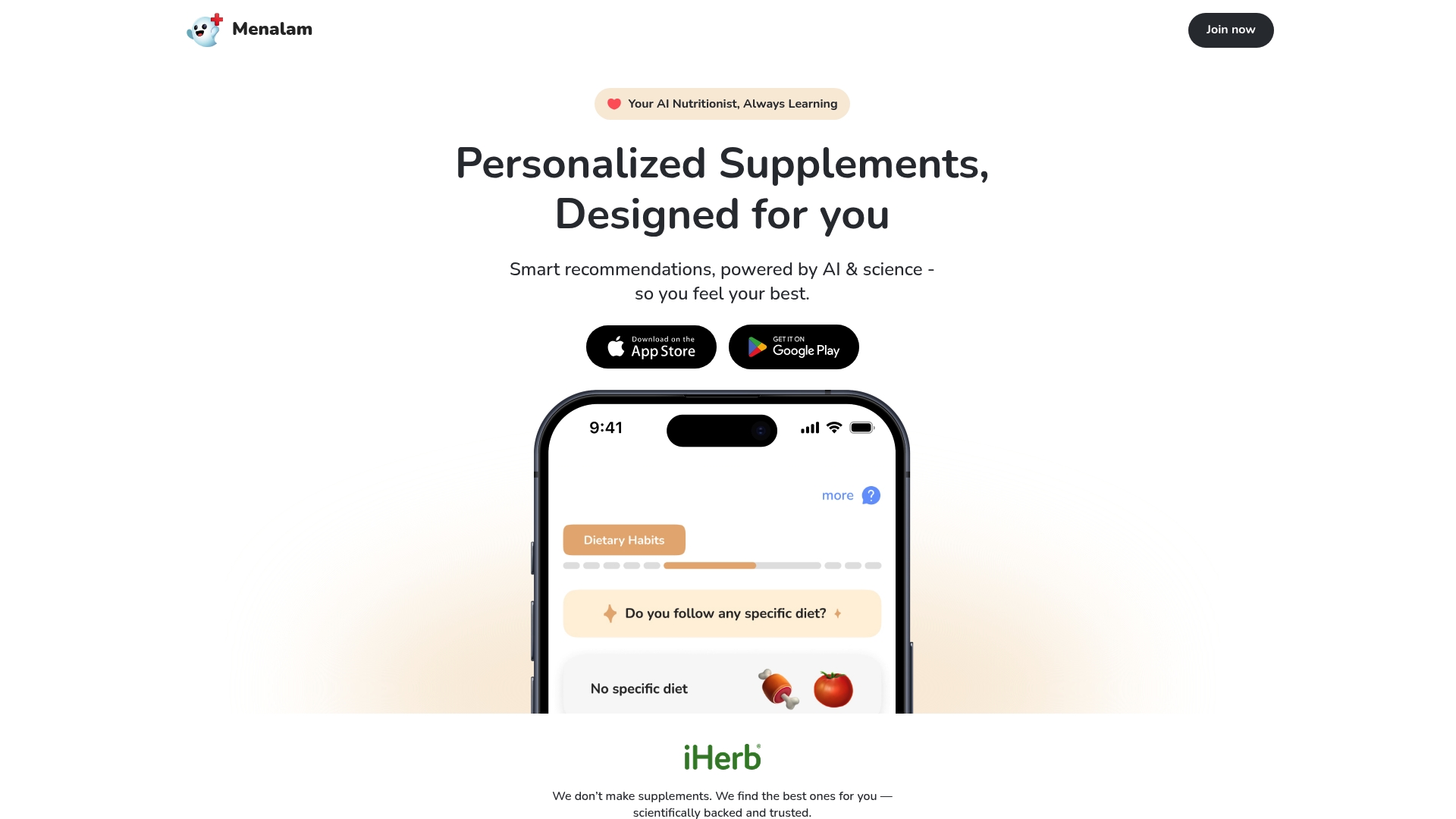
Now you can experience the next level of health management with Menalam. Menalam uses cutting-edge artificial intelligence to turn your health profile, lifestyle, and dietary preferences into fully personalized supplement recommendations. Get a custom plan backed by science, track your progress in a user-friendly app, and enjoy reminders that help build healthy habits with ease. If you are ready to upgrade from generic advice to results that are truly your own, visit Menalam and discover how a few minutes can set you on a path to better health. Unlock smarter, data-driven wellness today.
Leave a Reply