


Nutrition advice floods our feeds every day, yet the real science behind it often gets missed. Here’s a surprise. More than 50 percent of nutrition studies are misunderstood by the public or misreported in the media. The twist is that reading nutrition science is actually much simpler than it seems when you know what to look for.
Table of Contents
- Understanding Key Terms In Nutrition Science
- Spotting Reliable Nutrition Research Sources
- Deciphering Study Results And Claims
- Applying Nutrition Science To Your Daily Life
Quick Summary
| Takeaway | Explanation |
|---|---|
| Understand Key Terms | Familiarize yourself with essential concepts like nutrigenomics, metabolomics, and bioavailability to better evaluate nutritional claims and research. |
| Evaluate Source Credibility | Use the CRAAP Test (Currency, Relevance, Authority, Accuracy, Purpose) to assess the trustworthiness of nutrition sources and prioritize recent peer-reviewed studies. |
| Analyze Study Design | Focus on the study design and methodology, such as Randomized Controlled Trials (RCTs) and sample sizes, to understand the reliability of the research findings. |
| Personalize Your Nutrition | Tailor your dietary choices based on individualized assessments, considering genetic predispositions and health metrics for effective results. |
| Continuous Learning | Stay updated with the latest nutrition research and remain adaptable in your dietary practices to enhance overall health outcomes. |
Understanding Key Terms in Nutrition Science
Nutrition science is a complex field filled with specialized terminology that can often seem overwhelming to the average person. Understanding these key terms is crucial for anyone looking to make informed decisions about their diet and health. By breaking down complex concepts into digestible explanations, we can demystify the language of nutrition research and empower individuals to read scientific information more confidently.
Decoding Scientific Nutrition Vocabulary
The world of nutrition science contains numerous specialized terms that go far beyond basic dietary recommendations. Nutrigenomics represents a cutting-edge approach that examines how specific nutrients interact with our genetic makeup. This field explores how individual genetic variations can influence nutritional needs and metabolic responses, highlighting the personalized nature of nutrition science.
Another critical concept is metabolomics, which analyzes the complete set of metabolites present in human biological samples. According to research from the National Institutes of Health, metabolomics helps scientists understand how different nutrients are processed and utilized by the body at a molecular level. This approach provides insights into how diet directly impacts cellular function and overall health.
Advanced Nutritional Research Concepts
Foodomics emerges as a revolutionary interdisciplinary approach that combines multiple scientific disciplines to study nutrition. This method integrates advanced technologies like genomics, proteomics, and metabolomics to provide a comprehensive understanding of how food components interact with human biological systems.
Prebiotics represent another important term in nutrition science. These are non-digestible food components that selectively stimulate the growth of beneficial bacteria in the digestive system. Research from the International Scientific Association for Probiotics and Prebiotics indicates that prebiotics play a crucial role in supporting gut health and overall metabolic function.
Interpreting Nutritional Data
Reading nutrition science requires understanding statistical significance and research methodologies. Effect size and statistical power are critical terms that help determine the reliability of nutritional research findings. An effect size indicates the magnitude of a nutritional intervention’s impact, while statistical power measures the likelihood of detecting a true effect when one exists.
Researchers often use terms like bioavailability, which describes how efficiently the human body can absorb and utilize specific nutrients. Studies from the Journal of Nutrition suggest that bioavailability varies significantly between different nutrients and can be influenced by factors such as food preparation, individual metabolism, and concurrent nutrient intake.

Understanding these key terms transforms nutrition science from an intimidating field of study into an accessible source of personal health insights. By familiarizing yourself with these concepts, you can critically evaluate nutritional claims, make more informed dietary choices, and approach health recommendations with a more nuanced perspective.
Remember, nutrition science is not about memorizing complex terminology but about developing a deeper understanding of how food interacts with our bodies. Each term represents a window into the intricate mechanisms that connect diet, genetics, and overall wellness.
Spotting Reliable Nutrition Research Sources
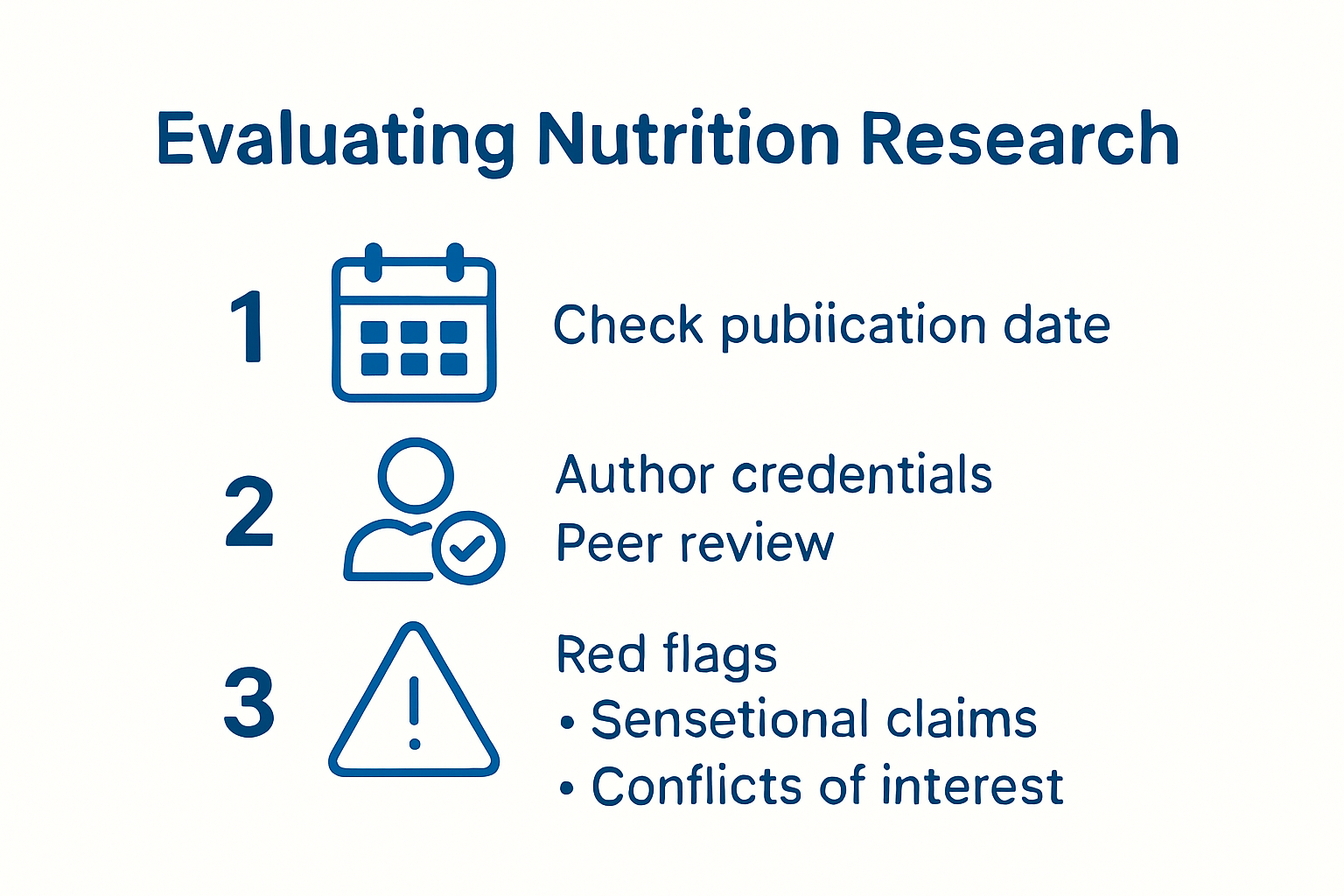
In the age of information overload, distinguishing credible nutrition research from misleading or sensationalized claims becomes increasingly challenging. The ability to identify reliable sources is crucial for making informed dietary decisions and protecting your health. This section will guide you through the essential strategies for evaluating nutrition research sources with a critical and discerning eye.
Evaluating Source Credibility
When assessing nutrition research, the source’s credibility is paramount. The CRAAP Test developed by California State University provides a comprehensive framework for source evaluation. This method examines five critical dimensions: Currency, Relevance, Authority, Accuracy, and Purpose.
Currency refers to how recent and up-to-date the research is. Nutrition science evolves rapidly, so prioritize sources published within the last three to five years. Research from the National Institutes of Health indicates that nutritional understanding can change significantly within short periods, making recency a crucial factor in source reliability.
Authority is another critical component. Look for sources authored by qualified professionals such as Registered Dietitians (RD), nutritionists with advanced degrees, or researchers affiliated with reputable academic and medical institutions. Credentials matter significantly in nutrition science.
Here’s a table summarizing the CRAAP test criteria to help you quickly assess source credibility:
| Criterion | What to Look For |
|---|---|
| Currency | Is the information recent (within last 3-5 years)? |
| Relevance | Is the source directly relevant to your nutrition question? |
| Authority | Are the authors qualified professionals or credible organizations? |
| Accuracy | Is the information supported by reliable evidence and citations? |
| Purpose | Is the purpose objective, or is there a potential bias/sensationalism? |
Identifying Scientifically Robust Research
Peer-reviewed journals represent the gold standard for nutrition research. These publications undergo rigorous scrutiny by independent experts before publication, ensuring the research meets stringent scientific standards. Journals like the American Journal of Clinical Nutrition and Nature provide high-quality, evidence-based nutritional insights.
Statistical significance is another crucial marker of research quality. Reputable studies will clearly outline their methodology, sample size, and statistical analysis. Be wary of research with small sample sizes or those that make sweeping claims without robust statistical evidence.
Red Flags and Critical Assessment
Certain warning signs can help you quickly identify potentially unreliable nutrition sources. Research methodology experts recommend watching for the following red flags:
- Sensationalist language: Avoid sources that use extreme claims or miraculous promises.
- Lack of citations: Credible research always provides references to support its claims.
- Conflicts of interest: Check whether the research is funded by entities with potential bias, such as food or supplement companies.
Consider the research’s funding source and potential conflicts of interest. Studies sponsored by industries with vested interests might be less objective. Independent research funded by government agencies or academic institutions typically provides more balanced insights.
Remember that nutrition science is complex and nuanced. No single study provides definitive universal truth. Always seek multiple sources, compare findings, and approach nutrition research with healthy skepticism. Consulting with healthcare professionals can help you interpret complex research and apply scientific findings to your personal health context.
By developing these critical evaluation skills, you transform from a passive consumer of nutrition information to an active, informed learner capable of navigating the intricate landscape of nutritional research.
Deciphering Study Results and Claims
Navigating the complex world of nutrition research requires more than just reading study titles or accepting headlines at face value. Critically analyzing study results and understanding the nuanced language of scientific claims is essential for making informed dietary decisions. This section will equip you with the tools to decode nutrition research with confidence and scientific rigor.
Understanding Statistical Significance
Statistical significance is the cornerstone of interpreting research findings. Research from the National Institutes of Health reveals that a p-value less than 0.05 indicates that observed results are unlikely to have occurred by chance. However, statistical significance does not automatically mean practical importance.
The effect size provides crucial context beyond statistical significance. A statistically significant result might represent a minimal real-world impact. For instance, a study showing a 2% metabolic change might be statistically significant but may not translate to meaningful health outcomes for most individuals.
The American Statistical Association recommends looking beyond p-values and considering multiple statistical metrics. Confidence intervals, absolute risk reduction, and relative risk provide a more comprehensive understanding of research findings.
Evaluating Study Design and Methodology
Study design plays a critical role in determining the reliability of nutritional research. Research from Harvard Medical School highlights several key design considerations:
- Randomized Controlled Trials (RCTs): Considered the gold standard, these studies randomly assign participants to different intervention groups, minimizing potential biases.
- Cohort Studies: These longitudinal studies track large groups over extended periods, providing insights into long-term nutritional impacts.
- Cross-sectional Studies: These offer snapshots of population health but cannot establish causal relationships.
The POUNDS LOST study demonstrated the complexity of nutrition research by showing that intended dietary compositions are not always fully achieved. This underscores the importance of carefully examining participant adherence and study implementation.
The following table compares common nutrition study designs and their key features:
| Study Design | Key Features | What It Shows |
|---|---|---|
| Randomized Controlled Trial (RCT) | Random assignment, intervention vs. control groups, high rigor | Causality, reliability |
| Cohort Study | Follows participants over time, observational | Long-term associations, not causality |
| Cross-sectional Study | One-time population snapshot, observational | Associations, prevalence |
Identifying Reliable Nutritional Claims
Discerning between credible nutritional information and sensationalized claims requires a critical approach. Scientific American suggests watching for several red flags:
- Miraculous claims: Be skeptical of studies promising instant transformation or miraculous health benefits.
- Funding sources: Investigate who funded the research. Industry-sponsored studies might have inherent biases.
- Sample size: Smaller studies with limited participants provide less reliable insights compared to large-scale research.
Nutrition experts recommend approaching nutritional claims with healthy skepticism. A single study rarely provides definitive answers. Look for consistent findings across multiple independent research efforts, systematic reviews, and meta-analyses.
Contextualizing research findings is crucial. Individual studies represent pieces of a complex nutritional puzzle. Factors like genetic variation, lifestyle, and personal health conditions mean that broad nutritional recommendations may not apply universally.
By developing these analytical skills, you transform from a passive consumer of nutritional information to an active, informed interpreter of scientific research. Remember, understanding nutrition science is an ongoing journey of critical thinking and continuous learning.
Applying Nutrition Science to Your Daily Life
Transforming nutritional research into practical, everyday actions can seem daunting. Yet, understanding how to bridge scientific insights with personal dietary choices empowers individuals to make meaningful health improvements. This section will explore practical strategies for integrating nutrition science into your daily routine, making complex research accessible and actionable.
Personalized Nutrition Strategies
Research from Stanford University demonstrates that personalized nutrition approaches yield more effective results than generic dietary recommendations. Individual metabolic responses vary significantly, meaning a one-size-fits-all approach rarely works optimally.
Genetic testing and comprehensive health assessments can provide nuanced insights into your unique nutritional needs. The American Society for Nutrition recommends considering factors like genetic predispositions, metabolic markers, and individual lifestyle when developing personalized nutrition plans.
Tracking biomarkers such as blood glucose levels, inflammatory indicators, and micronutrient status can help refine your dietary approach. Wearable technologies and advanced health tracking tools now make continuous monitoring more accessible than ever before.
Practical Implementation Techniques
Translating scientific knowledge into daily practice requires strategic planning. Harvard Medical School suggests developing a systematic approach to nutritional integration:
- Meal Planning: Design meals that incorporate evidence-based nutritional principles.
- Ingredient Selection: Choose foods with scientifically validated health benefits.
- Portion Control: Apply research-driven understanding of metabolic responses.
The National Institutes of Health emphasizes the importance of gradual, sustainable changes. Radical dietary shifts often lead to short-term compliance but long-term failure. Instead, implement incremental modifications that align with your lifestyle and personal preferences.
Continuous Learning and Adaptation
Nutrition science is dynamic, with research continuously evolving. The Journal of Nutrition recommends maintaining a growth mindset toward dietary choices. This involves:
- Regularly updating your nutritional knowledge
- Remaining open to new scientific findings
- Willingness to adjust your approach based on emerging research
Nutrition experts recommend conducting periodic self-assessments. Monitor how dietary changes impact your energy levels, cognitive function, physical performance, and overall well-being. These personal observations complement scientific research, providing holistic insights into your nutritional effectiveness.
Consider working with registered dietitians who can help translate complex scientific findings into personalized nutrition strategies. These professionals bridge the gap between theoretical research and practical implementation, offering tailored guidance based on your specific health goals.
Remember that applying nutrition science is not about perfection but consistent, informed progress. Small, evidence-based changes compound over time, leading to significant long-term health improvements. Your nutritional journey is unique, and scientific understanding serves as a valuable compass in navigating dietary choices.
Frequently Asked Questions
What are key terms to understand in nutrition science?
Understanding key terms such as nutrigenomics, metabolomics, and bioavailability is crucial. These concepts help you evaluate nutritional claims and understand how your body processes nutrients.
How can I evaluate the credibility of nutrition research sources?
Use the CRAAP Test, which looks at Currency, Relevance, Authority, Accuracy, and Purpose, to assess the reliability of nutrition sources, prioritizing recent peer-reviewed studies.
What is the importance of study design in nutrition research?
Study design, such as randomized controlled trials (RCTs), impacts the reliability of research findings. RCTs minimize bias and provide strong evidence for causal relationships between diet and health outcomes.
How can I apply nutrition science to my daily life?
Personalize your nutrition by considering your unique health needs and preferences. Implement gradual, sustainable dietary changes and stay informed about the latest nutrition research for better health outcomes.
Turn Nutrition Science Into Personal Results With Menalam
Are you tired of seeing complicated nutrition terms like nutrigenomics and bioavailability, but never knowing how to use them in your daily life? This article explains how easy it can be to read and trust nutrition science. However, understanding scientific research is only the first step. The real challenge is putting that knowledge into action. Many people struggle with finding credible recommendations that actually fit their unique health profile and goals. Figuring out which supplements are right for you, staying on track, and adapting as your body changes can feel overwhelming and time-consuming.
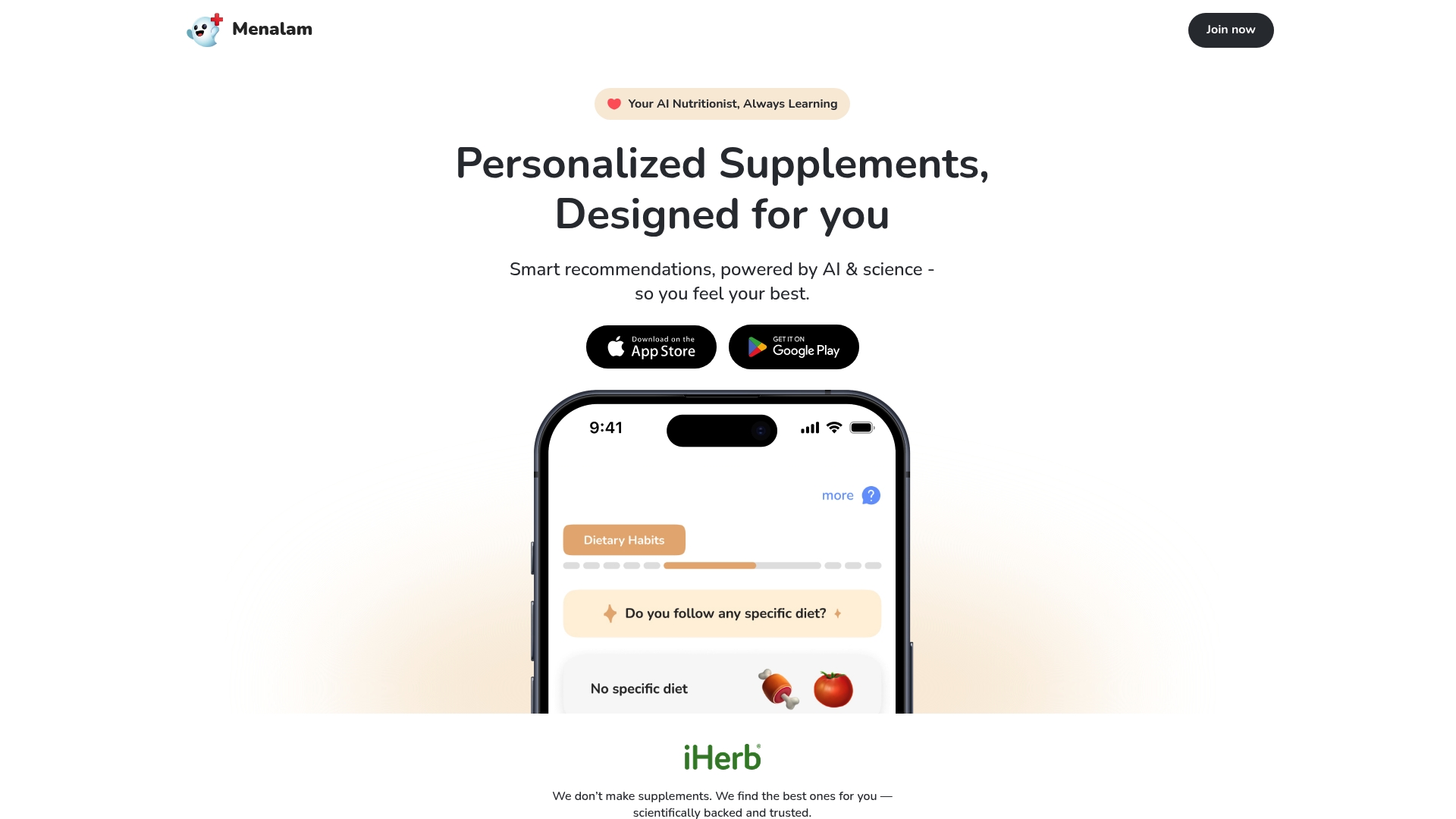
Stop guessing and start relying on true personalization. Menalam offers AI-powered supplement plans and health tracking that bridge the gap between science and your real life. Complete a fast health quiz, get precise supplement guidance backed by current research, and adapt your plan as you go for stronger results. Stay on top of your nutrition with smart reminders, easy progress tracking, and expert-approved choices all in one place. Visit Menalam’s platform today and transform your nutrition knowledge into real daily improvements. Take your health into your own hands now.
Leave a Reply