


Athletes are always searching for the edge that takes them from good to great. Usually, more hours in the gym or fancier gear steal the spotlight. Yet, the true performance breakthrough might be as simple as adjusting your meal plan, with research showing energy levels can swing by up to 20 percent just by changing how you eat. What if the biggest leap this year comes not from training harder, but from fueling smarter?
Table of Contents
- Fueling Athletic Performance With Balanced Meals
- Personalized Nutrition And Health Tracking
- Science-Backed Supplements For Athletes
- Essential Hydration And Recovery Strategies
Quick Summary
| Takeaway | Explanation |
|---|---|
| Balanced Macronutrient Distribution | Athletes should aim for 45% to 65% carbohydrates, 10% to 30% protein, and 25% to 35% fat to optimize energy, muscle repair, and hormonal function. |
| Strategic Meal Timing | Consuming high-carbohydrate meals 3-4 hours before exercise and a combination of carbohydrates and proteins within 30 minutes post-exercise aids in performance and recovery. |
| Personalized Hydration Strategies | Athletes must create tailored hydration plans based on individual sweat rates and electrolyte needs to enhance recovery and performance. |
| Science-Backed Supplement Use | Incorporating supplements like caffeine, beta-alanine, and protein can support endurance and recovery, but they should complement a balanced diet. |
| Comprehensive Recovery Protocols | Successful recovery involves a mix of nutritional, active recovery techniques, and mental stress management strategies for optimal performance. |
Fueling Athletic Performance with Balanced Meals
Athletes require strategic nutrition that goes beyond simple calorie intake. Crafting a balanced meal plan is a sophisticated approach to supporting peak physical performance, muscle recovery, and overall athletic potential. The right nutritional strategy can transform how athletes train, compete, and recover.
Macronutrient Composition for Peak Performance
Nutrition for athletes is not about eating more but eating smarter. Research indicates that optimal athletic nutrition requires a precise balance of macronutrients. The recommended breakdown includes 45% to 65% carbohydrates, 10% to 30% protein, and 25% to 35% fat. This strategic distribution ensures athletes receive adequate energy while supporting muscle maintenance and recovery.
Carbohydrates serve as the primary fuel source during high-intensity activities. Complex carbohydrates like whole grains, sweet potatoes, and quinoa provide sustained energy release. Proteins are crucial for muscle repair and growth, with lean sources such as chicken, fish, and legumes being optimal choices. Healthy fats from sources like avocados, nuts, and olive oil support hormonal function and provide essential nutrients.
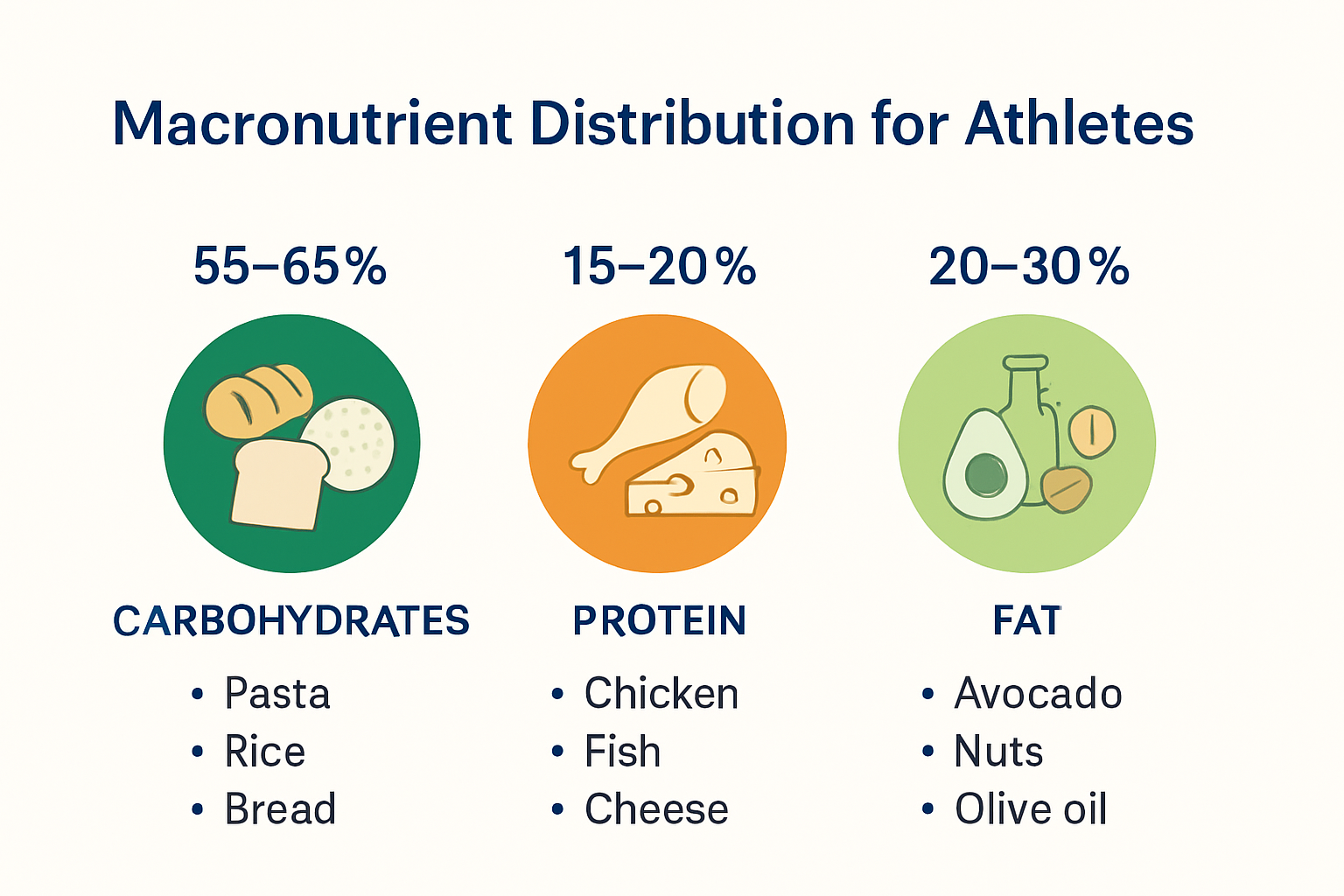
Here is a table summarizing optimal macronutrient ranges and example food sources for athletes:
| Macronutrient | Recommended Range | Example Food Sources |
|---|---|---|
| Carbohydrates | 45% – 65% | Whole grains, sweet potatoes, quinoa |
| Protein | 10% – 30% | Chicken, fish, legumes |
| Fat | 25% – 35% | Avocados, nuts, olive oil |
Strategic Meal Timing and Performance
Timing is everything when it comes to athletic nutrition. According to nutritional experts, consuming a high-carbohydrate meal 3 to 4 hours before exercise, complemented by a small snack 1 to 2 hours prior, can significantly enhance performance. This approach helps maintain stable blood glucose levels and delays fatigue during intense physical activities.
Post-exercise nutrition is equally critical. Research from sports nutrition studies emphasizes the importance of consuming carbohydrate-rich foods within 30 minutes to 2 hours after activity. This window is crucial for rapid glycogen replenishment and initiating muscle repair processes. A combination of proteins and carbohydrates during this period can accelerate recovery and reduce muscle soreness.
Hydration and Nutrient Integration
Beyond solid foods, hydration plays a pivotal role in athletic performance. Water is not just a thirst quencher but a critical component of metabolic processes. Athletes should develop personalized hydration strategies that account for individual sweat rates, activity intensity, and environmental conditions.
Integrating micronutrients through whole foods ensures comprehensive nutritional support. Vitamins and minerals from varied sources like colorful vegetables, fruits, and lean proteins contribute to immune function, energy metabolism, and overall physiological balance. For athletes seeking precision in their nutrition, consulting with a registered sports nutritionist can help develop a tailored meal plan that aligns with specific training goals and individual metabolic needs.
Remember, nutrition is not a one-size-fits-all approach. What works for one athlete might not be optimal for another. Continuous monitoring, adaptation, and a willingness to adjust nutritional strategies are key to maintaining peak athletic performance.
Personalized Nutrition and Health Tracking

In the evolving landscape of athletic performance, personalized nutrition has emerged as a transformative approach that goes beyond traditional dietary recommendations. Modern athletes now have access to sophisticated technologies and strategies that enable precise, individualized nutritional planning tailored to their unique physiological needs and performance goals.
Advanced Nutritional Profiling Technologies
Research from recent studies reveals groundbreaking developments in personalized sports nutrition through ‘omics’ technologies and advanced wearable devices. These innovative tools allow athletes to gain unprecedented insights into their metabolic processes, enabling more targeted nutritional interventions.
Metabolomic profiling represents a cutting-edge method for understanding an athlete’s unique nutritional requirements. By analyzing an individual’s metabolic markers, nutritionists can create highly customized nutrition plans that address specific performance needs. This approach goes beyond generic dietary guidelines, offering a precision-based strategy for optimizing athletic potential.
Real-Time Health and Performance Monitoring
Emerging technologies are revolutionizing how athletes track and adjust their nutritional intake. Wearable biosensors now provide real-time metabolic feedback, allowing athletes to make immediate dietary adjustments during training and competition. These devices can monitor key metrics such as hydration levels, energy expenditure, and metabolic responses to different nutritional inputs.
A comprehensive study of college athletes highlights the practical implications of personalized nutrition plans. The research underscores the importance of comprehensive, athlete-centered approaches that consider individual factors such as training intensity, metabolic rate, and specific performance goals. Athletes report significant benefits from nutrition plans that are tailored to their unique physiological characteristics.
Integrative Approach to Nutritional Optimization
Personalized nutrition is not just about tracking data but about creating a holistic understanding of an athlete’s nutritional needs. This approach combines multiple data points including blood work, genetic predispositions, training intensity, recovery patterns, and individual metabolic responses. Advanced algorithms and artificial intelligence now play a crucial role in analyzing these complex datasets to generate precise nutritional recommendations.
The future of athletic nutrition lies in this integrative approach. By combining cutting-edge technology with expert nutritional knowledge, athletes can develop nutrition strategies that are as unique as their individual performance goals. This personalized approach allows for continuous optimization, ensuring that nutritional intake is always aligned with an athlete’s current physical condition and performance objectives.
As sports nutrition continues to evolve, the ability to create truly personalized nutrition plans will become an essential component of athletic success. Athletes who embrace these advanced technologies and personalized approaches will gain a significant competitive advantage, optimizing their performance through precise, data-driven nutritional strategies.
Science-Backed Supplements for Athletes
In the competitive world of athletic performance, science-backed supplements have emerged as powerful tools for enhancing physical capabilities and supporting optimal training outcomes. Unlike trendy nutritional fads, these supplements are grounded in rigorous scientific research, offering athletes evidence-based strategies to improve strength, endurance, and recovery.
Performance-Enhancing Supplement Strategies
Research from sports nutrition experts reveals that strategic supplementation can significantly impact athletic performance. Caffeine stands out as a particularly potent supplement, demonstrating remarkable benefits across various exercise modes. By blocking adenosine receptors, caffeine triggers the release of stimulatory neurotransmitters like dopamine and noradrenaline, effectively decreasing fatigue perception and enhancing power, muscle velocity, and overall endurance.
Guanidinoacetic acid (GAA) represents another fascinating supplement with promising performance potential. Scientific studies indicate that GAA can improve muscle strength and reduce fatigue, particularly in power sports. Its unique cellular uptake mechanisms make it an intriguing alternative to traditional creatine supplementation, especially for athletes seeking targeted muscle performance improvements.
Below is a table comparing the key science-backed supplements highlighted in the article, their primary benefits, and recommended usage timing based on context provided:
| Supplement | Main Benefits | Recommended Use/Timing |
|---|---|---|
| Caffeine | Decreases fatigue, enhances power & endurance | Before exercise or competition |
| Guanidinoacetic Acid | Improves muscle strength, reduces fatigue | During training phases (esp. power) |
| Beta-Alanine | Buffers lactic acid, extends endurance | Prior to or during workouts |
| Whey Protein | Rapid muscle recovery & synthesis | Immediately post-exercise |
| Casein Protein | Sustained protein release for recovery | Before sleep or rest periods |
Endurance and Recovery Supplements
Comprehensive research published in amino acid studies highlights beta-alanine as a critical supplement for endurance athletes. By increasing muscle carnosine levels, beta-alanine helps buffer lactic acid buildup during high-intensity exercises. This mechanism proves particularly beneficial for activities lasting 1 to 4 minutes, enabling athletes to maintain performance levels and delay fatigue.
Protein supplements continue to play a crucial role in muscle recovery and growth. Whey protein, with its rapid absorption and complete amino acid profile, supports muscle protein synthesis immediately after training. Casein protein offers a slower-release alternative, providing sustained amino acid delivery during periods of rest and recovery.
Advanced Supplementation Considerations
Effective supplementation extends beyond simply consuming isolated nutrients. Athletes must consider individual metabolic responses, training intensity, and specific performance goals. Personalized approaches that combine comprehensive health assessments with targeted supplementation strategies yield the most significant results.
Not all supplements are created equal. Quality, purity, and third-party testing become critical factors in selecting effective nutritional support. Athletes should prioritize supplements from reputable manufacturers that provide transparent sourcing and rigorous quality control measures.
Emergent research continues to explore novel supplement combinations and innovative delivery mechanisms. Techniques like microencapsulation and targeted nutrient timing are expanding our understanding of how supplements can be optimized for maximum athletic performance.
Ultimately, supplements should complement a balanced diet and structured training program. They are not magical solutions but scientific tools that can provide marginal gains when integrated thoughtfully. Athletes committed to continuous learning and personalized nutritional strategies will be best positioned to leverage these advanced supplementation techniques.
Essential Hydration and Recovery Strategies
Hydration and recovery represent critical components of athletic performance that extend far beyond simple water consumption. These strategies are sophisticated physiological processes that directly impact an athlete’s ability to train effectively, perform at peak levels, and maintain long-term health and resilience.
Precision Hydration Techniques
Research reveals that hydration is the most reported and consistently effective recovery strategy in both training and competition settings. Modern athletes require nuanced approaches that go beyond traditional drinking recommendations.
Experts recommend consuming 16 to 24 ounces of fluid for every pound of body weight lost during exercise. This precise approach ensures complete rehydration and supports optimal muscle recovery. Electrolyte balance becomes crucial, with sodium, potassium, and magnesium playing key roles in maintaining cellular hydration and preventing performance-reducing cramps.
Individual sweat rates and composition vary significantly, meaning athletes must develop personalized hydration strategies. Advanced hydration testing can analyze sweat sodium concentration, helping athletes create targeted electrolyte replacement protocols that match their unique physiological characteristics.
Here is a summary table outlining key hydration and recovery techniques mentioned for athletes:
| Strategy | Description |
|---|---|
| Precision Fluid Replacement | 16–24 oz per pound lost during exercise to ensure full rehydration |
| Electrolyte Management | Sodium, potassium, magnesium intake to maintain cellular hydration and prevent cramps |
| Sweat Analysis/Personalization | Tailoring hydration plan based on individual sweat rate and sodium loss |
| Nutritional Recovery Timing | Consume fast-absorbing protein & complex carbs within 30–45 minutes post-exercise for best glycogen gain |
| Active & Technological Recovery | Includes light movement, stretching, compression garments, cold therapy |
| Mental Recovery | Sleep, stress management (meditation, visualization, breathing) for full physiological restoration |
Nutritional Recovery Mechanisms
Scientific studies demonstrate that post-exercise nutrition plays a pivotal role in muscle recovery. Ingesting a carefully balanced combination of carbohydrates and protein within the critical recovery window helps restore muscle glycogen and initiates critical repair processes.
The optimal recovery nutrition strategy involves consuming a mix of fast-absorbing proteins like whey and complex carbohydrates. This combination triggers insulin release, which facilitates nutrient absorption and accelerates muscle glycogen replenishment. Timing becomes crucial, with research suggesting that the first 30 to 45 minutes post-exercise represent the most effective period for nutritional intervention.
Advanced Recovery Methodologies
Recovery is a holistic process that encompasses more than nutritional interventions. Active recovery techniques, including light movement, stretching, and targeted mobility work, play significant roles in reducing muscle soreness and preventing stiffness. Technologies like compression garments, percussion therapy, and intermittent cold exposure are emerging as powerful complementary recovery strategies.
Mental recovery represents an often-overlooked aspect of athletic recuperation. Stress management techniques, quality sleep, and psychological relaxation methods contribute substantially to an athlete’s overall recovery capacity. Techniques such as meditation, guided visualization, and controlled breathing can help reduce cortisol levels and support physiological restoration.
The most successful athletes understand that recovery is not a passive process but an active, strategic approach to maintaining peak performance. By integrating sophisticated hydration techniques, precise nutritional interventions, and comprehensive recovery methodologies, athletes can optimize their body’s natural regenerative processes.
Continuous monitoring and adaptation remain key. As training intensities change and individual physiological responses evolve, hydration and recovery strategies must remain flexible and responsive. Athletes committed to understanding their unique bodily responses will gain significant competitive advantages through intelligent, personalized recovery approaches.
Frequently Asked Questions
What macronutrient distribution should athletes follow for optimal performance?
Athletes should aim for a balanced macronutrient distribution of 45% to 65% carbohydrates, 10% to 30% protein, and 25% to 35% fat to support energy, muscle recovery, and hormonal function.
How important is meal timing for athletic performance?
Meal timing is crucial; consuming a high-carbohydrate meal 3-4 hours before exercise and a combination of carbohydrates and proteins within 30 minutes post-exercise significantly enhances performance and recovery.
What role does hydration play in an athlete’s performance?
Hydration is vital for athletic performance. Athletes should develop personalized hydration strategies based on individual sweat rates and electrolyte needs, ensuring optimal recovery and performance.
Are there specific supplements that can enhance athletic performance?
Yes, science-backed supplements like caffeine, beta-alanine, and protein can support endurance and recovery. However, they should complement a balanced diet and be tailored to individual needs.
Transform Your Athletic Nutrition With Personalized Technology
You strive for peak performance and know that balanced meals, precise hydration, smart supplements, and real-time health tracking are vital for athletic success. The challenge is turning expert advice and evolving strategies into practical, daily habits made just for you. Generic supplement stacks and meal plans overlook the individuality of your metabolism, your training needs, and your unique health profile. Too often, you guess what might work instead of knowing for sure.
Imagine having your own digital nutritionist that uses your personal data and health results to craft the exact supplement and nutrition plan your body needs. With Menalam, you take the guesswork out of nutrition and performance. Take a quick health quiz to unlock science-backed supplement recommendations, track your results with the mobile app, and get smart reminders so you never miss a beat. Your athletic edge can be powered by personalized nutrition guidance built for your next victory. Start your tailored plan today and fuel your training with the best technology in sports nutrition.
Leave a Reply