


Everyone says vitamins are important, but the real story goes deeper than just swallowing a daily pill. Most people miss the fact that your body hosts more than 13 different essential vitamins, each handling specific jobs from energy creation to DNA repair. The surprise is that one person’s perfect dose could throw off another, all thanks to genetics and day-to-day habits. So forget cookie-cutter nutrition advice. The real advantage comes from understanding how vitamins work together and tuning your intake to what your body actually needs.
Table of Contents
- Key Roles Of Vitamins In The Body
- Different Types Of Vitamins And Their Functions
- Personalized Nutrition: Matching Vitamins To Your Lifestyle
- Science-Backed Tips For Supplementing Effectively
Quick Summary
| Takeaway | Explanation |
|---|---|
| Vitamins are critical for energy metabolism | B-complex vitamins act as coenzymes in converting food into usable energy and are essential for DNA synthesis and overall metabolic function. |
| Personalized nutrition enhances health outcomes | Genetic variations and lifestyle factors significantly affect how individuals metabolize nutrients, suggesting tailored nutritional strategies are more effective than generic recommendations. |
| Supplementation requires careful management | Choosing the right supplements based on individual assessments, and understanding optimal dosages and timing can maximize their health benefits and minimize risks. |
Key Roles of Vitamins in the Body
Vitamins are microscopic powerhouses that drive critical biological processes essential for human health. These organic compounds act as catalysts and regulators across multiple physiological systems, ensuring our body functions with precision and efficiency.
Metabolic Regulation and Energy Production

Vitamins play a fundamental role in metabolic pathways that convert food into usable energy. Research from the National Institutes of Health demonstrates that B vitamins are particularly crucial in this process. Specifically, B-complex vitamins function as coenzymes that help break down carbohydrates, proteins, and fats, transforming them into energy molecules the body can utilize.
Folic acid, a key B vitamin, goes beyond energy metabolism. According to research published in Britannica, it helps protect against birth defects in early pregnancy by supporting cellular division and DNA synthesis. This highlights the profound impact vitamins have on fundamental biological processes.
Immune Function and Cellular Protection
Vitamins are instrumental in maintaining robust immune system responses. Vitamin A stands out as a critical component in immune defense mechanisms. Research from the Harvard T.H. Chan School of Public Health reveals that vitamin A supports the integrity of epithelial cells, which serve as the body’s first line of defense against pathogens.
Similarly, vitamin D does more than support bone health. It plays a pivotal role in modulating immune responses, helping the body recognize and combat potential threats. Clinical studies have shown that vitamin D receptors are present in nearly all immune cells, underscoring its comprehensive immunological significance.
Cellular Growth and Repair
Vitamins are essential for cellular regeneration and repair processes. They contribute to DNA synthesis, cell membrane maintenance, and protection against oxidative stress. Vitamin E, for instance, functions as a powerful antioxidant, neutralizing free radicals that can damage cellular structures.
Nutritional research from the American Journal of Clinical Nutrition indicates that consistent vitamin intake supports tissue repair, helps maintain skin health, and promotes optimal cellular functioning. This underscores why a balanced vitamin intake is crucial for long-term wellness.
Understanding these intricate roles demonstrates why a comprehensive approach to nutrition is vital. Vitamins are not mere supplements but integral components that orchestrate complex biological symphonies within our bodies. Their multifaceted functions remind us that optimal health requires a holistic, well-rounded nutritional strategy.
Different Types of Vitamins and Their Functions
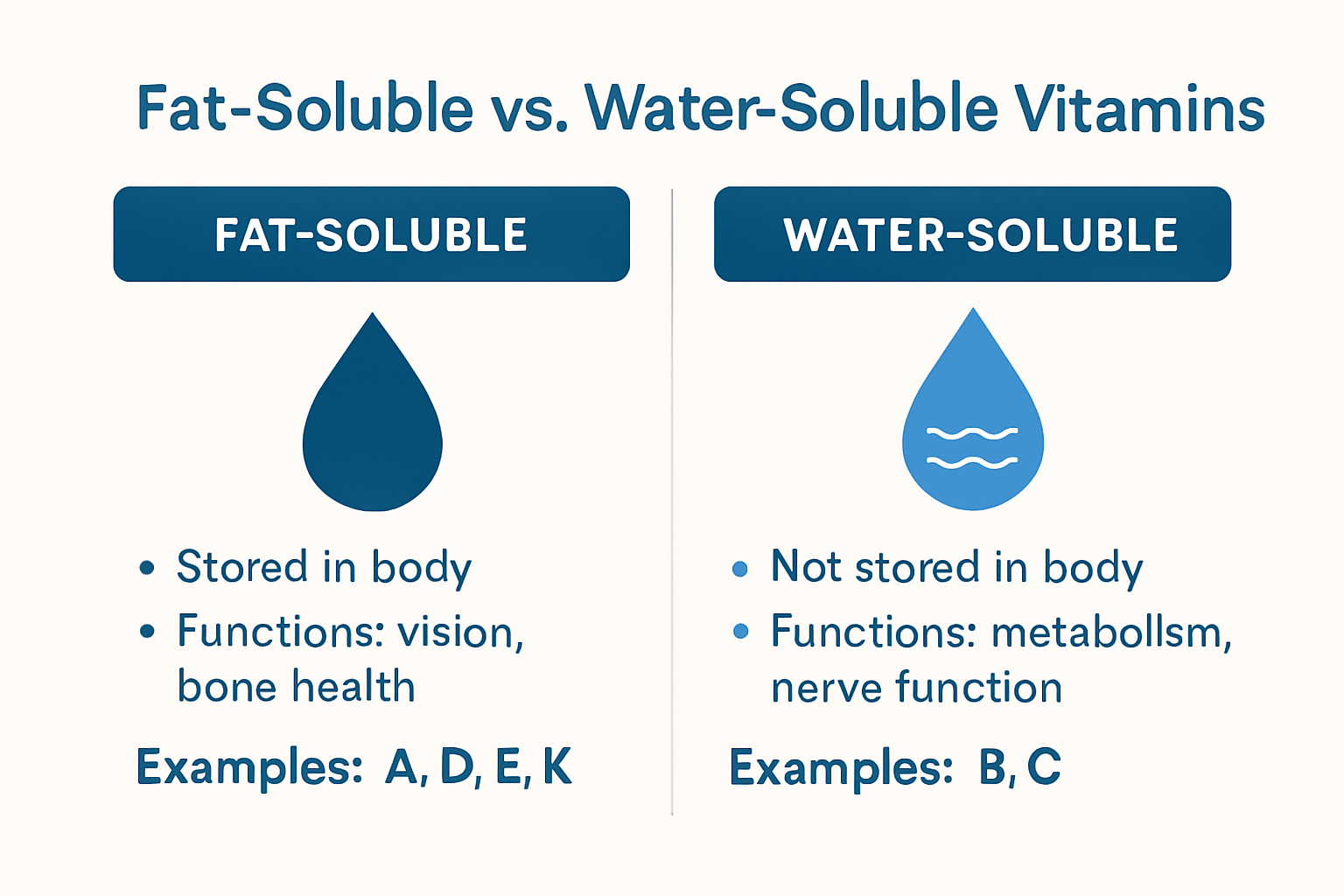
Vitamins represent a complex and essential group of nutrients classified into two primary categories: fat-soluble and water-soluble. Understanding their unique characteristics and functions provides critical insights into optimal nutritional strategies for maintaining human health.
Fat-Soluble Vitamins: Storage and Long-Term Benefits
Fat-soluble vitamins include A, D, E, and K, which are stored in the body’s fatty tissues and liver. Research from the National Institutes of Health indicates these vitamins can be retained longer in the body compared to water-soluble counterparts.
Vitamin D, a standout in this category, plays a crucial role in calcium absorption and bone health. According to the Merck Manual, insufficient levels can cause rickets in children and osteomalacia in adults. This vitamin demonstrates how critical proper intake can be for skeletal development and maintenance.
Vitamin E functions as a powerful antioxidant, protecting cell membranes from oxidative damage. Clinical studies from the American Journal of Clinical Nutrition suggest that consistent vitamin E intake may help reduce risk of chronic diseases by neutralizing harmful free radicals.
Below is a table summarizing the key differences and main functions of fat-soluble and water-soluble vitamins, as discussed in this section.
| Vitamin Type | Examples | Storage in Body | Main Functions | Need for Regular Intake |
|---|---|---|---|---|
| Fat-Soluble | A, D, E, K | Fatty tissues & liver | Bone health, vision, blood clotting, antioxidant action | Not always needed daily |
| Water-Soluble | B-complex, C | Not stored long-term | Energy metabolism, DNA synthesis, immune support | Must be consumed regularly |
Water-Soluble Vitamins: Rapid Absorption and Continuous Replenishment
Water-soluble vitamins, which include B-complex vitamins and vitamin C, are not stored long-term in the body. Research published by Harvard Medical School reveals these vitamins must be consumed regularly to maintain optimal health levels.
B-complex vitamins serve as critical coenzymes in metabolic processes. Specifically, vitamin B12 supports neurological function and red blood cell formation. Vitamin B9 (folate) is essential for DNA synthesis and preventing neural tube defects during pregnancy. Nutritional research from the National Institutes of Health demonstrates the profound impact these vitamins have on cellular functioning.
Unique Interactions and Synergistic Effects
Vitamins do not function in isolation but interact in complex, interconnected pathways. Biochemical studies from the Journal of Nutritional Science highlight how different vitamins can enhance or inhibit each other’s absorption and effectiveness.
For instance, vitamin D enhances calcium absorption, while vitamin K helps direct calcium to bone tissue. This intricate relationship underscores the importance of a balanced, comprehensive approach to vitamin intake. Understanding these nuanced interactions allows individuals to optimize their nutritional strategies more effectively.
The diversity of vitamins and their multifaceted roles illustrate the complexity of human nutrition. Each vitamin represents a specialized tool in the body’s intricate biological machinery, working harmoniously to support overall health and wellness.
Personalized Nutrition: Matching Vitamins to Your Lifestyle
Personalized nutrition represents a revolutionary approach to understanding individual nutritional needs, moving beyond generic dietary recommendations to tailored strategies that align with unique physiological and lifestyle requirements.
Genetic Influences on Nutrient Metabolism
Genetic variations play a significant role in how individuals process and utilize vitamins. Research from Frontiers in Nutrition reveals that genetic profiles can dramatically impact nutrient absorption and metabolism, suggesting that a one-size-fits-all approach to nutrition is increasingly outdated.
Genetic testing can now provide insights into specific nutritional needs. For instance, certain genetic variations may impact how efficiently a person converts vitamin B12 or processes folate. This means two individuals consuming the same diet might experience vastly different nutritional outcomes based on their unique genetic makeup.
Lifestyle and Nutritional Requirements
Lifestyle factors significantly influence vitamin requirements. Active individuals, professionals with high-stress environments, and those with specific health conditions have unique nutritional demands. A systematic review published in Nutrients examined personalized nutrition interventions, highlighting the complexity of matching nutritional strategies to individual needs.
Cognitive health provides a compelling example of personalized nutrition’s potential. Research from Time Magazine reported that daily multivitamin intake can improve memory and slow cognitive decline in older adults. This demonstrates how targeted nutritional approaches can address specific health concerns across different life stages.
Data-Driven Nutritional Strategies
Advanced technologies now enable more precise nutritional assessments. Blood tests, comprehensive health screenings, and sophisticated algorithmic analyses can create nuanced nutritional profiles. Clinical studies suggest that data-driven approaches can identify micronutrient deficiencies with unprecedented accuracy.
Wearable technology and health tracking apps further enhance personalized nutrition strategies. By monitoring physical activity, sleep patterns, stress levels, and metabolic markers, individuals can receive real-time nutritional recommendations that adapt to their changing physiological states.
The future of nutrition lies in understanding that each person’s body is a unique ecosystem. Personalized nutrition moves beyond generic supplementation, offering targeted interventions that consider genetic predispositions, lifestyle demands, and individual health goals. As research continues to evolve, the ability to create precisely tailored nutritional strategies becomes increasingly sophisticated, promising more effective approaches to maintaining optimal health.
Science-Backed Tips for Supplementing Effectively
Navigating the world of vitamin supplementation requires a strategic, evidence-based approach. While supplements can offer valuable nutritional support, understanding how to use them effectively is crucial for maximizing health benefits and avoiding potential risks.
Evidence-Based Supplement Selection
Choosing supplements demands careful consideration and scientific scrutiny. The National Center for Complementary and Integrative Health emphasizes that multivitamin supplements cannot replace a healthy diet and may not provide identical benefits to nutrient-rich foods.
Targeted supplementation is more effective than broad, unfocused approaches. Research from the U.S. Preventive Services Task Force specifically warns against using certain supplements like beta-carotene or vitamin E for preventing cardiovascular disease or cancer, highlighting the importance of evidence-based selection.
Consult healthcare professionals who can recommend supplements based on individual health assessments, blood work, and specific nutritional needs. Genetic factors, existing health conditions, and lifestyle can significantly influence supplement effectiveness.
Below is a table organizing science-backed tips for effective and safe vitamin supplementation, based on the recommendations provided in this section.
| Tip/Practice | Key Recommendation |
|---|---|
| Choose evidence-based supplements | Avoid using supplements for disease prevention without support |
| Get professional advice | Consult healthcare providers for individualized guidance |
| Monitor potential interactions | Be aware of supplement-medication interactions |
| Prefer targeted over broad supplementation | Select supplements based on individual needs |
| Do not replace a balanced diet | Use supplements to support, not substitute, nutrition |
| Regularly assess with blood tests | Adjust supplementation according to laboratory results |
Optimal Dosage and Timing
Precise dosage is critical for supplement efficacy. The Endocrine Society’s guidelines provide specific recommendations for vitamin intake. For vitamin D, they recommend 600 IU daily for adults up to age 70, and 800 IU for those over 70.
Timing of supplement intake can impact absorption. Fat-soluble vitamins like A, D, E, and K are best taken with meals containing healthy fats to enhance absorption. Water-soluble vitamins such as B-complex and vitamin C can be taken on an empty stomach or with food.
Be aware of potential interactions between supplements and medications. Some vitamins can interfere with drug absorption or effectiveness, making professional guidance essential.
Monitoring and Adaptive Supplementation
Regular health monitoring is crucial for effective supplementation. Annual blood tests can reveal nutritional deficiencies and help track the impact of supplement regimens. Clinical research suggests that periodic assessment allows for dynamic adjustment of supplement strategies.
Watch for potential side effects or unexpected reactions. Not all supplements are universally beneficial, and individual responses can vary. Symptoms like digestive discomfort, allergic reactions, or unexpected changes in health status warrant immediate medical consultation.
Dynamic supplementation means being flexible. As your body changes with age, lifestyle shifts, and health conditions, your supplement needs will evolve. What works at 30 might not be optimal at 50.
The science of supplementation is complex and personal. While supplements can support health, they are not magic bullets. A holistic approach combining balanced nutrition, regular exercise, stress management, and professional medical guidance remains the most effective path to optimal wellness.
Frequently Asked Questions
What are the main functions of vitamins in the body?
Vitamins play crucial roles in various bodily functions, including metabolic regulation, immune function, and cellular growth and repair. Each vitamin has specific tasks that contribute to overall health.
How do fat-soluble and water-soluble vitamins differ?
Fat-soluble vitamins (A, D, E, K) are stored in the body’s fatty tissues and liver for long-term use, while water-soluble vitamins (B-complex, C) are not stored and must be consumed regularly for optimal health.
Can my vitamin needs change based on my lifestyle?
Yes, lifestyle factors such as physical activity, stress levels, and specific health conditions greatly influence individual vitamin requirements. Personalized nutrition is crucial for meeting these varying needs.
How should I approach vitamin supplementation?
It’s essential to choose evidence-based supplements, consult healthcare professionals for personalized recommendations, and adjust dosages based on regular health monitoring to maximize benefits and minimize risks.
Take Control of Your Wellness With Precision Nutrition
After diving deep into how vitamins shape your metabolism, immunity, and daily energy, you might feel overwhelmed sorting out which nutrients your unique body actually needs. The biggest challenge so many face is turning science-backed insights into a personalized daily plan. Generic advice and random supplement choices often leave you guessing—and may not deliver the real health results you want.
Ready to cut through confusion and finally give your body the right support? Discover how Menalam’s personalized supplement plans transform science into actionable steps tailored for you. Start with a quick health quiz and get AI-driven recommendations built on your lifestyle, genetics, and even blood test integration. Join the future of nutrition today at Menalam and experience the difference of intelligent guidance. Your wellness journey deserves clarity, confidence, and proven results. Start now to make lasting progress.
Leave a Reply