
Every meal you eat sets off a chain reaction inside your body, all aiming to squeeze out as much nutrition as possible. Unsurprisingly, the average human intestine boasts a surface area of about 2,700 square feet—roughly the size of a tennis court. Yet here’s the curveball. Even this massive space can fall short if the timing, combinations, and health of your gut are off. The keys to truly using what you eat don’t rest with what’s on your plate—they depend on how, when, and whether your body can actually absorb those nutrients.
Table of Contents
- How Nutrient Absorption Works In Your Body
- Factors Affecting Nutrient Uptake And Efficiency
- Personalized Strategies To Maximize Nutrient Absorption
- Optimizing Supplement And Food Timing For Absorption
Quick Summary
| Takeaway | Explanation |
|---|---|
| Nutrient Absorption Mechanisms | Nutrient absorption involves complex mechanisms like passive diffusion, facilitated diffusion, and active transport, with the small intestine being the primary site for nutrient uptake. |
| Gut Microbiome Importance | A balanced gut microbiome is crucial for effective nutrient absorption, as it enhances enzymatic breakdown and nutrient solubility; probiotics and prebiotics can support this balance. |
| Personalized Nutrition Strategies | Utilizing advanced diagnostics, such as genetic testing and microbiome analysis, enables personalized nutrition strategies that can significantly improve nutrient absorption based on individual needs. |
| Nutrient Timing and Interaction | The timing of nutrient intake affects absorption; for instance, fat-soluble vitamins require dietary fats for optimal uptake, while some nutrients enhance or inhibit each other, necessitating careful meal planning. |
| Technology in Nutrition | Digital health technologies, including apps and wearable devices, can track nutrient intake and absorption, providing personalized recommendations to optimize nutritional strategies. |
How Nutrient Absorption Works in Your Body
Nutrient absorption is a complex biological process that transforms the food you eat into essential components your body can use for energy, repair, and overall functioning. This intricate system involves multiple stages and specialized mechanisms designed to extract maximum nutritional value from your diet.
The Digestive Pathway of Nutrient Uptake
Your digestive system operates like a sophisticated processing plant, breaking down complex food molecules into smaller, absorbable units. Research from the National Institutes of Health reveals that nutrient absorption occurs through multiple sophisticated mechanisms, including passive diffusion, facilitated diffusion, and active transport.
Passive diffusion allows lipid-soluble vitamins to move directly through cell membranes without additional energy expenditure. In contrast, facilitated diffusion and active transport require specialized transport proteins that help specific nutrients navigate through cellular barriers. For instance, the SGLT1 (sodium/glucose cotransporter) protein plays a crucial role in glucose absorption, demonstrating how precise these transport mechanisms can be.
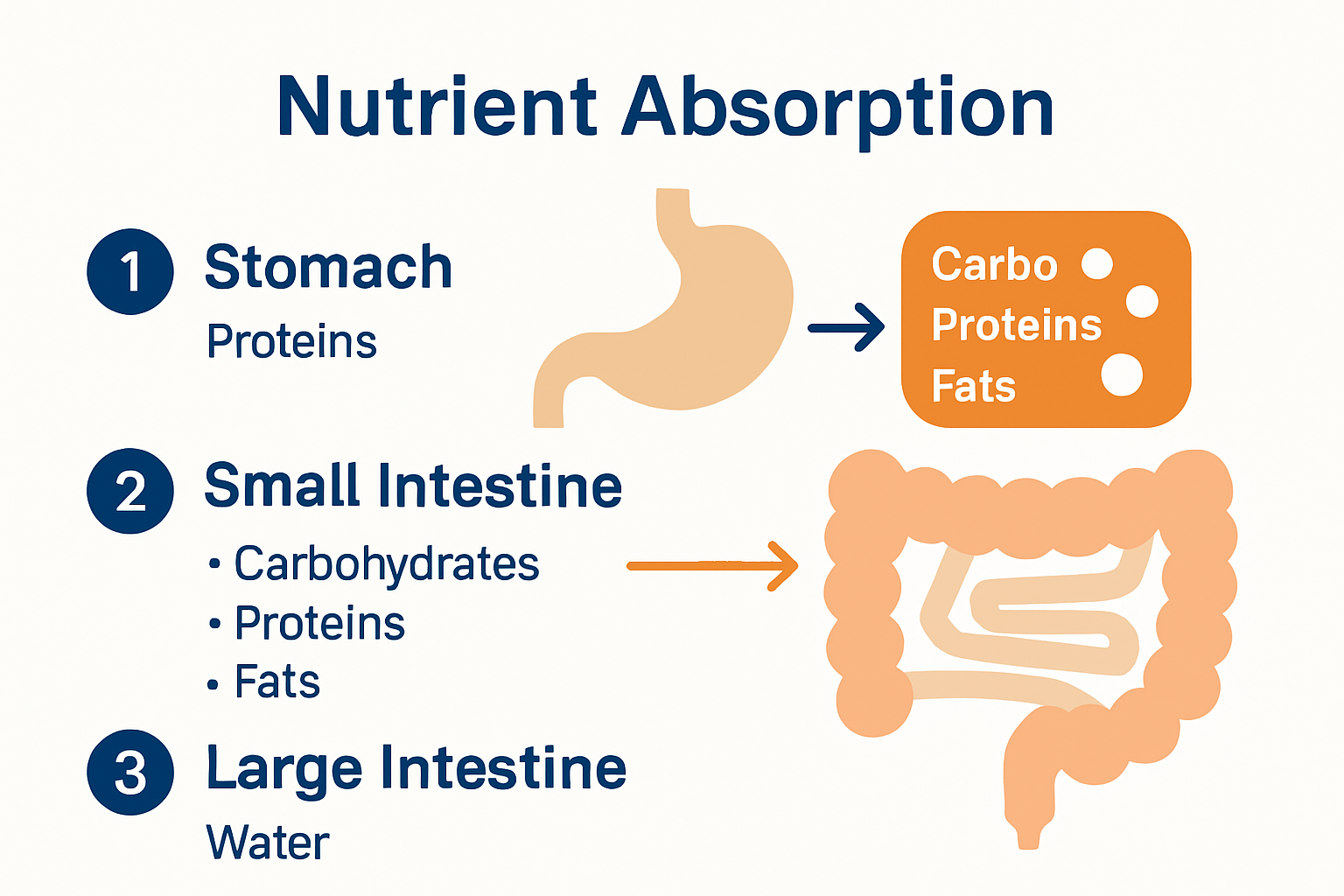
The small intestine serves as the primary site for nutrient absorption, featuring a remarkable surface area enhanced by microscopic finger-like projections called villi. These structures maximize the potential for nutrient extraction, allowing your body to efficiently process and utilize dietary components.
Transport Proteins and Absorption Mechanisms
Studies published in Physiological Reviews highlight the remarkable complexity of nutrient transport. Specialized proteins like PEPT1 demonstrate the body’s adaptive capabilities in nutrient absorption. These transporters can handle di- and tripeptides, ensuring that even if one transport mechanism is compromised, alternative pathways can maintain nutritional uptake.
Different nutrients require unique absorption strategies. Water-soluble vitamins like B and C typically use active transport mechanisms, requiring cellular energy to move across intestinal walls. Fat-soluble vitamins (A, D, E, K) rely more on passive diffusion, utilizing dietary fats as carriers through the intestinal membrane.
Factors Influencing Nutrient Absorption
Multiple factors can impact how effectively your body absorbs nutrients. Research from the American Journal of Clinical Nutrition indicates that factors such as gut health, meal composition, and individual metabolic variations significantly influence absorption rates.
Gut microbiome health plays a critical role in nutrient absorption. A balanced microbiome helps break down complex molecules, produces essential enzymes, and supports the overall digestive process. Probiotics and a diverse diet can help maintain this delicate ecosystem, potentially enhancing nutrient uptake efficiency.
Age, hormonal balance, and existing health conditions can also modify nutrient absorption capabilities. For instance, individuals with digestive disorders might experience reduced absorption rates, necessitating targeted nutritional strategies to compensate for these limitations.
Understanding nutrient absorption mechanisms empowers individuals to make informed dietary choices. By recognizing how your body processes nutrients, you can optimize your nutrition strategy, potentially improving overall health and wellness.
Factors Affecting Nutrient Uptake and Efficiency
Nutrient absorption is not a straightforward process but a complex interplay of multiple biological and environmental factors. Understanding these influences can help individuals optimize their nutritional strategies and improve overall health outcomes.
Dietary Composition and Nutrient Interactions
Research from the National Institutes of Health reveals that gastrointestinal tract efficiency depends on intricate interactions between nutrients, transporters, and gut barrier integrity. Some nutrients can enhance or inhibit each other’s absorption, creating a dynamic nutritional landscape.
Certain compounds can significantly impact nutrient uptake. Studies published in ACS Omega demonstrate that compounds like phytic acid, sodium oxalate, and sodium silicate can inhibit mineral absorption. However, strategic dietary planning can mitigate these challenges. For instance, vitamin C (ascorbic acid) can counteract mineral absorption inhibitors, demonstrating the body’s remarkable adaptive capabilities.
Protein intake plays a crucial role in nutrient absorption. High-quality proteins can improve mineral bioavailability by creating favorable conditions for nutrient transport across intestinal membranes. Consuming protein sources alongside minerals can enhance overall absorption efficiency.
Gut Microbiome and Prebiotic Influences
The gut microbiome emerges as a critical player in nutrient absorption. Research from ACS Omega highlights how prebiotics like inulin can dramatically improve mineral absorption. These beneficial compounds promote gut microbiota that produce short-chain fatty acids, which lower intestinal pH and increase nutrient solubility.
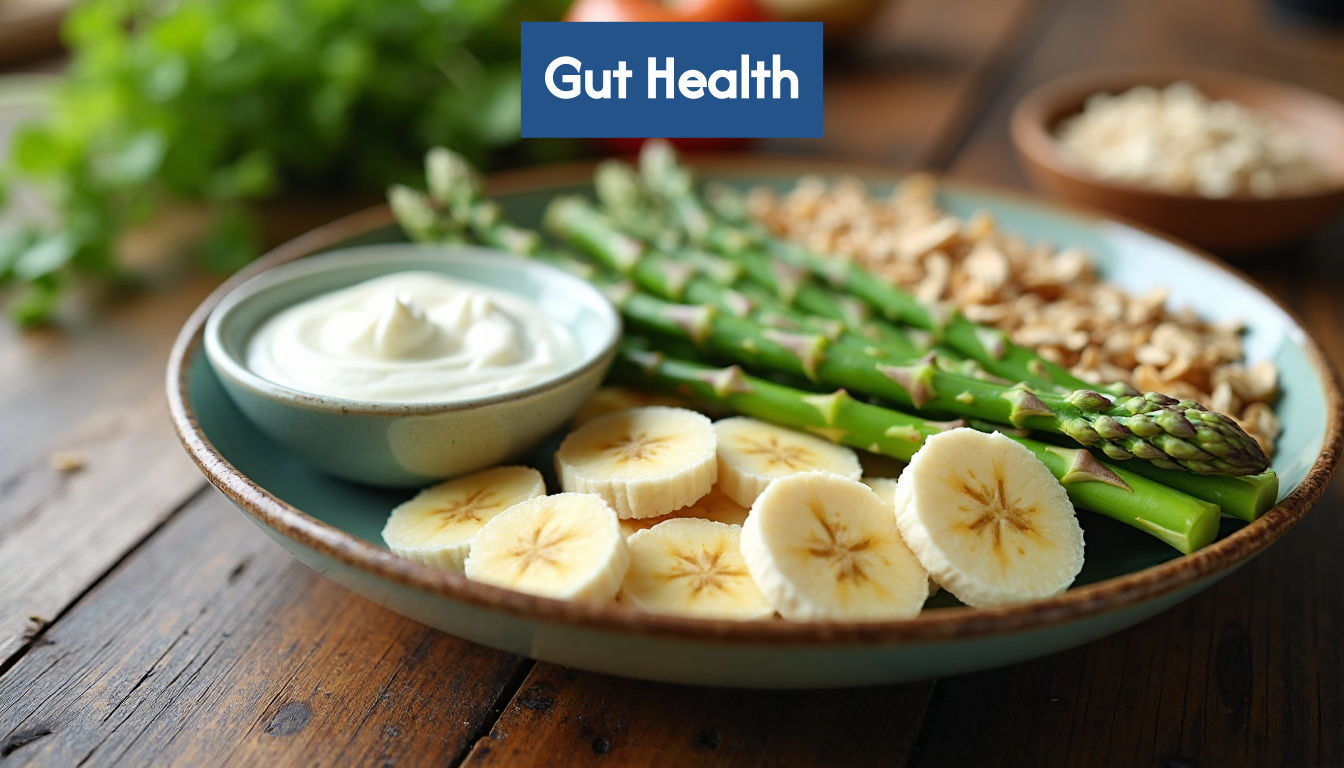
Probiotics contribute to enhanced nutrient uptake by maintaining a healthy intestinal environment. They support the production of digestive enzymes, strengthen the gut barrier, and help reduce inflammation that might impede nutrient absorption. A diverse microbiome translates to more efficient nutrient processing and improved overall metabolic function.
Individual Physiological Factors
Personal health characteristics significantly influence nutrient absorption. Age, hormonal balance, genetic predispositions, and existing health conditions can modify the body’s capacity to extract and utilize nutrients effectively.
Metabolic disorders, digestive diseases, and chronic inflammation can compromise nutrient uptake mechanisms. Conditions like Crohn’s disease, celiac disease, and irritable bowel syndrome directly impact the intestinal environment, potentially reducing nutrient absorption efficiency.
Hormonal changes also play a critical role. Thyroid function, insulin sensitivity, and stress hormones can alter metabolic processes that support nutrient absorption. Cortisol, for example, can decrease nutrient absorption and increase nutrient excretion, highlighting the intricate connection between physiological stress and nutritional health.
Optimal nutrient absorption requires a holistic approach. By understanding these complex factors, individuals can develop personalized strategies that support their unique nutritional needs. Consulting healthcare professionals, maintaining a balanced diet, and supporting gut health can significantly enhance nutrient uptake and overall wellness.
Personalized Strategies to Maximize Nutrient Absorption
Personalized nutrition represents a revolutionary approach to optimizing nutrient absorption, moving beyond generic dietary recommendations to tailored strategies that address individual metabolic needs and genetic variations.
Advanced Diagnostic Approaches
Research from Frontiers in Nutrition reveals that integrating genetic, metabolomic, and microbiome data through artificial intelligence enables unprecedented precision in nutritional intervention. This cutting-edge approach allows for developing highly personalized nutrition strategies that can dramatically improve nutrient absorption and overall health outcomes.
Genetic testing now provides insights into individual nutrient metabolism. Specific genetic variations can impact how efficiently your body processes vitamins and minerals. For instance, some individuals might require higher doses of vitamin D or B12 due to unique genetic mutations that affect absorption and metabolization.
Advanced blood tests and microbiome analysis can identify specific nutritional deficiencies and absorption challenges. By understanding your body’s unique biochemical landscape, you can develop targeted strategies that address your specific nutritional needs more effectively than traditional one-size-fits-all approaches.
Targeted Nutritional Interventions
Insights from Kerry Health and Nutrition Institute highlight the emerging trend of addressing individual “need states” through personalized nutritional strategies. These targeted interventions focus on specific health domains such as gut health, bone strength, cognitive function, and cardiovascular wellness.
Probiotics and prebiotics can be strategically selected based on individual microbiome composition. For individuals with reduced nutrient absorption, specific probiotic strains can be recommended to enhance digestive efficiency and support optimal nutrient uptake. Customized enzyme supplements can also help overcome specific digestive challenges.
Nutrient timing and combination strategies play a crucial role in maximizing absorption. Some nutrients are better absorbed when consumed together, while others might compete for absorption. Personalized nutrition plans can optimize nutrient combinations and consumption timing to enhance overall uptake efficiency.
Technology-Enabled Nutritional Optimization
Digital health technologies are transforming personalized nutrition. Mobile apps and wearable devices can now track nutrient intake, monitor absorption efficiency, and provide real-time recommendations for improving nutritional strategies.
Artificial intelligence algorithms can analyze your dietary patterns, health metrics, and genetic information to generate dynamic nutritional recommendations. These technologies can predict potential nutrient deficiencies and suggest proactive interventions before significant health issues emerge.
Consultation with registered dietitians and nutritionists who specialize in personalized nutrition can provide comprehensive insights. These professionals can interpret complex diagnostic data and develop nuanced strategies that address your unique physiological requirements.
Personalized nutrition represents more than a trend; it’s a sophisticated approach to understanding and optimizing your body’s unique nutritional needs. By leveraging advanced diagnostics, targeted interventions, and cutting-edge technologies, individuals can unlock their optimal health potential through precision nutrition strategies.
Optimizing Supplement and Food Timing for Absorption
Nutrient absorption is a delicate process influenced significantly by when and how supplements and foods are consumed. Strategic timing can dramatically enhance the body’s ability to utilize essential vitamins, minerals, and other nutritional compounds.
Nutrient Interaction and Absorption Dynamics
Research from the National Institutes of Health demonstrates that the timing of nutrient intake can profoundly impact absorption efficiency. Fat-soluble vitamins (A, D, E, K) require dietary fats for optimal uptake, while certain minerals like calcium and iron can compete for absorption when consumed simultaneously.
Some nutrients work synergistically, enhancing each other’s absorption. Vitamin C, for instance, can improve iron absorption when consumed together. Conversely, some compounds can inhibit nutrient uptake. Tannins in tea and coffee can reduce iron absorption, suggesting the importance of strategic meal planning.
Protein intake plays a crucial role in nutrient absorption. Consuming proteins alongside minerals can create favorable conditions for nutrient transport across intestinal membranes. This intricate dance of nutrients highlights the complexity of optimal nutritional strategies.
Probiotic and Supplement Timing
Emerging research in Food and Function reveals that probiotics can significantly enhance vitamin absorption by modifying gut microbiota and regulating intestinal pH. Timing probiotic intake with meals can optimize vitamin uptake and improve overall nutrient absorption efficiency.
Different supplements require unique timing strategies. Water-soluble vitamins like B and C are best absorbed on an empty stomach, while fat-soluble vitamins need to be consumed with a meal containing healthy fats. Mineral supplements often require careful timing to prevent absorption interference.
Some supplements interact differently with various times of day. For example, magnesium might be more effectively absorbed in the evening, potentially supporting better sleep and muscle recovery. Vitamin D is often recommended with breakfast to mimic natural sunlight exposure patterns.
Advanced Nutritional Delivery Strategies
Insights from Pharmaceutical Nutrition Research highlight the evolution of nutrient delivery techniques. Personalized nutrition now focuses on precise timing and individual metabolic needs, moving beyond generic supplementation approaches.
Technology is transforming supplement intake. Smart nutrition apps can now track optimal supplement timing based on individual metabolic profiles, genetic information, and daily activity levels. These tools help users create personalized nutrition schedules that maximize absorption and effectiveness.
Consulting healthcare professionals remains crucial for developing a nuanced supplement strategy. Registered dietitians can provide tailored advice considering individual health conditions, medications, and specific nutritional requirements.
Optimizing supplement and food timing is not a one-size-fits-all approach. It requires understanding your body’s unique nutritional needs, potential interactions between nutrients, and personal metabolic characteristics. By approaching nutrition strategically, you can significantly enhance your body’s ability to absorb and utilize essential nutrients.
Frequently Asked Questions
What are the key factors affecting nutrient absorption?
Multiple factors influence nutrient absorption, including dietary composition, gut microbiome health, individual physiological characteristics, and the timing of nutrient intake. A balanced gut ecosystem and proper pairing of nutrients can significantly enhance absorption efficiency.
How can I improve my nutrient absorption?
To improve nutrient absorption, focus on consuming a varied diet rich in whole foods, support gut health with probiotics and prebiotics, and consider personalized nutrition strategies based on advanced diagnostics of your genetic makeup and microbiome.
What role does the gut microbiome play in nutrient absorption?
The gut microbiome is crucial for effective nutrient absorption as it aids in breaking down complex food molecules, producing essential enzymes, and maintaining a healthy intestinal environment that enhances nutrient solubility and absorption.
How does nutrient timing affect absorption efficiency?
Nutrient timing is critical; for example, fat-soluble vitamins require dietary fats for optimal absorption, while certain nutrients can inhibit or enhance each other’s uptake. Planning meals and supplement timing strategically can maximize nutrient absorption.
Take the Guesswork Out of Nutrient Absorption—Personalized Plans Await You
Are you tired of feeling like your body wastes the nutrients you work so hard to eat? This article explained how absorption can be blocked by factors like poor gut health, the wrong supplement timing, or confusing nutrient interactions. The reality is, even the most nutritious meals can fall short without a plan tailored to your unique biology. If you have ever worried about missing out on the benefits of your food and supplements, you are not alone. Science-backed personalization is the key to unlocking real results for energy, focus, and wellness.
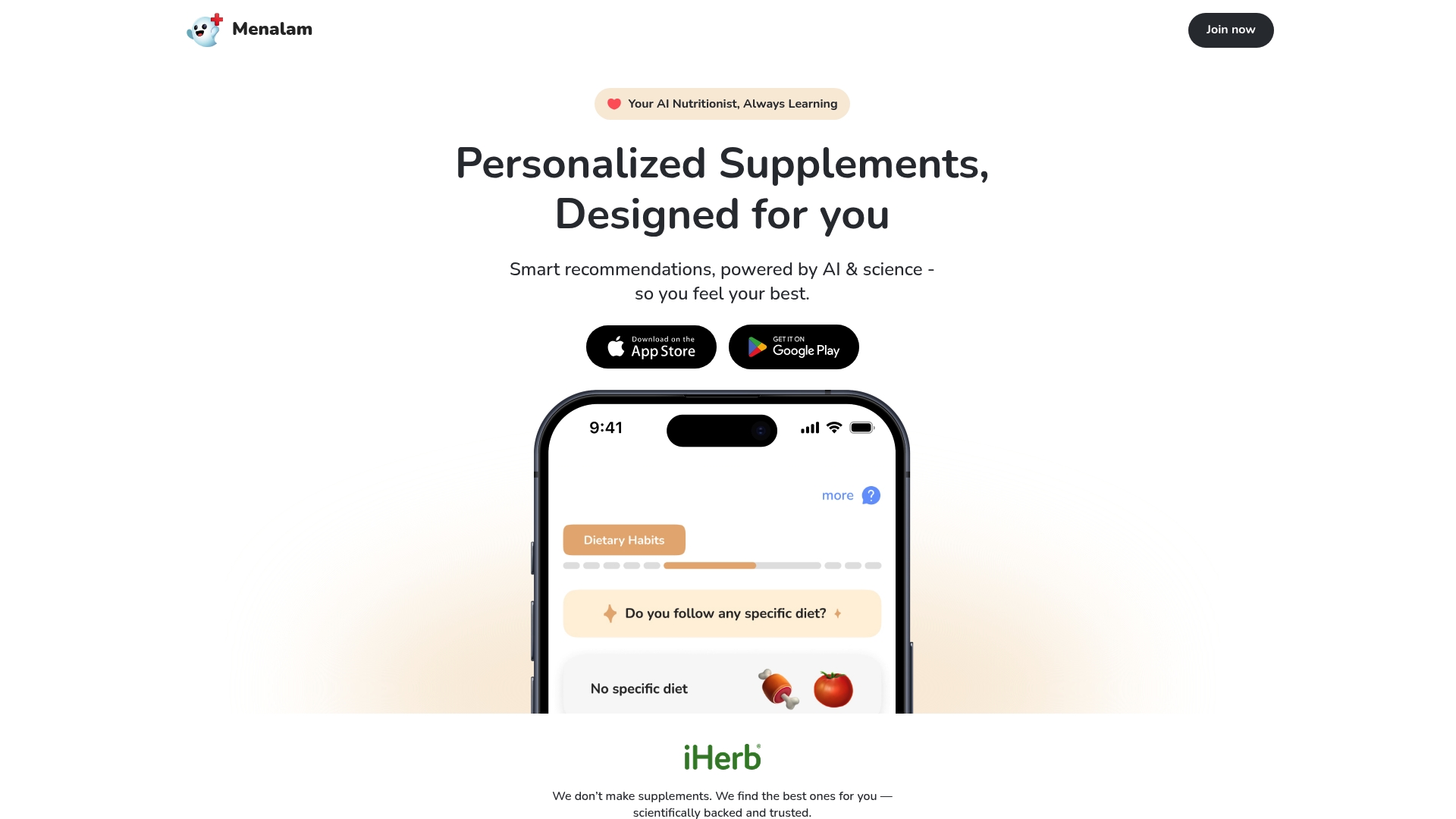
Now you can bridge the gap between knowledge and action. Visit Menalam and discover a digital nutritionist that builds supplement and health plans just for you. Take a quick health quiz to get instant, data-driven recommendations. Track your progress, receive smart reminders, and update your plan as your body changes. Your optimal wellness is not just a theory—it starts today with Menalam.
Leave a Reply