
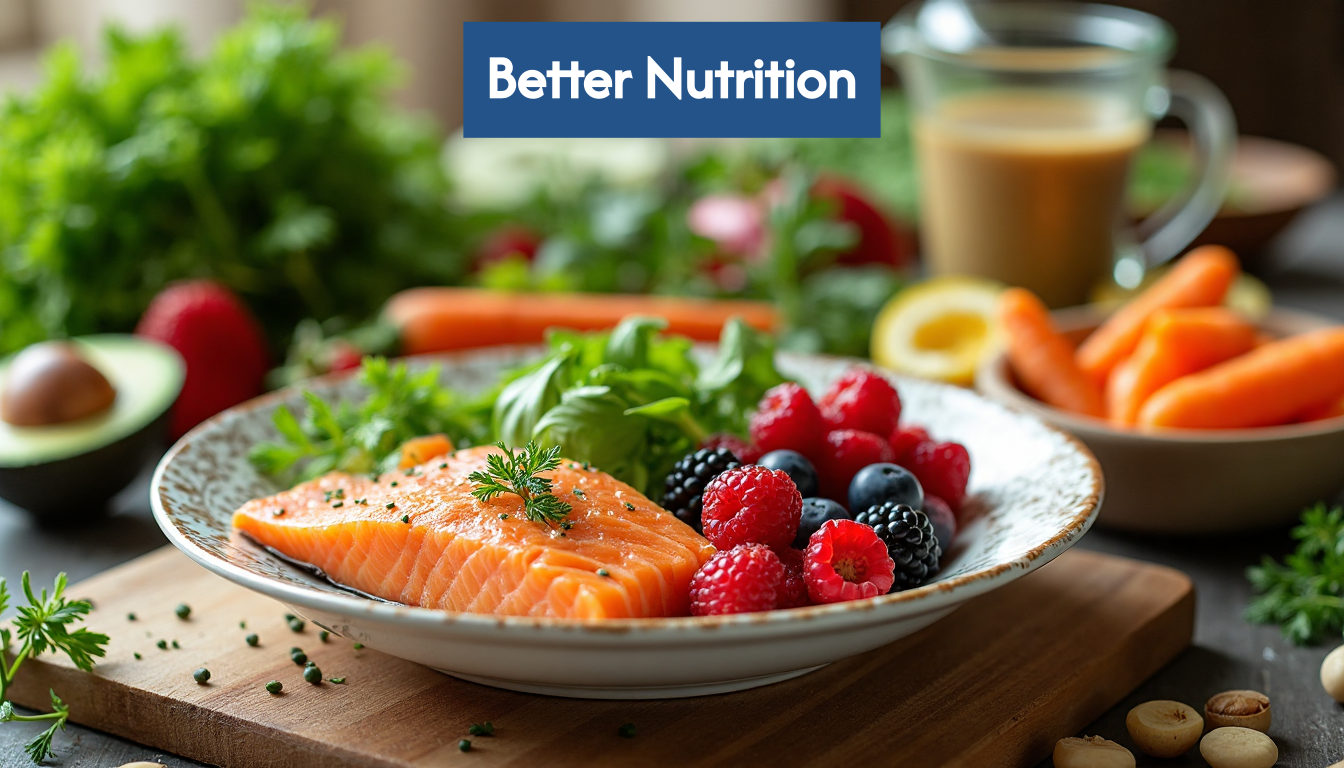
Your body can only use the vitamins you actually absorb, and this process is more complex than most people think. Some cutting-edge research shows that new encapsulation tech can improve vitamin bioavailability up to nine times for tricky nutrients like vitamin A. Surprised? The real shock is that your genetics, gut bacteria and even what you eat at the same meal can change how well you soak up essential nutrients. Here’s what really controls your vitamin absorption and what you can do to make every bite count.
Table of Contents
- How Your Body Absorbs Vitamins
- Key Factors Affecting Vitamin Absorption
- Tracking And Improving Your Vitamin Intake
- Personalized Solutions For Optimal Absorption
Quick Summary
| Takeaway | Explanation |
|---|---|
| Understand Vitamin Types | Recognize that vitamins are classified into fat-soluble and water-soluble, each with distinct absorption mechanisms requiring specific conditions for optimal uptake. |
| Optimize Dietary Habits | Pair fat-soluble vitamins with dietary fats and maintain a diverse, nutrient-rich diet to enhance absorption; consider the interplay of different nutrients. |
| Monitor Your Nutritional Status | Use advanced tracking methods like blood tests and mobile apps to identify deficiencies and adjust your intake accordingly. |
| Leverage Probiotics | Incorporate probiotics into your diet to improve gastrointestinal health, regulate pH levels, and boost vitamin transport protein function for better absorption. |
| Personalize Your Nutrition | Utilize genetic and microbiome testing to develop tailored nutrition strategies that address individual absorption challenges and needs. |
How Your Body Absorbs Vitamins
The vitamin absorption process is a complex biological mechanism that transforms nutrients from food and supplements into essential compounds your body can use. Understanding how your body processes and absorbs vitamins is crucial for optimizing nutrition and overall health.
The Digestive Pathway of Vitamin Absorption
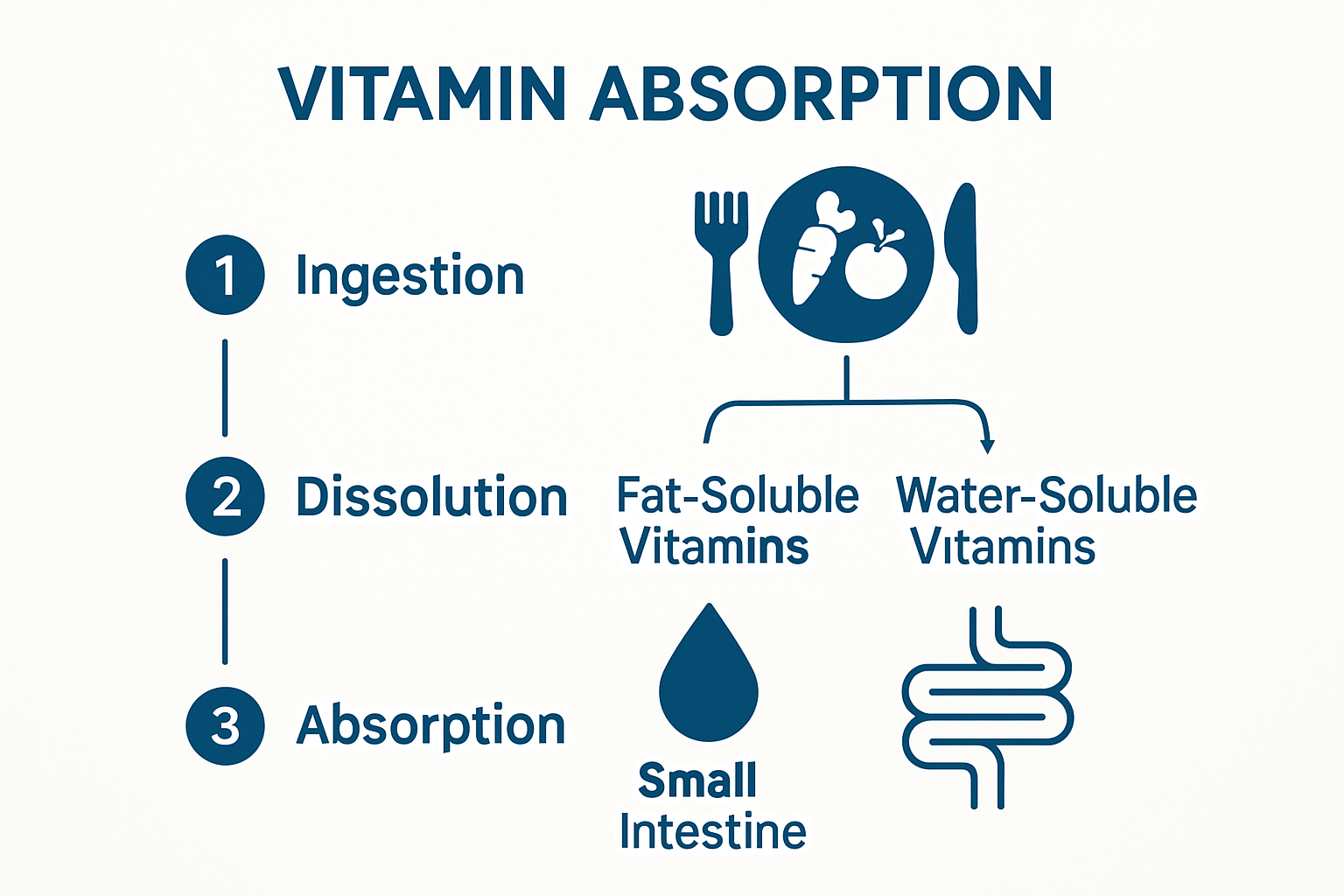
Your body’s vitamin absorption begins in the digestive system, specifically the small intestine. Different vitamins follow unique pathways depending on their chemical structure and solubility. Research from the National Institutes of Health reveals that vitamins are categorized into two primary groups: fat-soluble and water-soluble, each with distinct absorption mechanisms.
Fat-soluble vitamins (A, D, E, and K) require dietary fat for efficient absorption. These vitamins dissolve in lipids and are transported across the intestinal membrane through a process involving micelles. When you consume foods containing these vitamins, bile acids produced by the liver help break down fat globules, creating micelles that facilitate vitamin transport.
Cellular Transport and Absorption Mechanisms
Water-soluble vitamins like B-complex and vitamin C follow a different absorption strategy. These vitamins typically use specialized protein transporters in the intestinal wall to cross into the bloodstream. Scientific studies from the Royal Society of Chemistry suggest that probiotics can enhance this absorption process by improving the intestinal environment and increasing the expression of vitamin transport proteins.
Interestingly, recent research from the Proceedings of the National Academy of Sciences highlights innovative encapsulation technologies that can significantly improve vitamin stability and absorption. These advanced techniques can increase vitamin bioavailability up to ninefold, particularly for challenging nutrients like vitamin A.
The absorption efficiency depends on multiple factors: your overall gut health, the presence of other nutrients, individual metabolic differences, and even the form of vitamin you consume. Some individuals might have genetic variations that impact their ability to absorb certain vitamins effectively, making personalized nutrition strategies increasingly important.
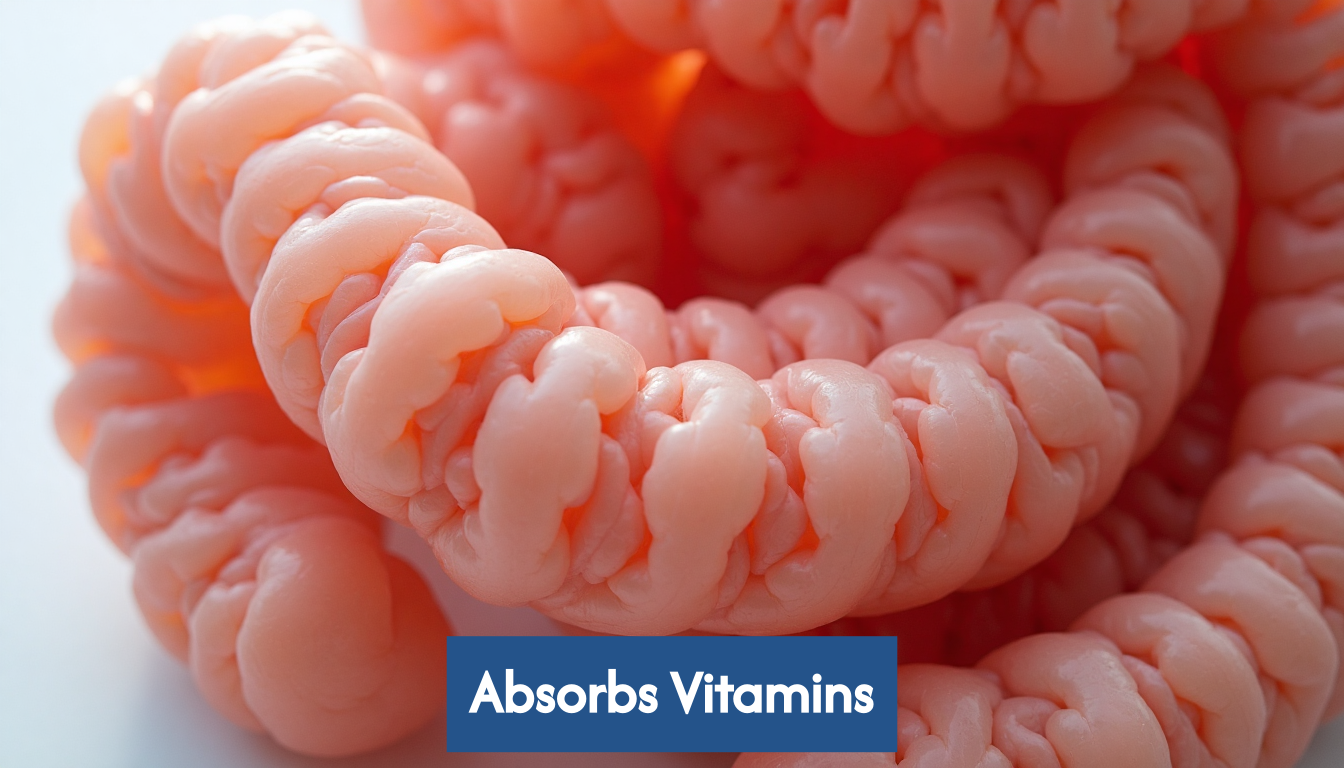
Your small intestine plays a critical role in this complex process. Its extensive surface area, created by microscopic finger-like projections called villi, maximizes nutrient absorption. These villi increase the intestinal surface area dramatically, allowing for more efficient vitamin and mineral uptake into your bloodstream.
Once absorbed, vitamins are transported to various body tissues through the bloodstream. Some are immediately utilized, while others are stored in the liver or fatty tissues for future use. This storage mechanism ensures your body can access these essential nutrients during periods of limited intake.
Understanding the vitamin absorption process empowers you to make more informed dietary choices. Consuming vitamins with appropriate food combinations, maintaining a healthy gut microbiome, and considering individual nutritional needs can significantly enhance your body’s ability to extract and utilize these critical micronutrients.
Remember that while supplements can be beneficial, whole foods remain the most effective and natural source of vitamins. The complex matrix of nutrients in natural foods often provides synergistic benefits that isolated supplements cannot replicate.
Key Factors Affecting Vitamin Absorption
Vitamin absorption is a nuanced process influenced by multiple internal and external factors. Understanding these variables can help you optimize your nutritional intake and ensure your body effectively utilizes essential micronutrients.
Digestive Environment and Biochemical Interactions
Research from the Royal Society of Chemistry reveals that the intestinal environment plays a critical role in vitamin absorption. The acid-base balance, presence of digestive enzymes, and specific vitamin transporter proteins significantly impact how efficiently your body processes nutrients.
Probiotics emerge as powerful allies in this process. These beneficial microorganisms can enhance vitamin absorption by improving intestinal conditions, regulating pH levels, and increasing the expression of vitamin transport proteins. This suggests that maintaining a healthy gut microbiome is not just about digestive health but also about optimizing nutrient uptake.
Dietary Interactions and Nutrient Synergy
Scientific studies from the American Chemical Society demonstrate that dietary components can dramatically influence vitamin absorption. Some nutrients act as absorption enhancers, while others can inhibit nutrient uptake. For instance, vitamin C (ascorbic acid) can significantly improve iron absorption, whereas compounds like phytic acid and polyphenols may create barriers to nutrient absorption.
Research from the National Institutes of Health highlights the unique absorption mechanisms of fat-soluble vitamins. These vitamins require bile and pancreatic enzymes to form micelles in the small intestine. Once formed, they are packaged into chylomicrons and enter the lymphatic system, allowing for longer-term storage in body tissues compared to water-soluble vitamins.
Individual Physiological Factors
Personal health conditions, genetic variations, and metabolic differences can significantly impact vitamin absorption. Some individuals may have genetic mutations that affect enzyme production or vitamin transport proteins, leading to reduced absorption efficiency. Conditions like celiac disease, inflammatory bowel disorders, and pancreatic insufficiency can further compromise nutrient uptake.
Age also plays a crucial role. As you grow older, your body’s ability to absorb certain vitamins diminishes. Decreased stomach acid production, reduced digestive enzyme output, and changes in intestinal absorption mechanisms can all contribute to lower nutrient uptake.
Certain medications can interfere with vitamin absorption. Antibiotics, antacids, and some cholesterol-lowering drugs may impact how your body processes and stores essential nutrients. This underscores the importance of consulting healthcare professionals when managing complex medication regimens.
Lifestyle factors such as stress, alcohol consumption, and smoking can also negatively affect vitamin absorption. Chronic stress can alter gut microbiome composition, while excessive alcohol intake can damage the intestinal lining, reducing nutrient absorption capacity.
To maximize vitamin absorption, consider these strategies:
- Consume vitamins with appropriate food combinations
- Maintain a diverse, nutrient-rich diet
- Support your gut health through probiotics and prebiotics
- Stay hydrated
- Manage stress levels
- Regular medical check-ups to monitor nutritional status
Understanding these complex factors empowers you to make informed dietary choices. By recognizing the intricate interplay of biochemical processes, dietary interactions, and individual physiological characteristics, you can develop a more personalized approach to nutrition and wellness.
Tracking and Improving Your Vitamin Intake
Optimizing your vitamin intake requires a strategic approach that combines nutritional awareness, personalized tracking, and proactive health management. Understanding how to monitor and enhance your micronutrient consumption can significantly impact your overall wellness.
Advanced Nutritional Monitoring Strategies
Research from the Proceedings of the National Academy of Sciences highlights innovative technologies that can dramatically improve vitamin absorption and tracking. Emerging encapsulation methods have demonstrated up to ninefold increases in vitamin bioavailability, particularly for challenging nutrients like vitamin A.
Modern health technologies now offer sophisticated tools for tracking nutritional intake. Blood tests, continuous glucose monitors, and comprehensive metabolic panels can provide detailed insights into your micronutrient status. These advanced diagnostic approaches allow for precise identification of potential deficiencies and personalized nutritional recommendations.
Dietary Optimization and Absorption Enhancement
Scientific studies from the Royal Society of Chemistry reveal that probiotics play a crucial role in vitamin absorption. These beneficial microorganisms can enhance nutrient uptake by improving intestinal conditions, regulating pH levels, and increasing the expression of vitamin transport proteins.
Strategic food combining can significantly improve vitamin absorption. For instance, pairing fat-soluble vitamins (A, D, E, K) with healthy dietary fats increases their bioavailability. Research from the National Institutes of Health demonstrates that fat-soluble vitamins require lipids for optimal absorption in the small intestine.
Personalized Nutrition Approach
Developing a personalized nutrition strategy involves multiple components. Consider these comprehensive tracking methods:
- Blood Testing: Regular comprehensive metabolic panels to identify specific nutritional deficiencies
- Food Diary: Detailed tracking of daily nutrient intake
- Genetic Testing: Understanding individual metabolic variations that impact nutrient absorption
- Wearable Technology: Continuous health monitoring devices
Individuals with specific health conditions or dietary restrictions may require more targeted approaches. Consulting with nutritionists or healthcare providers can help develop a customized plan that addresses individual nutritional needs.
Lifestyle factors significantly impact vitamin absorption and overall nutritional status. Stress management, adequate sleep, regular exercise, and minimizing alcohol consumption can improve your body’s ability to process and utilize essential nutrients.
Technology now offers unprecedented opportunities for nutritional tracking. Mobile apps and digital platforms can help you log food intake, track vitamin levels, and receive personalized recommendations based on your unique health profile.
Consider these practical steps to improve your vitamin intake:
- Conduct regular health assessments
- Diversify your diet with nutrient-rich foods
- Use technology to track nutritional intake
- Consult healthcare professionals for personalized guidance
- Monitor your body’s response to dietary changes
Remember that nutrition is not a one-size-fits-all approach. Your vitamin intake should be as unique as your individual health profile. Continuous monitoring, personalized strategies, and a holistic approach to wellness can help you optimize your nutritional intake and overall health.
Personalized Solutions for Optimal Absorption
The future of nutritional science lies in personalized approaches that recognize the unique biochemical individuality of each person. Understanding how to tailor vitamin absorption strategies to your specific physiological needs can revolutionize your approach to nutrition and wellness.
Advanced Personalization Technologies
Research from the Proceedings of the National Academy of Sciences reveals groundbreaking encapsulation technologies that can dramatically improve vitamin bioavailability. These innovative techniques, such as bio-mimetic mineralized capsules, have demonstrated up to ninefold increases in vitamin absorption, particularly for challenging nutrients like vitamin A.
Genetic testing now provides unprecedented insights into individual nutrient metabolism. Your genetic profile can reveal specific variations in vitamin transport proteins, enzyme production, and metabolic pathways that influence nutrient absorption. This allows for highly targeted nutritional interventions that address your unique physiological characteristics.
Microbiome-Driven Nutritional Strategies
Scientific studies from the Royal Society of Chemistry highlight the critical role of personalized microbiome optimization in vitamin absorption. Probiotics emerge as a powerful tool for enhancing nutrient uptake by:
- Microbiota Composition: Tailoring beneficial bacteria to improve intestinal environment
- pH Regulation: Optimizing intestinal conditions for maximum nutrient absorption
- Protein Expression: Increasing vitamin transporter and binding proteins
Individual digestive enzyme activity plays a crucial role in nutrient absorption. Some people naturally produce fewer digestive enzymes, which can significantly impact their ability to break down and absorb vitamins. Personalized enzyme supplementation and targeted dietary modifications can help overcome these individual challenges.
Comprehensive Personalization Approach
A truly personalized nutrition strategy requires a multifaceted approach. Consider these key components:
- Comprehensive genetic testing
- Detailed microbiome analysis
- Advanced metabolic profiling
- Continuous health monitoring
- Adaptive nutritional recommendations
Technology now enables real-time tracking and adjustment of nutritional strategies. Wearable devices and advanced diagnostic tools can provide instant feedback on how your body processes and utilizes nutrients. This allows for dynamic, responsive nutritional planning that evolves with your changing health needs.
Lifestyle factors play a significant role in personalized nutrition. Stress levels, sleep patterns, physical activity, and environmental exposures all impact your body’s ability to absorb and utilize vitamins. A holistic approach considers these interconnected elements when developing a personalized nutritional strategy.
Emerging artificial intelligence technologies are transforming personalized nutrition. Machine learning algorithms can analyze complex datasets, including genetic information, microbiome composition, and metabolic markers, to generate highly precise nutritional recommendations.
Key considerations for developing your personalized vitamin absorption strategy:
- Conduct comprehensive health assessments
- Leverage genetic and microbiome testing
- Work with nutrition professionals
- Utilize advanced tracking technologies
- Remain adaptable and open to adjustments
Remember that personalized nutrition is a journey of continuous discovery. Your body’s nutritional needs are dynamic, changing with age, health status, and lifestyle. Embracing a personalized, data-driven approach empowers you to optimize your vitamin absorption and overall nutritional wellness.
Frequently Asked Questions
How does the body absorb vitamins?
Vitamins are absorbed in the digestive system, primarily in the small intestine. Fat-soluble vitamins require dietary fats for absorption, while water-soluble vitamins use specific protein transporters to enter the bloodstream.
What factors influence vitamin absorption?
Vitamin absorption is influenced by several factors, including digestive health, the presence of other nutrients, individual genetics, and medications. A healthy gut and proper food combinations can enhance absorption.
How can I improve my vitamin absorption?
To enhance vitamin absorption, pair fat-soluble vitamins with healthy fats, maintain a diverse diet, incorporate probiotics for gut health, and monitor your nutritional status with blood tests or mobile apps.
What are the benefits of personalized nutrition for vitamin absorption?
Personalized nutrition, based on genetic and microbiome testing, allows for tailored strategies that address individual absorption challenges. This could lead to more effective nutrient utilization and improved overall health.
Unlock Your Best Nutrition With Personalized Vitamin Plans
Struggling with unpredictable vitamin absorption or confused about which nutrients your body really needs? You learned in this article that absorption depends on factors like gut health, genetic variations, diet synergy, and even the form of the supplement. All these variables make it hard to know if your body is truly getting what it requires for optimal health. Many people feel frustrated by supplement guesswork and want a clear, science-backed path forward.
Ready to stop the guesswork and maximize your vitamin intake? Discover how Menalam’s AI-powered nutrition platform puts advanced tracking, tailored supplement plans, and smart data in your hands. Take the quick health quiz to get instant, personalized recommendations based on the factors discussed in this guide. Start now and see how easy it is to optimize your absorption and stay consistent with reminders right on your phone. Visit Menalam today and level up your nutrition journey.
Leave a Reply