


Nutrition looks completely different in 2025. People used to follow food pyramids and guess at supplements. Now over 46 percent of new women’s supplement launches target brain and emotional health, not just generic wellness. But that’s not the wildest part. Technology is making it possible to track your actual nutrient levels in real time and match them with your DNA and lifestyle. What happens when your nutrition is built for you alone and adapts as you live? The answer is changing what we think health even means.
Table of Contents
- Understanding Common Health Nutrients And Their Roles
- Personalizing Your Nutrient Intake For Better Health
- Science-Backed Supplement Guidance For 2025
- Tracking And Optimizing Nutrient Levels For Peak Performance
Quick Summary
| Takeaway | Explanation |
|---|---|
| Personalized Nutrition is Key | Individual nutritional needs vary based on factors like genetics, lifestyle, and health conditions, highlighting the importance of tailored nutrient strategies for optimal health. |
| Advanced Tracking Technologies Enhance Health Management | Emerging technologies, such as wearable devices and smart applications, facilitate real-time monitoring of nutrient absorption and metabolic efficiency to optimize health. |
| Scientific Validation Drives Supplement Efficacy | The future of supplements focuses on transparency and scientifically validated benefits, emphasizing personalized plans based on genetic and health profiling. |
| Nutrient Optimization Supports Performance | Strategic nutrient optimization is essential for enhancing cognitive and physical performance, utilizing advanced tracking systems to correlate nutrient intake with performance outcomes. |
Understanding Common Health Nutrients and Their Roles
Nutrients are the fundamental building blocks that power human health, acting as critical components that support every physiological function in our body. Understanding common health nutrients goes beyond simply knowing what to eat – it involves comprehending how specific compounds interact with our complex biological systems to promote optimal wellness.
The Macronutrient Foundation
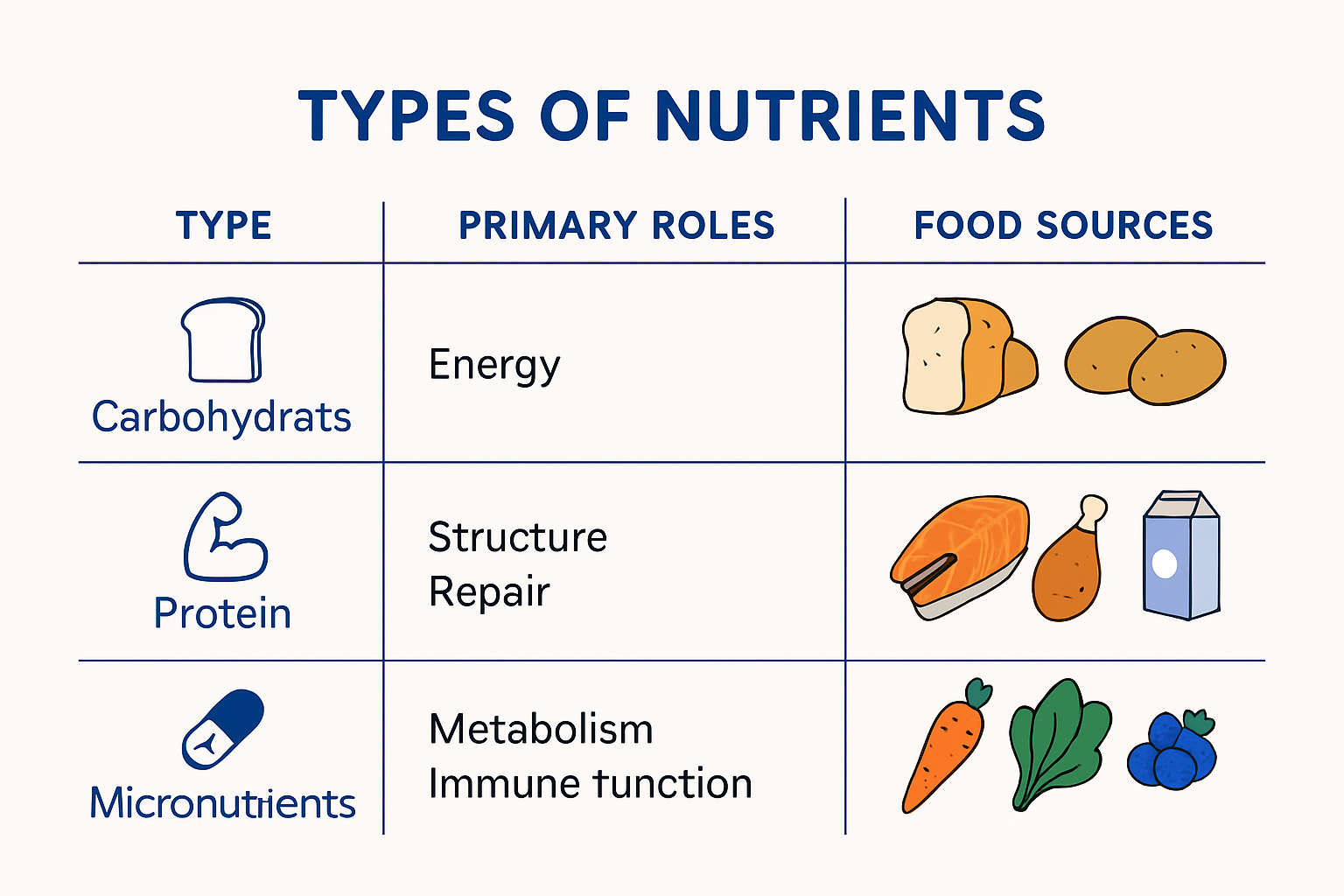
Macronutrients form the core nutritional framework that provides energy and supports fundamental bodily processes. According to Cleveland Clinic, these nutrients are categorized into three primary groups: carbohydrates, proteins, and fats. Each plays a unique role in maintaining health.
Carbohydrates serve as the body’s primary energy source, fueling everything from brain function to muscle movement. Proteins are essential for tissue repair, muscle development, and creating enzymes that drive metabolic processes. Fats, often misunderstood, are crucial for hormone production, cellular membrane integrity, and supporting nutrient absorption.
Micronutrients: The Cellular Powerhouses
While macronutrients provide energy, micronutrients act as precision instruments that fine-tune our body’s complex systems. Global nutrition research highlights the critical importance of vitamins and minerals in supporting multiple health domains.
Key micronutrients like vitamin D support bone health and immune function. B vitamins play crucial roles in energy metabolism and neurological processes. Minerals such as zinc, magnesium, and selenium contribute to immune response, muscle function, and cellular protection. Antioxidants like vitamins A, C, and E combat oxidative stress, potentially slowing cellular aging and supporting overall wellness.
Personalized Nutritional Approaches
Nutritional needs are not universal. They dynamically change across different life stages – from infancy through adulthood and into older age. Factors like genetics, lifestyle, physical activity, and existing health conditions significantly influence individual nutrient requirements.
Modern nutritional science emphasizes personalized approaches. Understanding your unique metabolic profile, potential deficiencies, and health goals becomes paramount in developing an effective nutritional strategy. Blood tests, comprehensive health assessments, and targeted supplementation can help individuals optimize their nutrient intake more precisely than traditional one-size-fits-all recommendations.
By recognizing nutrients as more than just food components but as essential biological regulators, individuals can make more informed decisions about their diet and overall health management. The future of nutrition lies in understanding these intricate relationships and leveraging scientific insights to support long-term wellness.
Personalizing Your Nutrient Intake for Better Health
Personalized nutrition represents a revolutionary approach to health that moves far beyond traditional dietary recommendations. By leveraging advanced technologies and individual health data, personalized nutrient intake strategies can transform how we approach wellness, targeting specific health needs with unprecedented precision.
The Science of Individual Nutritional Needs
Research from Precedence Research reveals that artificial intelligence and bioinformatics are dramatically changing how we understand individual nutritional requirements. These technologies analyze complex biological markers, genetic predispositions, and lifestyle factors to create highly targeted nutrition plans.
Your unique metabolic profile is influenced by multiple factors including genetic makeup, age, gender, activity level, and existing health conditions. What works perfectly for one person might be suboptimal for another. This understanding drives the shift from generic nutritional guidelines to personalized interventions that address specific physiological needs.
Targeting Specific Health Outcomes
According to Kerry Health and Nutrition Institute, personalized nutrition in 2025 is focusing on addressing individual “need states” such as joint health, cognitive function, gut microbiome balance, and cardiovascular wellness. These targeted approaches consider not just general nutrition but specific biomarkers and individual health trajectories.
For instance, someone with a family history of cognitive decline might receive a nutrient plan rich in omega-3 fatty acids and antioxidants. An athlete might get a recommendation emphasizing protein intake and muscle recovery nutrients. A professional experiencing high stress could receive a plan supporting adrenal function and mental resilience.

Technology Driving Nutritional Personalization
Cutting-edge personalized nutrition integrates multiple data sources to create comprehensive health insights. Nutritional Personalization Research indicates that comprehensive approaches now combine genetic testing, blood work, lifestyle assessments, and even microbiome analysis to develop precise nutritional strategies.
Advanced platforms use machine learning algorithms to continuously refine recommendations. As you provide more health data and track your progress, these systems adapt, creating a dynamic and responsive nutritional approach. This means your nutrient intake can evolve with your changing health status, age, and personal goals.
The future of nutrition is not about following rigid dietary rules but understanding your body’s unique communication. By embracing personalized nutrient intake, you transform nutrition from a generic prescription to a sophisticated, individualized health optimization strategy. Your nutrients become a precise tool for supporting your specific biological needs, promoting longevity, performance, and overall well-being.
Science-Backed Supplement Guidance for 2025
The landscape of dietary supplements is undergoing a profound transformation, driven by rigorous scientific research and advanced technological capabilities. In 2025, supplement guidance is no longer about generic recommendations but about precision, evidence-based approaches that prioritize individual health optimization and scientific validation.
The Evolution of Supplement Research
According to the NIH Office of Dietary Supplements, the strategic focus is shifting towards comprehensive research that addresses critical public health needs. This approach moves beyond traditional supplement marketing, emphasizing scientific integrity and measurable health outcomes.
Researchers are now employing more sophisticated methodologies to evaluate supplement efficacy. Randomized controlled trials, genetic analysis, and longitudinal studies provide deeper insights into how specific nutrients interact with individual biological systems. This scientific rigor helps consumers distinguish between evidence-based supplements and unsubstantiated claims.
Personalized Supplement Strategies
Health Science Institute highlights the emergence of precision supplement recommendations driven by advanced diagnostic technologies. DNA testing and microbiome analysis now enable incredibly targeted supplement regimens that address individual nutritional deficiencies and genetic predispositions.
For example, an individual with specific genetic markers might receive a customized supplement plan targeting metabolic efficiency, immune function, or cognitive performance. These personalized approaches represent a significant departure from the traditional one-size-fits-all supplement recommendations.
Functional Benefits and Scientific Validation
Glanbia Nutritionals reports a growing trend towards functional supplements with scientifically substantiated benefits. In 2025, consumers are increasingly seeking supplements that offer specific, measurable health improvements rather than generic wellness claims.
Particularly noteworthy is the rise of brain-mood health supplements, with 46% of new women’s supplement launches focusing on cognitive and emotional well-being. These products are backed by neurological research, targeting specific aspects of mental performance, stress management, and emotional resilience.
The future of supplement guidance is defined by transparency, scientific validation, and personalized precision. By leveraging advanced research methodologies and individual health data, supplements are evolving from generic nutritional products to targeted, scientifically-validated health optimization tools. Consumers can now approach supplement intake with confidence, knowing their choices are grounded in rigorous scientific research and tailored to their unique physiological needs.
Tracking and Optimizing Nutrient Levels for Peak Performance
Nutrient tracking has evolved from a passive health practice to an active performance optimization strategy. In 2025, individuals are leveraging sophisticated technologies and data-driven approaches to understand and enhance their nutritional status with unprecedented precision.
Advanced Nutrient Monitoring Technologies
According to the Global Wellness Institute, personalized nutrition tracking now goes beyond traditional methods. Emerging technologies enable real-time monitoring of nutrient absorption, metabolic efficiency, and individual physiological responses.
Wearable devices and smartphone applications now integrate advanced biomarker tracking, providing immediate insights into nutritional deficiencies. These tools can analyze everything from micronutrient levels to metabolic efficiency, giving users actionable data about their nutritional status. For instance, continuous glucose monitors can now help individuals understand how specific nutrients impact their metabolic health in real-time.
Strategic Nutrient Optimization Approaches
The World Health Organization’s Global Nutrition Targets Tracking Tool highlights the importance of systematic nutrient level management. Strategic optimization involves more than simply consuming supplements – it requires a comprehensive understanding of individual nutritional needs and precise intervention strategies.
Key optimization strategies include comprehensive blood panel analysis, genetic predisposition screening, and personalized nutrient timing. Professionals now use advanced algorithms to create dynamic nutritional plans that adapt to an individual’s changing physiological conditions, activity levels, and health goals.
Performance-Driven Nutritional Tracking
Global Nutrition Report methodologies demonstrate that nutrient tracking is increasingly focused on peak performance outcomes. This approach goes beyond traditional health metrics, emphasizing how nutritional optimization can enhance cognitive function, physical performance, and overall biological efficiency.
Athletes, professionals, and health-conscious individuals are now using comprehensive tracking systems that correlate nutrient intake with specific performance metrics. These systems can predict potential nutritional gaps, recommend precise interventions, and help users understand the direct relationship between their nutrient levels and performance potential.
The future of nutrient tracking represents a sophisticated intersection of technology, personalized medicine, and performance science. By transforming nutritional data into actionable insights, individuals can now take unprecedented control of their health optimization journey, moving from reactive health management to proactive performance enhancement.
Frequently Asked Questions
What are the main macronutrients and their roles in health?
Macronutrients include carbohydrates, proteins, and fats. Carbohydrates provide energy, proteins are essential for tissue repair and muscle development, and fats support hormone production and nutrient absorption.
How can I personalize my nutrient intake for better health?
To personalize your nutrient intake, consider factors such as genetics, lifestyle, and existing health conditions. Utilizing blood tests and health assessments can help you identify your unique nutritional needs.
What technologies are used to monitor nutrient levels?
Emerging technologies include wearable devices and smartphone applications that track nutrient absorption and metabolic efficiency, providing real-time insights into your nutritional status.
How do scientific advancements impact dietary supplements in 2025?
In 2025, dietary supplements are becoming more personalized and evidence-based, focusing on scientifically validated benefits tailored to individual health needs, influenced by advancements in genetic testing and metabolic analysis.
Ready for Personalized Nutrition in 2025? Take Control of Your Health Now
Traditional nutrition advice often feels generic and outdated compared to what you just read about real-time, data-driven wellness. The article highlights the shift toward advanced tracking, science-backed supplements, and highly personal nutrient needs. With so many variables affecting your health today, you need targeted solutions that adapt as quickly as you do.
Experience the future of nutrition with Menalam’s online platform. Get personalized supplement plans and ongoing health insights that actually match your unique profile. Complete a quick health quiz, track your results on the mobile app, and let artificial intelligence recommend exactly what your body needs—based on the latest science. Start now and make every day your healthiest yet. Visit Menalam to unlock your custom nutrition strategy and feel the difference.
Leave a Reply