

People are taking supplements more than ever before, with about 77 percent of Americans now using some form of dietary supplement. That sounds like everyone must have this nutrition thing all figured out, right? Not even close. Most people are still stumped by questions about which supplements their body really needs, how to tell if they work, and whether they’re even safe. The answers might surprise you.
Table of Contents
- Most Asked Supplement Questions Explained
- Choosing The Right Supplements For Your Goals
- Ensuring Safety And Effectiveness Of Supplements
- Tracking Results And Adjusting Your Supplement Plan
Quick Summary
| Takeaway | Explanation |
|---|---|
| Understand Your Unique Needs | Individual nutritional requirements vary based on factors like age, lifestyle, and health status; personalized assessment is essential before selecting supplements. |
| Prioritize Evidence-Based Selection | Not all supplements have the same level of scientific backing; prioritize those with robust research support to ensure effectiveness. |
| Monitor and Adjust Your Supplement Plan | Establish baseline measurements and implement ongoing tracking and evaluation strategies to adapt your supplement regimen based on evolving health conditions. |
Most Asked Supplement Questions Explained
Navigating the world of dietary supplements can feel like traversing a complex maze of conflicting information. Individuals seeking personalized nutrition solutions often find themselves overwhelmed by the sheer volume of common supplement questions that arise in their health journey.
Understanding Supplement Fundamentals
Supplement usage is more nuanced than simply popping pills. Scientific research suggests that individual nutritional needs vary dramatically based on factors like age, lifestyle, genetic profile, and overall health status. National Institutes of Health reports that approximately 77% of Americans regularly use some form of dietary supplement, indicating a widespread interest in complementary nutrition strategies.
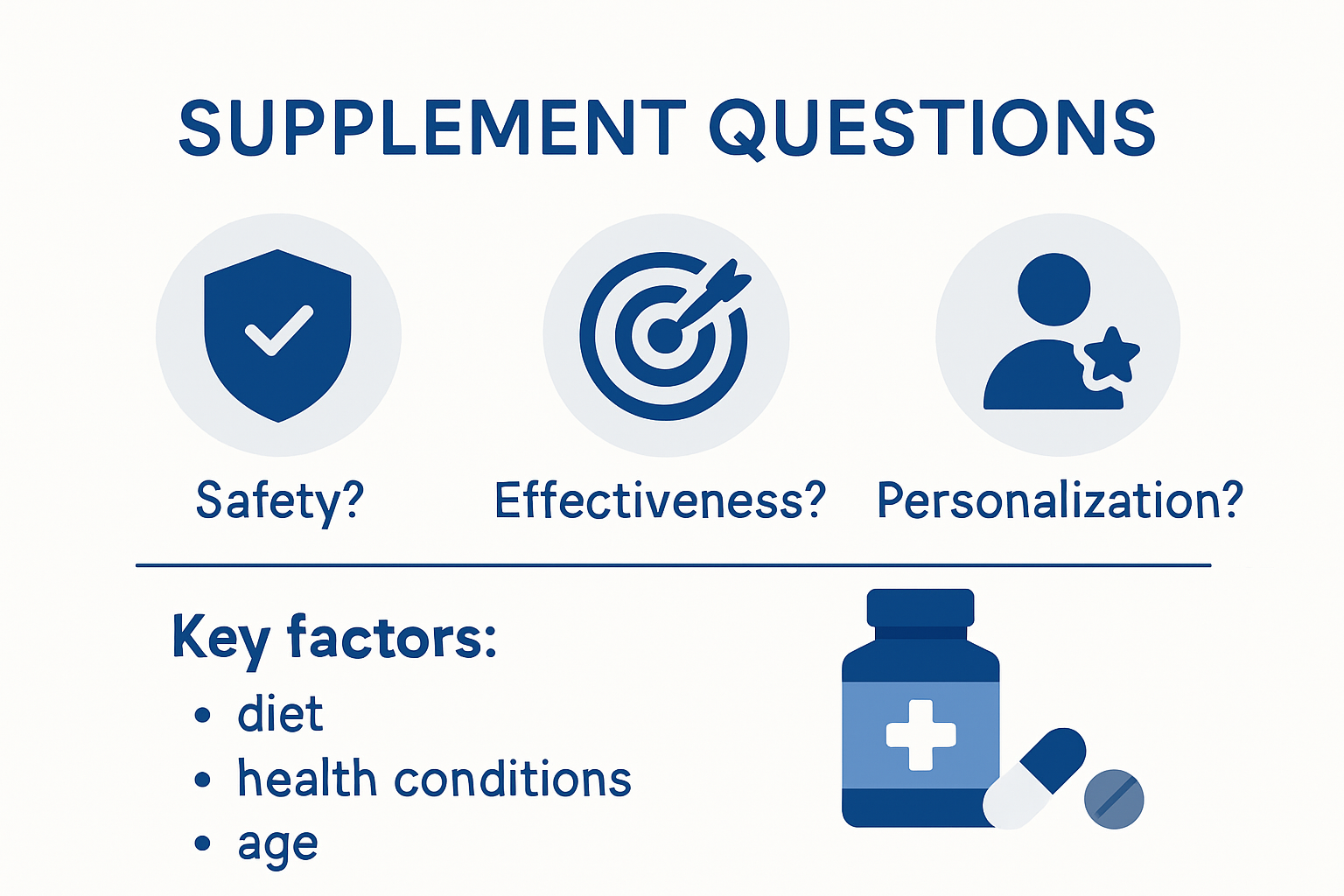
The most frequent questions typically revolve around three critical areas: effectiveness, safety, and personalization. People want to know whether supplements genuinely deliver the promised health benefits, understand potential risks, and determine which nutrients they specifically require.
Science Behind Supplement Effectiveness
Researchers emphasize the importance of evidence based approaches when considering supplement intake. Journal of Nutrition highlights that not all supplements are created equal. Some demonstrate robust scientific backing, while others lack substantial research support.
Key considerations when evaluating supplement effectiveness include:
- Bioavailability: How well the body can absorb and utilize specific nutrients
- Individual Metabolic Variations: Genetic factors influencing nutrient processing
- Quality of Supplementation: Purity, concentration, and manufacturing standards

Personalized Nutrition Strategies
The emerging trend in supplement consumption is moving away from one size fits all approaches. Modern health technology platforms like Menalam are revolutionizing how individuals approach nutritional supplementation by offering AI driven personalized recommendations.
Advanced health tracking methods now allow users to:
- Conduct comprehensive health assessments
- Integrate blood test results for precise nutrient mapping
- Receive dynamically adjusted supplement plans
Individuals seeking optimal health outcomes must recognize that supplement effectiveness is not universal. What works exceptionally well for one person might produce minimal results for another. This variability underscores the critical need for personalized, scientifically validated nutritional strategies.
Consultation with healthcare professionals remains the gold standard for developing a targeted supplement regimen. They can provide insights tailored to your unique physiological profile, ensuring that you make informed decisions about nutritional supplementation.
As health technology continues advancing, the future of supplement recommendations looks increasingly precise, personalized, and powered by data driven insights. The key is to approach supplementation as a strategic, informed process rather than a random selection of products.
Remember: Your body is unique. Your supplement strategy should be too.
Choosing the Right Supplements for Your Goals
Selecting the ideal supplements requires a strategic approach that goes beyond random selection or trendy recommendations. Your nutritional journey demands a personalized method that aligns with specific health objectives, individual physiological needs, and scientifically validated insights.
Identifying Your Nutritional Gaps
Before diving into supplement selection, understanding your unique nutritional landscape is crucial. National Institutes of Health Office of Dietary Supplements recommends a comprehensive assessment that considers multiple factors including age, lifestyle, dietary patterns, existing health conditions, and potential nutrient deficiencies.
Key diagnostic tools for identifying nutritional gaps include:
- Blood Tests: Comprehensive metabolic panels that reveal specific nutrient levels
- Dietary Tracking: Analyzing current nutritional intake for potential deficiencies
- Health History: Understanding genetic predispositions and metabolic characteristics
Research indicates that targeted supplementation can address specific health goals more effectively than generalized approaches. For instance, athletes might require different nutritional support compared to individuals managing chronic health conditions.
Aligning Supplements with Specific Health Objectives
Each health goal demands a nuanced supplement strategy. American Journal of Clinical Nutrition emphasizes that supplement effectiveness directly correlates with how precisely they match individual health requirements.
Common health objectives and corresponding supplement considerations include:
- Performance Enhancement: Focus on protein, creatine, and amino acid supplements
- Immune Support: Prioritize vitamin D, zinc, and vitamin C combinations
- Metabolic Health: Consider omega 3 fatty acids, probiotics, and targeted mineral supplements
Evidence Based Selection Strategies
The NIH Strategic Plan for Dietary Supplements underscores the importance of evidence based supplement selection. This approach involves:
- Examining peer reviewed research
- Consulting healthcare professionals
- Understanding potential interactions with existing medications
- Evaluating supplement quality and manufacturing standards
Advanced platforms like Menalam leverage artificial intelligence to provide tailored supplement recommendations. These technologies analyze comprehensive health data to suggest precise nutritional interventions.
Critical considerations during supplement selection include:
- Verifying third party testing and certification
- Understanding recommended daily allowances
- Recognizing potential side effects or contraindications
- Monitoring long term health impacts
Experts warn against treating supplements as magic solutions. They are complementary tools that work best when integrated with a balanced diet, regular exercise, and overall healthy lifestyle practices.
The future of nutritional supplementation lies in personalization. As scientific understanding deepens and technology advances, individuals can expect increasingly sophisticated, data driven approaches to meeting their unique health goals.
Remember: Supplements are partners in your health journey, not standalone solutions. Approach them with knowledge, strategy, and professional guidance.
Ensuring Safety and Effectiveness of Supplements
Supplements represent a complex landscape where consumer safety intersects with nutritional science. Understanding how to navigate potential risks and validate supplement quality requires a comprehensive, informed approach that goes beyond surface level claims.
Regulatory Landscape and Quality Control
National Institutes of Health reports that dietary supplement regulation differs significantly from pharmaceutical products. The FDA does not require pre market approval for supplements, placing substantial responsibility on consumers and manufacturers to ensure product safety and efficacy.
Key quality control considerations include:
- Third Party Testing: Independent laboratory verification of supplement contents
- Manufacturing Standards: Adherence to Good Manufacturing Practices (GMP)
- Ingredient Transparency: Clear labeling of all active and inactive components
Research from the Journal of Dietary Supplements indicates that approximately 20% of supplements may contain undeclared ingredients or contamination, underscoring the critical need for rigorous verification processes.
Potential Risks and Interaction Considerations
Even natural supplements can pose significant health risks when consumed inappropriately. American Medical Association emphasizes that supplements can interact with prescription medications, potentially causing adverse reactions or reducing treatment effectiveness.
Common interaction risks include:
- Medication Interference: Supplements altering drug metabolism
- Nutrient Overload: Excessive intake leading to potential toxicity
- Unexpected Side Effects: Interactions not immediately apparent
Healthcare professionals recommend comprehensive medical consultation before initiating any new supplement regimen, particularly for individuals with pre existing health conditions or complex medication protocols.
Evidence Based Supplement Selection
The NIH Strategic Plan for Dietary Supplements highlights the importance of evidence based supplement selection. This approach involves critically evaluating scientific research, understanding individual health contexts, and maintaining realistic expectations.
Advanced platforms like Menalam leverage artificial intelligence to provide personalized supplement recommendations that consider individual health profiles, potential risks, and scientific evidence.
Strategies for ensuring supplement safety include:
- Consulting healthcare professionals
- Researching peer reviewed scientific literature
- Monitoring personal health responses
- Purchasing from reputable manufacturers
Experts caution that supplements are not magic solutions but complementary tools in a holistic health strategy. They work best when integrated with balanced nutrition, regular exercise, and comprehensive healthcare management.
The future of supplement safety lies in continued scientific research, advanced testing technologies, and increased consumer education. As our understanding deepens, individuals can make more informed choices about their nutritional supplementation.
Remember: Your health is a complex ecosystem. Supplements are supporting actors, not the main characters in your wellness journey.
Tracking Results and Adjusting Your Supplement Plan
Successful supplement strategies demand more than initial selection they require ongoing monitoring, careful assessment, and dynamic adaptation. Understanding how to effectively track and adjust your nutritional approach can transform supplement usage from a guessing game to a precision health management tool.
Establishing Baseline Measurements
Before initiating any supplement regimen, establishing comprehensive baseline health measurements is crucial. National Institutes of Health recommends conducting thorough initial assessments that go beyond simple blood tests.
Key baseline tracking parameters include:
- Comprehensive Blood Panel: Detailed nutrient level assessments
- Physical Performance Metrics: Strength, endurance, recovery rates
- Metabolic Indicators: Hormone levels, metabolic efficiency
Journal of Nutritional Science emphasizes that precise initial measurements provide the foundation for understanding supplement effectiveness. These baseline readings allow for objective comparison as you progress through your nutritional intervention.
Monitoring and Evaluation Strategies
Effective supplement tracking requires a multifaceted approach. Consumer Health Trends Report indicates that successful supplement users employ multiple evaluation methods.
Recommended tracking techniques include:
- Digital Health Platforms: Utilizing AI driven tracking tools
- Regular Health Assessments: Quarterly comprehensive evaluations
- Symptom and Performance Journals: Documenting subjective and objective changes
Advanced platforms like Menalam leverage artificial intelligence to provide real time insights into supplement effectiveness, allowing for immediate and precise adjustments.
Dynamic Supplementation Approach
The NIH Office of Dietary Supplements highlights the importance of a dynamic, evidence based approach to supplement management. This strategy recognizes that nutritional needs evolve with changing health conditions, lifestyle factors, and individual metabolic responses.
Critical considerations for supplement plan adjustment include:
- Recognizing diminishing effectiveness over time
- Understanding individual metabolic adaptations
- Responding to changes in overall health status
- Integrating new scientific research findings
Experts recommend periodic consultations with healthcare professionals to review and recalibrate supplement strategies. This approach ensures that your nutritional intervention remains aligned with your evolving health objectives.
The future of supplement tracking lies in increasingly sophisticated technologies that provide real time, personalized insights. Artificial intelligence and advanced diagnostic tools will enable more precise, responsive nutritional interventions.
Remember: Your supplement plan is a living strategy, not a static prescription. Stay curious, observant, and proactive in your approach to nutritional optimization.
Frequently Asked Questions
What are the most important factors to consider when choosing supplements?
When selecting supplements, consider your individual nutritional needs, the quality of the product, and scientific evidence supporting its effectiveness. Consulting with healthcare professionals can provide tailored guidance.
How can I identify my nutritional gaps?
Identifying nutritional gaps can be done through blood tests, dietary tracking, and understanding your health history. These methods help pinpoint specific deficiencies that may need to be addressed through supplementation.
Are all dietary supplements safe to use?
Not all supplements are safe; some may interact with medications or have potential side effects. It’s crucial to research supplements, verify quality through third-party testing, and consult healthcare professionals before starting any new regimen.
How do I track the effectiveness of my supplements?
To track the effectiveness of supplements, establish baseline health measurements, utilize digital health platforms for ongoing monitoring, and maintain symptom and performance journals to note any changes in your health.
Ready for Clear, Personalized Supplement Guidance?
Still unsure which supplements are right for your body, or if you are buying into science-backed solutions? After reading about the challenges of choosing safe and effective supplements, it is clear that most people feel overwhelmed by vague advice and one-size-fits-all answers. You want clarity, confidence, and a plan tailored to your unique health profile. With Menalam, turning uncertainty into a step-by-step action plan has never been easier.
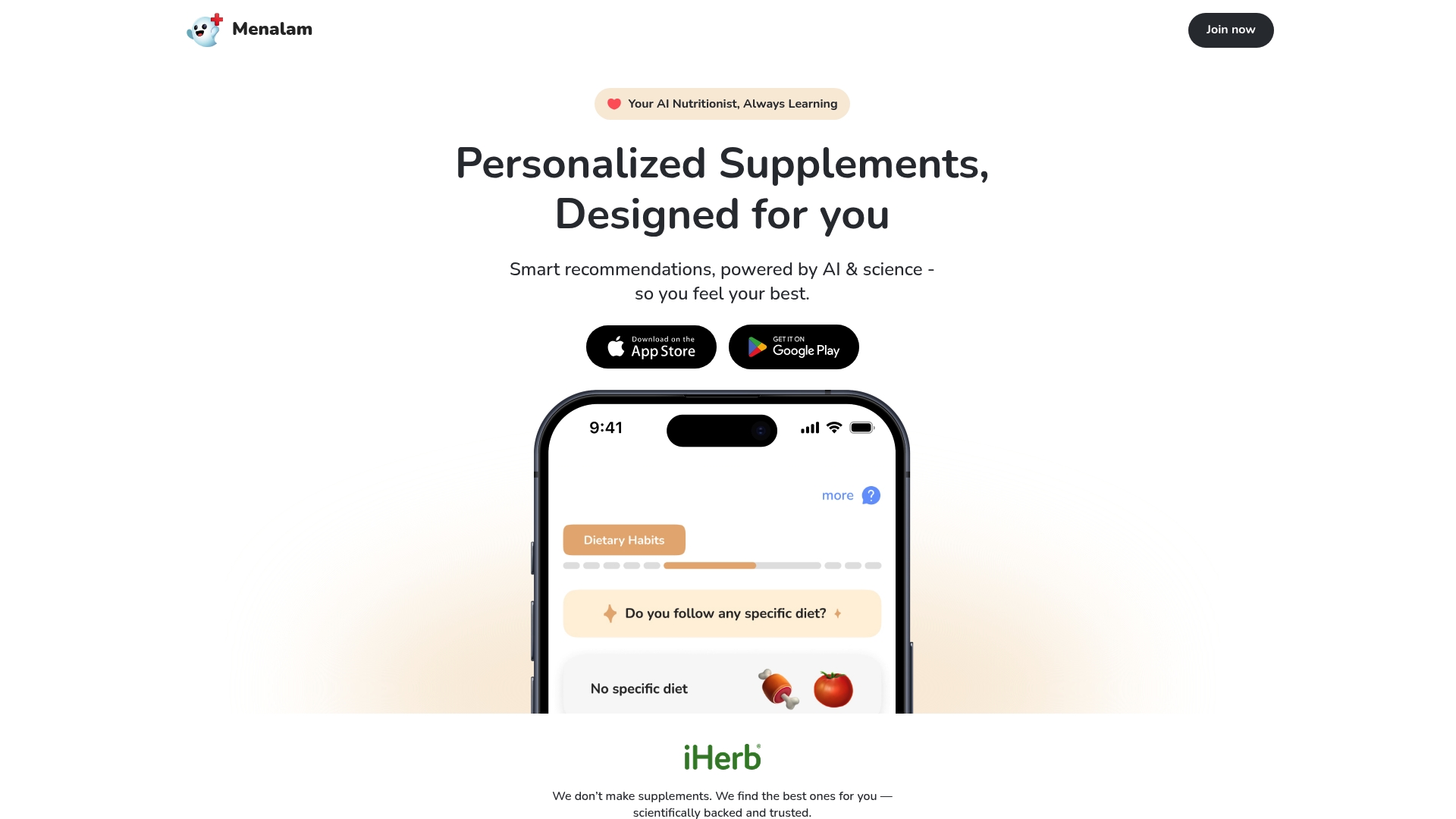
Take the stress out of supplement selection with Menalam’s personalized nutrition platform. Complete a quick health quiz to unlock supplement recommendations designed for your health goals and lifestyle. Our digital nutritionist integrates your health data and keeps you on track with the easy-to-use mobile app. Achieve better results with tailored plans, smart tracking, and trustworthy science. Start your journey to smarter supplement choices today — take control of your health right now.
Leave a Reply