

Dietary supplements sit on shelves everywhere and offer a shortcut to better health, or so it seems. Here’s the surprise. The FDA does not require supplement manufacturers to prove their products work or are safe before hitting the market. Most people assume store-bought supplements are held to the same tough standards as medications, but that is not the case at all. The real key to smart supplementation lies in understanding how to spot quality markers, decode labels, and personalize choices—because what you do not know about these products can have a bigger impact than missing a daily vitamin.
Table of Contents
- What Are Dietary Supplements And How Do They Work?
- Choosing The Right Supplement For Your Health Goals
- Understanding Labels, Safety, And Quality Standards
- Science-Backed Tips For Effective Supplement Use
Quick Summary
| Takeaway | Explanation |
|---|---|
| Choose Supplements Based on Individual Health Needs | Understanding your health profile is crucial for selecting appropriate dietary supplements. Assess factors such as existing health conditions, lifestyle, and age to tailor your supplement strategy effectively. |
| Prioritize Quality and Safety | Select supplements from reputable manufacturers that undergo rigorous third-party testing. Look for clear ingredient labeling and adherence to Good Manufacturing Practices (GMP) to ensure product integrity. |
| Timing and Absorption Matter | Nutrient absorption is influenced by timing and food interactions. For example, take fat-soluble vitamins with meals containing healthy fats and separate mineral supplements to avoid absorption competition. |
| Monitor and Reassess Regularly | Implement ongoing evaluations of your supplementation regimen with healthcare professionals. Annual blood tests and tracking responses can help adjust dosages and ensure safety over time. |
| Educate Yourself on Labels | Be critical when reading supplement labels; focus on the Supplement Facts Panel and avoid products that make extravagant health claims, which may indicate lack of credibility. |
What Are Dietary Supplements and How Do They Work?
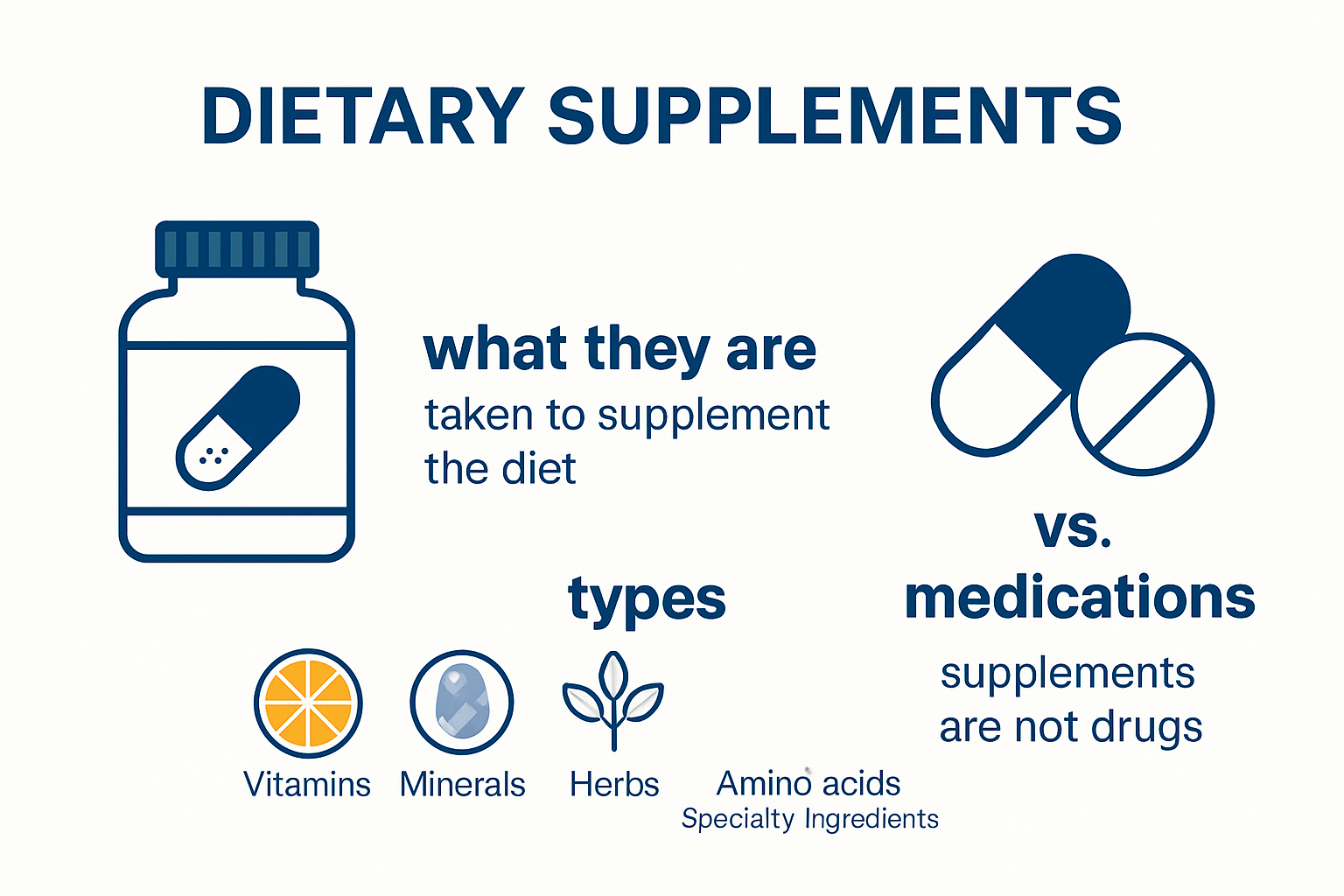
Dietary supplements represent a complex and nuanced approach to nutritional support that goes beyond traditional eating habits. These products are concentrated sources of nutrients designed to supplement an individual’s dietary intake when regular food consumption might not provide complete nutritional requirements.
The Fundamental Nature of Dietary Supplements
At their core, dietary supplements are specialized products containing vitamins, minerals, herbs, amino acids, or other dietary ingredients intended to augment nutritional intake. The National Institutes of Health defines these products as substances taken orally that contain a dietary ingredient meant to complement the diet.
Understanding dietary supplement basics requires recognizing that these products come in multiple formats – tablets, capsules, powders, drinks, and even energy bars. Their primary purpose is not to replace balanced nutrition but to fill potential nutritional gaps that might exist in an individual’s diet.
Mechanism of Nutritional Intervention
The biochemical mechanisms through which dietary supplements work are intricate and multifaceted. When introduced into the body, these concentrated nutrients interact with metabolic pathways to support various physiological functions. Bioavailability becomes a critical factor determining how effectively the body can absorb and utilize these supplemental nutrients.
For instance, certain supplements like vitamin D work by supporting calcium absorption and bone health, while omega-3 fatty acid supplements can help manage inflammation and support cardiovascular function. Research from Harvard School of Public Health suggests that targeted supplementation can address specific nutritional deficiencies more precisely than generalized dietary interventions.
Quality and Regulatory Considerations
Not all dietary supplements are created equal. The Food and Drug Administration maintains regulatory oversight, but the standards differ significantly from pharmaceutical medications. Consumers must exercise discernment when selecting supplements, prioritizing products from reputable manufacturers that undergo rigorous testing.
Key factors to consider include:
- Ingredient Transparency: Clear labeling of all components
- Third-Party Testing: Independent verification of supplement contents
- Scientific Formulation: Evidence-based nutrient combinations
Critical to understanding dietary supplement basics is recognizing that these products are supplemental tools, not miracle solutions. They work best when integrated into a holistic approach to nutrition that includes balanced eating, regular exercise, and personalized health monitoring.
Individuals considering dietary supplements should consult healthcare professionals who can provide personalized guidance based on specific health profiles, potential interactions with existing medications, and individual nutritional needs. The goal is not blanket supplementation but strategic, targeted nutritional support.
Choosing the Right Supplement for Your Health Goals
Selecting the appropriate dietary supplement requires a strategic approach that goes beyond random selection or following trendy recommendations. Your individual health goals, physiological needs, and personal wellness journey play crucial roles in determining the most effective supplementation strategy.

Assessing Your Individual Health Profile
Before diving into supplement selection, understanding your unique health landscape becomes paramount. A comprehensive health assessment involves multiple dimensions beyond simple nutritional deficiency screening. Research from Mayo Clinic suggests that personalized supplementation starts with a thorough evaluation of several key factors.
Key Assessment Areas:
- Current diet and nutritional intake
- Existing health conditions
- Lifestyle factors
- Age and gender-specific nutritional requirements
- Potential genetic predispositions
Professional healthcare providers can conduct comprehensive blood tests and metabolic screenings to identify precise nutritional gaps. These diagnostics offer insights that generic recommendations cannot provide, enabling a targeted supplementation approach.
Strategic Supplement Selection Criteria
Choosing dietary supplements demands careful consideration of multiple variables. The National Institutes of Health recommends evaluating supplements through a multifaceted lens that encompasses efficacy, safety, and individual compatibility.
Critical selection criteria include:
- Scientific Validation: Supplements backed by peer-reviewed research
- Quality Manufacturing: Third-party tested products
- Bioavailability: Nutrients in forms easily absorbed by the body
- Potential Interactions: Understanding how supplements might interact with medications or other nutrients
Individuals with specific health objectives such as athletic performance, immune support, or managing chronic conditions require nuanced supplement strategies. For instance, athletes might prioritize protein supplements and branched-chain amino acids, while individuals managing stress might focus on adaptogenic herbs.
Personalized Supplementation Strategies
The future of dietary supplementation lies in personalized nutrition. Advanced approaches now incorporate comprehensive health data, genetic insights, and ongoing monitoring to create dynamic supplement recommendations. Harvard Health Publishing emphasizes that one-size-fits-all approaches are becoming obsolete.
Effective personalized strategies involve:
- Regular health assessments
- Tracking supplement effectiveness
- Adjusting recommendations based on changing health metrics
- Integrating supplement intake with overall wellness plans
Technology platforms like Menalam are revolutionizing this space by offering AI-driven personalized supplement recommendations. These systems analyze individual health profiles, lifestyle factors, and ongoing health data to provide dynamically updated nutritional support.
Ultimately, choosing the right supplement is not about consuming maximum quantities but about strategic, targeted nutritional intervention. Consultation with healthcare professionals, continuous monitoring, and a holistic approach to wellness remain fundamental to successful supplementation.
Understanding Labels, Safety, and Quality Standards
Navigating the complex world of dietary supplement labels requires a critical eye and comprehensive understanding of regulatory standards. Consumers must develop sophisticated skills to decode product information and assess the genuine quality and safety of nutritional supplements.
Decoding Supplement Labels
Understanding supplement labels is more than a casual glance at packaging. The Food and Drug Administration provides guidelines that help consumers interpret critical information about supplement composition and potential health impacts.
Key label components demand careful scrutiny:
- Supplement Facts Panel: Details serving size, active ingredients, and percentage of daily recommended values
- Ingredient List: Reveals complete composition, including potential allergens
- Manufacturer Information: Provides traceability and accountability
- Dosage Recommendations: Indicates appropriate consumption guidelines
Consumers should be wary of labels making extraordinary claims. National Institutes of Health warns that statements like “miracle cure” or “guaranteed results” often signal questionable product integrity.
Safety and Quality Control Standards
Quality control in dietary supplements extends far beyond marketing promises. Rigorous testing and verification processes separate reputable supplements from potentially harmful alternatives. The United States Pharmacopeia establishes stringent standards that responsible manufacturers voluntarily adopt.
Verification Mechanisms:
- Third-party laboratory testing
- Batch-specific quality control
- Contamination screening
- Ingredient purity assessment
Proper manufacturing practices involve comprehensive tracking from raw material sourcing to final product distribution. Consumers should prioritize supplements manufactured in facilities adhering to Good Manufacturing Practices (GMP) certified by recognized regulatory bodies.
Identifying Potential Risks and Interactions
Comprehensive supplement safety requires understanding potential interactions and individual health considerations. Research from Mayo Clinic highlights the importance of professional consultation before beginning any supplementation regimen.
Risks can emerge from:
- Inappropriate dosage
- Interactions with prescription medications
- Underlying health conditions
- Individual metabolic variations
Technology platforms like Menalam are pioneering personalized approaches that integrate individual health data to provide safer, more targeted supplement recommendations. These systems analyze potential interactions and individual health profiles to minimize risks.
Effective supplement consumption transcends simple product selection. It demands an informed approach combining scientific understanding, careful label interpretation, and personalized health insights. Consumers must remain proactive, questioning product claims and prioritizing evidence-based nutritional strategies.
Science-Backed Tips for Effective Supplement Use
Effective supplement use requires more than simply consuming recommended doses. A strategic, scientifically informed approach ensures maximum nutritional benefit while minimizing potential risks associated with improper supplementation.
Timing and Absorption Optimization
Nutrient absorption is a complex biochemical process influenced by multiple factors. Harvard School of Public Health highlights that supplement effectiveness depends significantly on consumption timing and interaction with other nutrients.
Strategic Consumption Principles:
- Take fat-soluble vitamins (A, D, E, K) with meals containing healthy fats
- Separate mineral supplements to prevent competitive absorption
- Consider circadian rhythms when timing certain supplements
Some supplements demonstrate enhanced bioavailability when consumed under specific conditions. For example, calcium absorption increases when taken in smaller doses spread throughout the day, while iron supplements are best absorbed on an empty stomach.
Personalized Supplement Protocols
Individualized supplementation strategies surpass generic recommendations. The National Institutes of Health emphasizes that nutritional needs vary dramatically based on individual metabolic profiles, genetic predispositions, and lifestyle factors.
Effective personalization involves:
- Regular comprehensive health assessments
- Tracking individual response to supplementation
- Adapting protocols based on measurable health metrics
- Considering age, gender, activity level, and existing health conditions
Platforms like Menalam leverage artificial intelligence to create dynamically updated supplement recommendations that adapt to changing health parameters.
Monitoring and Long-Term Safety
Supplementing responsibly requires ongoing evaluation and professional guidance. Mayo Clinic recommends periodic reassessment of supplement regimens to ensure continued relevance and safety.
Key monitoring strategies include:
- Annual comprehensive blood tests
- Consultation with healthcare professionals
- Tracking potential side effects
- Understanding cumulative nutrient interactions
Research indicates that long-term supplement use requires a nuanced approach. Excess supplementation can lead to potential health risks, including nutrient toxicity and metabolic imbalances. Periodic professional evaluation helps mitigate these risks.
Scientifically informed supplement use transcends simple consumption. It requires a holistic understanding of individual physiological needs, strategic timing, and continuous health monitoring. Consumers must approach supplementation as a dynamic, personalized health optimization strategy rather than a static intervention.
Frequently Asked Questions
What are dietary supplements?
Dietary supplements are products that contain vitamins, minerals, herbs, amino acids, or other dietary ingredients intended to enhance your nutritional intake. They come in various forms, such as tablets, capsules, powders, and more.
How do I choose the right dietary supplement for my health goals?
To choose the right supplement, assess your individual health profile, consider your dietary needs and lifestyle, and consult with a healthcare professional. Tailor your selection based on scientific validation and safety criteria.
What should I look for on dietary supplement labels?
When reviewing supplement labels, focus on the Supplement Facts Panel for serving sizes and active ingredients, the ingredient list for potential allergens, and any quality verification marks, such as third-party testing certifications.
Are dietary supplements safe to use?
While many dietary supplements can be safe, their regulation is not as stringent as medications. It’s essential to choose products from reputable manufacturers, consult with healthcare professionals, and monitor for any potential interactions with medications or health conditions.
Transform Supplement Uncertainty Into Personalized Confidence
Struggling to figure out which supplement truly matches your health needs? The article highlighted how overwhelming it is to decode supplement labels, worry about safety, and choose the right nutrients without expert guidance. If you’re feeling anxious about making a mistake or missing out on benefits, you are not alone. Your health deserves accurate solutions, not guesswork.
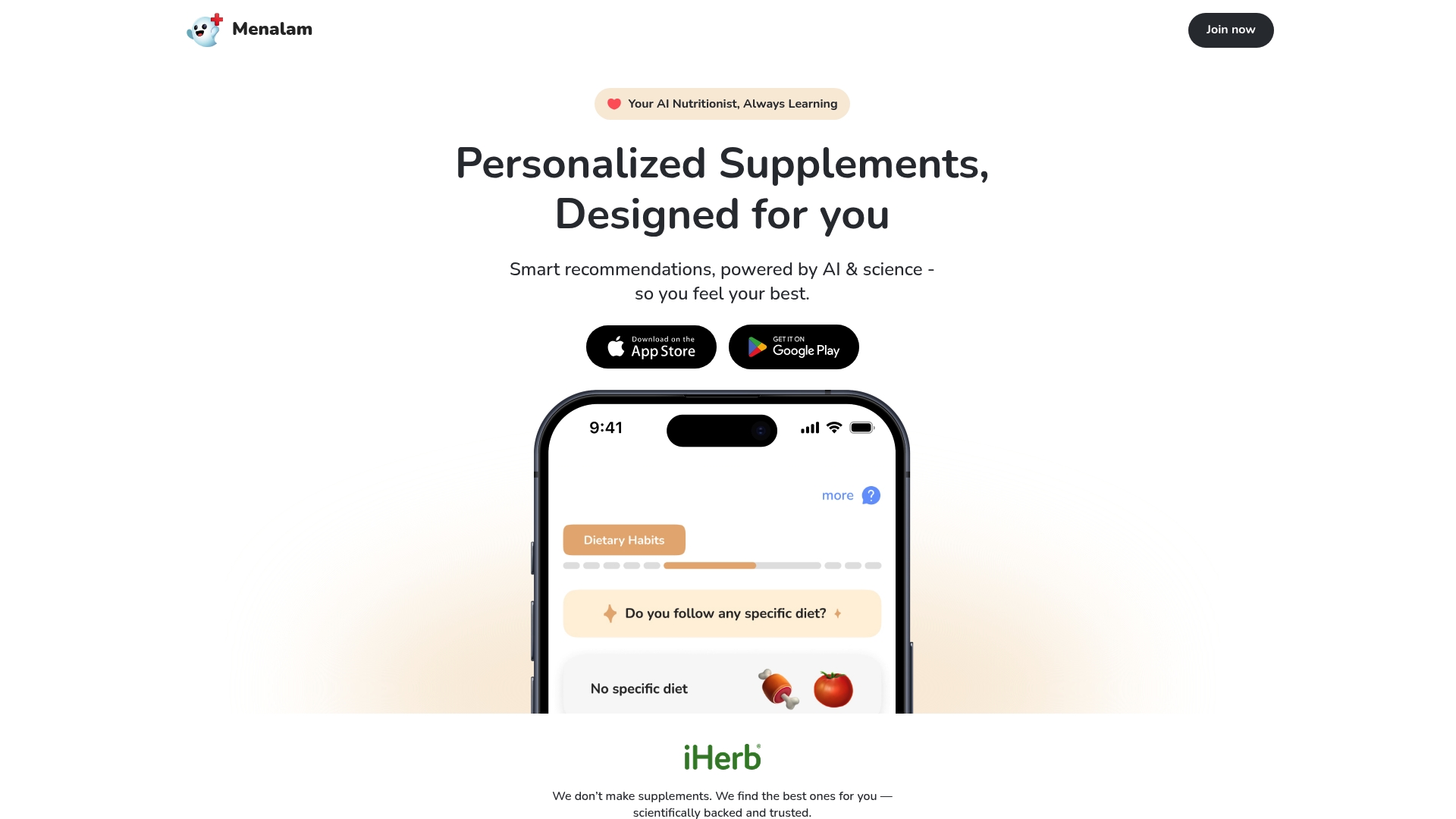
Stop worrying about hidden dangers or generic advice. Discover how Menalam uses the power of artificial intelligence to create personalized supplement plans tailored to your unique health profile, lifestyle, and goals. Complete a quick health quiz for instant, science-backed recommendations and take control with our app that tracks your progress and sends timely reminders. Join the new era of smart nutrition today at Menalam and finally unlock clarity in your supplement routine. Your future self will thank you for starting now.
Leave a Reply