

Nutrition in 2025 is all about you, not some generic plan. The personalized nutrition market is exploding and is projected to reach $17.9 billion by 2025, making it one of the fastest growing segments in wellness. Forget the bland advice of the past. Now even your genetic blueprint, your sleep, and your stress levels come together for a nutrition plan that’s as unique as your fingerprint. The real surprise? The food on your plate can now act as targeted medicine—backed by science and tailored by technology. One-size-fits-all is out. Precision and personalization are in, and the data might just change how you eat forever.
Table of Contents
- Personalized Nutrition: Creating Your Wellness Plan
- Science-Backed Foods To Boost Your Wellbeing
- Tracking Progress And Staying Motivated
- Supplements For Active And Healthy Lifestyles
Quick Summary
| Takeaway | Explanation |
|---|---|
| Personalized Nutrition is Key | By 2025, personalized nutrition focuses on tailoring dietary recommendations to individual genetic and metabolic profiles, moving beyond generic dietary advice. |
| Holistic Wellness Approach | Successful wellness strategies integrate nutrition with lifestyle, stress management, and preventive health, creating a comprehensive framework for overall well-being. |
| Science-Backed Food Choices | Foods like turmeric, fatty fish, and berries have proven benefits for fighting inflammation and preventing chronic diseases, underscoring that nutrition is a powerful wellness tool. |
| Technology in Tracking Progress | Use modern technology and apps to set SMART goals, monitor dietary intake, and adjust wellness strategies based on real-time data for effective health management. |
| Strategic Supplementation | Supplements have evolved into personalized tools that support specific health objectives, emphasizing the need for targeted formulations rather than one-size-fits-all products. |
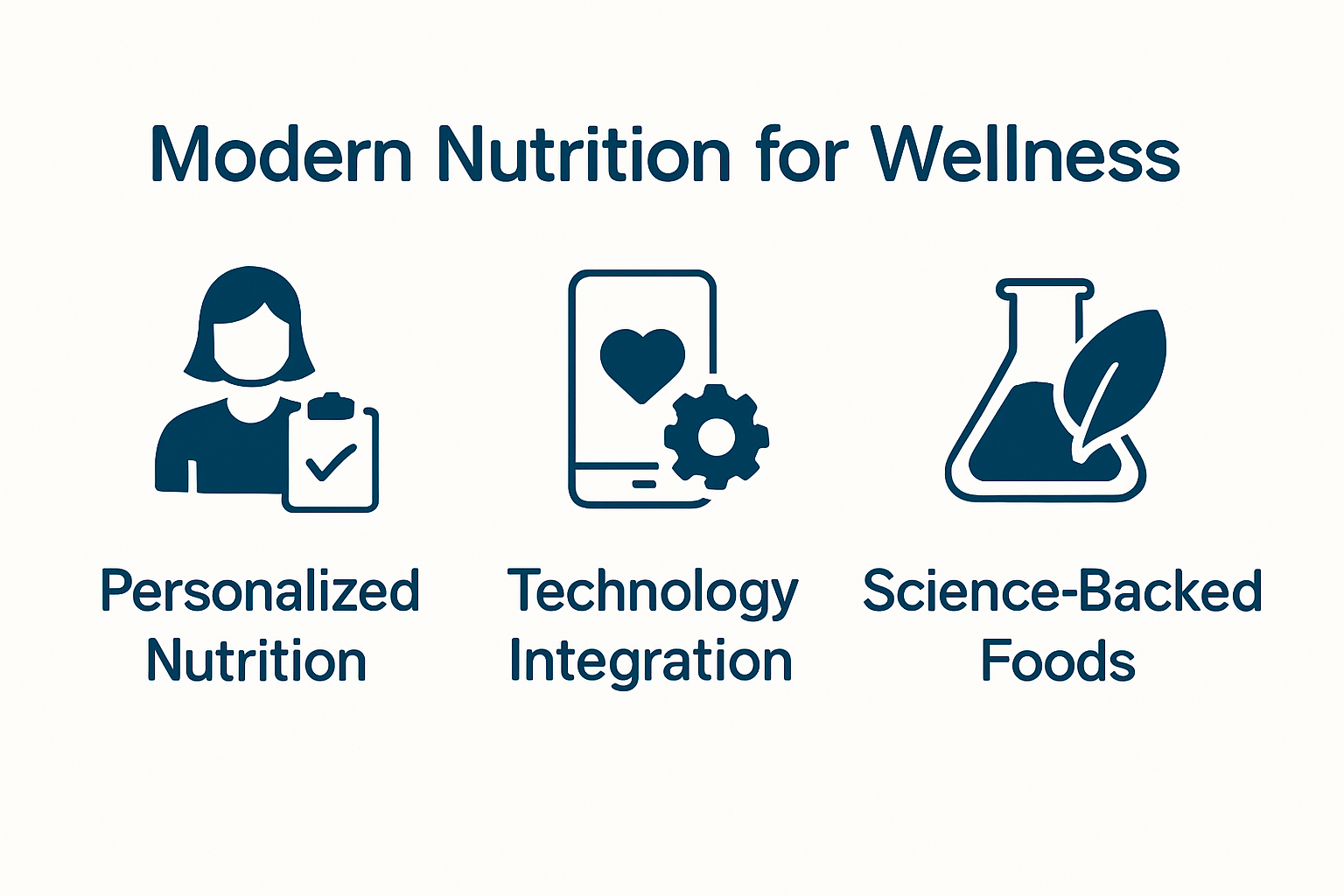
Personalized Nutrition: Creating Your Wellness Plan
The future of nutrition is not about generic dietary recommendations but precision approaches tailored to individual needs. By 2025, personalized nutrition has transformed from a trend to a scientific strategy that understands each person’s unique physiological blueprint.
Understanding Your Nutritional Genetic Landscape
Genetic testing and advanced metabolic profiling now enable incredibly precise nutritional recommendations. Your genetic markers reveal critical insights about how your body processes nutrients, metabolizes different food groups, and responds to specific dietary interventions. For instance, genetic variations can determine how efficiently you absorb vitamins, your predisposition to inflammation, or your body’s insulin sensitivity.
According to Precedence Research, the global personalized nutrition market is projected to reach $17.9 billion in 2025, signaling a massive shift towards individualized health strategies. This growth reflects consumers’ increasing desire for nutrition plans that go beyond generic advice and truly understand their unique physiological requirements.
Integrating Technology and Nutrition Science
Modern personalized nutrition leverages artificial intelligence and data analytics to create comprehensive wellness plans. Sophisticated algorithms analyze multiple data points: genetic information, blood test results, lifestyle factors, activity levels, and even gut microbiome composition. These technologies can predict potential nutritional deficiencies, recommend targeted supplement interventions, and create dynamic nutrition plans that adapt as your health evolves.
Global Wellness Institute experts emphasize that personalized nutrition now addresses specific “need states” such as cognitive health, joint support, cardiovascular wellness, and metabolic optimization. This means your nutrition plan isn’t just about calories or macronutrients but about strategic interventions targeting your specific health goals.
Holistic Approach to Personalized Wellness
True personalized nutrition extends beyond dietary recommendations. It encompasses a holistic view of wellness that integrates nutrition with lifestyle modifications, stress management, sleep optimization, and preventive health strategies. The goal is not just to provide nutritional guidance but to create a comprehensive framework that supports your overall well-being.
As nutrition expert Stefani Sassos notes, “There is no one-size-fits-all approach to diet.” Your personalized nutrition plan should be as unique as your fingerprint, considering factors like age, gender, genetic predispositions, activity level, and specific health objectives.
By embracing personalized nutrition, you are not just consuming food. You are strategically fueling your body with precisely what it needs to function at its highest potential. The future of nutrition is here, and it is meticulously tailored to you.
Science-Backed Foods to Boost Your Wellbeing
Nutrition is not just about consuming calories. It is about strategically selecting foods that actively support your body’s health, prevent disease, and optimize performance. Modern science reveals that certain foods possess extraordinary capabilities to enhance wellness far beyond basic sustenance.
Anti-Inflammatory Nutritional Powerhouses
Chronic inflammation is a silent health disruptor linked to numerous diseases. Your food choices can be powerful weapons against this internal threat. Global Wellness Institute research highlights specific foods that combat inflammation effectively.
Turmeric stands out as a remarkable anti-inflammatory agent. Its active compound, curcumin, has been scientifically proven to reduce inflammatory markers. Fatty fish like salmon and mackerel, rich in omega-3 fatty acids, also play a crucial role in dampening inflammatory responses. Leafy greens such as spinach and kale contain powerful antioxidants that neutralize free radicals and support cellular health.
Gut Health and Immune System Support

Your gut microbiome is a complex ecosystem that directly influences overall wellness. Modify Health experts emphasize the critical connection between dietary choices and immune function. Probiotic-rich foods like yogurt, kefir, and fermented vegetables introduce beneficial bacteria that strengthen digestive health and boost immune response.
High-fiber foods serve as prebiotics, providing nourishment for good gut bacteria. Legumes, whole grains, fruits, and vegetables create an optimal environment for microbiome diversity. This nutritional strategy not only supports digestive health but also enhances metabolic function and reduces inflammation.
Nutrient-Dense Foods for Chronic Disease Prevention
Wellness is fundamentally about prevention. Whole foods offer a comprehensive approach to reducing chronic disease risks. Research consistently demonstrates that diets rich in fruits, vegetables, whole grains, and lean proteins can significantly lower the probability of developing conditions like diabetes, hypertension, and cardiovascular disease.
Consider these nutritional champions: berries packed with antioxidants, green tea loaded with polyphenols, dark chocolate with its heart-protective flavonoids, and herbs and spices that provide concentrated nutrition. Each bite becomes an investment in your long-term health.
The science is clear: food is not just fuel. It is medicine. By making informed, strategic dietary choices, you transform nutrition from a basic necessity into a powerful wellness tool. Your plate becomes a prescription for vitality, resilience, and optimal health.
Tracking Progress and Staying Motivated
Achieving optimal wellness is a dynamic journey that requires consistent monitoring, strategic adaptation, and sustained motivation. In 2025, technology and scientific methodologies have revolutionized how individuals track and maintain their nutrition and health progress.
Establishing Measurable Nutrition Goals
Successful wellness strategies begin with setting clear, actionable objectives. World Health Organization experts recommend developing SMART goals: Specific, Measurable, Achievable, Relevant, and Time-bound. This approach transforms vague health intentions into concrete, trackable milestones.
For instance, instead of a generic goal like “eat healthier,” you might set a precise target such as “consume five servings of vegetables daily for the next three months” or “reduce processed sugar intake by 50% within eight weeks.” These specific goals provide clear benchmarks for measuring your nutritional progress and maintaining motivation.
Technology-Driven Progress Monitoring
Modern nutrition tracking goes far beyond traditional food diaries. Advanced mobile applications and wearable technologies now offer comprehensive health monitoring capabilities. These tools can analyze your nutrient intake, track metabolic changes, monitor physiological markers, and provide real-time feedback on your wellness journey.
Global Nutrition Report researchers emphasize the importance of continuous self-assessment. By integrating data from multiple sources—including blood tests, activity levels, sleep patterns, and dietary logs—you can create a holistic view of your nutritional health. This multifaceted approach allows for precise adjustments and personalized optimization of your wellness strategy.
Psychological Strategies for Sustained Motivation
Tracking progress is not just about numbers. It is about understanding your body’s unique responses and maintaining psychological momentum. Successful wellness journeys incorporate strategies that keep you engaged and inspired. This means celebrating incremental achievements, understanding that progress is not linear, and developing a growth mindset.
Experts recommend creating visual representations of your progress, such as graphs tracking nutrient intake, weight changes, or energy levels. Seeing tangible evidence of improvement can be incredibly motivating. Additionally, connecting with support communities, whether online or in-person, provides accountability and emotional encouragement.
Remember, your wellness journey is uniquely yours. Tracking is not about perfection but about consistent, compassionate progress. By combining scientific tools, clear goal-setting, and supportive psychological strategies, you transform health tracking from a mundane task into an empowering exploration of your body’s potential.
Every data point, every small improvement, is a step toward a more vibrant, healthier version of yourself. Embrace the journey, celebrate your progress, and stay committed to your wellness goals.
Supplements for Active and Healthy Lifestyles
In 2025, supplements are no longer generic pills but sophisticated nutritional tools designed to support individual wellness goals. The landscape of supplementation has transformed, offering targeted solutions for people with active and dynamic lifestyles.
Understanding Modern Supplement Strategies
Personalized nutrition is driving revolutionary changes in supplement development. Kemin Research reveals that over 50% of global consumers find genetic nutrition testing appealing, indicating a significant shift towards customized supplement approaches. This trend reflects a growing understanding that nutritional needs vary dramatically between individuals based on genetics, lifestyle, and health objectives.
Active individuals now seek supplements that do more than provide basic nutrients. They want targeted formulations that support specific performance goals, enhance recovery, optimize metabolic function, and address unique physiological requirements. The era of one-size-fits-all supplementation is definitively over.
Botanical and Natural Supplement Innovations
The Business Research Company projects the botanical supplements market will reach $66.7 billion in 2025, driven by increasing demand for plant-based, natural products. This surge reflects consumers’ preference for supplements derived from whole food sources and botanical extracts that offer complex nutritional profiles.
Modern botanical supplements go beyond traditional vitamins. They incorporate adaptogens like ashwagandha for stress management, medicinal mushrooms for immune support, and specialized herbal blends designed to enhance cognitive function, energy metabolism, and overall resilience. These supplements represent a holistic approach to nutritional support, leveraging nature’s most potent healing compounds.
Strategic Supplementation for Performance and Wellness
Global Newswire reports the dietary supplements market is projected to grow from $203.42 billion in 2025 to $402.20 billion by 2034. This exponential growth signals a profound shift in how people view supplementation—not as optional additions but as strategic investments in personal health and performance.
For active individuals, strategic supplementation might include:
- Protein powders optimized for muscle recovery
- Micronutrient blends tailored to support high-intensity training
- Adaptogenic complexes designed to manage stress and enhance mental clarity
- Recovery formulations that reduce inflammation and support tissue repair
The key is understanding that supplements are most effective when integrated thoughtfully into a comprehensive wellness strategy. They complement—not replace—a balanced diet, regular exercise, and mindful lifestyle practices.
Welcome to the new era of supplementation: precise, personalized, and powerfully aligned with your unique health journey. Your supplements are no longer generic products but sophisticated tools crafted to unlock your body’s full potential.
Frequently Asked Questions
What is personalized nutrition and why is it important?
Personalized nutrition tailors dietary recommendations to individual characteristics such as genetics, metabolism, and lifestyle. It is important because it moves away from generic advice to strategies that cater specifically to an individual’s unique health needs, enhancing overall wellness.
How can technology enhance my nutrition plan?
Technology enhances nutrition plans by utilizing data analytics and artificial intelligence to create personalized dietary recommendations. It tracks various metrics such as genetic data, blood tests, and lifestyle factors to optimize nutritional intake and adapt the plan as your health changes.
What foods should I include in my diet for better wellness in 2025?
Include anti-inflammatory foods like turmeric and fatty fish, gut-supporting probiotics from yogurt and fermented veggies, and nutrient-dense fruits and vegetables to promote chronic disease prevention, optimize performance, and support overall health.
How do I track my progress in my nutrition goals?
Track your progress by setting SMART goals—Specific, Measurable, Achievable, Relevant, and Time-bound. Use nutrition tracking apps and wearable technology to monitor your dietary intake and physiological changes, ensuring you can make data-driven adjustments to your wellness strategies.
Take Control of Your Personalized Nutrition Journey in 2025
Do you find yourself overwhelmed by generic nutrition advice that never seems to fit your unique needs? The article highlighted how one-size-fits-all plans are outdated and how critical it is to translate your genetic and lifestyle data into an actionable plan. If you are ready for a diet and supplement strategy that listens to your body, Menalam can help you bridge the gap from knowledge to real results.
Experience how easy it is to design your personalized wellness path with Menalam’s digital nutritionist. Get tailored supplement recommendations in minutes—backed by science and adjusted to your individual goals—with just a simple quiz. Track your progress, sync health data, and receive smart reminders using our mobile app to stay motivated and consistent. Your health is too important to leave to guesswork. Start your journey today at Menalam and make 2025 your healthiest year yet.
Leave a Reply