
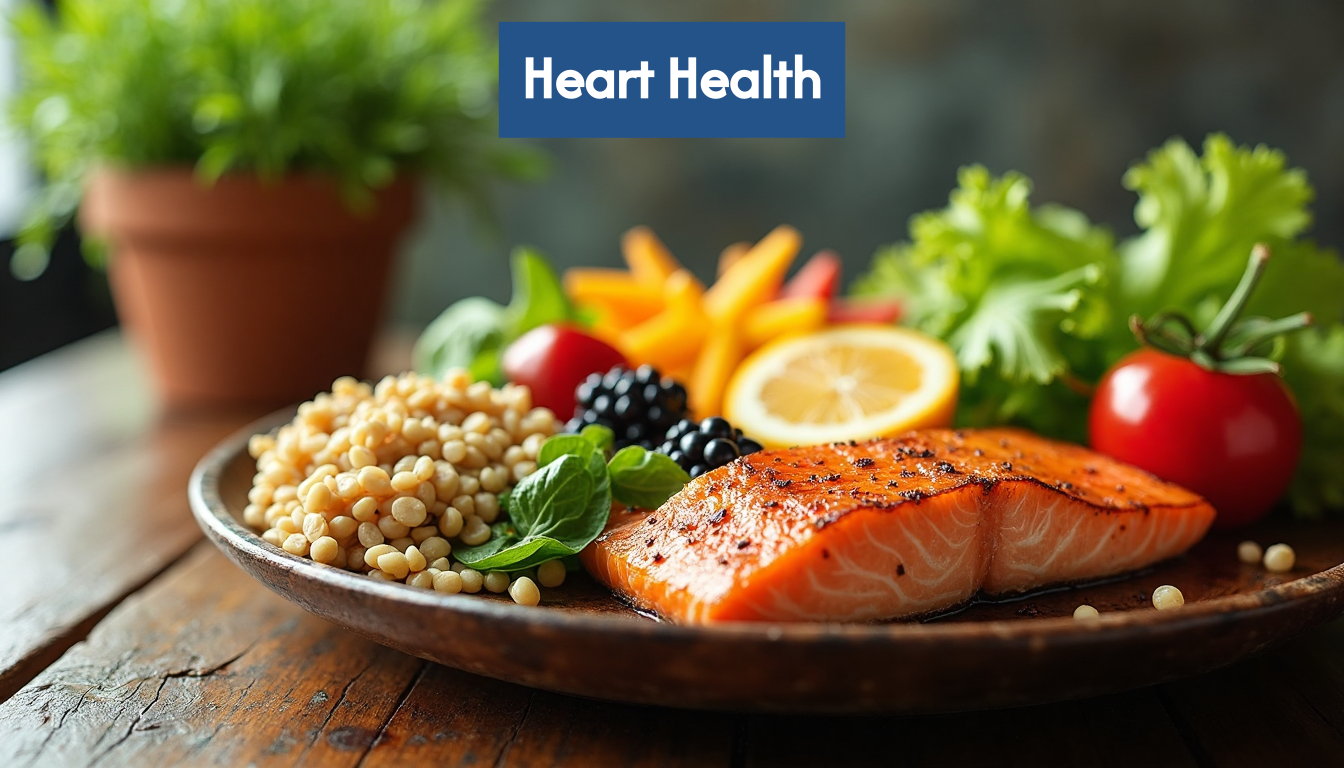
Heart health nutrition really is the bedrock of lifelong wellness, and the foods you eat can change your odds in a major way. Here is something that might stop you in your tracks. Research shows that eating a diet packed with fruits and vegetables can cut cardiovascular disease risk by as much as 26 percent. Still, eating leafy greens and salmon is not the big secret everyone thinks it is. The twist is that new breakthroughs in personalized nutrition and smart health tracking tools are giving people far more control over their heart health than ever before.
Table of Contents
- Key Foods That Boost Heart Health
- Personalized Nutrition Plans For Your Lifestyle
- Science-Backed Supplements For A Healthy Heart
- Tracking Progress: Tools And Expert Tips
Quick Summary
| Takeaway | Explanation |
|---|---|
| Adopt the DASH Diet | The DASH diet emphasizes nutrient-dense foods like leafy greens, berries, and whole grains to significantly support cardiovascular health and lower disease risk by 12% to 26%. |
| Implement Personalized Nutrition | Personalized nutrition plans, tailored to individual metabolic profiles, can optimize heart health by considering unique genetic predispositions, lifestyle factors, and specific dietary needs. |
| Incorporate Science-Backed Supplements | Evidence-based supplements, such as omega-3 fatty acids and folic acid, can complement a healthy diet in reducing cardiovascular disease risk, but should not replace healthy lifestyle choices. |
| Utilize Advanced Tracking Tools | Employ advanced nutrition and health monitoring tools, like Cronometer and SmartVitals, to gain insights into dietary intake and cardiovascular parameters for more informed health management. |
| Maintain Consistent Monitoring | Regular health assessments and adaptation of nutritional strategies based on tracking data are crucial for sustaining optimal heart health over time. |
Key Foods That Boost Heart Health
Nutrition plays a critical role in maintaining optimal heart health. The foods you consume directly impact cardiovascular function, inflammation levels, and overall heart performance. Understanding which foods provide maximum cardiac protection can transform your dietary approach and reduce potential heart disease risks.
Nutrient Dense Heart Champions
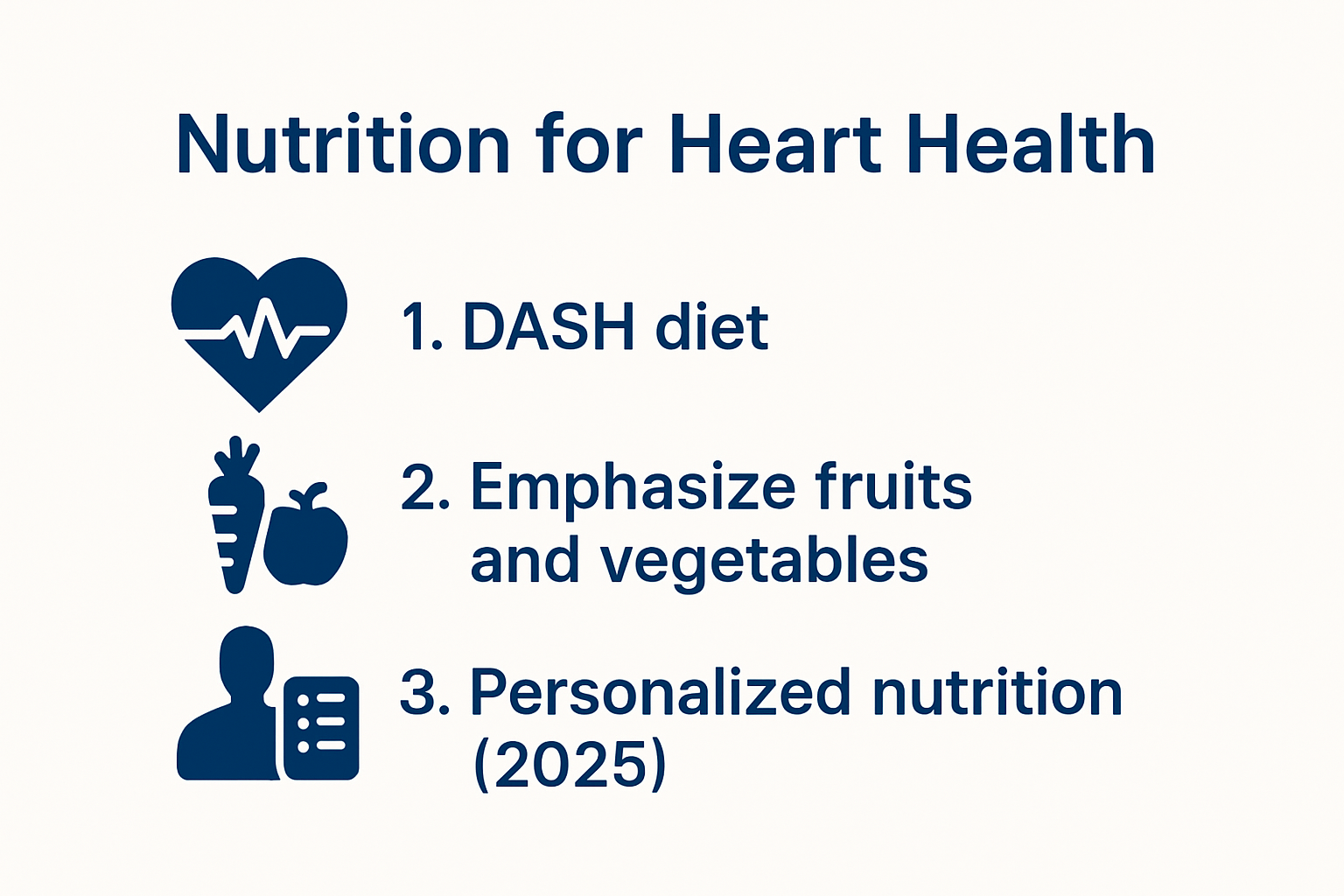
The DASH diet, recognized as the top heart-healthy diet for 2025, emphasizes whole food groups that significantly support cardiovascular wellness. This dietary approach prioritizes consuming foods rich in essential nutrients that combat heart disease risk factors.
Specific heart-protective food categories include:
- Leafy Greens: Packed with nitrates and antioxidants that improve blood vessel function
- Berries: Contain powerful compounds that reduce inflammation and support arterial health
- Whole Grains: Provide fiber and minerals that help regulate cholesterol levels
Research from Harvard Health demonstrates that diets abundant in fruits and vegetables can lower cardiovascular disease risk by 12% to 26%. The key is consistent consumption of nutrient-rich, minimally processed foods.
Strategic Nutritional Choices
Making intelligent dietary selections goes beyond simply avoiding unhealthy options. Strategic nutrition involves deliberately incorporating foods with scientifically proven heart benefits. Omega-3 rich fish like salmon, sardines, and mackerel provide anti-inflammatory properties that protect blood vessels and reduce potential cardiac stress.
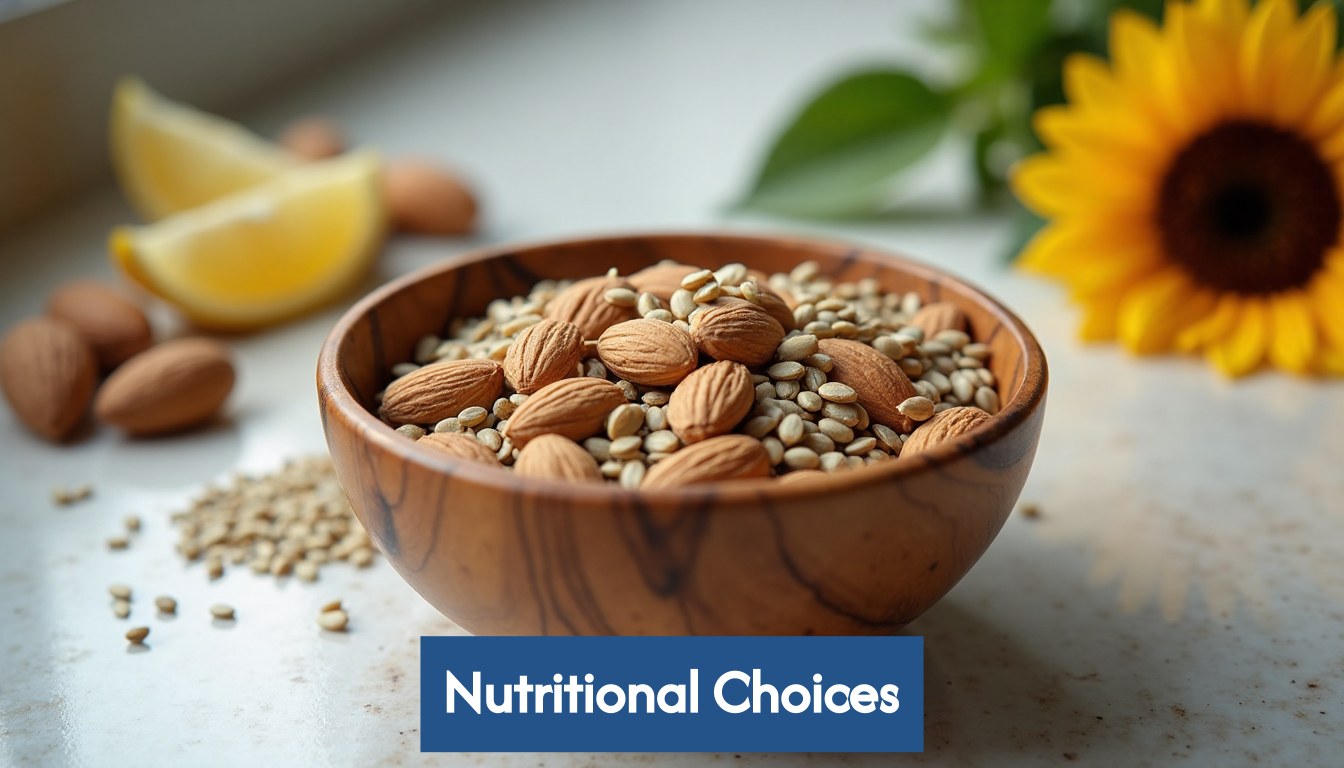
Nuts and seeds emerge as another powerful heart health category. Almonds, walnuts, and chia seeds contain monounsaturated fats, fiber, and minerals that work synergistically to support cardiovascular function. These compact nutritional powerhouses help regulate cholesterol levels and provide sustained energy.
Understanding Heart-Protective Mechanisms
The connection between nutrition and heart health extends far beyond basic caloric intake. Complex biochemical interactions occur when consuming specific foods. Antioxidants neutralize harmful free radicals, while specific nutrients support blood vessel elasticity and reduce inflammation markers.
Protein sources like legumes, lean poultry, and fatty fish contribute essential amino acids that help repair cellular damage and support overall cardiovascular resilience. By thoughtfully combining these food groups, individuals can create a comprehensive nutritional strategy that proactively supports heart wellness.
Remember that sustainable heart health emerges from consistent, balanced dietary choices. No single food provides a magic solution, but a holistic approach combining diverse, nutrient-dense options creates a robust foundation for long-term cardiac protection.
Personalized Nutrition Plans for Your Lifestyle
Traditional dietary recommendations fail to address the unique metabolic and lifestyle variations that significantly impact heart health. Modern nutrition science recognizes that a universal approach cannot effectively meet every individual’s specific cardiovascular needs. Personalized nutrition represents a groundbreaking strategy for optimizing heart wellness through precisely tailored dietary interventions.
The Science of Individual Metabolic Profiling
Research from Radboud University Medical Center demonstrates that personalized dietary interventions can strategically target individual metabolic profiles. A 2025 clinical study revealed fascinating insights into how specific dietary approaches can modify cardiovascular risk markers based on an individual’s unique metabolic characteristics.
Key personalization factors include:
- Metabolic Profile: Identifying specific insulin resistance patterns
- Genetic Predispositions: Understanding inherited cardiovascular risk factors
- Lifestyle Variables: Considering activity levels, stress, and environmental influences
Nutrition experts predict personalized nutrition will revolutionize heart health approaches by 2025, moving beyond generic dietary recommendations to precision-based nutritional strategies.
Tailoring Nutrition to Individual Needs
Personalized nutrition transcends traditional dietary guidelines by integrating comprehensive health data. Blood test results, genetic screening, and detailed lifestyle assessments create a holistic blueprint for heart-protective nutrition. For individuals with specific metabolic challenges, this might mean designing a high-protein, high-fiber diet that addresses unique cardiovascular risk factors.
According to academic research in nutrition reviews, personalized nutrition interventions demonstrate significant potential in improving dietary intake and reducing cardiovascular disease risk factors. This approach considers multiple variables including age, gender, activity level, and existing health conditions to create truly customized nutritional strategies.
Building Your Personalized Heart Health Strategy
Creating an effective personalized nutrition plan requires a multifaceted approach. Advanced diagnostic tools now enable precise nutritional mapping that considers genetic predispositions, current health status, and potential future risks. This might involve detailed metabolic testing, comprehensive blood panels, and in-depth lifestyle assessments.
The goal is not just dietary modification but a comprehensive lifestyle optimization strategy. Nutritional recommendations become dynamic, adapting to your changing health metrics, fitness levels, and metabolic responses. By treating nutrition as a precision science rather than a one-size-fits-all solution, individuals can develop more effective heart health strategies.
Remember that personalized nutrition is an ongoing journey. Regular assessments, willingness to adjust strategies, and a holistic view of health are crucial. Your heart health nutrition plan should be as unique as your genetic blueprint, reflecting your individual metabolic landscape and wellness goals.
Science-Backed Supplements for a Healthy Heart
Navigating the complex world of heart health supplements requires careful scientific understanding. While nutrition forms the foundation of cardiovascular wellness, targeted supplementation can provide additional support when approached with evidence-based precision.
Evidence-Based Supplement Selection
Research from the American College of Cardiology analyzed 884 studies involving over 883,000 participants, revealing critical insights into supplement effectiveness for heart health. The comprehensive meta-analysis uncovered specific supplements that demonstrate meaningful cardiovascular benefits.
Key scientifically validated supplements include:
- Omega-3 Fatty Acids: Demonstrated decreased cardiovascular disease mortality
- Folic Acid: Shown to lower stroke risk
- Coenzyme Q10: Reduced all-cause mortality
Johns Hopkins Medicine emphasizes that supplements cannot replace a healthy diet and lifestyle, positioning them as complementary rather than primary interventions.
Advanced Cardiovascular Support Compounds
Beyond traditional vitamins, emerging research highlights specialized compounds with targeted heart health benefits. Nutritional research reveals Pycnogenol, a French Maritime Bark Extract, demonstrates promising cardiovascular support. Clinical studies show 150 mg daily supplementation can improve endothelial function in individuals with borderline hypertension, hyperlipidemia, and hyperglycemia.
Interestingly, not all supplements provide equal cardiovascular protection. The meta-analysis revealed that vitamin C, vitamin D, vitamin E, and selenium showed no significant long-term cardiovascular benefits. Moreover, beta carotene supplements were associated with increased all-cause mortality, underscoring the importance of scientifically validated supplementation.
Strategic Supplement Integration
Effective supplement strategies require personalized approaches. Factors like individual metabolic profile, existing health conditions, and potential interactions must be carefully considered. Consulting healthcare professionals can help design a targeted supplement regimen that complements dietary and lifestyle interventions.
The most effective heart health approach combines high-quality nutrition, regular physical activity, stress management, and carefully selected supplementation. Supplements should be viewed as precision tools that support overall cardiovascular wellness, not miraculous solutions.
Remember that supplement effectiveness varies individually. Regular health assessments, blood work, and professional guidance remain crucial in developing a comprehensive heart health strategy that incorporates scientifically backed nutritional support.
Tracking Progress: Tools and Expert Tips
Modern heart health management transcends traditional approaches by leveraging advanced digital tools that provide real-time insights into personal wellness. Tracking progress becomes a sophisticated, data-driven process that empowers individuals to make informed nutritional and lifestyle decisions.
Comprehensive Nutrition Tracking
Cronometer represents a breakthrough in nutritional monitoring, offering detailed tracking of macronutrients and micronutrients. This advanced platform enables users to generate comprehensive reports that identify potential dietary deficiencies or excesses, creating a precise nutritional blueprint for heart health optimization.
Essential tracking features include:
- Detailed Nutrient Breakdown: Precise tracking of vitamins, minerals, and macronutrients
- Personalized Insights: Identifying potential nutritional gaps
- Comprehensive Reporting: Generating actionable health data
Fitness tracking research demonstrates that integration with wearable devices provides a holistic view of health metrics. By syncing biometric data like steps and calories burned, users gain a more comprehensive understanding of their overall cardiovascular wellness.
Advanced Health Monitoring Technologies
SmartVitals introduces groundbreaking contactless health assessment technology. Using smartphone camera capabilities, individuals can now instantly monitor critical cardiovascular indicators such as heart rate and blood pressure. This innovative approach transforms health tracking from a complex medical procedure to an accessible, user-friendly experience.
The convergence of nutrition tracking, biometric monitoring, and artificial intelligence creates unprecedented opportunities for personalized health management. Users can now receive real-time feedback on how dietary choices directly impact cardiovascular performance, enabling more proactive and informed wellness strategies.
Expert Strategies for Effective Tracking
Successful health tracking extends beyond simply collecting data. Experts recommend developing a systematic approach that combines technological tools with consistent personal engagement. This means establishing regular check-ins, understanding the context behind numeric data, and maintaining a holistic perspective on health progression.
Key strategies include setting realistic goals, maintaining consistent tracking habits, and being willing to adapt nutritional and lifestyle approaches based on emerging insights. The most effective tracking systems transform raw data into actionable intelligence, helping individuals make precise adjustments to their heart health strategies.
Remember that tracking is a continuous journey of self-discovery. Technology provides the tools, but personal commitment and willingness to learn from the data determine ultimate success. Your heart health tracking approach should be as dynamic and personalized as your individual wellness goals.
Frequently Asked Questions
What are the best foods for heart health?
To support heart health, focus on nutrient-dense foods such as leafy greens, berries, whole grains, and omega-3-rich fish like salmon. Incorporating nuts and seeds can also promote cardiovascular wellness.
How does personalized nutrition improve heart health?
Personalized nutrition tailors dietary recommendations to individual metabolic profiles, genetic predispositions, and lifestyle factors, making it more effective for optimizing heart health compared to generic dietary guidelines.
What supplements are beneficial for heart health?
Evidence-based supplements like omega-3 fatty acids and folic acid have shown cardiovascular benefits, but they should complement, not replace, a healthy diet and lifestyle.
How can I track my heart health progress effectively?
Utilizing advanced tools like Cronometer for nutritional tracking and SmartVitals for health monitoring can provide insights into dietary intake and cardiovascular parameters, helping you make informed decisions about your heart health.
Take Control of Your Heart Health: Personalized Nutrition Starts Here
Struggling with generic heart health tips that just do not fit your life? If you are searching for a science-backed way to lower your risk of heart disease, personalized nutrition and supplement strategies can make all the difference. As the article explains, a one-size-fits-all approach can leave you guessing about which foods, supplements, and habits are actually right for you. At Menalam, we empower you to level up your heart health with tailored solutions powered by AI and real health data.
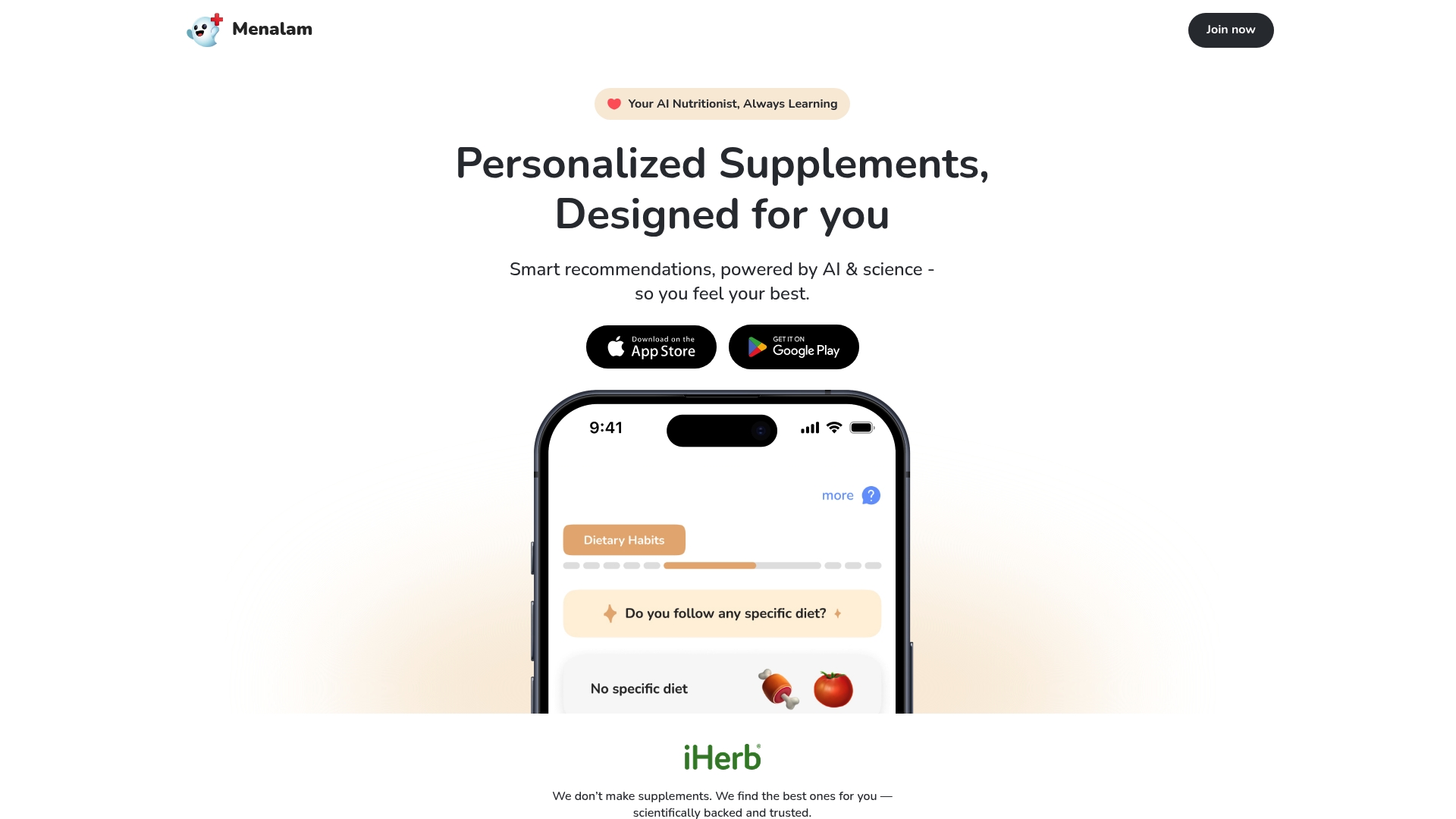
Ready to discover the vitamins and supplements your heart actually needs? Visit Menalam’s platform to take a quick health quiz, get expert recommendations based on your personal profile, and start tracking your progress in the mobile app. Make this the year you turn science-based nutrition into real results. Your best heart health starts today—start your personalized journey here.
Leave a Reply