


Most people think that just popping a vitamin pill means their body gets all the benefits. Not even close. Up to 67 percent of the nutrients in some supplements might never actually reach your bloodstream. Surprised? It gets stranger. Many so-called healthy routines—like combining the wrong supplements, or skipping digestive health—are actually blocking your body from using what you swallow. The science behind absorption is full of twists, and the smartest strategies may be the opposite of what you expect.
Table of Contents
- What Impacts Supplements Absorption In The Body
- Smart Strategies To Increase Nutrient Uptake
- Personalized Approaches For Fitness And Wellness Goals
- Common Myths And Mistakes About Supplements Absorption
Quick Summary
| Takeaway | Explanation |
|---|---|
| Chemical Composition Matters | The type of supplement and its molecular structure significantly influence absorption rates, with chelated minerals often showing better bioavailability. |
| Nutrient Pairing Enhances Absorption | Certain combinations, such as Vitamin C with Iron or Magnesium with Vitamin D, can optimize nutrient uptake through synergistic effects. |
| Gut Health is Essential | The condition of your digestive system and microbiome plays a crucial role in nutrient absorption, highlighting the importance of digestive health. |
| Personalization is Key | Individual genetic and metabolic factors should guide supplement choices to ensure they effectively meet personal health and fitness goals. |
| Timing and Consumption Matter | Not all nutrients should be taken with food or on an empty stomach; understanding timing can enhance absorption effectiveness. |
What Impacts Supplements Absorption in the Body
Understanding supplements absorption involves recognizing the complex physiological processes that determine how effectively your body can utilize nutrients. Not all supplements are created equal, and multiple factors influence their bioavailability and ultimate effectiveness.
Chemical Composition and Nutrient Interactions
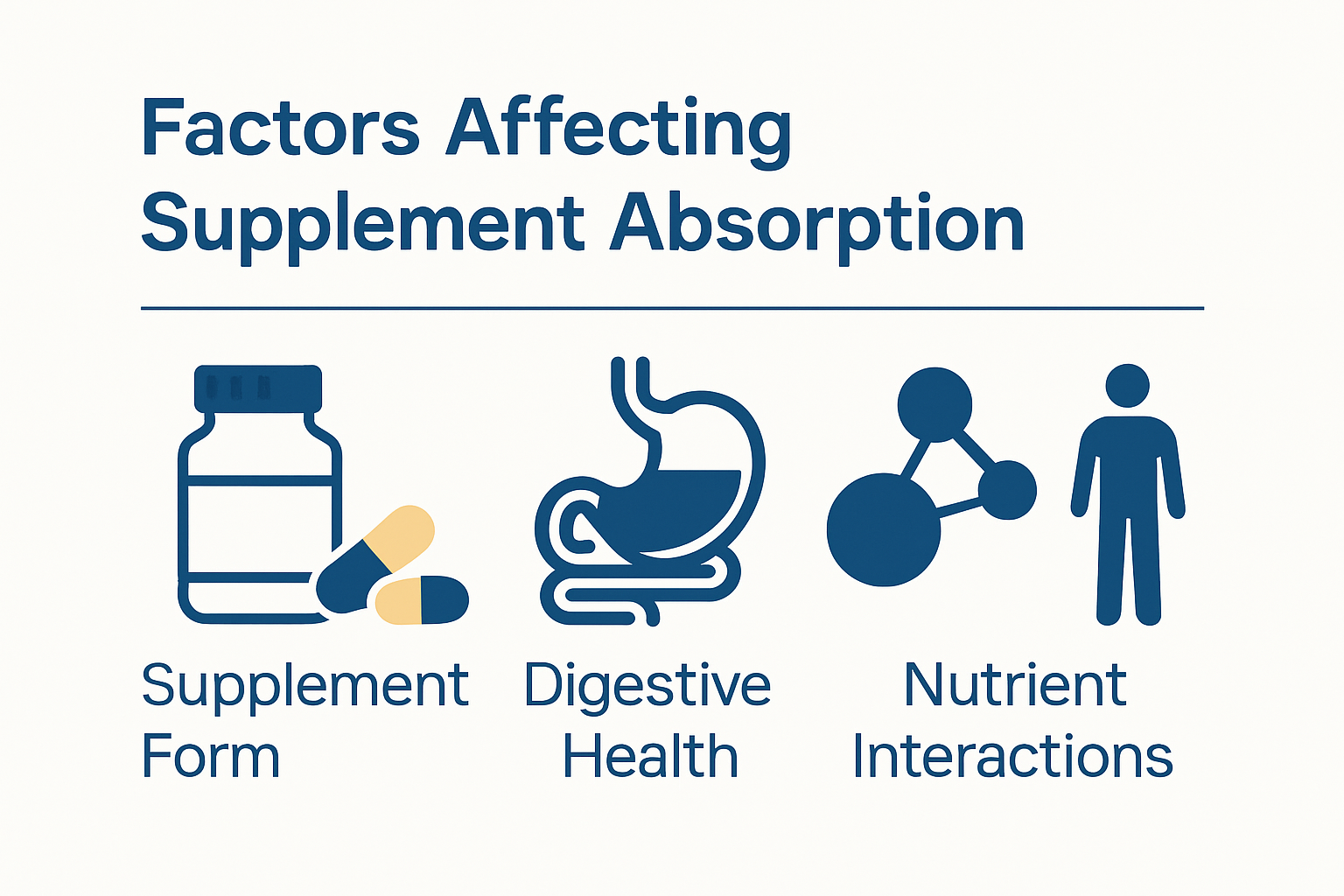
The chemical form of a supplement significantly impacts its absorption potential. Some nutrients require specific molecular structures or cofactors for optimal uptake. For instance, chelated minerals often demonstrate higher absorption rates compared to standard mineral compounds. Certain nutrients also compete for absorption pathways, creating intricate interactions that can either enhance or diminish overall nutrient uptake.
According to the National Institutes of Health Office of Dietary Supplements, digestive components play a critical role in supplement assimilation. Stomach acid, digestive enzymes, and bile are pivotal in breaking down supplements and preparing them for cellular absorption. Imbalances in these digestive elements can substantially reduce nutrient bioavailability, particularly for complex nutrients like vitamin B12.
Individual Physiological Factors
Personal health characteristics dramatically influence supplement absorption. Age, metabolic rate, existing medical conditions, and genetic variations can all modify how efficiently your body processes nutritional supplements. Younger individuals typically have more robust digestive systems and higher metabolic rates, which can facilitate more effective nutrient absorption.
Research from the National Institutes of Health highlights that gut health represents a crucial determinant of supplement effectiveness. Microbiome composition, presence of potential pathogens, and overall digestive tract condition significantly impact nutrient uptake. Individuals with compromised gut health may experience reduced absorption rates, as certain conditions can prevent nutrients from being effectively processed and integrated into bodily systems.
Environmental and Lifestyle Influences
External factors beyond physiological mechanics also influence supplement absorption. Dietary habits, hydration levels, stress, sleep quality, and physical activity can all modulate nutrient uptake efficiency. Consuming supplements with appropriate food combinations, maintaining proper hydration, and managing stress can optimize absorption potential.
Chronic stress, for example, can alter digestive enzyme production and reduce nutrient absorption capacity. Similarly, inadequate sleep disrupts metabolic processes, potentially compromising the body’s ability to effectively utilize supplements. Consistent physical activity supports metabolic health and can enhance overall nutrient assimilation.
Navigating supplement absorption requires a holistic understanding of individual physiological dynamics. By recognizing these complex interactions, individuals can make more informed decisions about supplement intake, timing, and complementary lifestyle practices that support optimal nutrient absorption.
For personalized guidance on maximizing supplement effectiveness, consulting healthcare professionals who can assess individual metabolic profiles remains the most reliable approach to understanding your unique nutritional needs.
Smart Strategies to Increase Nutrient Uptake

Maximizing nutrient absorption requires strategic approaches that go beyond simply consuming supplements. By understanding and implementing targeted techniques, individuals can significantly enhance their body’s ability to process and utilize vital nutrients effectively.
Nutrient Combination and Synergy
Optimal nutrient uptake often depends on strategic pairing of supplements. According to champion bio research, certain nutrient combinations can dramatically improve absorption and bioactivity. For instance, vitamin D becomes more effective when combined with vitamin K2, as these nutrients work synergistically to support bone and cardiovascular health.
Some powerful nutrient combinations include:
- Vitamin C with Iron: Enhances iron absorption from plant-based sources
- Magnesium with Vitamin D: Supports more efficient calcium metabolism
- Zinc with Vitamin B6: Improves overall immune system function
These strategic pairings exploit the body’s natural nutrient absorption pathways, allowing for more efficient cellular uptake and utilization.
Supplement Delivery Optimization
Research from nutritional science experts highlights the critical role of supplement delivery systems in nutrient absorption. Different formats impact bioavailability significantly. Liquid supplements often demonstrate faster absorption compared to traditional capsules, while liposomal delivery can protect nutrients from digestive breakdown.
Key considerations for optimal supplement delivery include:
- Selecting appropriate physical forms (liquid, powder, capsule)
- Understanding individual metabolic differences
- Matching delivery method to specific nutrient characteristics
For example, fat-soluble vitamins like A, D, E, and K require lipid-based delivery mechanisms to ensure proper absorption. Individuals with compromised digestive systems might benefit from more advanced delivery technologies that bypass traditional digestive processes.
Lifestyle and Digestive Support
The National Institutes of Health Office of Dietary Supplements emphasizes the importance of holistic approaches to nutrient absorption. Supporting overall digestive health becomes paramount in maximizing supplement effectiveness. Strategies include maintaining a balanced diet rich in probiotics, managing stress levels, and ensuring adequate hydration.
Additional lifestyle factors that support nutrient uptake include:
- Regular physical activity
- Consistent sleep patterns
- Stress management techniques
- Avoiding excessive alcohol and processed food consumption
Probiotics and digestive enzymes can play a crucial role in preparing the digestive system for optimal nutrient absorption. By creating an environment conducive to efficient nutrient processing, individuals can significantly enhance their supplement effectiveness.
Understanding and implementing these smart strategies requires a personalized approach. While general guidelines provide valuable insights, individual metabolic variations mean that what works best can differ from person to person. Consulting healthcare professionals can help develop a tailored nutrient absorption strategy that addresses specific health needs and goals.
Personalized Approaches for Fitness and Wellness Goals
The landscape of nutrition and supplementation is rapidly evolving, moving beyond generic recommendations to embrace highly individualized approaches that align with specific fitness and wellness objectives. Modern wellness strategies recognize that each person’s nutritional needs are as unique as their genetic blueprint.
Genetic and Metabolic Profiling
Cutting-edge research from nutrition technology experts reveals the transformative potential of DNA-based supplement strategies. By analyzing an individual’s genetic makeup, metabolic markers, and lifestyle factors, personalized nutrition plans can now precisely target specific health and fitness goals.
Key genetic factors influencing supplement recommendations include:
- Metabolic Efficiency: Genetic variations that impact nutrient metabolism
- Fitness Response: Genetic markers indicating potential athletic performance
- Nutritional Absorption: Individual genetic predispositions toward nutrient uptake
These advanced profiling techniques allow for unprecedented precision in designing supplement regimens that address individual physiological needs, moving far beyond traditional one-size-fits-all approaches.
Performance and Recovery Optimization
Wellness industry trends for 2025 highlight the emergence of hyper-targeted supplement strategies for fitness enthusiasts. Athletes and active individuals can now access comprehensive nutrition plans that synchronize supplement intake with specific performance and recovery objectives.
Strategic supplement timing becomes crucial in this personalized approach. Clinical protocols from integrative health research suggest optimizing nutrient intake through carefully coordinated supplementation strategies:
- Pre-workout supplements to enhance energy and endurance
- Recovery-focused nutrients to support muscle repair
- Targeted micronutrient support for specific training goals
Holistic Wellness Integration
Personalized supplement approaches extend beyond physical performance, encompassing comprehensive wellness objectives. Modern strategies consider interconnected factors such as stress management, sleep quality, mental clarity, and long-term health prevention.
Comprehensive wellness plans now integrate:
- Adaptive Supplementation: Dynamically adjusting nutrient intake based on ongoing health data
- Lifestyle Synchronization: Aligning supplement strategies with individual sleep patterns, stress levels, and daily rhythms
- Predictive Health Monitoring: Using data-driven insights to anticipate and mitigate potential nutritional deficiencies
The future of personalized nutrition lies in creating holistic, adaptive systems that respond to an individual’s changing health landscape. By leveraging advanced technologies and comprehensive health data, individuals can now access unprecedented levels of nutritional precision.
While these personalized approaches offer remarkable potential, consulting healthcare professionals remains essential. Experts can help interpret complex genetic and metabolic data, ensuring that personalized supplement strategies are both scientifically sound and individually optimized.
Common Myths and Mistakes About Supplements Absorption
Navigating the world of nutritional supplements requires critical thinking and evidence-based understanding. Many individuals unknowingly compromise their supplement effectiveness by believing widespread misconceptions that can significantly impact nutrient absorption and overall health outcomes.
Misconceptions About Supplement Timing and Consumption
Research from Henry Ford Health reveals critical insights into supplement absorption myths. One prevalent misconception involves the universal belief that all vitamins must be taken with food or on an empty stomach. In reality, absorption mechanisms vary dramatically depending on the specific nutrient.
Key timing considerations include:
- Fat-Soluble Vitamins: Require dietary fat for optimal absorption
- Water-Soluble Vitamins: Can typically be absorbed regardless of meal timing
- Mineral Supplements: Some perform better with food, while others might be inhibited
Contrary to popular belief, a blanket approach to supplement consumption can lead to reduced effectiveness. Understanding the unique absorption characteristics of different nutrients becomes crucial for maximizing their potential benefits.
Dangerous Supplement Interactions
Comprehensive supplement research highlights the complex interactions between supplements and medications. Many individuals are unaware that certain supplement combinations can significantly alter absorption rates or potentially create adverse health effects.
Critical interaction considerations include:
- Medication Interference: Some supplements can interact with prescription drugs
- Nutrient Competition: Certain minerals can block absorption of other nutrients
- Timing Sensitivities: Recommended waiting periods between medication and supplement intake
Healthcare professionals recommend maintaining at least a two-hour window between medication and supplement consumption to minimize potential negative interactions. This precaution helps prevent reduced medication effectiveness and potential health risks.
Overlooked Absorption Barriers
Beyond direct supplement characteristics, numerous external factors can compromise nutrient absorption. Many individuals fail to recognize the complex physiological processes that influence how effectively the body can utilize supplemental nutrients.
Often overlooked absorption barriers include:
- Digestive Health: Gut microbiome condition dramatically impacts nutrient uptake
- Stress Levels: Chronic stress can reduce digestive enzyme production
- Hydration Status: Inadequate water intake can impede nutrient transportation
Individuals frequently mistakenly believe that simply consuming supplements guarantees their absorption. In reality, a holistic approach considering overall health, lifestyle, and individual physiological conditions is essential for optimal nutrient utilization.
The most effective strategy involves working closely with healthcare professionals who can provide personalized guidance. By understanding these common myths and potential pitfalls, individuals can make more informed decisions about supplement consumption, ultimately supporting their health and wellness goals more effectively.
Remember, supplement absorption is a nuanced process. What works for one person may not work identically for another, emphasizing the importance of personalized nutritional approaches.
Frequently Asked Questions
What factors affect the absorption of supplements?
Multiple factors impact supplement absorption, including the chemical composition of the nutrients, individual physiological factors like age and gut health, and environmental influences such as diet, hydration, and lifestyle habits.
How can I improve the absorption of nutrients from my supplements?
To enhance nutrient absorption, consider strategic nutrient combinations (like Vitamin C with Iron), ensure healthy digestive support through diet and probiotics, and choose the right supplement delivery methods (e.g., liquid or liposomal forms).
Is there a best time to take supplements for optimal absorption?
Yes, the timing of supplement intake can influence absorption. Fat-soluble vitamins should be taken with dietary fat, while certain minerals may perform better with or without food. It’s essential to understand the specific needs of each nutrient.
Can genetic factors play a role in how well my body absorbs supplements?
Absolutely. Individual genetic and metabolic factors can affect nutrient metabolism and absorption. Personalized nutrition strategies can help tailor supplement regimens to match your genetic profile and health goals.
Unlock Maximum Nutrient Absorption With Menalam’s Personalized Nutrition
Are you tired of guessing if your supplements are actually working? The article revealed that up to 67 percent of nutrients might never reach your bloodstream. Factors such as poor supplement combinations, digestive issues, and genetic differences are quietly blocking your progress. Imagine finally removing the guesswork and getting a science-backed, customized plan that adapts to your real data.
Ready to stop wasting your hard-earned money and start seeing real results? Take the next step and discover how Menalam uses advanced AI to deliver personalized supplement recommendations tailored to your unique health profile. Our digital nutritionist analyzes your lifestyle, integrates blood test results, and tracks your progress to ensure every supplement you take is truly absorbed and effective.
Start now and experience a smarter way to boost your wellness. Visit Menalam to get your tailored plan today.
Leave a Reply