
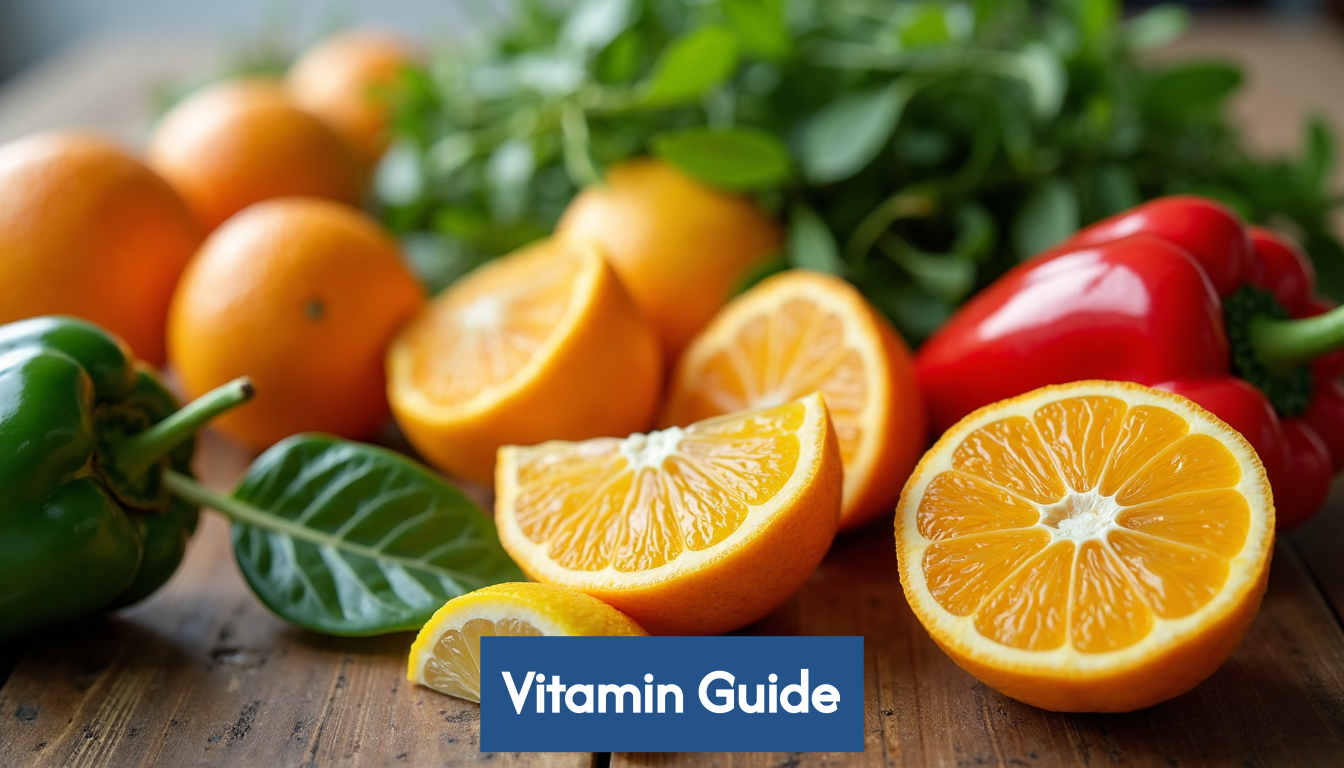
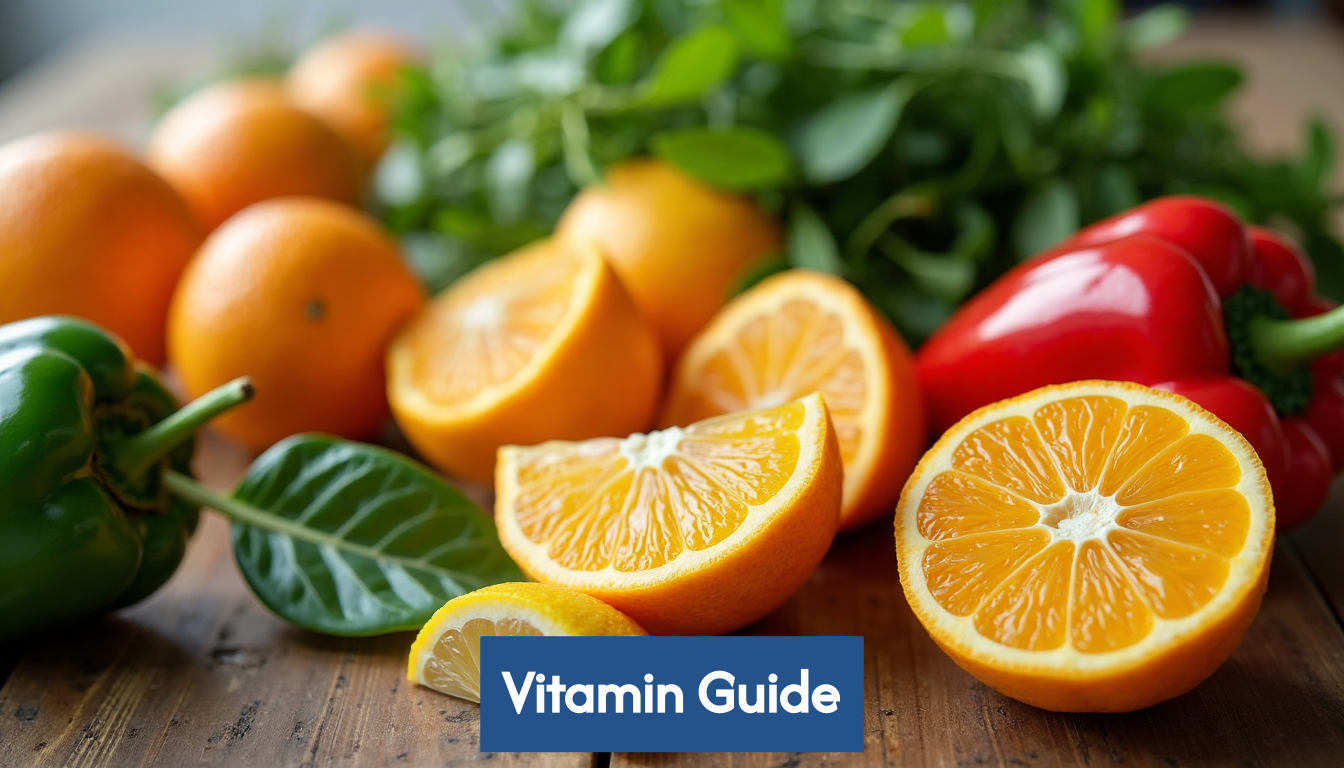
Vitamin C does more than keep colds at bay. It helps lower cardiovascular disease risk when blood levels hit over 45 micromoles per liter. Sounds impressive, right? Here’s what surprises most people. Nearly half of adults in the US take supplements, yet many still miss the mark on getting the right vitamin C for their needs. Choosing the best option is not about grabbing a bottle off the shelf. It is about matching your age, health, and lifestyle to the science. The gap between what you take and what your body really needs might be bigger than you think.
Table of Contents
- Understanding Co Vitamin: Key Functions And Benefits
- Choosing The Right Co Vitamin For Your Lifestyle
- Optimizing Co Vitamin Intake For Health And Fitness
- Expert Guidance: Tracking, Safety, And Personalization
- Personalized Supplementation Protocols
- Safety And Monitoring Strategies
- Advanced Tracking And Personalization Techniques
Quick Summary
| Takeaway | Explanation |
|---|---|
| Personalized Supplementation is Key | Evaluate individual health profiles, age, and dietary needs to effectively select vitamin C supplements, ensuring they address specific nutritional gaps. |
| Vitamin C’s Multifaceted Role | Recognize vitamin C’s importance in immune function, cellular protection, and cardiovascular health, emphasizing its integration into daily nutrition for long-term wellness. |
| Continuous Tracking and Adjustments | Implement regular health assessments and consult healthcare professionals to monitor nutrient levels and supplement effectiveness, adapting as needed to optimize health outcomes. |
Understanding Co Vitamin: Key Functions and Benefits
Co vitamin, scientifically recognized as vitamin C, represents a critical micronutrient essential for numerous physiological processes in the human body. This powerful compound plays a multifaceted role in maintaining overall health and supporting complex metabolic functions.
Cellular Protection and Antioxidant Dynamics
Vitamin C operates as a potent antioxidant, delivering remarkable protection against cellular damage caused by free radicals. According to Oregon State University’s Linus Pauling Institute, this vitamin neutralizes toxic metabolic byproducts and provides a protective shield against genetic damage and inflammation triggered by oxidized lipids.
The antioxidant mechanism involves neutralizing harmful molecules that can potentially damage cellular structures. By preventing oxidative stress, vitamin C helps maintain cellular integrity and supports long term health. This protective function extends across multiple body systems, making it a critical component of immune defense and metabolic regulation.
Cardiovascular Health and Vascular Function
Cardiovascular research highlights vitamin C’s significant role in promoting heart health. Comprehensive studies demonstrate that plasma vitamin C concentrations above 45 μmol/L correlate with a substantially reduced risk of cardiovascular disease.
The vitamin’s impact on vascular health is multidimensional. National Institutes of Health research reveals that vitamin C contributes to cardiovascular wellness through several sophisticated mechanisms:
- Reducing monocyte adherence to the endothelium
- Improving endothelium-dependent nitric oxide production
- Enhancing vasodilation
- Reducing vascular smooth muscle cell apoptosis
These mechanisms collectively work to prevent plaque instability in atherosclerosis, thereby supporting robust cardiovascular function.
Immune System Enhancement
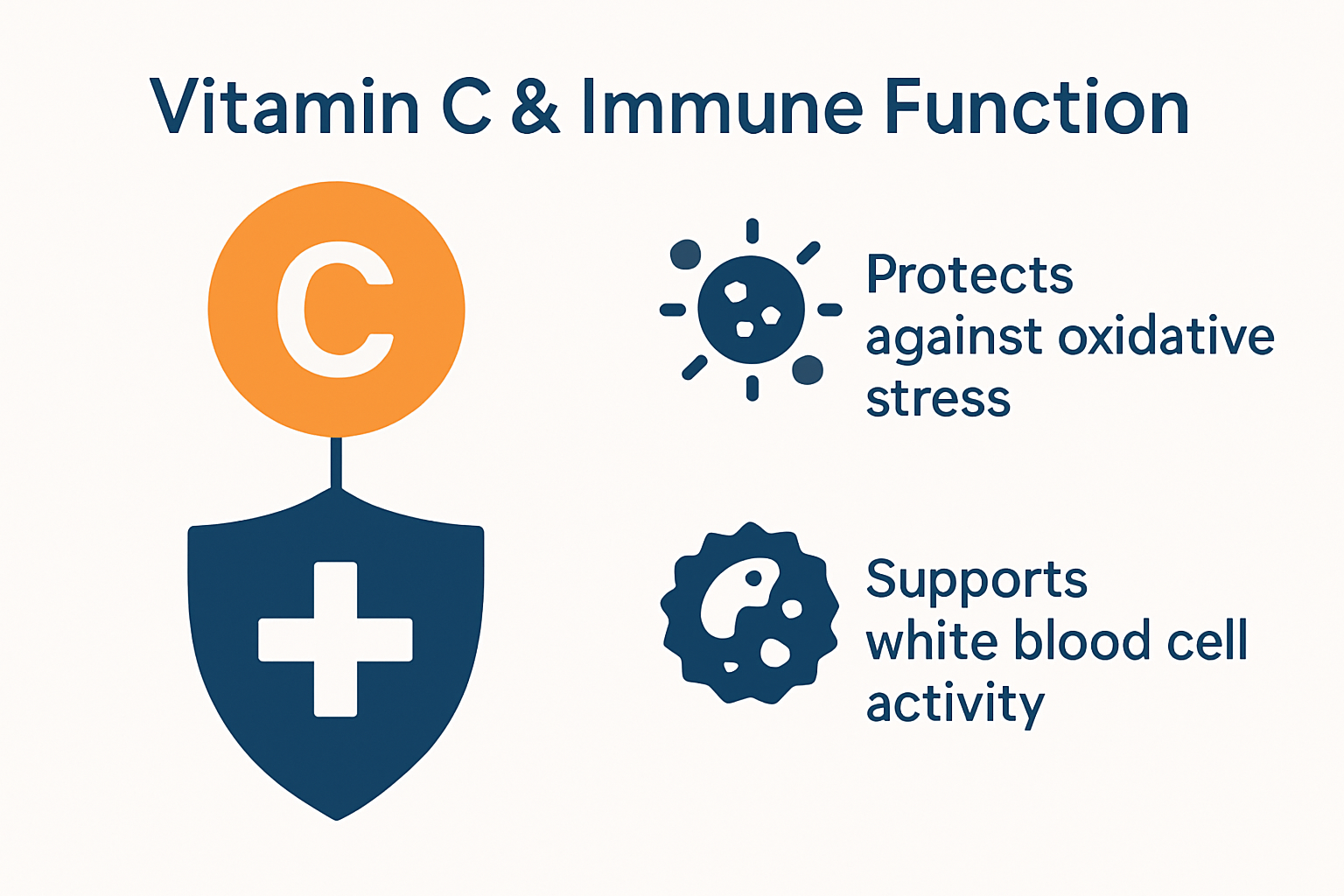
Vitamin C serves as a fundamental pillar of immune system performance. Its role extends beyond simple protection, actively stimulating the production and function of white blood cells. By supporting both innate and adaptive immune responses, vitamin C helps the body effectively combat infections and maintain robust immunological defenses.
The vitamin’s ability to concentrate in immune cells allows for rapid mobilization during physiological stress, enabling faster and more efficient immune reactions. This concentrated presence ensures that when your body needs immediate defensive capabilities, vitamin C is prepared to support comprehensive immune system functionality.
While many individuals obtain vitamin C through dietary sources like citrus fruits, bell peppers, and leafy greens, understanding individual nutritional needs remains crucial. Personalized approaches that consider factors such as age, lifestyle, and overall health can help optimize vitamin C intake and maximize its extensive health benefits.
Recognizing vitamin C’s complex role in human physiology underscores the importance of consistent, strategic nutritional planning. By appreciating its multifaceted functions, individuals can make informed decisions about their dietary and supplementation strategies to support long term health and wellness.
Choosing the Right Co Vitamin for Your Lifestyle

Selecting the appropriate co vitamin supplement requires a strategic approach that considers individual health profiles, lifestyle factors, and specific nutritional needs. Understanding how to navigate supplement choices can significantly impact your overall wellness and nutritional effectiveness.
Personalized Supplementation Strategies
The landscape of dietary supplementation is complex and increasingly personalized. According to the NIH Office of Dietary Supplements Strategic Plan, approximately half of adults and one-third of children and adolescents in the United States use dietary supplements. However, this widespread use does not guarantee optimal health outcomes.
Personalized supplementation demands a comprehensive assessment of individual factors such as age, gender, existing health conditions, dietary patterns, and potential nutrient deficiencies. A targeted approach ensures that you are not simply consuming supplements but strategically addressing specific nutritional gaps.
Age and Health Condition Considerations
Nutritional requirements vary dramatically across different life stages and health conditions. The Endocrine Society’s 2024 Clinical Practice Guideline provides critical insights into dosage recommendations:
- Adults under 75: Unlikely to benefit from excessive supplementation
- Children: May require specialized nutritional support
- Pregnant Individuals: Often need targeted nutrient supplementation
- Adults over 75: Might need higher nutrient intake
- Individuals with Prediabetes: May require adjusted supplement strategies
These nuanced recommendations underscore the importance of professional consultation and personalized health assessments when determining supplement needs.
Understanding Supplementation Effectiveness
Supplementation is not a one-size-fits-all solution. Research on vitamin C supplementation reveals inconsistent results, particularly for conditions like common cold prevention. Studies by researchers like Carr and Frei have demonstrated that benefits can vary significantly based on existing nutrient intake levels.
Key considerations for effective supplementation include:
- Baseline nutrient levels before supplementation
- Potential interactions with existing medications
- Quality and bioavailability of supplement formulations
- Individual metabolic differences
While supplements can play a crucial role in supporting overall health, they should complement a balanced diet and healthy lifestyle rather than serve as a complete nutritional replacement.
Consider working with healthcare professionals who can provide comprehensive nutritional assessments. Blood tests, detailed health screenings, and professional consultations can help identify precise nutritional needs and develop a targeted supplementation strategy that aligns with your unique physiological requirements.
By approaching co vitamin supplementation with careful research, professional guidance, and a personalized perspective, you can optimize your nutritional intake and support long-term health and wellness. Remember that supplementation is a dynamic process that requires ongoing evaluation and adjustment based on changing health conditions and nutritional needs.
Optimizing Co Vitamin Intake for Health and Fitness
Optimizing co vitamin intake represents a sophisticated approach to supporting overall health and fitness performance. Understanding the intricate relationship between nutritional supplementation and physiological function can transform how individuals approach their wellness strategies.
Immune Function and Cellular Energy Production
Coenzyme Q10 (CoQ10) plays a critical role in enhancing immune system functionality and cellular energy production. Research published in Frontiers of Nutrition demonstrates significant improvements in natural killer cell activity and monocyte-macrophage phagocytosis through strategic supplementation.
The vitamin’s mechanism of action involves supporting mitochondrial energy production and providing potent antioxidant protection. By targeting cellular metabolism, CoQ10 helps individuals maintain robust immune responses and optimize metabolic efficiency. This becomes particularly crucial for athletes and fitness enthusiasts seeking to maximize physiological performance and recovery.
Cardiovascular Health and Performance
Cardiovascular wellness represents another critical domain where co vitamin supplementation can yield meaningful benefits. According to the Mayo Clinic, CoQ10 demonstrates potential in improving symptoms associated with congestive heart failure and potentially modulating blood pressure dynamics.
However, it is essential to approach cardiovascular supplementation with nuanced understanding. The National Center for Complementary and Integrative Health highlights that while CoQ10 may offer protective benefits during specific medical treatments like chemotherapy, current evidence does not universally support its application for comprehensive heart disease prevention.
Strategic Supplementation Considerations
Effective co vitamin integration requires a multifaceted approach that considers individual physiological needs, fitness goals, and potential metabolic variations. Key strategies for optimizing intake include:
- Comprehensive Health Assessment: Conduct thorough medical screenings to identify baseline nutritional requirements
- Personalized Dosage Calibration: Work with healthcare professionals to determine precise supplementation levels
- Consistent Monitoring: Regularly evaluate supplement effectiveness through periodic health assessments
- Holistic Lifestyle Integration: Combine supplementation with balanced nutrition and regular physical activity
Individuals should recognize that co vitamin supplementation is not a universal solution but a targeted intervention designed to support specific health objectives. Professional guidance becomes instrumental in developing a nuanced, scientifically grounded approach to nutritional optimization.
The most successful supplementation strategies emerge from a collaborative approach that combines individual health data, professional expertise, and a commitment to ongoing wellness exploration. By viewing co vitamin intake as a dynamic, personalized process, individuals can unlock potential performance enhancements and support long-term physiological resilience.
Remember that supplement effectiveness varies across different populations. What works optimally for one person may require modification for another. Continuous learning, professional consultation, and a willingness to adapt represent the cornerstone of intelligent nutritional supplementation.
Expert Guidance: Tracking, Safety, and Personalization
Navigating the complex landscape of vitamin supplementation requires a strategic approach that balances scientific insights, individual health needs, and proactive monitoring. Expert guidance becomes crucial in developing a comprehensive and safe nutritional strategy that adapts to changing physiological requirements.
Personalized Supplementation Protocols
The Endocrine Society’s 2024 Clinical Practice Guideline provides critical insights into personalized supplementation recommendations. Their research highlights nuanced guidelines for different population segments:
- Healthy Adults under 75: Recommended to take standard daily vitamin allowances
- Children: May require specialized nutritional support
- Pregnant Individuals: Need targeted nutrient supplementation
- Adults over 75: Potentially require higher nutrient intake
- Individuals with Prediabetes: Might need adjusted supplement strategies
These recommendations underscore the importance of tailored approaches that consider individual physiological characteristics and health status.
Safety and Monitoring Strategies
Effective vitamin supplementation extends beyond simple consumption. Comprehensive tracking and safety protocols are essential for optimizing nutritional interventions. Key monitoring strategies include:
- Regular blood tests to assess nutrient levels
- Consultation with healthcare professionals
- Periodic review of supplement efficacy
- Understanding potential interactions with existing medications
Market research from VitaQuest indicates an emerging trend toward more sophisticated, personalized supplement tracking. The dietary supplement market in 2025 is expected to emphasize immune health, sports nutrition, and targeted nutritional solutions.
Advanced Tracking and Personalization Techniques
Modern nutritional science offers sophisticated approaches to vitamin supplementation tracking. Expert recommendations for hair health provide an illustrative example of targeted nutritional guidance:
- Precise daily intake recommendations
- Understanding synergistic mineral interactions
- Recognizing potential risks of over supplementation
For instance, vitamin intake recommendations include:
- 700-900 micrograms of vitamin A
- Vitamin C for collagen production
- 2,000-5,000 IU of vitamin D for adults
Individuals must approach supplementation as a dynamic process requiring continuous assessment and adjustment. The most effective strategies combine professional medical guidance, personal health data, and a holistic understanding of nutritional science.
Technology and artificial intelligence are increasingly supporting personalized nutrition tracking. Mobile applications and advanced health monitoring tools enable real-time nutrient level assessment, medication interaction checking, and personalized recommendation generation.
Remember that no universal supplementation strategy exists. Your nutritional needs are as unique as your genetic makeup, lifestyle, and health history. Consulting healthcare professionals, maintaining open communication about your health goals, and staying informed about the latest nutritional research are fundamental to developing an effective, safe, and personalized supplement strategy.
Frequently Asked Questions
What is co vitamin and what are its health benefits?
Co vitamin refers to vitamin C, a crucial micronutrient that supports immune function, cellular protection, and cardiovascular health. It acts as a potent antioxidant, enhances immune responses, and reduces the risk of cardiovascular diseases when blood levels are adequate.
How can I choose the right vitamin C supplement for my needs?
To select the right vitamin C supplement, evaluate your age, health status, dietary habits, and specific nutritional gaps. Personalized supplementation strategies that consider these factors can help ensure you meet your vitamin C needs effectively.
What dosage of vitamin C is recommended for adults?
Generally, the recommended daily allowance for adults is around 75-90 mg of vitamin C. However, specific needs may vary based on age, gender, health conditions, and lifestyle factors, so it’s best to consult a healthcare professional for personalized advice.
What foods are rich in vitamin C?
Foods high in vitamin C include citrus fruits (like oranges and grapefruits), bell peppers, strawberries, kiwi, broccoli, and leafy greens. Incorporating these foods into your diet can help you meet your vitamin C requirements naturally.
Unlock Your Personalized Vitamin Journey with Menalam!
Are you one of the nearly half of adults who take supplements but still feel uncertain if you’re meeting your individual nutritional needs? The Co Vitamin Guide 2025 highlights that simply taking any vitamin C isn’t enough—you need to tailor your intake to your unique age, health status, and lifestyle. This is precisely where Menalam comes in, allowing you to overcome this challenge effortlessly.
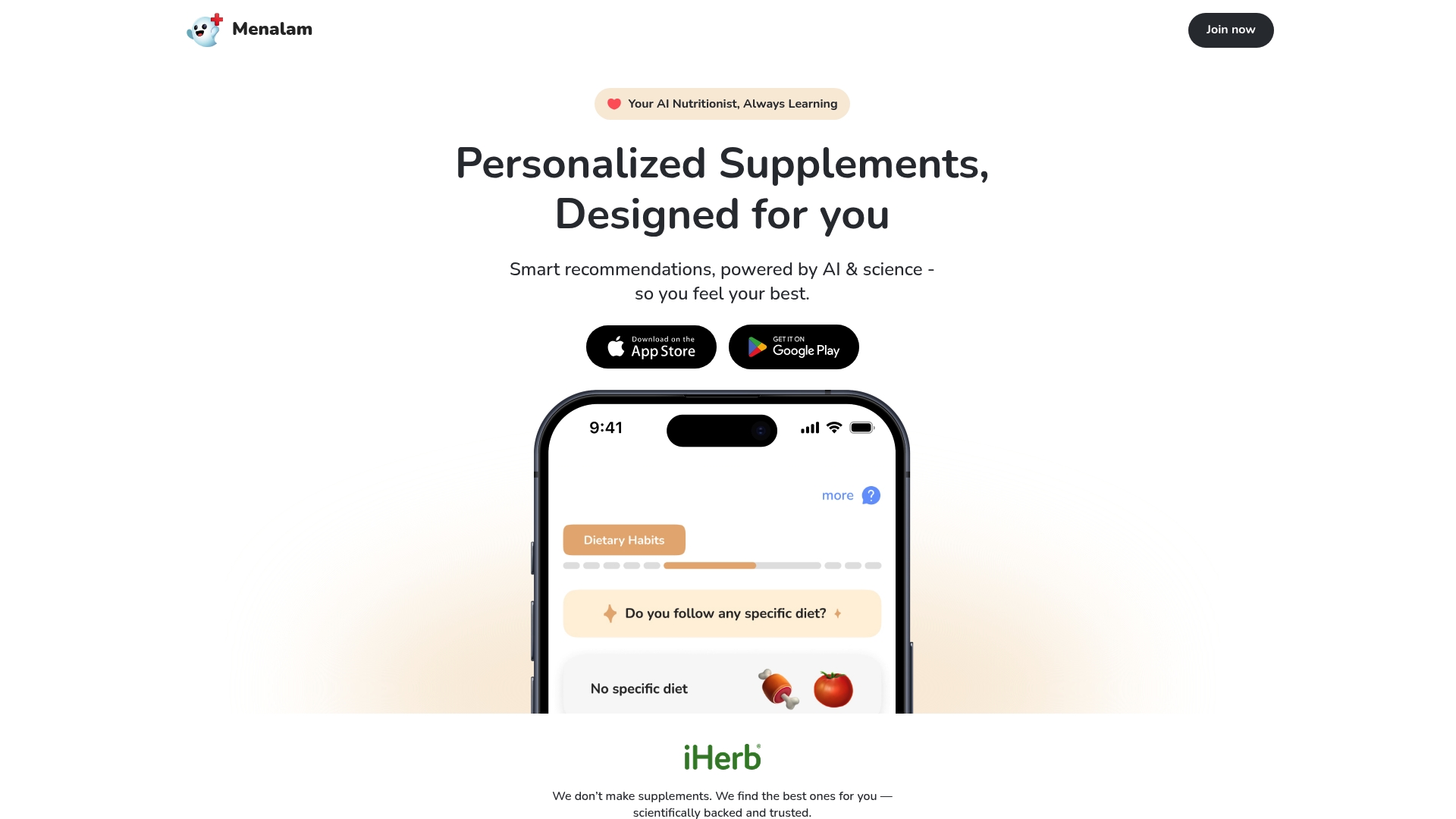
Imagine this: No more guesswork or generic solutions. With Menalam’s AI-driven platform, we help you identify the exact vitamins your body craves. By completing a quick health quiz, you receive personalized supplement recommendations that align with your specific nutritional gaps, ensuring you maximize benefits like immune support and cardiovascular health.
Don’t wait to optimize your health! Visit Menalam now to start your personalized nutrition journey, track your progress, and take control of your wellness with science-backed supplementation plans and ongoing adjustments. Your health is a journey—let us guide you every step of the way!
Leave a Reply