


Everyone wants to be healthier, but most people miss just how much small changes matter over time. There is a common belief that well-being calls for big sacrifices or complex routines, yet the data tells a different story. Nearly 31% of adults worldwide are physically inactive and 60% of adults aren’t getting enough sleep, but the biggest improvements often start with the simplest habits. The real breakthroughs for 2025 are not about what you give up—they are about the easy tweaks you can actually stick with day after day.
Table of Contents
- Simple Nutrition And Healthy Eating Tips
- Easy Ways To Improve Physical Activity
- Boosting Your Mental And Emotional Health
- Better Sleep And Stress Management
Quick Summary
| Takeaway | Explanation |
|---|---|
| Balanced Nutrition Is Key | Focus on a mix of proteins, carbohydrates, and healthy fats for optimal energy and health; prioritize colorful vegetables, whole grains, and lean proteins for nutrient-dense meals. |
| Increase Daily Physical Activity | Aim for at least 150 minutes of moderate activity weekly; incorporate more movement into your daily routine with simple changes like walking or using stairs. |
| Mental Health Requires Proactive Strategies | Utilize mindfulness, maintain social connections, and seek professional support to build emotional resilience and manage mental health effectively. |
| Establish Good Sleep Hygiene | Create a consistent sleep routine, limit screen time before bed, and develop a calming environment for better sleep quality. |
| Holistic Stress Management Techniques | Engage in regular physical activity, mindfulness practices, and develop personalized coping mechanisms to manage stress effectively. |
Simple Nutrition and Healthy Eating Tips
Nutrition doesn’t have to be complicated. Smart eating is about making practical choices that fuel your body and support long-term health. With the right approach, you can transform your diet without feeling overwhelmed or restricted.
Understanding Balanced Nutrition Basics
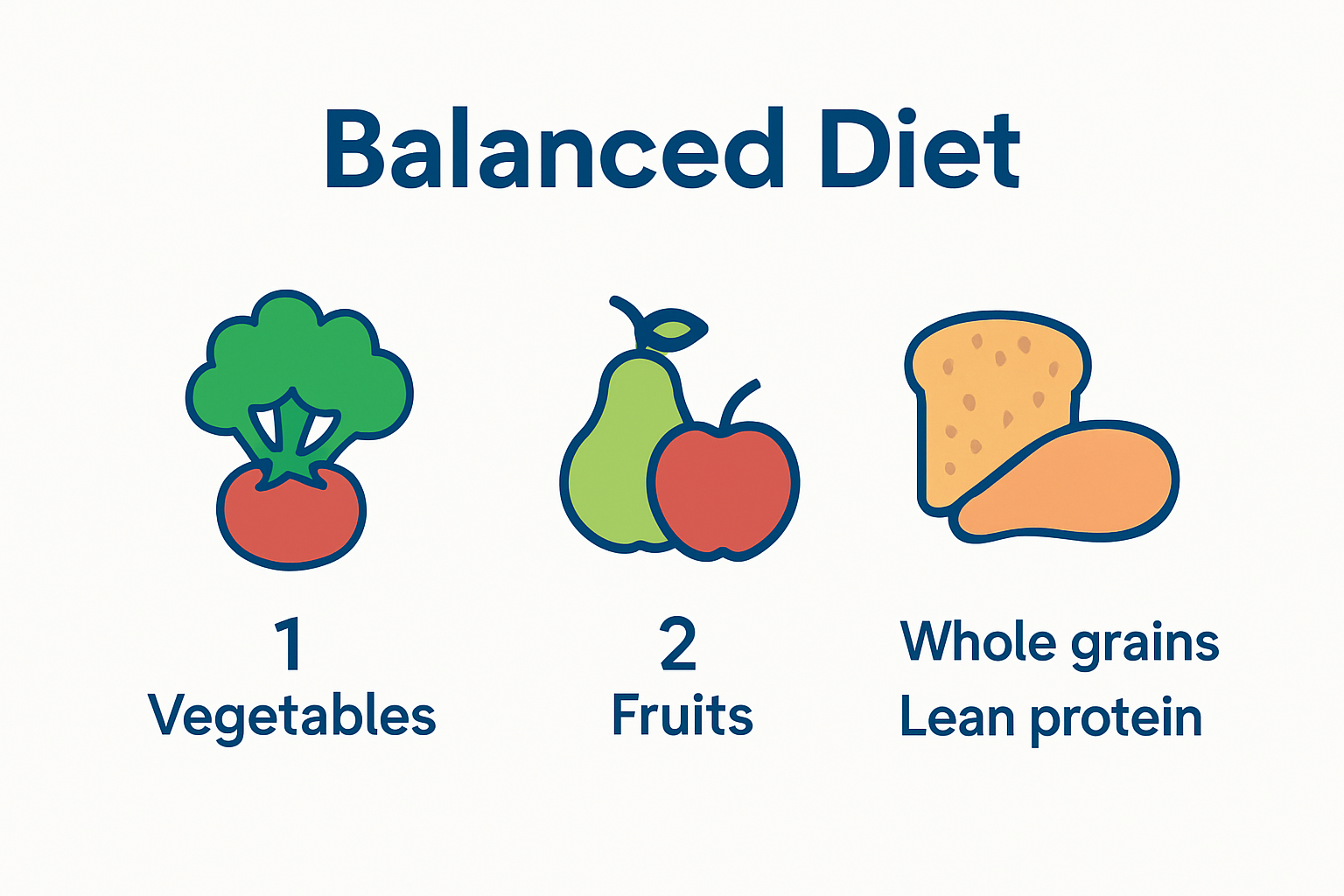
Healthy eating starts with understanding what your body needs. Your daily meals should include a mix of macronutrients proteins, carbohydrates, and healthy fats that work together to provide energy and support bodily functions. According to Harvard School of Public Health, building a balanced plate means filling half with vegetables and fruits, one quarter with whole grains, and one quarter with lean protein sources.
The Global Wellness Institute highlights a critical trend toward nutrient-dense foods that maximize nutritional value. This means choosing foods that pack the most vitamins, minerals, and beneficial compounds into every bite. Think colorful vegetables, whole grains, legumes, and lean proteins that provide comprehensive nutrition.
Practical Eating Strategies for Everyday Health
Implementing healthy eating doesn’t require radical changes. Start with these actionable health and wellness tips:
- Meal Planning: Prepare balanced meals in advance to avoid impulsive unhealthy choices
- Portion Control: Use smaller plates and be mindful of serving sizes
- Hydration: Drink water consistently throughout the day
- Whole Food Focus: Prioritize unprocessed, natural ingredients
The Mediterranean Diet offers an excellent model for sustainable nutrition. This dietary approach emphasizes plant-based foods, lean proteins, healthy fats, and minimal processed ingredients. Research consistently shows its effectiveness in promoting longevity and reducing chronic disease risks.
Smart Nutrition Choices for Modern Living
In our fast-paced world, making healthy food choices requires strategy. Sustainable nutrition isn’t about perfection but consistent, informed decisions. Consider these health and wellness tips for integrating better nutrition:
- Stock your kitchen with nutrient-rich snacks like nuts, fruits, and cut vegetables
- Learn basic meal preparation techniques to make healthy cooking easier
- Read nutrition labels and understand ingredient lists
- Experiment with plant-based protein alternatives
The key is developing a flexible approach that fits your lifestyle. Your nutrition should support your energy, mood, and long-term health without feeling like a restrictive chore. By making small, consistent changes and focusing on whole, minimally processed foods, you can create sustainable eating habits that genuinely nourish your body.
Remember, healthy eating is a journey of discovery. Each meal is an opportunity to provide your body with the nutrients it needs to thrive. Stay curious, be patient with yourself, and enjoy the process of learning what works best for your unique nutritional needs.
Easy Ways to Improve Physical Activity
Physical activity isn’t about intense workouts or complex exercise regimens. It’s about moving more and sitting less. Small, consistent changes can dramatically improve your overall health and wellness, making physical activity an achievable goal for everyone.
Understanding Movement as Medicine
Movement is fundamental to human health. The World Health Organization emphasizes that any amount of physical activity is better than none. Adults should aim for at least 150 minutes of moderate-intensity activity per week. This doesn’t mean you need to become a gym enthusiast overnight. Simple activities like walking, gardening, or dancing count towards your weekly movement goals.
Alarmingly, global statistics reveal that nearly 31% of adults worldwide are physically inactive. This sedentary lifestyle contributes to numerous health risks, including cardiovascular diseases, diabetes, and mental health challenges. By incorporating more movement into your daily routine, you can significantly reduce these risks.
Practical Strategies for Increasing Daily Activity
Improving physical activity doesn’t require massive lifestyle overhauls. Here are actionable health and wellness tips to get moving:
- Workplace Movement: Use standing desks, take walking meetings, or do simple stretches between tasks
- Home Activity: Use commercial breaks for quick exercises, dance while cleaning, or do bodyweight movements
- Technology Integration: Use fitness apps, step trackers, or online workout videos for motivation
- Social Engagement: Join group fitness classes, walking clubs, or sports teams

Creating an Active Lifestyle Environment
International Society for Physical Activity and Health highlights that community environments play a crucial role in supporting physical activity. You can create an activity-friendly lifestyle by:
- Walking or cycling for short errands instead of driving
- Using stairs instead of elevators
- Parking farther from entrances to increase walking distance
- Exploring local parks, trails, and community fitness spaces
The key is finding activities you genuinely enjoy. Physical activity shouldn’t feel like a punishment but a celebration of what your body can do. Some people love swimming, others enjoy hiking, and some prefer dancing. Experiment and discover movement that brings you joy and fits seamlessly into your lifestyle.
Remember that consistency Trump’s intensity. A 15-minute daily walk is far more beneficial than an occasional intense workout. Listen to your body, start slowly, and gradually increase your activity level. Every step counts towards better health and wellness.
By making movement a natural part of your daily routine, you’ll not only improve physical fitness but also boost mental health, increase energy levels, and enhance overall quality of life. Start small, be patient with yourself, and enjoy the journey of becoming more active.
Boosting Your Mental And Emotional Health
Mental and emotional health are just as crucial as physical well-being. They form the foundation of our overall quality of life, influencing how we think, feel, and interact with the world around us. Understanding and nurturing mental health is not a luxury but a fundamental aspect of personal wellness.
Understanding Mental Health Landscape
The World Health Organization reveals a striking global reality: approximately 970 million people worldwide—about 1 in 8 individuals—were living with mental disorders as of 2019. Anxiety and depression stand out as the most prevalent conditions, highlighting the critical need for proactive mental health strategies.
Despite the significant impact, mental health remains critically underfunded. Global health statistics show that mental diseases account for 20% of the global disease burden, yet less than 3% of healthcare budgets are allocated to mental health services. This disparity underscores the importance of personal mental wellness strategies.
Practical Strategies for Emotional Resilience
Building mental and emotional strength doesn’t require complex interventions. Here are effective health and wellness tips to support your mental well-being:
- Mindfulness Practice: Incorporate daily meditation or breathing exercises
- Social Connection: Maintain meaningful relationships and support networks
- Stress Management: Learn and apply stress reduction techniques
- Professional Support: Don’t hesitate to seek counseling or therapy when needed
Consistent self-care is your most powerful tool. Small daily practices can create significant positive changes in your mental and emotional landscape. This might include journaling, spending time in nature, practicing gratitude, or engaging in creative activities that bring you joy.
Holistic Approaches to Mental Wellness
World Health Organization’s 2025 guidance emphasizes a comprehensive approach to mental health. This means looking beyond traditional treatment and focusing on prevention, holistic support, and integrated wellness strategies.
- Prioritize quality sleep and consistent sleep patterns
- Maintain a balanced diet that supports brain health
- Engage in regular physical activity
- Practice emotional intelligence and self-awareness
- Create healthy boundaries in personal and professional relationships
Mental health is not about achieving a constant state of happiness but developing resilience to navigate life’s challenges. It’s about understanding your emotions, developing coping mechanisms, and creating a supportive internal environment.
Remember that seeking help is a sign of strength, not weakness. Whether it’s talking to a friend, joining a support group, or consulting a mental health professional, taking proactive steps is crucial. Your mental health journey is unique, and there’s no one-size-fits-all approach.
By integrating these strategies into your daily life, you can build emotional resilience, improve your overall well-being and create a more balanced, fulfilling life experience. Be patient with yourself, celebrate small victories, and recognize that mental health is an ongoing process of growth and self-discovery.
Better Sleep and Stress Management
Sleep and stress are deeply interconnected aspects of health that significantly impact our overall well-being. Understanding how to manage both effectively can transform your daily life, energy levels, and long-term health outcomes.
The Sleep Crisis in Modern Society
The National Sleep Foundation reveals a startling statistic: 60% of adults are not regularly getting the recommended amount of sleep per night. Even more compelling, adults who are satisfied with their sleep are 45% more likely to be flourishing in other areas of their life.
The consequences of poor sleep extend far beyond feeling tired. Chronic sleep deprivation can lead to serious health risks, including weakened immune systems, increased stress levels, cognitive impairment, and higher risks of mental health challenges. This makes sleep not just a luxury, but a critical component of health and wellness tips.
Practical Strategies for Quality Sleep and Stress Reduction
Improving sleep and managing stress doesn’t require complicated interventions. Here are actionable health and wellness tips:
- Sleep Hygiene: Create a consistent bedtime routine and sleep environment
- Digital Detox: Limit screen time before bed to reduce blue light exposure
- Relaxation Techniques: Practice meditation, deep breathing, or gentle yoga
- Stress Management: Use journaling, exercise, and mindful activities to reduce daily stress
Global Wellness Institute research highlights that nearly 40% of young adults experience sleep-related anxiety multiple times per week. This underscores the importance of developing robust stress management techniques.
Holistic Approach to Sleep and Stress Management
Creating a comprehensive approach to sleep and stress requires multiple strategies:
- Establish a consistent sleep schedule, even on weekends
- Create a calm bedroom environment free from electronic distractions
- Practice regular physical activity, but not too close to bedtime
- Monitor and limit caffeine and alcohol consumption
- Use stress-reduction techniques like mindfulness and progressive muscle relaxation
Your sleep environment plays a crucial role. Invest in comfortable bedding, maintain a cool room temperature, and use blackout curtains or white noise machines if needed. Consider your bedroom a sanctuary dedicated to rest and recovery.
Nutrition also impacts sleep quality. Avoid heavy meals close to bedtime, and choose foods that support relaxation. Herbal teas like chamomile, warm milk, or light snacks with tryptophan can help prepare your body for rest.
Stress management is an ongoing process. Learn to recognize your stress triggers and develop personalized coping mechanisms. This might include setting boundaries, practicing saying no, engaging in regular exercise, or seeking professional support when needed.
Remember that sleep and stress management are deeply personal. What works for one person might not work for another. Be patient with yourself, experiment with different techniques, and prioritize your mental and physical well-being. Small, consistent changes can lead to significant improvements in your overall quality of life.
Frequently Asked Questions
What are some easy nutrition tips to improve health?
Balanced nutrition can start with simple changes like meal planning, practicing portion control, and focusing on whole foods. Prioritize colorful vegetables, whole grains, and lean proteins for nutrient-dense meals.
How can I increase my daily physical activity without going to the gym?
You can incorporate more movement by taking the stairs instead of elevators, using standing desks, joining group fitness classes, or simply enjoying activities like walking, gardening, or dancing in your home.
What strategies can help improve mental and emotional health?
Building emotional resilience can be achieved through mindfulness practices, maintaining social connections, and seeking professional support when needed. Daily self-care activities, such as journaling and spending time in nature, are also beneficial.
How can I manage stress and improve my sleep quality?
Establish a consistent sleep routine, create a calming bedroom environment, and practice relaxation techniques such as deep breathing or meditation. Additionally, limiting screen time before bed and being mindful of caffeine intake can enhance sleep quality.
Transform Your Health Journey with Menalam
Are you one of the 60% of adults not getting enough sleep or feeling overwhelmed by the complexities of balanced nutrition? You’re not alone! With small, sustainable habits, you can reclaim your health without the stress—but where to start?
Menalam is here to simplify your wellness journey. By utilizing our AI-driven platform, you’ll receive personalized supplement recommendations tailored to your unique health profile. Imagine effortlessly navigating your nutrition, just like the small habits suggested in the article—only now, they come with expert-backed data! Plus, our mobile app helps you track your supplement intake and health progress, ensuring you stay consistent and focused on your goals.
Why wait any longer? Start your health transformation today at https://menalam.com. Complete our quick health quiz and discover the tailored solutions waiting for you.✨ Make informed decisions about your nutrition and embrace a healthier future—your wellness starts here!
Leave a Reply