
Building muscle is more than just hitting the gym. It’s all about nutrition strategy, especially when you consider that aiming for 1.6 to 2.2 grams of protein per kilogram of body weight can supercharge your gains. But here’s the twist: you might think protein is the whole story. Surprisingly, without the right balance of carbs and fats, your muscle growth could stall. This means focusing on macronutrient balance is just as crucial as the protein itself.
Table of Contents
- Fueling Muscle Growth: Protein First
- Beyond Protein: Carbs And Fats
- Strategic Meal Timing For Muscle
- Hydration And Supplements Support
Quick Summary
| Takeaway | Explanation |
|---|---|
| Prioritize Protein Intake | Aim for 1.6 to 2.2 grams of protein per kilogram of body weight to support muscle growth, and consider spreading protein intake across 4-5 meals daily for optimal muscle protein synthesis. |
| Balance Macronutrients | Maintain a dietary ratio of approximately 30-35% protein, 40-50% carbohydrates, and 20-30% fats to create a supportive muscle-building environment. |
| Strategic Meal Timing | Consume protein within 30 minutes post-workout and distribute protein intake throughout the day to maximize muscle recovery and growth. |
| Stay Hydrated | Drink 30-35 milliliters of water per kilogram of body weight daily, adjusting for intense training periods to support muscle function and performance. |
| Consider Supplementation | Creatine, whey protein, and BCAAs can enhance muscle development; however, they should complement, not replace, a balanced nutrition strategy. |
Fueling Muscle Growth: Protein First
Protein stands as the fundamental building block for muscle development, serving as the critical nutrient that drives muscle protein synthesis and supports your body’s ability to repair and grow muscle tissue. Understanding how to strategically incorporate protein into your nutrition plan can dramatically transform your muscle-building efforts.
The Science of Protein and Muscle Building
Protein isn’t just another macronutrient – it’s the primary raw material your body uses to construct and repair muscle tissue. When you engage in strength training, you create microscopic tears in muscle fibers. Protein provides the essential amino acids needed to repair these tears, ultimately leading to muscle growth and increased strength.
Research from the Journal of the International Society of Sports Nutrition suggests that optimal protein intake for muscle gain ranges between 1.6 to 2.2 grams per kilogram of body weight daily. This translates to approximately 0.7 to 1 gram per pound for most individuals, a range that supports robust muscle protein synthesis without excessive consumption.
Protein Quality and Timing Matter
Not all proteins are created equal. Complete proteins containing all nine essential amino acids provide the most effective muscle-building nutrition. Sources like lean meats, fish, eggs, and dairy offer superior amino acid profiles compared to plant-based alternatives. However, for vegetarian and vegan athletes, combining multiple plant proteins can create complete amino acid combinations.
Protein timing is equally critical. Consuming 20-40 grams of high-quality protein within 30 minutes post-workout creates an optimal anabolic window for muscle recovery and growth. According to research published in the Journal of the International Society of Sports Nutrition, this strategic timing maximizes muscle protein synthesis and supports faster recovery.
Interestingly, recent studies from the International Journal of Sport Nutrition and Exercise Metabolism indicate that total daily protein intake matters more than precise moment-to-moment consumption. While post-workout protein remains important, consistently meeting your daily protein requirements is the primary driver of muscle growth.
For individuals serious about muscle development, tracking protein intake becomes crucial. This doesn’t mean obsessive measurement, but rather a mindful approach to ensuring consistent, quality protein consumption throughout the day. Spreading protein intake across 4-5 meals helps maintain a steady supply of amino acids, supporting continuous muscle protein synthesis.
Advanced athletes and bodybuilders might consider slightly higher protein intakes, potentially reaching up to 2.4 grams per kilogram of body weight, especially during intense training phases. However, individual needs vary based on training intensity, body composition, and overall fitness goals.
Remember, protein is just one piece of the muscle-building puzzle. Combining strategic protein intake with consistent resistance training, adequate rest, and a balanced diet creates the optimal environment for muscle growth and strength development.
Beyond Protein: Carbs and Fats
While protein serves as the primary muscle-building macronutrient, carbohydrates and fats play equally crucial roles in supporting muscle growth, performance, and overall metabolic function. Understanding how to strategically balance these nutrients can significantly enhance your muscle-building nutrition strategy.
Carbohydrates: The Energy Powerhouse
Carbohydrates are more than just energy – they’re a critical component of muscle development and recovery. Glycogen storage in muscles provides the immediate fuel necessary for high-intensity workouts, directly impacting your ability to perform and grow muscle tissue. Research from the Journal of Applied Physiology demonstrates that adequate carbohydrate intake can improve muscle protein synthesis and reduce muscle protein breakdown.
Optimal carbohydrate intake for muscle building typically ranges from 3-5 grams per kilogram of body weight daily, with athletes and intense trainers potentially requiring up to 7 grams per kilogram. Complex carbohydrates like whole grains, sweet potatoes, and quinoa provide sustained energy and crucial nutrients that support muscle recovery and growth.
Strategic Fat Consumption for Muscle Development
Contrary to outdated nutrition myths, dietary fats are essential for muscle growth and hormonal balance. Healthy fats play a critical role in testosterone production, inflammation reduction, and nutrient absorption. According to research published in the International Journal of Sports Nutrition and Exercise Metabolism, consuming approximately 0.5-1.5 grams of fat per kilogram of body weight supports optimal hormonal function and muscle development.
Focus on consuming high-quality fat sources such as avocados, nuts, olive oil, fatty fish, and seeds. These foods provide essential omega-3 and omega-6 fatty acids that support muscle recovery, reduce exercise-induced inflammation, and promote overall metabolic health.
Interestingly, nutritional studies from the American Journal of Clinical Nutrition indicate that a balanced approach to fat intake – neither too low nor excessively high – creates the most favorable environment for muscle growth. The key is strategic, quality-focused fat consumption.
A comprehensive muscle-building nutrition strategy requires understanding the synergistic relationship between macronutrients. While protein provides the building blocks, carbohydrates offer energy and support recovery, and fats regulate hormonal processes and support overall metabolic function.
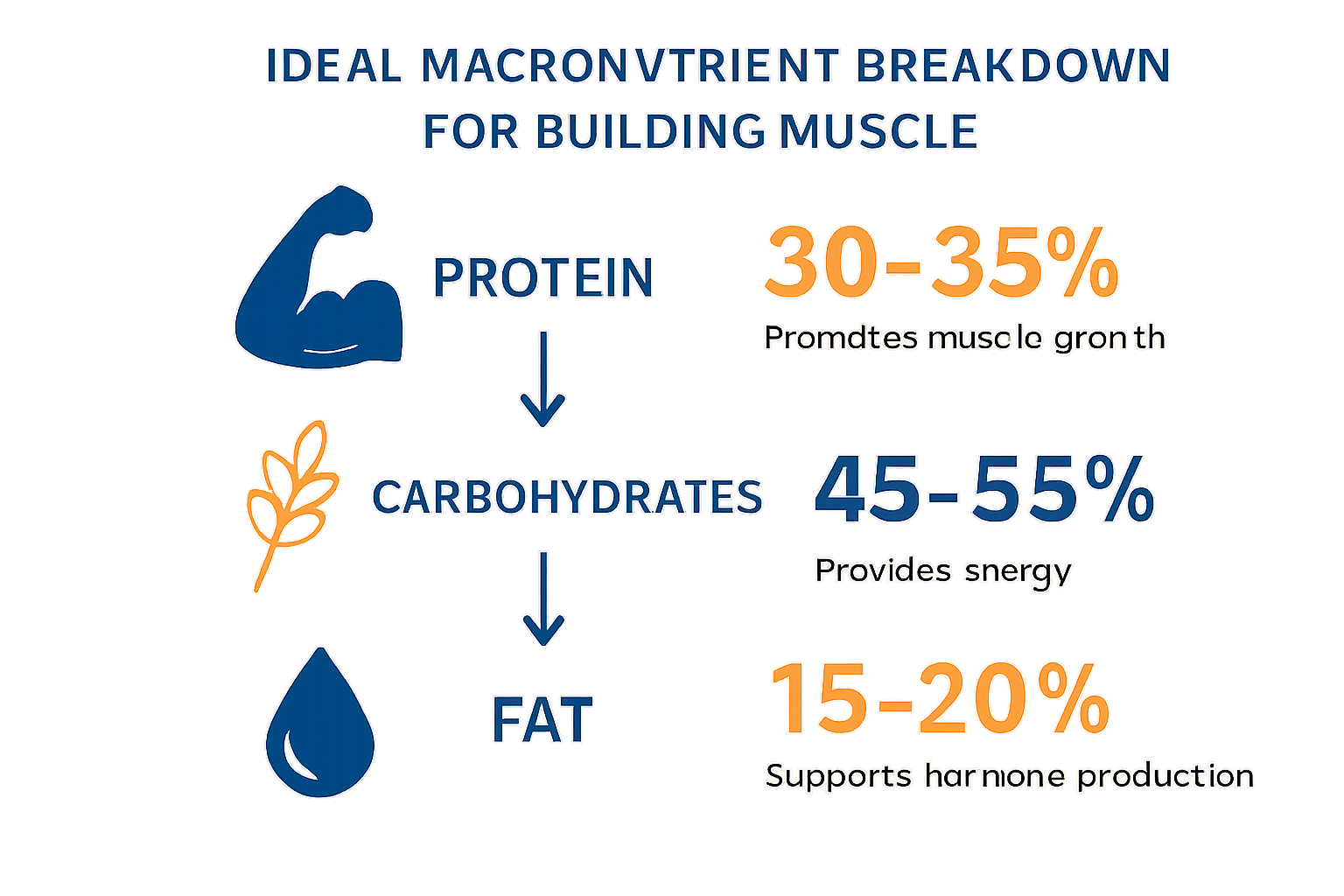
For individuals serious about muscle development, tracking macronutrient ratios becomes as important as total calorie intake. Most effective muscle-building diets maintain a balanced approach: approximately 30-35% protein, 40-50% carbohydrates, and 20-30% healthy fats. However, individual needs vary based on training intensity, body composition, and specific fitness goals.
Advanced athletes might experiment with nutrient timing, consuming higher carbohydrate meals around workout periods and adjusting fat intake accordingly. This approach maximizes energy availability during training while supporting consistent muscle growth and recovery.
Remember, nutrition is a personalized journey. What works perfectly for one individual might require slight modifications for another. Consistent monitoring, periodic adjustments, and listening to your body’s response are crucial in developing an effective muscle-building nutrition plan.
Strategic Meal Timing for Muscle
Muscle growth isn’t just about what you eat, but when you eat. Strategic meal timing can dramatically enhance muscle protein synthesis, optimize recovery, and maximize the metabolic benefits of your nutrition and training approach.
The Anabolic Window: Precision Nutrition
Nutrient timing represents a critical strategy for muscle development. Research published in the Journal of the International Society of Sports Nutrition reveals that consuming protein within 30 minutes post-workout can significantly increase muscle protein synthesis rates. However, recent studies suggest the anabolic window extends beyond this narrow timeframe, potentially up to two hours after exercise.
Consider consuming a meal containing 20-40 grams of high-quality protein with moderate carbohydrates immediately following resistance training. This approach helps replenish glycogen stores and provides essential amino acids when muscles are most receptive to nutrient absorption.
Distributing Protein Throughout the Day
Consistent protein distribution plays a more crucial role than previously understood. Nutritional research from the American Journal of Clinical Nutrition demonstrates that spreading protein intake across 4-5 meals maintains a continuous muscle protein synthesis environment.
Breakfast emerges as a particularly important meal for muscle development. Studies indicate that consuming approximately 30 grams of protein at breakfast helps counteract overnight muscle protein breakdown and initiates an anabolic state earlier in the day. This approach can improve muscle recovery, support metabolic health, and potentially enhance overall muscle growth potential.
Pre and Post-Workout Nutrition Strategies

Pre-workout nutrition sets the stage for optimal performance and recovery. Consuming a balanced meal containing protein and complex carbohydrates 1-2 hours before training provides sustained energy and amino acids. For those training early or with limited time, a quick protein shake with easily digestible carbohydrates can serve as an effective alternative.
Post-workout nutrition remains critical. Beyond protein, including moderate carbohydrates helps replenish muscle glycogen and supports the recovery process. A ratio of approximately 3:1 carbohydrates to protein can optimize muscle glycogen restoration and reduce muscle protein breakdown.
Advanced athletes might experiment with nutrient periodization, adjusting meal timing and composition based on training intensity and specific fitness goals. This might involve higher carbohydrate intake on intense training days and a more balanced approach during recovery periods.
Individual variability means there’s no universal perfect timing strategy. Monitoring your body’s response, tracking performance metrics, and making personalized adjustments are key to developing an effective meal timing approach.
Remember, while timing matters, total daily nutrient intake remains the most critical factor in muscle development. Consistency, quality of nutrients, and alignment with your specific training goals will ultimately drive meaningful muscle growth and performance improvements.
Hydration and Supplements Support
Optimal muscle growth extends far beyond macronutrient intake. Hydration and strategic supplementation play pivotal roles in supporting muscle development, performance, and overall physiological function. Understanding how these elements interact can significantly enhance your muscle-building journey.
Water: The Forgotten Muscle-Building Nutrient
Water represents more than just a basic survival need – it’s a critical component of muscle performance and growth. Research published in the Journal of the International Society of Sports Nutrition demonstrates that proper hydration directly impacts muscle protein synthesis, strength output, and recovery processes.
Muscle tissue is approximately 75% water, making hydration essential for maintaining muscle volume and supporting metabolic functions. Dehydration as little as 2% can reduce strength performance by up to 10-15%, significantly impacting training effectiveness. Aim for 30-35 milliliters of water per kilogram of body weight daily, with increased intake during intense training periods.
Strategic Supplementation for Muscle Support
Creatine monohydrate stands out as one of the most scientifically validated supplements for muscle development. Studies from the Journal of Strength and Conditioning Research consistently demonstrate its ability to improve muscle strength, increase lean muscle mass, and accelerate recovery. A standard dosage of 5 grams daily can provide meaningful benefits for most individuals.
Beyond creatine, certain supplements show promise in supporting muscle growth. Whey protein provides rapid amino acid delivery, while branched-chain amino acids (BCAAs) can help reduce muscle protein breakdown during intense training. However, research from the International Journal of Sport Nutrition and Exercise Metabolism emphasizes that supplements should complement, not replace, a balanced nutrition strategy.
Advanced Hydration and Supplement Considerations
Individualized approaches matter significantly in supplementation. Factors like training intensity, body composition, and individual metabolic responses determine supplement effectiveness. Nutritional research suggests that periodic cycling of supplements and maintaining consistent hydration can optimize their potential benefits.
Electrolyte balance becomes crucial during intense training. Supplements containing sodium, potassium, and magnesium can help maintain proper cellular hydration and support muscle function. For athletes engaged in prolonged or high-intensity training, electrolyte replacement becomes as important as water intake.
It’s critical to recognize that supplements are not magic solutions. They represent tools that can support your nutrition and training strategy when used intelligently. Quality matters immensely – choose supplements from reputable manufacturers that undergo third-party testing and provide transparent ingredient information.
Consult healthcare professionals before starting any new supplement regimen, especially if you have pre-existing medical conditions or are taking medications. Individual responses to supplements can vary widely, and professional guidance ensures safe and effective implementation.
Remember, the foundation of muscle growth remains consistent training, balanced nutrition, adequate rest, and individualized approach. Hydration and supplements serve as supportive elements in this comprehensive muscle-building strategy, not standalone solutions.
Frequently Asked Questions
What is the ideal protein intake for building muscle?
To support muscle growth, aim for 1.6 to 2.2 grams of protein per kilogram of body weight daily, spreading this intake across 4-5 meals for optimal results.
How important are carbohydrates in a muscle-building diet?
Carbohydrates are crucial as they provide the energy needed for workouts and aid in muscle recovery. Ideally, consume 3-5 grams of carbs per kilogram of body weight to support muscle development.
When should I consume protein to maximize muscle growth?
It is beneficial to consume 20-40 grams of high-quality protein within 30 minutes post-workout to enhance muscle protein synthesis and recovery. Distributing protein intake throughout the day is also essential.
How does hydration affect muscle growth?
Proper hydration is vital for muscle performance and growth. Aim for 30-35 milliliters of water per kilogram of body weight daily, as dehydration can negatively impact strength and recovery.
Unlock Your Muscle-Building Potential with Personalized Nutrition!
Navigating the complex landscape of muscle nutrition can be overwhelming, especially when it comes to balancing protein, carbs, and fats to fuel your gains. Whether you’re struggling to find the optimal protein intake, figuring out how to time your meals, or simply keeping up with hydration strategies, missing the mark can halt your progress. At Menalam, we understand these challenges—and we’re here to help you overcome them!

Imagine having a digital nutritionist at your fingertips—one that not only tailors personalized supplement recommendations for your unique health profile but also tracks your journey with you. With Menalam, you can complete a quick quiz to discover the vitamins and supplements that will support your muscle-building goals. Our AI-driven platform makes it simple to stay consistent, with smart reminders and progress tracking, ensuring you’re always on the right path.
Don’t let your hard work in the gym go to waste. Start your personalized nutrition journey NOW and see the difference scientifically validated solutions can make! Visit Menalam today and equip yourself with the tools needed to achieve lasting muscle growth and health success.
Leave a Reply