


Understanding nutritional needs is crucial for maintaining health and vitality. In fact, studies show that a personalized nutrition approach can significantly enhance overall well-being, particularly for individuals with unique dietary requirements. But here’s the kicker: many people still rely on generic diets that fail to address their individual needs. What might surprise you is that these one-size-fits-all solutions can not only be ineffective but may actually lead to health risks. The truth is, a detailed nutritional assessment can unlock the potential for optimal health by identifying specific deficiencies and guiding tailored interventions.
Table of Contents
- Why Assess Nutritional Needs?
- Steps For Nutritional Assessment
- Tools Used In Nutritional Assessment
- Applying Assessment Findings
Quick Summary
| Takeaway | Explanation |
|---|---|
| Personalized Nutrition Is Essential | A one-size-fits-all approach to nutrition is ineffective; individual assessments help identify unique dietary needs based on factors like age, genetics, and health conditions. |
| Early Intervention Can Prevent Chronic Diseases | Nutritional assessments play a critical role in spotting imbalances before they lead to more serious health issues, allowing for targeted strategies to mitigate risks. |
| Comprehensive Data Collection Enhances Assessments | Effective nutritional assessments integrate diverse data, including food history, anthropometric measurements, and biochemical analyses, to form a complete nutritional profile. |
| Dynamic Monitoring and Adaptation Are Crucial | Continuous assessment and adjustment of dietary plans based on ongoing monitoring are key to optimizing nutritional health over time. |
| Holistic Health Integration Improves Outcomes | Nutritional strategies should align with overall health management, addressing underlying conditions and incorporating lifestyle changes for comprehensive wellness. |
Why assess nutritional needs?
A nutritional needs assessment is far more than a simple checklist – it’s a comprehensive approach to understanding an individual’s unique health landscape. At its core, the process provides critical insights into how nutrition directly impacts overall health, performance, and long-term well-being.
The Critical Role of Personalized Nutrition
Nutritional needs vary dramatically across individuals, influenced by factors like age, genetics, lifestyle, and health conditions. Research from the National Institutes of Health demonstrates that a one-size-fits-all approach to nutrition is fundamentally flawed. A targeted nutritional needs assessment allows healthcare professionals and individuals to develop precise strategies that address specific bodily requirements.
For instance, an athlete’s nutritional profile will differ significantly from an elderly individual or someone managing a chronic condition. These variations mean that generic dietary recommendations can potentially miss crucial nutritional gaps or even create unintended health risks. A comprehensive nutritional needs assessment helps identify:
- Micronutrient deficiencies that might go unnoticed
- Potential metabolic challenges
- Individual metabolic response to different nutrients
- Personalized optimal dietary interventions
Health Outcomes and Early Intervention
Beyond individual variation, nutritional needs assessments play a pivotal role in preventative healthcare. Clinical studies published in the Journal of Nutrition reveal that early detection of nutritional imbalances can significantly reduce the risk of developing chronic diseases. Malnutrition – whether through deficiency or excess – is linked to numerous health complications, including cardiovascular disorders, diabetes, and compromised immune function.
By systematically evaluating an individual’s nutritional status, healthcare providers can:
- Identify potential health risks before they become critical
- Design targeted intervention strategies
- Monitor ongoing nutritional health
- Adjust dietary recommendations based on changing physiological needs
The Science of Personalized Nutrition
Modern nutritional science recognizes that nutrition is not just about consuming calories, but about providing the body with precisely tailored nutrients. Advanced research from Stanford University’s Nutrition Department highlights how genetic variations, metabolic profiles, and individual biochemistry significantly influence how our bodies process and utilize nutrients.
A comprehensive nutritional needs assessment goes beyond traditional blood tests. It integrates multiple data points, including:
- Genetic predispositions
- Metabolic markers
- Current health status
- Lifestyle factors
- Specific performance or health goals
This holistic approach transforms nutrition from a generic recommendation to a personalized, data-driven health strategy. By understanding individual nutritional requirements, individuals can optimize their diet, enhance performance, prevent potential health issues, and achieve a more balanced, energetic life.
In an era of personalized medicine, a nutritional needs assessment is not just a tool – it’s a fundamental approach to proactive health management.
Steps for nutritional assessment
A systematic and comprehensive nutritional assessment involves multiple strategic steps designed to capture a holistic view of an individual’s nutritional status. The process is not merely a linear checklist but a dynamic, interconnected approach that requires careful data collection, analysis, and interpretation.
Comprehensive Data Collection
The initial phase of a nutritional needs assessment centers on gathering diverse and comprehensive data. Research from the Academy of Nutrition and Dietetics highlights six critical domains of nutritional assessment:
- Food and Nutrition History: Detailed documentation of dietary patterns, eating behaviors, cultural food preferences, and nutritional knowledge
- Anthropometric Measurements: Precise tracking of height, weight, body composition, and physical indicators of nutritional status
- Biochemical Data and Medical Tests: Laboratory analysis of blood markers, nutrient levels, and metabolic indicators
- Nutrition-Focused Physical Examination: Clinical assessment of physical signs potentially indicating nutritional deficiencies
- Client Medical History: Comprehensive review of existing health conditions, medications, and potential nutritional interactions
- Assessment and Monitoring Tools: Standardized evaluation instruments to track nutritional progress
Each domain provides unique insights, and when integrated, they create a comprehensive nutritional profile that goes beyond surface-level observations.
Diagnostic Analysis and Interpretation
After comprehensive data collection, the next critical step involves diagnostic analysis. Clinical nutritionists from Johns Hopkins University emphasize the importance of interpreting collected data through multiple lenses. This process involves:
- Identifying potential nutritional deficiencies
- Assessing metabolic functioning
- Evaluating potential nutrient absorption challenges
- Determining individualized nutritional risks
Advanced diagnostic techniques now incorporate artificial intelligence and machine learning algorithms that can process complex datasets, providing more nuanced and predictive nutritional insights. These technologies enable healthcare professionals to move beyond traditional assessment methods, offering more personalized and precise nutritional recommendations.
Personalized Intervention and Monitoring
The final stage of nutritional assessment focuses on developing targeted interventions and establishing ongoing monitoring mechanisms. Nutrition research from the National Institutes of Health indicates that successful nutritional interventions require continuous adaptation and personalization.
Key components of this stage include:
- Developing a customized nutrition plan
- Setting measurable nutritional goals
- Creating strategies for sustainable dietary modifications
- Establishing regular follow-up and reassessment protocols
- Integrating technological tracking tools for real-time nutritional monitoring
This dynamic approach transforms nutritional assessment from a static evaluation into a continuous, evolving process of health optimization. By combining rigorous scientific methodology with personalized insights, nutritional assessments become powerful tools for proactive health management.
Ultimately, a well-executed nutritional needs assessment is not just about identifying deficiencies – it’s about empowering individuals with actionable, scientifically-backed strategies to achieve optimal health and wellness.
Tools used in nutritional assessment
Navigating the complex landscape of nutritional assessment requires a sophisticated arsenal of specialized tools and technologies. These instruments range from traditional clinical methods to cutting-edge digital platforms, each designed to capture different dimensions of an individual’s nutritional status and health profile.
Clinical and Physical Assessment Tools
Research from the Academy of Nutrition and Dietetics highlights several key clinical tools used in nutritional assessment:
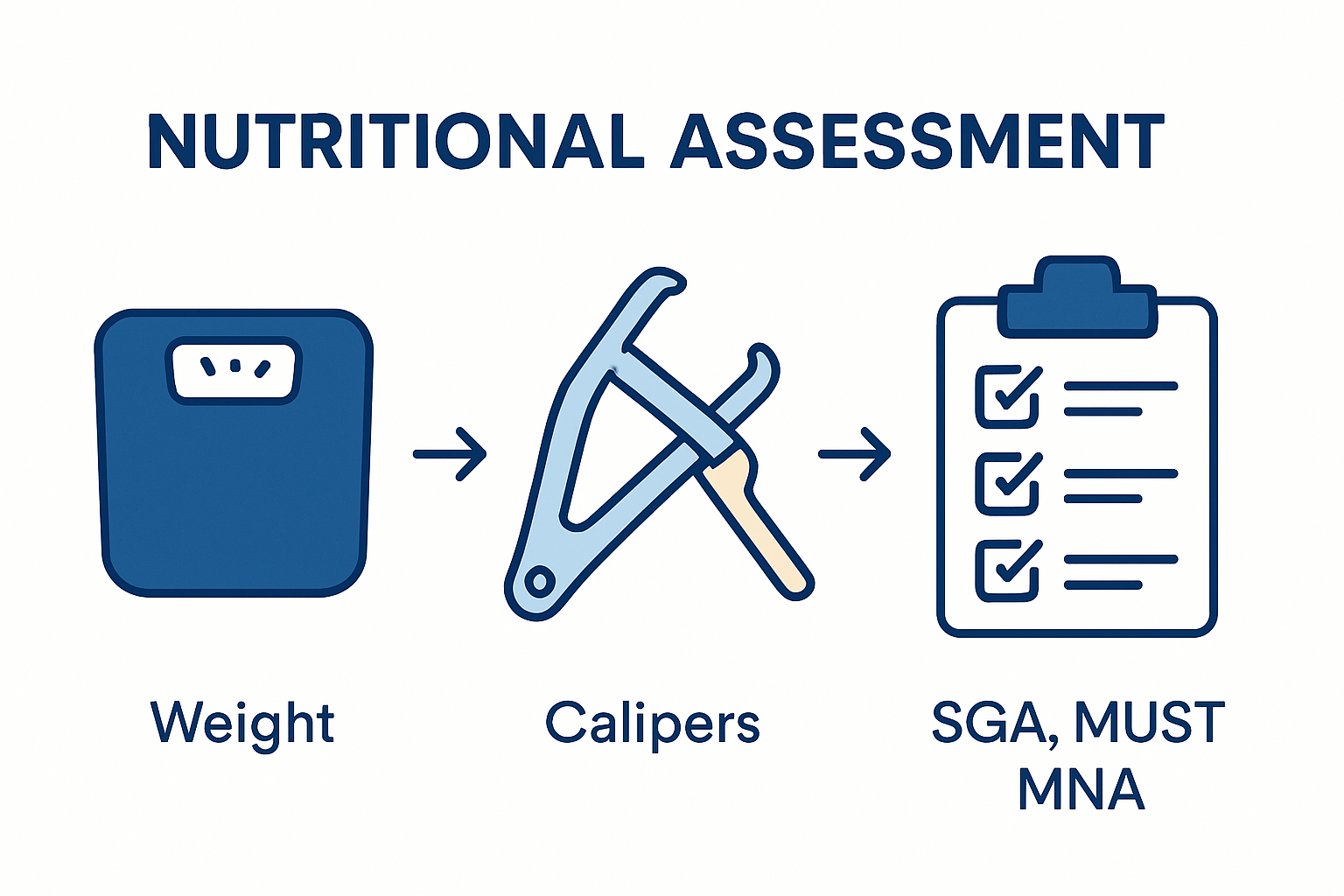
- Anthropometric Measurements: Precise tools like calibrated scales, body fat calipers, and tape measures that track weight, height, body mass index (BMI), and body composition
- Subjective Global Assessment (SGA): A comprehensive clinical tool that evaluates nutritional status through medical history and physical examination
- Malnutrition Universal Screening Tool (MUST): A five-step screening process identifying adults at risk of malnutrition
- Mini Nutritional Assessment (MNA): Specifically designed for elderly populations to assess nutritional risk
These tools provide critical baseline information, helping healthcare professionals develop targeted nutritional interventions. Physical assessment tools go beyond simple measurements, examining subtle signs of potential nutritional deficiencies like muscle wasting, skin changes, and hair condition.
Laboratory and Biochemical Diagnostic Tools
Advanced clinical research from Johns Hopkins University demonstrates the critical role of biochemical assessment tools in nutritional evaluation. Sophisticated laboratory techniques now enable precise tracking of nutritional markers:
- Blood panel analysis measuring micronutrient levels
- Metabolic profiling to assess nutrient absorption
- Genetic testing to understand metabolic predispositions
- Advanced metabolomics screening
- Comprehensive hormone and enzyme level assessments
These diagnostic tools provide molecular-level insights into an individual’s nutritional status, moving beyond surface-level observations to understand intricate metabolic processes. Modern laboratory techniques can detect subtle nutritional imbalances years before traditional clinical signs emerge.
Digital and Technological Assessment Platforms
Innovative research from the National Institutes of Health indicates that technological platforms are revolutionizing nutritional assessment. Modern digital tools offer unprecedented precision and personalization:
- AI-powered nutritional analysis platforms
- Mobile applications tracking dietary intake
- Wearable devices monitoring metabolic markers
- Machine learning algorithms predicting nutritional risks
- Integrated health tracking systems
These technological solutions transform nutritional assessment from a periodic clinical procedure to a continuous, real-time monitoring process. By integrating data from multiple sources – dietary logs, physical activity, genetic information, and biochemical markers – these platforms provide holistic, dynamic nutritional insights.
The future of nutritional assessment lies in this seamless integration of clinical expertise, laboratory precision, and technological innovation. As tools become more sophisticated, individuals gain unprecedented ability to understand, monitor, and optimize their nutritional health with scientific accuracy and personalized detail.
Applying assessment findings
Transforming nutritional assessment data into actionable strategies is a critical process that bridges scientific insights with practical health interventions. The application of assessment findings represents a sophisticated approach to personalized nutrition that goes far beyond generic dietary recommendations.
Personalized Nutritional Intervention Strategies
Research from the Harvard School of Public Health emphasizes that effective application of nutritional assessment findings requires a multi-dimensional approach. Healthcare professionals must develop targeted interventions that address specific nutritional deficiencies while considering individual physiological, lifestyle, and genetic factors.
Key components of personalized intervention strategies include:
- Precision Nutrition Planning: Developing customized dietary recommendations based on detailed assessment data
- Supplementation Protocols: Designing targeted micronutrient intervention plans
- Metabolic Optimization: Creating strategies to improve nutrient absorption and metabolic efficiency
- Lifestyle Modification Guidance: Integrating nutritional insights with broader health behavior recommendations
This approach transforms nutritional assessment from a diagnostic tool into a dynamic, personalized health optimization strategy. By recognizing individual metabolic uniqueness, healthcare providers can create more effective and sustainable nutritional interventions.
Monitoring and Adaptive Intervention
Clinical research from Johns Hopkins University highlights the importance of continuous monitoring and adaptive intervention. Applying assessment findings is not a one-time event but an ongoing process of refinement and personalization:
- Establishing baseline nutritional metrics
- Implementing targeted intervention strategies
- Conducting regular reassessments
- Dynamically adjusting nutritional plans
- Tracking long-term health outcomes
Advanced technological platforms now enable real-time tracking and adjustment of nutritional interventions. Machine learning algorithms can analyze ongoing data, providing predictive insights and allowing for proactive modifications to nutritional strategies.
Comprehensive Health Integration
Innovative studies from the National Institutes of Health demonstrate that applying nutritional assessment findings extends beyond individual dietary recommendations. The most effective approach integrates nutritional insights with comprehensive health management:
- Coordinating with medical treatment plans
- Addressing underlying health conditions
- Considering psychological and social factors affecting nutrition
- Developing holistic wellness strategies
- Empowering individuals through education and personalized insights
This comprehensive approach recognizes that nutrition is not an isolated aspect of health but a fundamental component of overall well-being. By applying assessment findings through a holistic lens, healthcare providers can develop powerful, personalized strategies that address root causes and promote long-term health optimization.
Ultimately, the true value of nutritional assessment lies not in the data collection itself, but in the ability to transform those insights into meaningful, personalized interventions that empower individuals to achieve their optimal health potential.
Frequently Asked Questions
What is a nutritional needs assessment?
A nutritional needs assessment is a comprehensive evaluation that identifies an individual’s unique dietary requirements, taking into account factors like age, genetics, health conditions, and lifestyle to optimize health and prevent diseases.
Why is personalized nutrition important?
Personalized nutrition is crucial because a one-size-fits-all approach can overlook individual nutritional needs, leading to potential deficiencies or health risks. Tailored assessments help create specific dietary strategies for optimal health outcomes.
What steps are involved in a nutritional assessment?
A nutritional assessment involves several key steps: comprehensive data collection, diagnostic analysis and interpretation, and personalized intervention and monitoring to identify nutritional deficiencies and recommend tailored dietary plans.
What tools are used in nutritional assessments?
Tools used in nutritional assessments include clinical and physical assessment methods, laboratory tests for biochemical analysis, and digital platforms that track dietary intake, providing a holistic view of an individual’s nutritional status.
Unlock Your Personalized Nutrition Journey with Menalam!
Are you tired of one-size-fits-all nutrition advice that overlooks your unique health needs? The recent guide on Nutritional Needs Assessment emphasizes the importance of customized dietary strategies to prevent chronic diseases and optimize well-being.
At Menalam, we believe in the power of personalized nutrition. By completing our quick health quiz, you gain access to tailored supplement recommendations that reflect your individual health profile, lifestyle, and dietary preferences. 🌟
Don’t leave your health to chance! Start making informed, data-driven decisions backed by our AI-powered platform. A better version of yourself is just a click away! Visit menalam.com today and transform your health journey – your body will thank you for it!
Leave a Reply