


Your digestive health is crucial to your overall well-being, and what you eat plays a vital role in this system. Surprisingly, most people overlook simple dietary changes that can transform their digestive experience. Research shows that incorporating fiber-rich foods into your diet can improve bowel movements and gut function by up to 25 percent. But here’s the twist: it’s not just about what you eat; your whole lifestyle influences your gut. From hydration to mental health, understanding these connections can unlock the secret to a healthier digestive system. Get ready to explore effective strategies that go beyond the plate and into your daily routine.
Table of Contents
- Eat The Right Foods For Digestion
- Lifestyle Changes Help Your Gut
- Hydration Is Key For Digestion
- Mind-Body Connection And Your Gut
Quick Summary
| Takeaway | Explanation |
|---|---|
| Incorporate Fiber-Rich Foods | Eating a variety of fiber-rich foods like whole grains, legumes, fruits, and vegetables promotes regular bowel movements, supports gut microbiota, and prevents constipation, enhancing overall digestive health. |
| Stay Hydrated | Proper hydration is essential for digestion; aim for at least 8 glasses of water daily, adjust based on activity and climate, and incorporate water-rich foods to support nutrient absorption and prevent constipation. |
| Manage Stress and Sleep | Effective stress management techniques such as meditation and maintaining quality sleep (7-9 hours nightly) can significantly improve gut health by stabilizing gut bacteria balance and reducing digestive issues. |
| Engage in Regular Physical Activity | Aim for at least 30 minutes of moderate exercise most days to stimulate intestinal movement, enhance digestion, and support a healthy gut microbiome. |
| Recognize the Mind-Gut Connection | Understand that emotional states can impact digestive function; practices like mindfulness and stress management can help improve both mental and digestive health. |
Eat the right foods for digestion
Your digestive system functions like a sophisticated processing plant, and the foods you choose are its primary raw materials. Understanding how to fuel this complex system can dramatically improve your overall digestive health and prevent uncomfortable issues.
Fiber-Rich Foods: The Digestive System’s Best Friend
Fiber acts as the ultimate digestive support mechanism, working like a natural cleanser and regulator for your gut. The 2025 Dietary Guidelines Advisory Committee highlights that consuming a diet rich in fiber from fruits, vegetables, legumes, and whole grains significantly contributes to better digestive health.
Incorporating foods like whole grains, legumes, fruits, and vegetables provides multiple benefits:
- Regulates bowel movements
- Supports beneficial gut microbiota
- Prevents constipation
- Helps maintain a healthy digestive tract
Examples of top fiber-rich foods include oatmeal, chia seeds, lentils, black beans, apples, and broccoli. Aim to include a variety of these foods in your daily diet to maximize digestive efficiency.
Probiotic and Fermented Foods: Cultivating Gut Health
Probiotics are live beneficial bacteria that play a crucial role in maintaining digestive balance. Research from NUTRITION 2025 demonstrates that gut health is optimized by consuming a diverse range of probiotic-rich foods.
Key probiotic sources include:
- Yogurt with live cultures
- Kefir
- Kimchi
- Sauerkraut
- Kombucha
- Miso
These fermented foods introduce healthy bacteria to your digestive system, helping to improve nutrient absorption, reduce inflammation, and support overall gut function.
Hydration and Digestive Wellness
Water is often overlooked but plays a critical role in digestion. Proper hydration helps break down food, supports nutrient absorption, and prevents constipation. Experts recommend drinking at least 8 glasses of water daily and increasing intake during physical activity or in hot weather.
Consider these hydration strategies:
- Start your day with a glass of water
- Drink water between meals
- Consume water-rich fruits and vegetables
- Limit caffeine and alcohol, which can dehydrate
By strategically choosing foods that support your digestive system, you’re not just eating – you’re investing in your overall health. Remember, a well-functioning digestive system is the foundation of wellness, impacting everything from energy levels to immune function.
Lifestyle changes help your gut
Your gut health isn’t solely determined by diet – it’s a complex ecosystem influenced by your entire lifestyle. Beyond nutrition, multiple daily habits can significantly impact your digestive system’s performance and overall wellness.
Exercise and Movement: Boosting Digestive Function
Physical activity does more than build muscle and burn calories. UCLA Health emphasizes that regular exercise plays a critical role in maintaining a healthy gut microbiome. Movement stimulates intestinal muscles, promotes faster digestion, and reduces inflammation.
Different types of exercise offer unique digestive benefits:
- Moderate walking: Encourages gentle intestinal movement
- Yoga: Reduces stress and supports digestive system
- Strength training: Increases metabolism and gut motility
- Low-impact cardio: Improves overall circulation and gut health
Aim for at least 30 minutes of moderate physical activity most days of the week to support your digestive system’s optimal function.
Stress Management and Sleep Patterns
Stress and sleep quality dramatically influence gut health. Research from UCLA Health reveals that chronic stress and poor sleep can disrupt the delicate balance of gut bacteria, leading to digestive issues and decreased immune function.
Effective stress reduction techniques include:
- Meditation
- Deep breathing exercises
- Regular sleep schedules
- Mindfulness practices
- Limiting screen time before bed
Prioritize 7-9 hours of quality sleep nightly and develop consistent relaxation routines to support your digestive system’s resilience.
Environmental Interactions and Gut Health
A 2025 study at the University of Alberta demonstrated that environmental interactions significantly impact gut microbiome composition. Spending time outdoors, reducing exposure to unnecessary antibiotics, and maintaining a diverse lifestyle can help restore and protect gut health.
Consider these environmental strategies:
- Spend time in nature
- Avoid unnecessary antibiotic use
- Limit exposure to environmental toxins
- Practice good hygiene without over-sanitizing
- Engage with diverse environments
By understanding that gut health extends beyond diet, you can create a holistic approach to digestive wellness. Small, consistent lifestyle modifications can transform your gut’s performance, enhancing overall health and preventing potential digestive complications.
Hydration is key for digestion
Water is not just a beverage – it’s a critical component of optimal digestive function. Your body depends on proper hydration to maintain smooth, efficient digestive processes that impact everything from nutrient absorption to waste elimination.
The Science of Water and Digestive Health

Research from Intestinal Health Studies reveals that water plays a fundamental role in shaping gut microbiome dynamics. Adequate hydration supports intestinal secretions, facilitates nutrient absorption, and maintains critical digestive system functions.
Water’s specific digestive benefits include:
- Softening stool to prevent constipation
- Supporting enzymatic processes
- Regulating body temperature during digestion
- Facilitating nutrient transportation
- Maintaining mucosal lining in the digestive tract
Chronic water restriction studies demonstrate that insufficient hydration significantly increases gastrointestinal transit time and reduces stool water content, potentially leading to uncomfortable digestive complications.
Optimizing Hydration Strategies
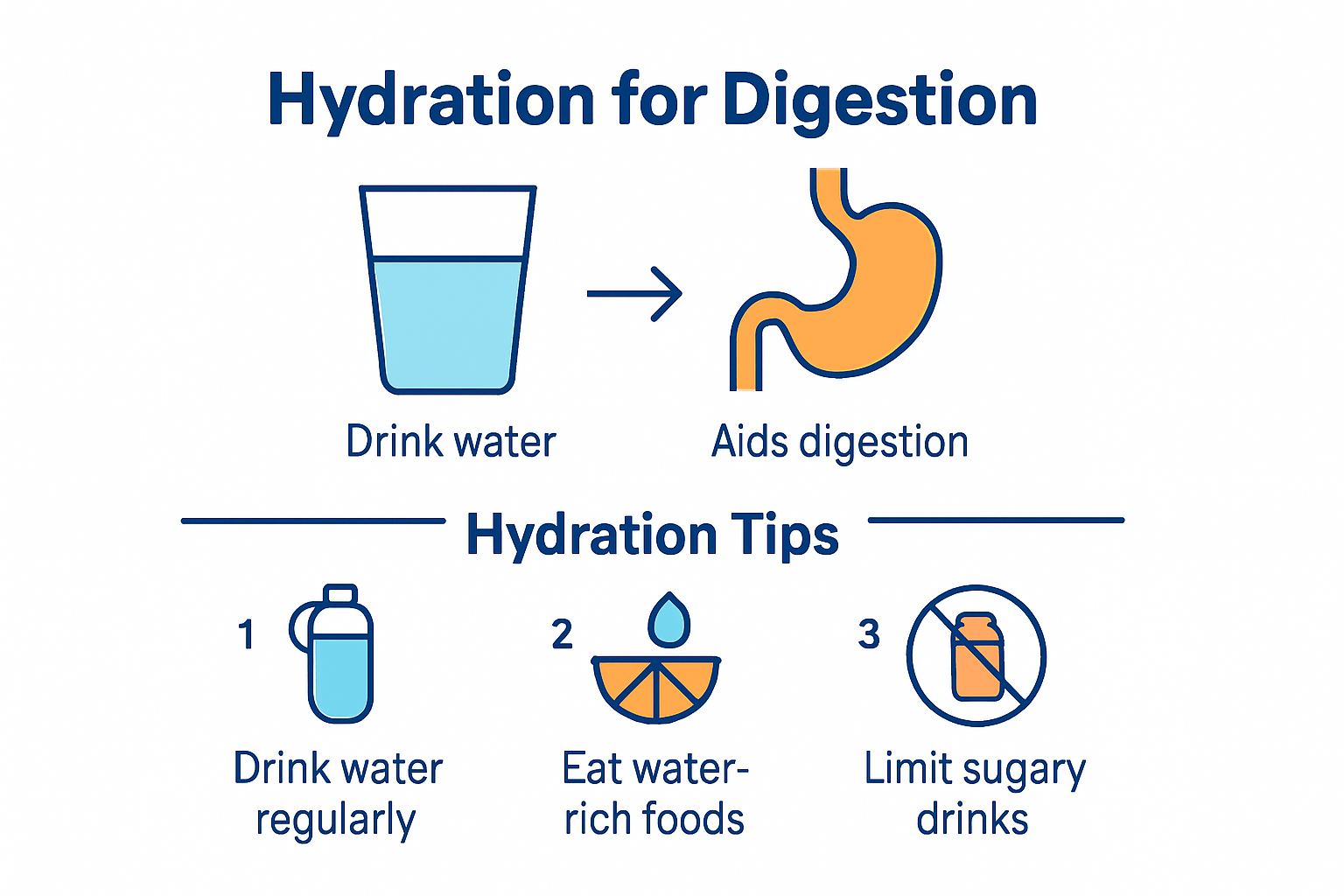
Effective hydration goes beyond simply drinking water. The quality, timing, and quantity of fluid intake can dramatically impact digestive efficiency. Nutritional hydration research suggests developing a strategic approach to fluid consumption.
Consider these advanced hydration techniques:
- Drink water consistently throughout the day
- Consume water before, during, and after meals
- Monitor urine color as a hydration indicator
- Include water-rich foods in your diet
- Adjust intake based on activity level and climate
Tips for tracking your hydration:
- Use a marked water bottle
- Set hourly hydration reminders
- Pair water intake with daily activities
- Experiment with herbal teas and infused water
Understanding Individual Hydration Needs
Hydration requirements vary based on multiple factors including age, weight, activity level, climate, and overall health. While the standard recommendation is eight 8-ounce glasses daily, individual needs can differ significantly.
Factors affecting hydration requirements:
- Body weight
- Physical activity intensity
- Climate and humidity
- Dietary habits
- Health conditions
- Medication use
Consult healthcare professionals to determine your personalized hydration strategy. Listen to your body’s signals and adjust fluid intake accordingly.
Remember, maintaining proper hydration is a continuous process. Consistent, mindful water consumption supports not just digestion, but overall physiological function, energy levels, and long-term health.
Mind-body connection and your gut
Your digestive system is far more than a simple mechanical process—it’s a complex, interconnected network deeply influenced by your mental and emotional states. The emerging field of neurogastroenterology reveals a profound bidirectional communication between your brain and gut that impacts overall health in ways we’re only beginning to understand.
The Neurological Landscape of Gut Health
Research from Cleveland Clinic confirms that signals continuously travel between your central nervous system and digestive tract through an intricate communication network. This gut-brain axis demonstrates how psychological experiences directly manifest in digestive function.
Key neurological connections include:
- Vagus nerve: Primary communication pathway between brain and gut
- Neurotransmitter interactions
- Hormonal signaling systems
- Neural circuit responses to emotional stimuli
Stanford Medicine’s investigations reveal that disruptions in this axis can contribute to not just digestive problems, but also neurological conditions, highlighting the critical importance of holistic mind-body wellness.
Stress, Emotions, and Digestive Responses
Brain Energy Research demonstrates how stress-sensitive neural circuits, particularly in the central amygdala, can dramatically alter gut function and microbiome composition.
Emotional states impact digestive processes through multiple mechanisms:
- Triggering inflammation responses
- Altering digestive enzyme production
- Changing intestinal permeability
- Modifying gut microbiome balance
- Impacting nutrient absorption
Common emotional experiences like anxiety, chronic stress, and depression can manifest as digestive symptoms such as:
- Bloating
- Stomach cramps
- Altered bowel movements
- Reduced appetite
- Increased sensitivity
Holistic Strategies for Mind-Gut Harmony
Recognizing the mind-body connection empowers you to develop proactive strategies for digestive wellness. Integrative approaches focus on synchronizing mental and digestive health through targeted interventions.
Effective mind-gut wellness strategies include:
- Regular meditation practices
- Mindfulness techniques
- Cognitive behavioral therapy
- Stress management workshops
- Breathwork exercises
- Psychological counseling
By acknowledging the intricate relationship between your mental landscape and digestive system, you can develop a more nuanced, comprehensive approach to wellness. Your gut isn’t just processing food—it’s continuously responding to your emotional world, making holistic self-care essential for optimal health.
Frequently Asked Questions
What are the best foods for improving digestion?
Eating fiber-rich foods like whole grains, fruits, vegetables, and legumes helps regulate bowel movements, supports gut health, and prevents constipation, significantly enhancing overall digestive health.
How much water should I drink for optimal digestion?
Experts recommend drinking at least 8 glasses of water daily, adjusting based on your activity level and climate. Proper hydration aids nutrient absorption and helps prevent constipation.
How does stress affect digestion?
Stress can disrupt the balance of gut bacteria and impair digestive functions, leading to issues like bloating and irregular bowel movements. Practices like meditation and mindfulness can help manage stress and improve gut health.
What role does exercise play in digestive health?
Regular physical activity stimulates intestinal movement and boosts gut health. Aim for at least 30 minutes of moderate exercise most days to enhance digestion and support a healthy gut microbiome.
Elevate Your Digestive Health with Personalized Solutions!
Are you ready to take your digestive wellness to the next level? As we explored in Simple Ways to Improve Your Digestion in 2025, incorporating fiber-rich foods, staying hydrated, and managing stress are crucial steps for gut health. However, tackling these changes alone can be overwhelming. Menalam is here to support you on your journey to digestive optimization!
With our AI-driven platform, you’ll receive personalized supplement recommendations tailored to your unique health profile, lifestyle, and dietary preferences. Say goodbye to guesswork and hello to a strategic health plan that evolves as you progress! Join a community of health-conscious individuals who are already revolutionizing their nutrition and supplement intake. Act now—visit https://menalam.com and complete our quick health quiz to start transforming your digestive health today!
Leave a Reply