
Nutrient gaps in diets today are more than just a dietary concern. A staggering more than half of the global population suffers from deficiencies in essential micronutrients. But here’s the twist—most people are completely unaware of how these gaps can derail their health. The unexpected reality is that addressing these deficiencies requires far more than just eating more fruits and vegetables; it demands a proactive, strategic approach to nutrition that includes understanding specific nutrient needs and making informed choices.
Table of Contents
- Identify Common Nutrient Gaps
- Build A Balanced Plate Everyday
- Address Gaps With Smart Choices
- Supplements And Getting Started
- Understanding Supplement Fundamentals
- [Identifying Your Specific Nutritional Needs](#identifying Your Specific Nutritional Needs)
- Starting Your Supplement Journey Safely
Quick Summary
| Takeaway | Explanation |
|---|---|
| Identify Nutrient Gaps | A proactive approach to identifying personal nutrient deficiencies includes comprehensive blood testing, dietary analysis, and targeted supplementation. |
| Build a Balanced Plate | Construct meals with half vegetables and fruits, a quarter whole grains, and a quarter healthy proteins to ensure diverse nutrient intake. |
| Smart Supplement Strategies | Personalized supplementation based on individual needs and professional guidance can help address specific nutrient inadequacies effectively. |
| Choose Nutrient-Dense Foods | Incorporate dark leafy greens, fatty fish, whole grains, and legumes into your diet to optimize essential nutrient intake and combat deficiencies. |
| Avoid Nutrient Depletion | Minimize the consumption of ultra-processed foods and adopt gentle cooking methods to preserve nutrient integrity in your meals. |
Identify Common Nutrient Gaps
Nutrient gaps represent a critical health challenge affecting millions worldwide, silently impacting overall wellness and potentially leading to long-term health complications. Understanding these gaps requires a comprehensive approach that goes beyond basic dietary assumptions.
The Global Landscape of Nutrient Deficiencies
The prevalence of nutrient inadequacies is more widespread than most people realize. Harvard School of Public Health research reveals that more than half of the global population experiences deficiencies in several essential micronutrients. These gaps aren’t just numbers—they represent real health risks that can compromise immune function, metabolic processes, and overall well-being.
Key micronutrients with significant global inadequacy include:
- Iodine: 68% inadequacy rate
- Vitamin E: 67% inadequacy rate
- Calcium: 66% inadequacy rate
- Iron: 65% inadequacy rate
Gender-Specific Nutrient Challenges
Interestingly, nutrient gaps aren’t uniform across genders. Women tend to show more significant inadequacies in specific nutrients like iodine, vitamin B12, iron, and selenium. Men, conversely, often demonstrate insufficient levels of calcium, niacin, thiamin, zinc, magnesium, and vitamins A, C, and B6.
This gender-specific variation highlights the importance of personalized nutritional approaches. One-size-fits-all dietary recommendations fail to address the nuanced nutritional needs of different demographic groups. Nutritional research suggests that calcium supply gaps will require substantial increases—up to 88-89%—by 2050 to ensure adequate global nutrition.
Strategies for Identifying Personal Nutrient Gaps
To effectively how to avoid nutrient gaps, individuals must adopt a proactive approach. This involves several strategic steps:
- Comprehensive Blood Testing: Regular micronutrient panels can reveal specific deficiencies with precision.
- Detailed Dietary Analysis: Professional nutritionists can help track and assess nutrient intake patterns.
- Personalized Supplementation: Based on individual test results, targeted supplements can address specific gaps.
- Regular Health Monitoring: Annual check-ups and consistent tracking help maintain nutritional balance.
Understanding and addressing nutrient gaps isn’t just about consuming more—it’s about consuming strategically. By recognizing individual nutritional needs and implementing targeted interventions, people can significantly improve their overall health and prevent potential long-term complications associated with chronic nutrient deficiencies.
Build a Balanced Plate Everyday
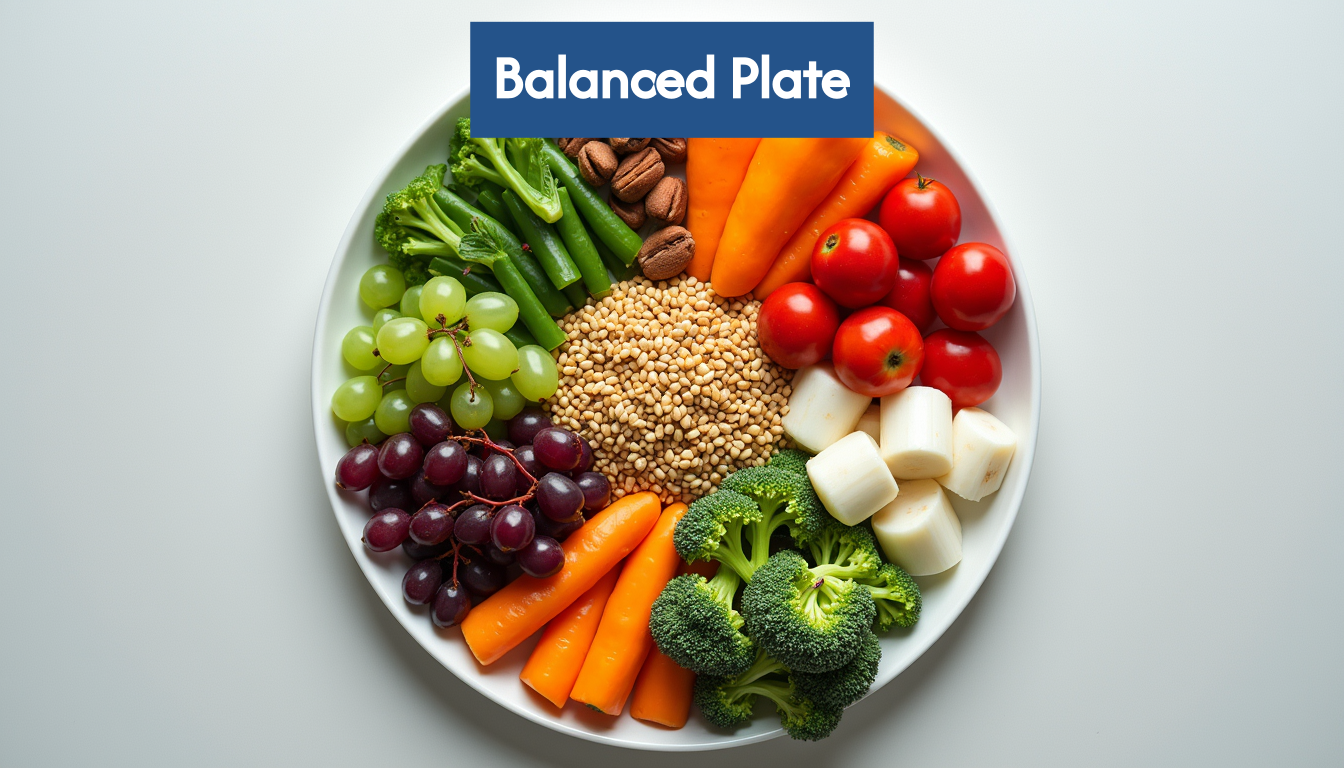
Creating a balanced plate isn’t just about filling your dish—it’s a strategic approach to how to avoid nutrient gaps and optimize your daily nutrition. The right combination of foods can transform your meals from mere sustenance to powerful nutritional investments.
The Science of Plate Composition
According to the Harvard School of Public Health’s Healthy Eating Plate, optimal nutrition follows a precise visual guide. The plate should be strategically divided: half dedicated to vegetables and fruits, while whole grains and healthy proteins each occupy a quarter of the plate. This approach ensures a diverse nutrient profile that supports comprehensive health needs.
Key principles of balanced plate construction include:
- Color Diversity: Different colored produce indicates varied nutrient profiles
- Protein Quality: Emphasizing lean and plant-based protein sources
- Whole Grain Selection: Prioritizing unprocessed, nutrient-dense grains
Adapting Nutrition Across Life Stages
Nutrition isn’t static—it evolves with age, activity level, and individual health requirements. Emerging dietary research highlights the importance of dietary flexibility. The upcoming 2025 Dietary Guidelines for Americans emphasize health equity and personalized nutritional approaches, recognizing that one-size-fits-all recommendations fail to address individual metabolic differences.
Practical Strategies for Daily Nutritional Balance
Implementing a balanced plate requires practical, sustainable strategies. Here are actionable approaches to ensure consistent nutritional quality:
- Meal Prep with Intention: Plan weekly meals that incorporate diverse nutrient sources
- Color-Code Your Plate: Aim for at least three different colored vegetables per meal
- Rotate Protein Sources: Alternate between animal and plant-based proteins
- Practice Portion Control: Use smaller plates to manage serving sizes naturally
Nutrition experts confirm that building a healthy plate supports more than just immediate nutritional needs. It strengthens immune function, helps manage weight, and provides sustained energy throughout the day.
Remember, building a balanced plate is an investment in your long-term health. By approaching nutrition with intention and knowledge, you transform every meal into an opportunity for wellness and vitality.
Address Gaps with Smart Choices
Navigating nutrient gaps requires more than passive awareness—it demands intentional, strategic approaches to nutrition that go beyond traditional dietary recommendations. Smart choices can transform how to avoid nutrient gaps and optimize overall health.
Supplement Strategies for Targeted Nutrition
Research from the Council for Responsible Nutrition reveals that dietary supplements play a crucial role in reducing nutritional inadequacies. Adults in food-secure households demonstrate lower risks of nutrient deficiencies when implementing targeted supplementation strategies. However, supplements aren’t a universal solution—they require careful, personalized selection.
Key considerations for smart supplementation include:
- Individual Assessment: Comprehensive blood testing to identify specific deficiencies
- Quality Selection: Choosing supplements from reputable, third-party tested manufacturers
- Professional Guidance: Consulting healthcare providers for personalized recommendations
Nutrient-Dense Food Choices
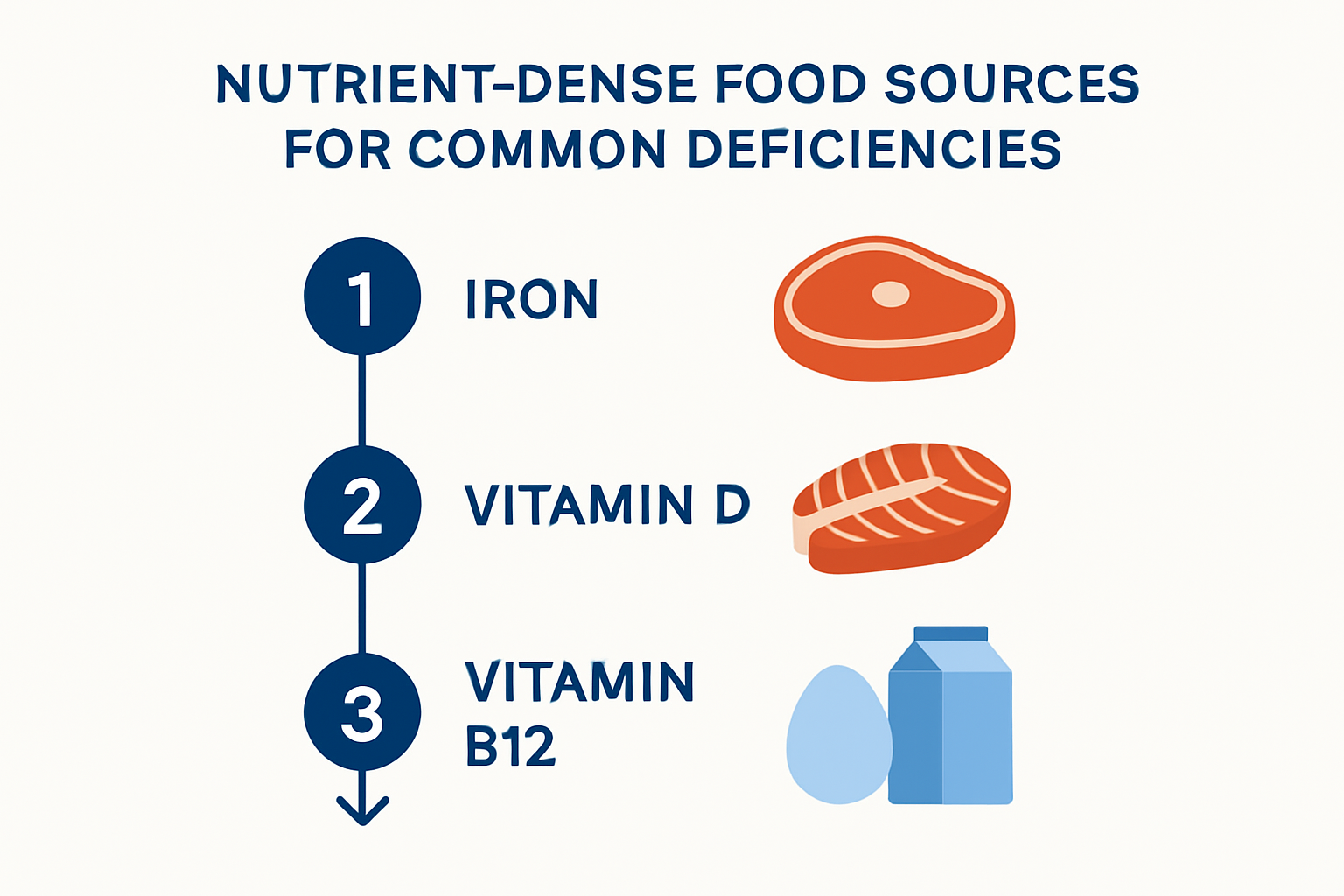
The 2025-2030 Dietary Guidelines Advisory Committee emphasizes the critical role of specific food groups in meeting nutritional requirements. Vegetables, for instance, contribute over 15% of intake goals for several essential nutrients and are particularly vital for vitamin A absorption.
Strategic food choices to address nutrient gaps include:
- Incorporating dark leafy greens for iron and calcium
- Choosing fatty fish for omega-3 fatty acids
- Selecting whole grains for complex B vitamins
- Integrating legumes for plant-based proteins and minerals
Avoiding Nutrient Depletion
Nutrition experts recommend reducing reliance on ultra-processed foods (UPFs), which are characterized as “hyper-palatable foods with minimal nutrient density.” Cooking methods also impact nutritional value—high-heat techniques can significantly degrade essential nutrients.
Practical strategies to preserve and maximize nutrient intake:
- Minimize ultra-processed food consumption
- Use gentle cooking methods like steaming and low-temperature roasting
- Consume raw or lightly cooked vegetables when possible
- Store and prepare foods to retain maximum nutritional value
Addressing nutrient gaps is a dynamic, ongoing process. By combining targeted supplementation, nutrient-dense food choices, and mindful preparation techniques, individuals can create a comprehensive approach to nutritional wellness that adapts to changing health needs and lifestyle demands.
Supplements And Getting Started
Navigating the world of dietary supplements can feel overwhelming, but understanding how to avoid nutrient gaps through strategic supplementation can significantly improve overall health and wellness. The right approach transforms supplements from mere pills to powerful nutritional tools.
Understanding Supplement Fundamentals
Research from the Council for Responsible Nutrition demonstrates that dietary supplements play a critical role in reducing micronutrient inadequacies. They contribute significantly to intake of essential vitamins, providing substantial support for nutrients like vitamins B6, B12, C, and D that may be challenging to obtain through diet alone.
Key considerations for supplement selection include:
- Individual Nutritional Needs: Personalized approach based on age, gender, and health status
- Quality Verification: Choosing third-party tested and certified supplements
- Comprehensive Assessment: Understanding your specific nutrient deficiencies
Identifying Your Specific Nutritional Needs
The National Institutes of Health highlights that nutrient requirements vary significantly across different populations. Adults experiencing food insecurity, for instance, show higher prevalence of micronutrient inadequacies in copper, potassium, niacin, and vitamins C, D, E, and K.
Practical steps for determining your supplement needs:
- Schedule comprehensive blood work
- Consult with a registered dietitian or healthcare provider
- Review your current diet and lifestyle
- Develop a targeted supplementation strategy
Starting Your Supplement Journey Safely
Global nutrition research indicates significant global nutrient gaps—particularly in calcium, vitamin A, and riboflavin—that are projected to increase with population growth. This underscores the importance of a thoughtful, measured approach to supplementation.
Essential guidelines for safe supplement introduction:
- Start with recommended daily allowances
- Introduce one supplement at a time
- Monitor your body’s response
- Maintain open communication with healthcare professionals
- Regular reassessment of your nutritional needs
Remember, supplements are not magic solutions but strategic tools in your nutritional toolkit. They work best when integrated with a balanced diet, regular exercise, and comprehensive healthcare. By approaching supplementation with knowledge, intention, and professional guidance, you can effectively address nutrient gaps and support your long-term health and wellness goals.
Frequently Asked Questions
How can I identify nutrient gaps in my diet?
To identify nutrient gaps, consider comprehensive blood testing, detailed dietary analysis with a nutritionist, and regular health monitoring. These steps will help you pinpoint specific deficiencies and adjust your nutrition accordingly.
What are the common nutrient deficiencies to be aware of?
Common nutrient deficiencies include iodine, vitamin E, calcium, and iron, with varying inadequacy rates among different populations. Understanding these gaps can help you make informed dietary choices.
How can I build a balanced plate to avoid nutrient gaps?
To build a balanced plate, fill half your plate with vegetables and fruits, and divide the other half between whole grains and healthy proteins. This approach ensures a diverse intake of essential nutrients.
What role do supplements play in preventing nutrient deficiencies?
Supplements can help address specific nutrient gaps when taken based on individual needs identified through testing. They should be used as a complement to a balanced diet, not as a replacement for whole foods.
Unlock Your Personalized Nutrition Journey Today!
Feeling overwhelmed by the complexities of nutrient gaps discussed in “How to Avoid Nutrient Gaps in Your Diet in 2025”? You’re not alone! Many individuals struggle with maximizing nutrient intake and often miss crucial vitamins and minerals, which can lead to long-term health challenges. But what if we told you that navigating these gaps could be as simple as a quick health quiz?
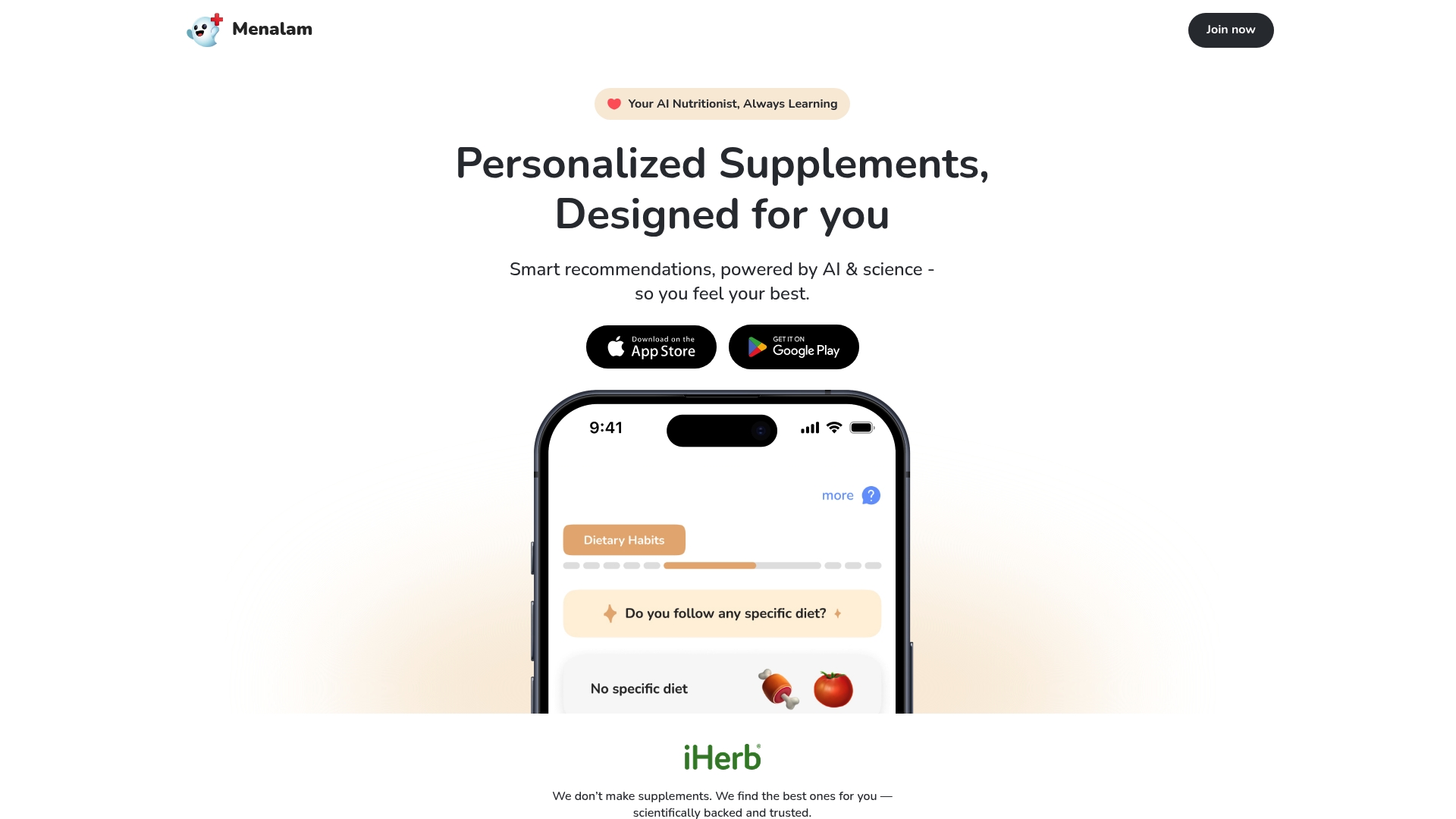
With Menalam, you gain access to an innovative platform that serves as your digital nutritionist, providing personalized supplement recommendations tailored to your unique health profile, lifestyle, and dietary preferences. Our service allows you to:
- Identify specific nutrient needs—just like the ones outlined in the article
- Track your health progress with our intuitive mobile app
- Receive smart reminders for your supplement intake so you never miss a dose!
Don’t let nutrient gaps hold you back from achieving your health and wellness goals! Visit Menalam today and start your journey toward optimal nutrition—your body will thank you!
Leave a Reply