
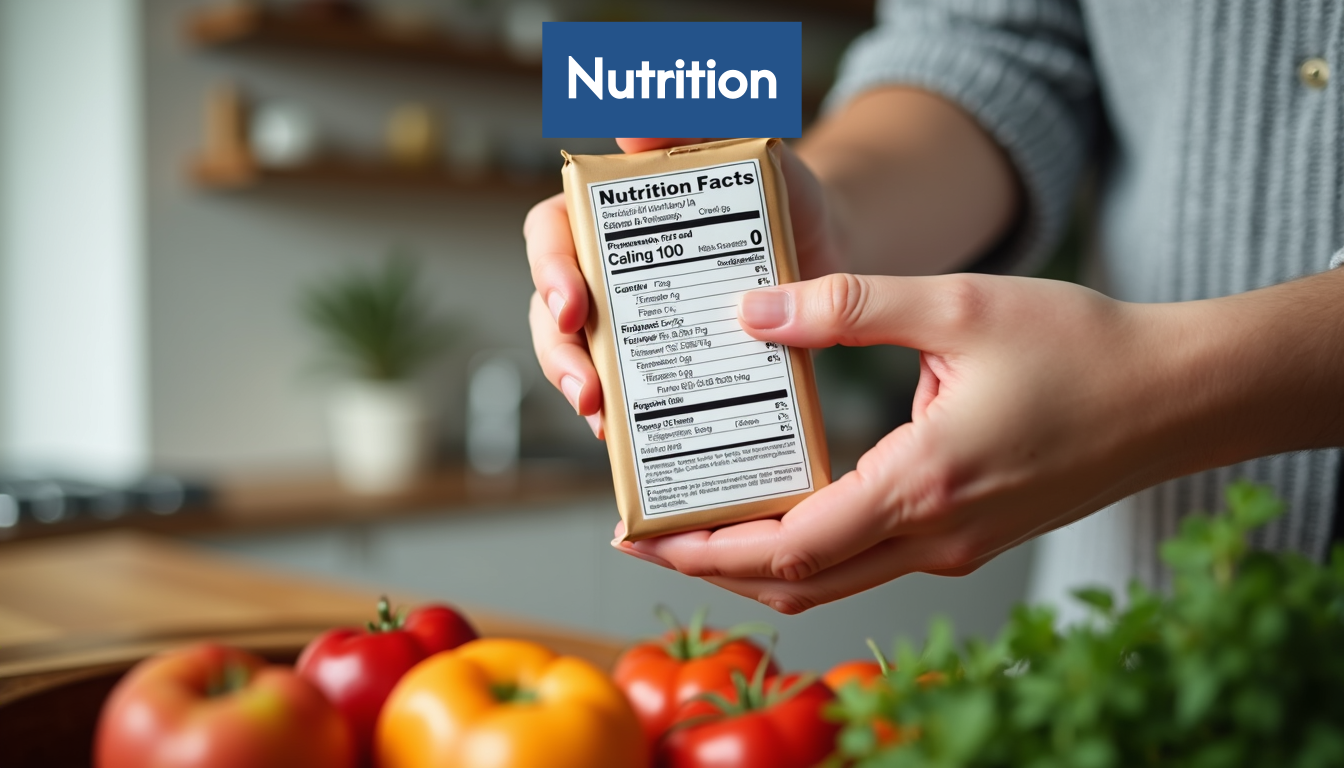
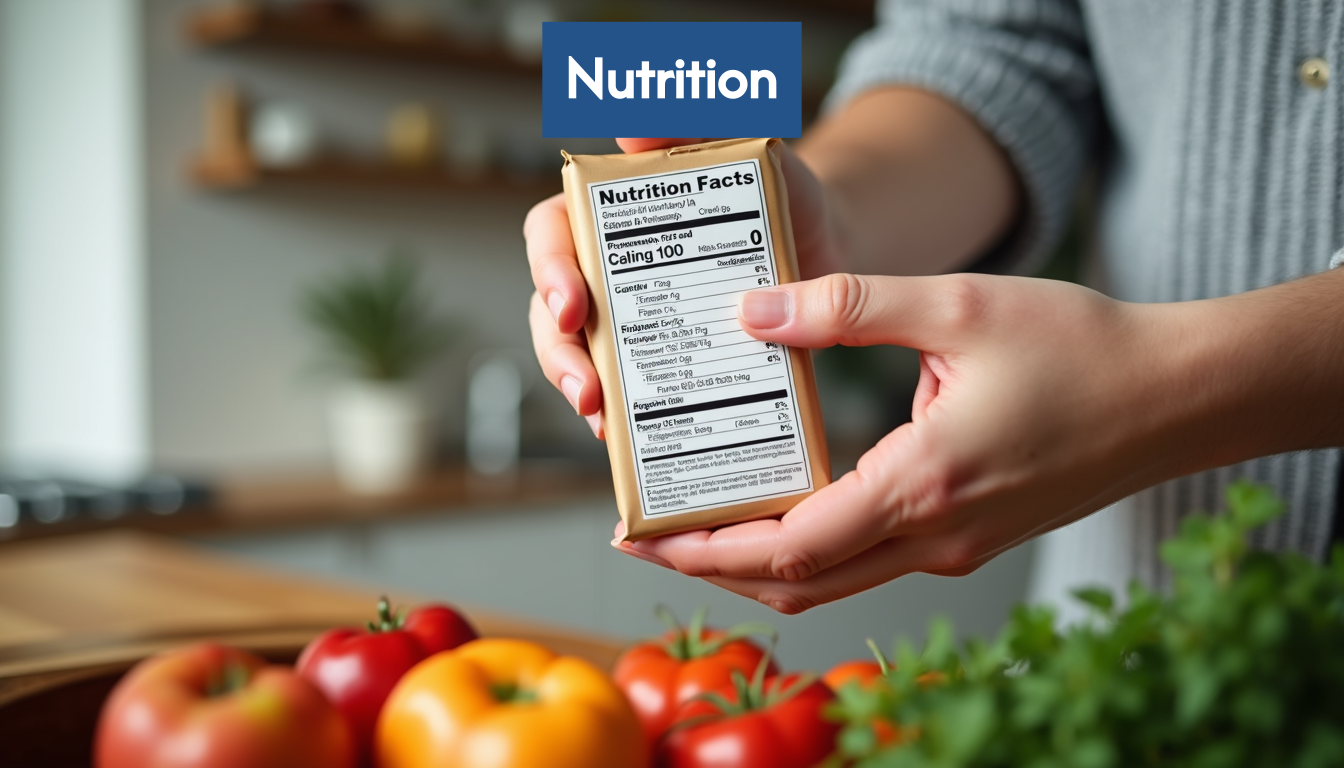
Nutrition labels are the key to understanding what we eat. They reveal essential details that can either support or sabotage our health. But here’s the kicker: many people overlook these labels entirely. This is surprising given that over 60 percent of Americans struggle to correctly interpret nutrition information. It turns out that mastering these labels could be your secret weapon in achieving better health. By learning to navigate nutrition information effectively, you can make informed choices that lead to a healthier lifestyle.
Table of Contents
- Understanding The Basics Of Nutrition Labels
- Breaking Down Nutrient Information
- Making Healthier Food Choices
- Tips For Everyday Nutrition Navigation
Quick Summary
| Takeaway | Explanation |
|---|---|
| Understand Nutrition Labels | Nutrition labels provide essential details about serving sizes, calories, and nutrient content. Learning to read and interpret labels is crucial for making informed dietary choices. |
| Prioritize Diverse and Nutrient-Dense Foods | Incorporate a variety of whole foods, such as fruits, vegetables, and plant-based proteins, into your diet for optimal health benefits. |
| Practice Mindful Eating and Meal Timing | Establish regular meal times, avoid late-night eating, and engage in intentional eating to improve overall nutritional health. |
| Adopt Sustainable Eating Habits | Choose foods that are not only good for your health but also have a low environmental impact, supporting local agriculture and minimizing waste. |
| Utilize Personalized Nutrition Strategies | Recognize that individual dietary needs vary; consult nutritionists and adjust your diet based on personal health goals and responses to different foods. |
Understanding the Basics of Nutrition Labels
Navigating nutrition information starts with decoding the nutrition label, a critical tool for making informed dietary choices. These standardized labels provide essential details about the nutritional content of packaged foods, empowering consumers to understand exactly what they’re putting into their bodies.
Anatomy of a Nutrition Label
A standard nutrition label contains several key components that reveal crucial information about the food’s nutritional profile. The top section typically displays serving size, which is fundamental to understanding the nutritional values listed below. Many consumers overlook this critical detail, mistakenly applying nutritional information to the entire package when the values actually represent a single serving.
The U.S. Food and Drug Administration recommends carefully examining serving sizes, as they can significantly differ from what people actually consume. For instance, a small package might list multiple servings, meaning the calories and nutrients multiply accordingly.
Decoding Nutritional Values
Key nutritional components on the label include calories, total fat, cholesterol, sodium, total carbohydrates, protein, and added sugars. Each of these elements provides insight into the food’s overall nutritional quality. The most recent nutrition label updates now highlight added sugars, helping consumers distinguish between naturally occurring and artificially added sweeteners.
Research from the University of Florida emphasizes that consumer understanding of these labels is crucial. The study suggests that labels indicating a food as “healthy” require clear definition and explanation to be truly effective. This means looking beyond marketing claims and diving into the actual nutritional content.

Making Informed Choices
Effective navigation of nutrition information requires more than just reading numbers. Consumers should look for key indicators of nutritional value:
- Percent Daily Value (%DV): Shows how much a nutrient contributes to a total daily diet
- Ingredient List: Ingredients are listed in descending order by weight
- Comparative Analysis: Compare similar products to make the healthiest choice
The proposed FDA front-of-package nutrition labels aim to simplify this process by using “Low,” “Med,” or “High” levels for saturated fat, sodium, and added sugar. This approach helps consumers quickly assess the nutritional quality of foods without diving deep into the detailed label.
Understanding nutrition labels is not just about reading numbers—it’s about interpreting those numbers in the context of your personal health goals and dietary needs. By developing label-reading skills, you can make more informed decisions about the foods you consume, ultimately supporting better overall nutrition and wellness.
Breaking Down Nutrient Information
Navigating nutrition information requires a deeper understanding of how different nutrients impact our body’s overall health and function. Nutrients are essential compounds that provide energy, support growth, and maintain critical bodily processes, each playing a unique role in our nutritional well-being.
Essential Macronutrients
Macronutrients form the foundation of our dietary intake, comprising proteins, carbohydrates, and fats. The 2025 Dietary Guidelines Advisory Committee emphasizes the importance of understanding these nutrients through a lens of health equity and accessibility.
Proteins, particularly, have gained significant attention. Research highlights that plant-based proteins offer remarkable health advantages. Nutrition experts recommend beans, peas, and lentils as primary protein sources, noting their potential to reduce risks of obesity, type 2 diabetes, heart disease, and certain cancers.
Micronutrients and Their Significance
Micronutrients, though required in smaller quantities, are crucial for maintaining optimal health. Vitamins and minerals support immune function, bone health, and metabolic processes. The complexity of nutrient absorption varies among individuals, introducing the emerging field of nutrigenomics.
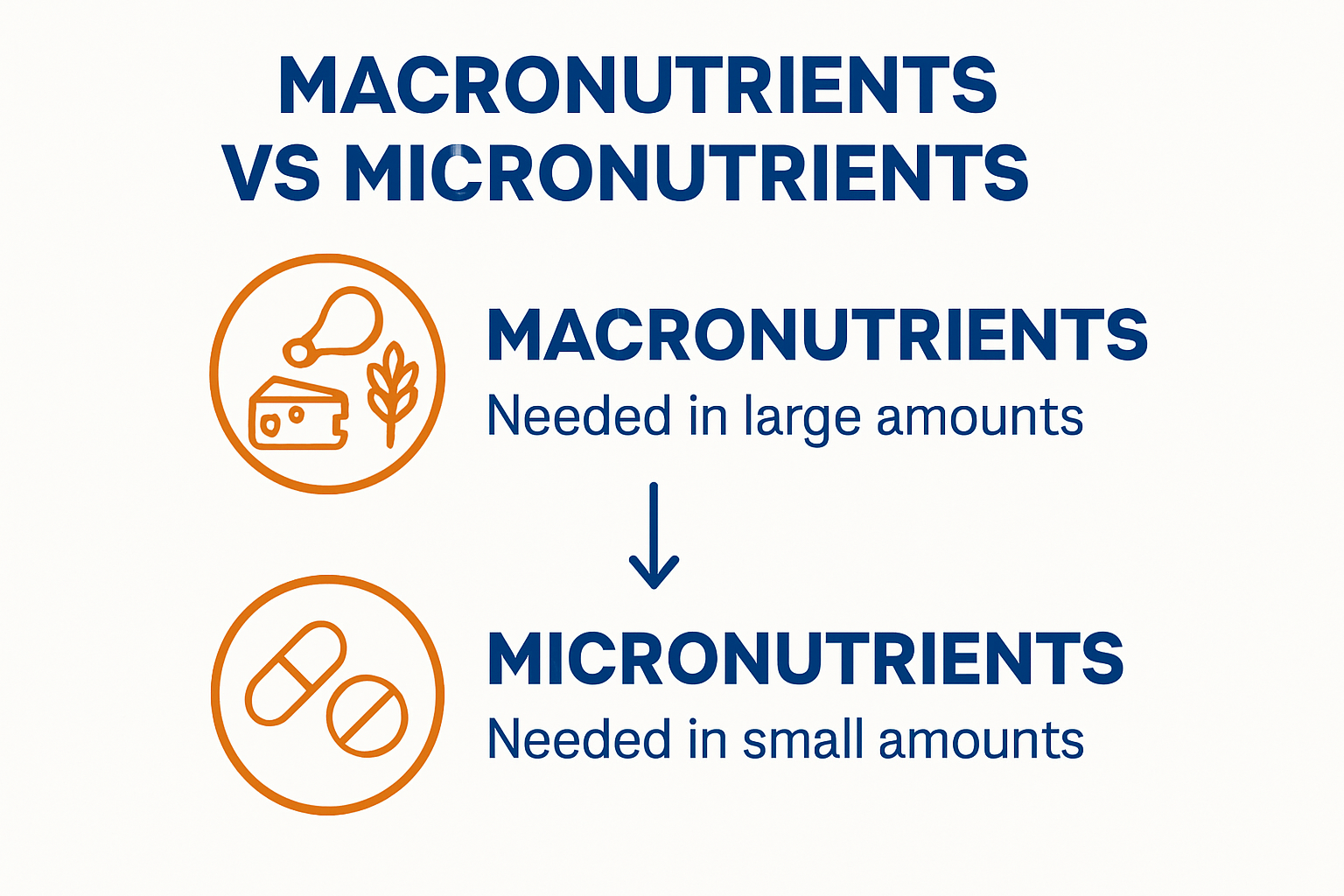
Nutrigenomics research reveals that genetic differences significantly influence how individuals metabolize and respond to nutrients. This groundbreaking approach suggests that personalized nutrition strategies can be tailored to an individual’s unique genetic profile, potentially optimizing health outcomes.
Personalized Nutrient Strategies
Understanding nutrient breakdown goes beyond generic recommendations. Factors like age, gender, activity level, and genetic makeup play critical roles in determining nutritional needs. Key strategies for effective nutrient management include:
- Diverse Diet: Incorporate a wide range of nutrient-rich foods
- Individual Assessment: Consider personal health goals and genetic predispositions
- Professional Guidance: Consult nutritionists for personalized advice
Navigating nutrition information is a complex but rewarding journey. By comprehending how different nutrients interact with our body and recognizing individual variations, we can make more informed dietary choices that support long-term health and wellness.
Making Healthier Food Choices
Navigating nutrition information transforms into practical action when making healthier food choices. Understanding what constitutes a nutritious diet goes beyond reading labels—it involves strategic decision-making that supports long-term health and wellness.
Embracing Balanced Nutrition Strategies
The Mediterranean diet, recently ranked as the best overall diet for 2025, exemplifies a holistic approach to nutrition. This dietary pattern emphasizes whole foods, plant-based proteins, and minimal processed ingredients. By prioritizing nutrient-dense foods, individuals can create sustainable eating habits that promote overall health.
Key principles of balanced nutrition include diversity in food selection, portion control, and understanding the nutritional value of different food groups. Whole foods should form the foundation of your diet, with an emphasis on fruits, vegetables, lean proteins, and whole grains.
Reducing Hidden Health Risks
Modern dietary guidelines are increasingly focusing on reducing salt and sugar intake. Global food trend reports indicate an accelerating movement toward lower-sodium and lower-sugar food products. This shift is driven by growing consumer health awareness and updated nutritional policies.
Strategies for reducing hidden health risks include:
- Reading nutrition labels carefully
- Choosing whole foods over processed alternatives
- Limiting added sugars and sodium
- Opting for cooking methods that don’t require excessive salt
Sustainable and Accessible Nutrition
The Food and Agriculture Organization defines sustainable diets as more than just nutritional content. These diets must be accessible, affordable, safe, culturally acceptable, and have a low environmental impact. Sustainable food choices consider not just personal health, but also broader ecological and social implications.
Practical tips for sustainable food choices include:
- Supporting local farmers and seasonal produce
- Choosing plant-based protein sources
- Minimizing food waste
- Selecting products with minimal environmental footprint
Making healthier food choices is a continuous journey of learning, adaptation, and mindful consumption. By understanding nutritional principles, being aware of hidden health risks, and considering the broader impact of our dietary decisions, we can create a personalized approach to nutrition that supports both individual and global well-being.
Tips for Everyday Nutrition Navigation
Navigating nutrition information in daily life requires practical strategies that transform knowledge into actionable habits. Developing a sustainable approach to nutrition means creating systems that support healthy choices without overwhelming daily routines.
Meal Planning and Preparation
The 2025 Dietary Guidelines scientific report emphasizes the importance of strategic food choices. Increasing intake of vegetables, fruits, beans, peas, lentils, and nuts while reducing red and processed meats can significantly lower risks of cardiovascular disease and type 2 diabetes.
Practical meal planning tips include:
- Batch cooking nutrient-dense meals
- Preparing weekly meal schedules
- Stocking pantry with healthy staples
- Using portion-controlled containers
Timing and Mindful Eating
Research reveals that meal timing plays a crucial role in nutritional health. Studies consistently show that eating later in the day is associated with less favorable health outcomes and increased obesity risk.
Key strategies for mindful eating include:
- Establishing consistent meal times
- Eating breakfast within an hour of waking
- Avoiding late-night eating
- Practicing slow, intentional eating
Personalized Nutrition Approach
The emerging field of personalized nutrition recognizes that individual dietary needs vary. Nutrition experts now emphasize the gut-brain connection and tailored dietary approaches.
Consider these personalization strategies:
- Track your body’s response to different foods
- Consult with nutritionists for individualized guidance
- Monitor energy levels and overall well-being
- Adjust diet based on personal health goals
Effective nutrition navigation is about creating sustainable, flexible strategies that adapt to your unique lifestyle. By understanding your body’s needs, planning thoughtfully, and remaining open to adjustments, you can develop a nutrition approach that supports long-term health and wellness.
Frequently Asked Questions
What are nutrition labels and why are they important?
Nutrition labels provide essential information about the serving size, calories, and nutrient content of packaged foods, helping consumers make informed dietary choices that support their health.
How can I effectively read a nutrition label?
To read a nutrition label effectively, start by looking at the serving size, then check the calories and key nutrients such as total fat, cholesterol, sodium, and sugars. Pay attention to the Percent Daily Value (%DV) to understand how a particular nutrient fits into your daily diet.
What are macronutrients, and why are they essential?
Macronutrients include proteins, carbohydrates, and fats, which are essential for providing energy and supporting bodily functions. Understanding their balance in your diet is key to maintaining overall health.
How can I make healthier food choices when grocery shopping?
To make healthier food choices, prioritize whole foods like fruits, vegetables, and lean proteins. Read nutrition labels, opt for items with lower sodium and added sugars, and compare similar products to find the most nutritious options.
Elevate Your Nutrition Game with Personalized Insights!
Understanding nutrition labels is just the beginning of your health journey. While mastering the basics helps you make informed dietary choices, the reality is, many of us still struggle to identify the right nutrients for our unique needs. Imagine feeling empowered with a tailored supplement plan that considers your lifestyle, health goals, and even your genetic profile! With Menalam, you can bridge the gap between knowledge and action seamlessly.
Say goodbye to one-size-fits-all approaches! Whether you’re seeking to reduce hidden health risks from excess sugars and sodium, or striving for a more sustainable and nutritious diet, Menalam has your back. Our AI-driven platform is designed to provide you with personalized supplement recommendations, track your health progress, and adjust your plan as you evolve. Start your journey to optimal health today: visit https://menalam.com and take our quick health quiz to uncover the vitamins and supplements that are scientifically validated for you. Don’t wait—your personalized path to wellness starts NOW!
Leave a Reply