
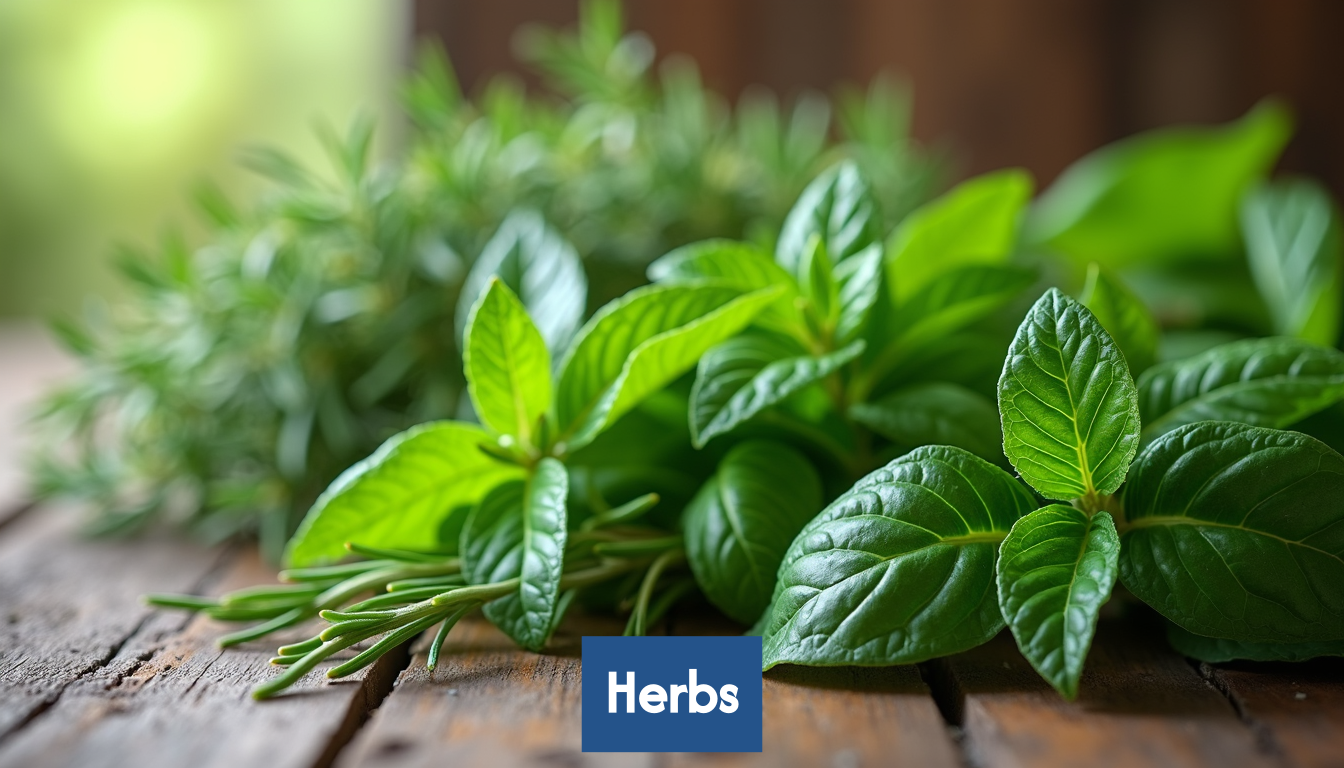
Herbs have been vital to human health for centuries, serving as nature’s pharmacy. A staggering 80% of the world’s population relies on herbal remedies for primary health care, showcasing their significance across cultures. But here’s the kicker: most people think herbs are just supplements for minor ailments. In reality, many herbs possess potent healing abilities that can range from supporting immune function to enhancing mental clarity. Unlocking these natural therapies could redefine your approach to wellness.
Table of Contents
- Understanding The Power Of Medicinal Herbs
- Common Herbs And Their Uses
- Using Herbs Safely And Effectively
- Integrating Herbs Into Your Routine
Quick Summary
| Takeaway | Explanation |
|---|---|
| Medicinal herbs have a long history of usage | Herbal medicine has been utilized for thousands of years globally, with 80% of the world’s population relying on them for health care, reflecting both cultural significance and growing scientific validation. |
| Personalized herbal usage is crucial | Responsible herbal use involves understanding proper dosages, potential interactions, and consulting healthcare professionals to ensure safe and effective incorporation into wellness routines. |
| Quality matters in herbal products | Variations in herb quality can affect effectiveness and safety. Consumers should seek products with third-party testing, clear ingredient lists, and reputable manufacturer information to ensure reliability. |
| Integrating herbs into daily life enhances benefits | Consistent herbal practices, such as incorporating herbal teas and culinary herbs into daily routines, can maximize their therapeutic effects and support overall wellness. |
| Herbs are complementary, not replacements for medical care | While herbs hold healing potential, they should be used alongside professional medical advice, ensuring tailored and holistic approaches to health management. |
Understanding the Power of Medicinal Herbs
Medicinal herbs have been a cornerstone of human health for thousands of years, representing a sophisticated approach to healing that bridges traditional wisdom and modern scientific understanding. From ancient civilizations to contemporary medical research, these natural remedies have consistently demonstrated remarkable potential in promoting wellness and addressing various health challenges.
The Historical Roots of Herbal Medicine
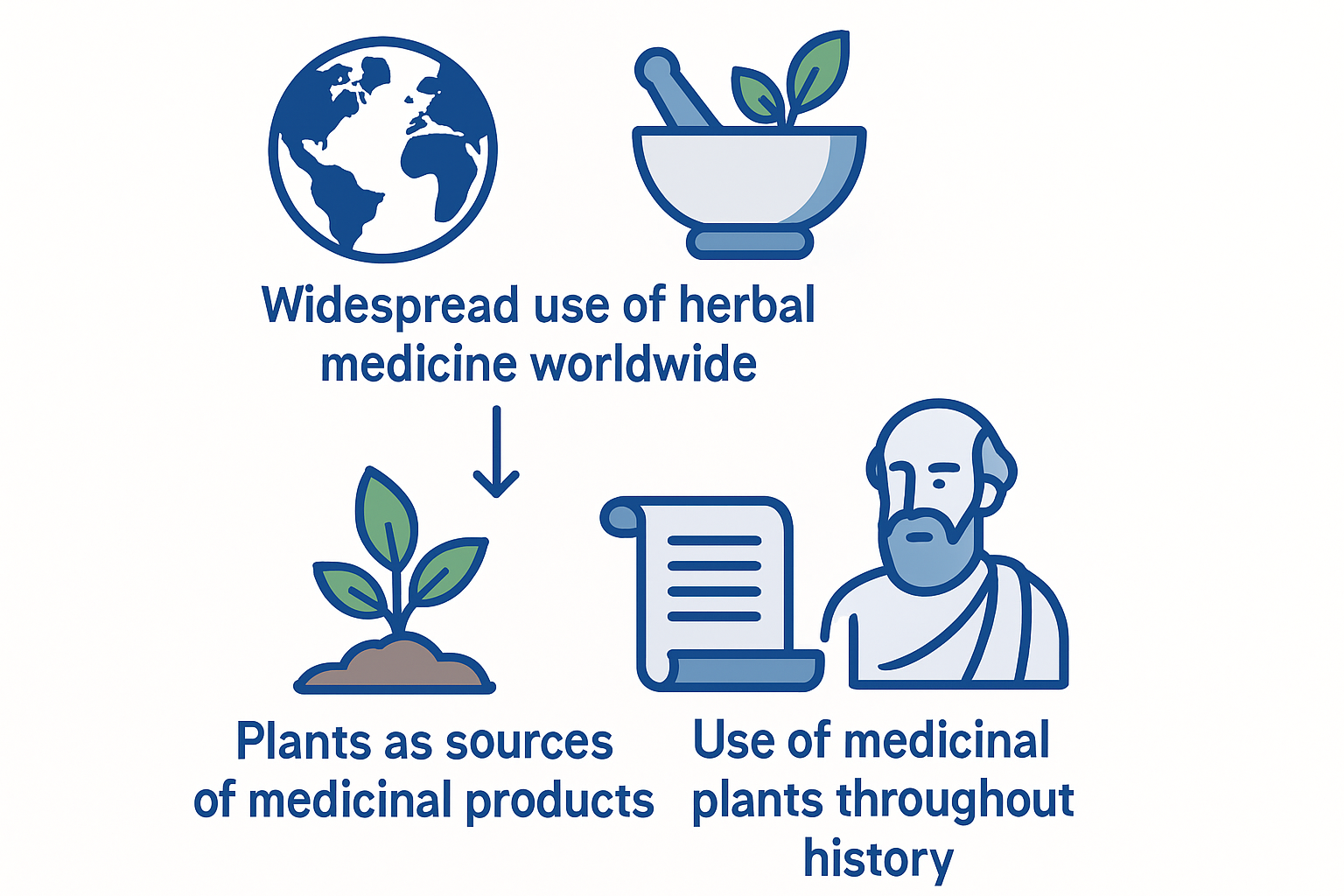
Herbal medicine isn’t a new trend but a time-honored practice deeply rooted in human history. Civilizations across the globe, from Chinese traditional medicine to Native American healing practices, have long recognized the therapeutic potential of plants. According to research published in the Journal of Ethnopharmacology, approximately 80% of the world’s population still relies on herbal medicines as a primary form of healthcare.
The global significance of herbal medicines is substantial, with studies indicating annual expenditures reaching billions of dollars. This economic investment reflects not just cultural tradition, but growing scientific validation of herbal treatments’ effectiveness.
Scientific Validation of Herbal Healing
Modern scientific research has begun to systematically validate what traditional healers have known for centuries. Clinical studies have demonstrated tangible therapeutic benefits of herbal medicines across multiple health domains. For instance, research in pharmacological journals has shown standardized herbal extracts can significantly improve symptoms of conditions ranging from overactive bladder to respiratory infections.
Culinary herbs like clove, rosemary, sage, and oregano are not just flavor enhancers but potent sources of antioxidants. Comprehensive nutritional studies reveal these herbs contain high levels of phenolic compounds, which contribute to their remarkable health-promoting properties.
Integrating Herbal Wisdom with Modern Healthcare
The future of herbal medicine lies in thoughtful integration with contemporary medical practices. This doesn’t mean replacing conventional treatments but complementing them with nature’s sophisticated healing mechanisms. Healthcare professionals are increasingly recognizing that herbs can offer holistic approaches to wellness, with fewer side effects compared to synthetic pharmaceuticals.
Key considerations for responsible herbal use include understanding proper dosages, potential interactions with existing medications, and consulting qualified healthcare professionals. Not all herbal remedies are universally safe or appropriate for every individual, emphasizing the importance of personalized, informed approaches to herbal healing.
As scientific research continues to unlock the complex biochemical pathways of medicinal plants, we’re witnessing an exciting convergence of traditional knowledge and cutting-edge medical science. The power of medicinal herbs represents a profound reminder of nature’s intricate healing potential, offering hope and holistic wellness strategies for individuals seeking comprehensive health solutions.
Common Herbs and Their Uses
Herbal medicines represent a diverse and powerful toolkit for promoting health and addressing various wellness challenges. Understanding the specific benefits and applications of different herbs can help individuals make informed decisions about natural healing strategies.
Digestive And Wellness Herbs
Some herbs have remarkable capabilities in supporting digestive health and overall wellness. Ginger, for instance, has been used for over 2,500 years in traditional Chinese medicine as both a flavoring agent and an antiemetic. Its potent anti-nausea properties make it an excellent natural remedy for motion sickness, pregnancy-related morning sickness, and post-chemotherapy nausea.
Chamomile offers another excellent example of a multipurpose herb. According to the University of Rochester Medical Center, chamomile is widely used in the United States for anxiety reduction and relaxation. In European traditional medicine, it’s additionally valued for wound healing and inflammation reduction. However, users should be cautious, as chamomile can interact with certain medications and potentially cause drowsiness.
Immune Support And Healing Herbs
Echinacea stands out as a powerful immune-supporting herb, traditionally used by Native American communities to treat infections and wounds. Modern research suggests it may help reduce the duration and severity of common cold symptoms. Similarly, elderberry has gained significant attention for its potential antiviral properties, with some studies indicating it might help mitigate influenza symptoms.
Turmeric, with its active compound curcumin, represents another potent healing herb. Its anti-inflammatory and antioxidant properties have been extensively studied, showing potential benefits for joint health, cognitive function, and metabolic wellness. Research published in various medical journals highlights curcumin’s promising therapeutic applications.
Considerations For Safe Herbal Use
Research from the National Institutes of Health emphasizes that while herbal medicines are primarily used for health promotion and chronic condition management, their quality can vary significantly. Not all herbal supplements are created equal, and some manufacturers may include fillers that reduce effectiveness or potentially cause adverse reactions.
Before incorporating any herbal remedy into your wellness routine, consider these crucial guidelines:
- Consult with healthcare professionals, especially if you have pre-existing medical conditions
- Research the specific herb’s potential interactions with medications
- Purchase herbs from reputable sources that provide transparent sourcing and quality testing
- Start with recommended dosages and monitor your body’s response
Understanding the nuanced world of herbal medicine requires a balanced approach that respects both traditional wisdom and contemporary scientific research. Each herb offers unique properties, and their effectiveness can vary based on individual health contexts, preparation methods, and personal physiological responses.
Using Herbs Safely and Effectively
Navigating the world of herbal medicine requires a thoughtful and informed approach. While herbs offer powerful natural healing potential, their effectiveness and safety depend on understanding proper usage, potential interactions, and individual health contexts.
Understanding Herbal Dosage and Toxicity
Research on herbal medicine safety reveals that potential toxicity is often dose-dependent. What makes an herb therapeutic at clinical doses can become harmful at extremely high concentrations. For instance, certain herbal compounds show significant differences between clinical and toxic doses, underscoring the importance of following recommended guidelines.
The complexity of herbal medicine is further complicated by individual variations in metabolism, existing health conditions, and potential interactions with conventional medications. Healthcare professionals emphasize the critical nature of personalized herbal treatment plans that consider a patient’s unique physiological profile.
Quality Control and Product Selection
Studies in pharmaceutical research highlight significant challenges in herbal medicine safety, primarily stemming from inadequate quality controls and inconsistent labeling. This lack of standardization can lead to unpredictable outcomes and potential health risks.
Implementation of Good Manufacturing Practices (GMP) has become crucial in addressing these challenges. Stringent testing protocols help minimize contamination, prevent adulteration, and ensure consistent composition and potency. When selecting herbal products, consumers should look for:
- Third-party testing certifications
- Clear ingredient lists
- Reputable manufacturer information
- Transparent sourcing details
Practical Guidelines for Safe Herbal Use
Responsible herbal medicine use requires a comprehensive approach. Consider these essential guidelines:
-
Consultation is Key: Always discuss herbal treatments with healthcare professionals, especially if you have pre-existing medical conditions or are taking prescription medications.
-
Start Low, Go Slow: Begin with recommended minimum doses and carefully monitor your body’s response. Gradual introduction allows you to assess individual tolerance and effectiveness.
-
Research and Documentation: Maintain a detailed record of herbal supplements, including dosages, brands, and any observed effects or side reactions.
-
Quality Over Quantity: Prioritize high-quality, professionally sourced herbal products over cheaper alternatives with questionable origins.
-
Understand Potential Interactions: Some herbs can significantly interact with prescription medications, potentially altering their effectiveness or causing adverse reactions.
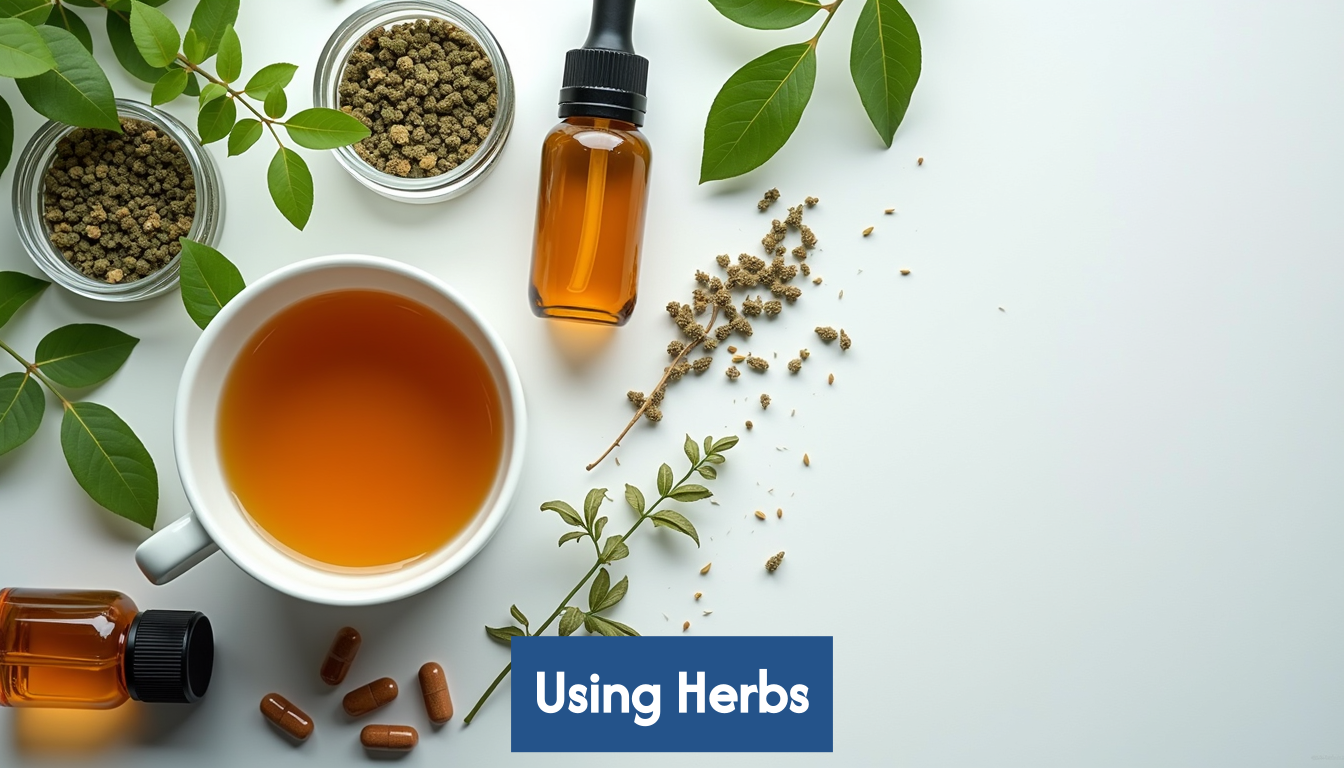
The journey of using herbs safely is about balance, informed decision-making, and respecting the complex nature of natural medicine. While herbs offer remarkable healing potential, they are not universal solutions and require the same careful approach as any other form of medical treatment.
Remember that herbal medicine is a complementary approach, not a replacement for professional medical care. Your healthcare provider can offer personalized guidance tailored to your specific health needs, ensuring you harness the power of herbs safely and effectively.
Integrating Herbs into Your Routine
Transforming herbal medicine from an occasional remedy to a consistent wellness practice requires thoughtful integration and creative approaches. By understanding how to seamlessly incorporate herbs into daily life, individuals can unlock their long-term health-promoting potential.
Daily Herbal Consumption Strategies
Ayurvedic traditions offer insights into consistent herbal integration, demonstrating how herbs can become natural extensions of our nutritional and wellness routines. Simple methods like herbal teas, culinary additions, and strategic supplementation can make herbal consumption both enjoyable and beneficial.
Morning rituals provide an excellent opportunity for herbal incorporation. Consider starting your day with warming teas like ginger or turmeric, which not only offer delicious flavors but also provide anti-inflammatory and digestive support. Herbal smoothies and morning elixirs can transform supplement intake from a chore into a pleasurable, nutritious experience.
Creating Consistent Herbal Practices
Research on holistic healing emphasizes that herbs work most effectively when used consistently. Establishing regular herbal rituals helps maximize their therapeutic potential. This might involve creating dedicated times for herbal consumption, such as an evening calming tea routine or midday adaptogenic supplement intake.
Consider developing a personalized herbal calendar that aligns with your specific health goals. Some individuals might focus on immune-supporting herbs during seasonal transitions, while others might prioritize stress-management herbs during high-pressure work periods. The key is developing a flexible yet consistent approach that resonates with your individual wellness needs.
Practical Integration Methods
Herbal medicine experts suggest multiple approaches for daily incorporation, recognizing that variety prevents monotony and supports comprehensive wellness. Some practical integration methods include:
- Culinary Herb Infusion: Incorporate healing herbs like rosemary, thyme, and oregano directly into cooking
- Herbal Supplementation: Use high-quality capsules or tinctures that fit seamlessly into existing supplement routines
- Topical Applications: Explore herbal oils, balms, and skincare products for external wellness support
- Aromatherapy and Herbal Steams: Utilize essential oils and herbal steam treatments for respiratory and emotional wellness
Successful herbal integration is about personalization and sustainable practices. Listen to your body, remain flexible, and view herbal wellness as a journey of continuous learning and adaptation. While herbs offer remarkable potential, they work best when approached with patience, respect, and a holistic understanding of individual health dynamics.
Remember that herbal routines are deeply personal. What works brilliantly for one person might require modification for another. Maintain open communication with healthcare professionals, remain curious about your body’s responses, and approach herbal integration as an evolving, intuitive process of wellness discovery.
Frequently Asked Questions
What are the benefits of using herbs for health?
Herbs offer a range of health benefits, including immune support, digestive health, and anti-inflammatory properties. Many herbs contain antioxidants and can enhance overall wellness when used consistently.
How should I start using herbs safely?
To use herbs safely, consult with healthcare professionals, start with recommended minimum doses, and monitor your body’s responses. It’s also important to choose high-quality herbal products from reputable sources.
Can herbs replace prescription medications?
While herbs can complement medical treatments, they should not replace prescription medications. Always consult your healthcare provider to ensure safe and effective use of herbs alongside conventional treatments.
What are some common herbs and their uses?
Common herbs include ginger for digestive health, echinacea for immune support, turmeric for inflammation, and chamomile for relaxation. Each herb offers unique properties that can assist with various health concerns.
Unlock Your Herbal Potential with Personalized Nutrition
Have you ever felt overwhelmed by the seemingly endless options in the world of herbal remedies? With the powerful insights from our article on medicinal herbs, you now understand their profound potential for enhancing wellness—but knowing which ones suit your unique health profile can be challenging. Emerging studies show that the right herbs can boost immune function, aid digestion, and even promote relaxation, but finding the perfect balance tailored to your needs is crucial.

That’s where Menalam steps in! Our innovative platform delivers personalized supplement recommendations based on your health profile, dietary preferences, and lifestyle. With our AI-driven approach, you can take the guesswork out of your supplementation journey. Imagine having a digital nutritionist in your pocket, guiding you to harness the full powers of herbs safely and effectively! Don’t wait to transform your wellness journey—visit Menalam today and take our quick health quiz to discover your tailored supplement plan. Your path to informed, confident health choices starts now!
Leave a Reply