


The relationship between sleep and nutrition is not just a casual connection; it is a powerful link that shapes our daily lives. Studies show that balanced macronutrients can enhance sleep quality, leading to better overall health. But here’s the kicker: many people overlook their diet, believing sleep issues are solely related to stress or environment. The truth is, the right foods can be a game-changer. Imagine transforming your sleepless nights into restful slumber simply by tweaking your diet. Curious how simple dietary changes can lead to profound sleep improvements? Let’s dive in.
Table of Contents
- Dietary Patterns Influence Sleep Quality
- Essential Nutrients For Better Sleep
- Foods That Promote Restful Sleep
- Foods To Limit For Improved Sleep
Quick Summary
| Takeaway | Explanation |
|---|---|
| Balanced Macronutrients Promote Sleep | Consuming a diet with appropriate proportions of proteins, complex carbohydrates, and healthy fats helps regulate blood sugar and support consistent energy levels, enhancing sleep quality. |
| Incorporate Sleep-Inducing Foods | Foods like kiwifruit, tart cherry juice, and fatty fish are rich in compounds that promote sleep quality, helping individuals fall asleep faster and experience more restorative rest. |
| Limit Caffeine and Heavy Meals Before Bed | Avoiding caffeine, stimulant-rich substances, and heavy meals close to bedtime can significantly improve sleep quality by preventing disruptions in sleep architecture. |
| Prioritize Nutrient-Dense Foods | Focus on whole foods rich in essential nutrients like magnesium, vitamin D, and omega-3 fatty acids to support natural sleep mechanisms for better rest. |
| Understanding Individual Dietary Needs | Recognizing that nutritional needs vary allows for personalized dietary approaches that can effectively optimize sleep quality. |
Dietary Patterns Influence Sleep Quality
Sleep and nutrition are deeply interconnected, with dietary choices playing a crucial role in determining the quality and duration of our nightly rest. The foods we consume can significantly impact our sleep architecture, affecting everything from how quickly we fall asleep to the depth and restfulness of our sleep cycles.
The Complex Relationship Between Diet and Sleep
Nutrition impacts sleep through multiple physiological mechanisms. What we eat influences hormonal balance, neurotransmitter production, and metabolic processes that directly regulate sleep patterns. Research from a systematic review demonstrated that healthy dietary patterns are strongly associated with improved sleep quality, while processed and sugar-rich diets can disrupt sleep cycles.
A comprehensive study of 481,242 Chinese adults revealed fascinating insights into dietary patterns and sleep. The research found that specific dietary compositions could reduce insomnia risk by 10-15%. Dietary patterns rich in wheat, animal foods, eggs, fresh fruits, and dairy products showed particular promise in promoting better sleep outcomes.
Nutritional Strategies for Optimal Sleep
Making strategic dietary choices can significantly enhance sleep quality. Key nutritional approaches include:
-
Balanced Macronutrients: Consuming a diet with appropriate proportions of proteins, complex carbohydrates, and healthy fats helps regulate blood sugar and support consistent energy levels.
-
Micronutrient-Rich Foods: Nutrients like magnesium, tryptophan, and vitamin D play critical roles in sleep regulation. Foods such as nuts, seeds, lean proteins, and leafy greens can support natural sleep mechanisms.
-
Timing of Nutrition: When you eat is almost as important as what you eat. Consuming heavy meals close to bedtime can disrupt sleep, while strategic evening nutrition can promote relaxation.
Impact of Dietary Patterns on Sleep Quality
Research examining dietary patterns uncovered compelling evidence about the relationship between nutrition and sleep. Fruit and vegetable-rich dietary patterns were consistently associated with higher sleep quality, while diets high in processed foods and sugars demonstrated negative correlations with restful sleep.
Understanding these connections empowers individuals to make informed dietary choices that support healthy sleep patterns. By prioritizing whole foods, maintaining balanced nutrition, and being mindful of meal timing, you can significantly improve your sleep quality and overall well-being.
Essential Nutrients for Better Sleep
Sleep is a complex physiological process heavily influenced by nutritional intake. Understanding the role of specific nutrients can help individuals optimize their diet for improved sleep quality and duration. By strategically consuming essential nutrients, one can support the body’s natural sleep mechanisms and promote more restful nights.
Amino Acids and Neurotransmitter Support
Research on tryptophan-rich foods reveals crucial insights into sleep regulation. Tryptophan, an essential amino acid, plays a critical role in synthesizing serotonin and melatonin—neurotransmitters fundamental to sleep-wake cycles. Cereals and high-protein diets containing tryptophan can significantly improve sleep outcomes. Tryptophan deficiency is directly linked to increased wake periods and reduced sleep efficiency, highlighting the importance of targeted nutritional strategies.
Proteins containing complete amino acid profiles, such as those found in turkey, eggs, and dairy products, provide the building blocks necessary for optimal neurotransmitter production. By supporting serotonin and melatonin synthesis, these nutrients help regulate circadian rhythms and promote more consistent sleep patterns.
Micronutrients and Sleep Architecture
Certain micronutrients demonstrate profound impacts on sleep quality. Magnesium, for instance, plays a crucial role in neural relaxation and muscle recovery. This mineral helps regulate neurotransmitters directly connected to sleep, potentially reducing insomnia symptoms. Foods rich in magnesium—such as leafy greens, nuts, seeds, and whole grains—can be strategic additions to a sleep-supportive diet.
Vitamin D and B-complex vitamins also contribute significantly to sleep regulation. Research indicates that individuals following Mediterranean or anti-inflammatory diets, which are rich in these nutrients, experience improved sleep quality and reduced insomnia prevalence. The combination of olive oil, seafood, plant foods, and flavonoids creates a nutritional environment conducive to better sleep.
Strategic Dietary Approaches
Consuming antioxidant-rich foods emerges as another powerful strategy for enhancing sleep. Studies demonstrate that increased intake of fruits and vegetables, particularly those high in antioxidants like kiwi, correlates with superior sleep quality and fewer insomnia symptoms. These foods not only provide essential nutrients but also help reduce inflammation and oxidative stress that can disrupt sleep cycles.
Key considerations for nutrient-focused sleep improvement include:
-
Diversify Nutrient Sources: Incorporate a wide range of whole foods to ensure comprehensive nutritional support.
-
Timing Matters: Consume sleep-supporting nutrients consistently, with particular attention to evening meal composition.
-
Individual Variation: Recognize that nutritional needs can vary, and consulting healthcare professionals can provide personalized guidance.
By understanding the intricate relationship between nutrients and sleep, individuals can make informed dietary choices that support restful, regenerative sleep. The journey to better sleep is not just about what you eat, but how strategically you integrate essential nutrients into your daily nutrition.
Foods that Promote Restful Sleep

Not all foods are created equal when it comes to supporting healthy sleep patterns. Certain foods contain specific compounds that can naturally enhance sleep quality, helping individuals fall asleep faster, stay asleep longer, and experience more restorative rest.
Natural Sleep-Inducing Foods
Clinical research reveals fascinating insights into foods that directly support sleep mechanisms. Kiwifruit stands out as a remarkable sleep-promoting food. Consuming two kiwifruits one hour before bedtime has been scientifically proven to improve total sleep time and overall sleep quality. The high serotonin content in kiwis plays a crucial modulatory role in regulating sleep-wake cycles.
Similarly, tart cherry juice emerges as another powerful sleep-supporting food. Studies demonstrate that this beverage can reduce sleep latency and improve insomnia symptoms. Its high dietary melatonin concentration and abundant antioxidants help minimize oxidative damage and enhance sleep quality, making it a natural alternative to traditional sleep interventions.
Omega-3 Rich Foods and Sleep
Fatty fish like salmon represent another critical category of sleep-promoting foods. Research indicates that diets rich in omega-3 fatty acids and vitamin D can positively influence sleep quality. These nutrients play essential roles in neurological function and hormonal regulation, which directly impact sleep patterns.
Other omega-3 rich foods that support sleep include:
- Mackerel: High in vitamin D and omega-3 fatty acids
- Sardines: Compact nutritional powerhouses supporting neurological health
- Walnuts: Plant-based source of omega-3s and melatonin
Herbal and Nutritional Sleep Supporters
Beyond specific foods, certain herbal and nutritional elements demonstrate remarkable sleep-supporting properties. Chamomile tea, for instance, contains apigenin, an antioxidant that binds to brain receptors promoting sleepiness. Warm milk, traditionally recommended for better sleep, contains tryptophan and calcium, which work synergistically to support relaxation.
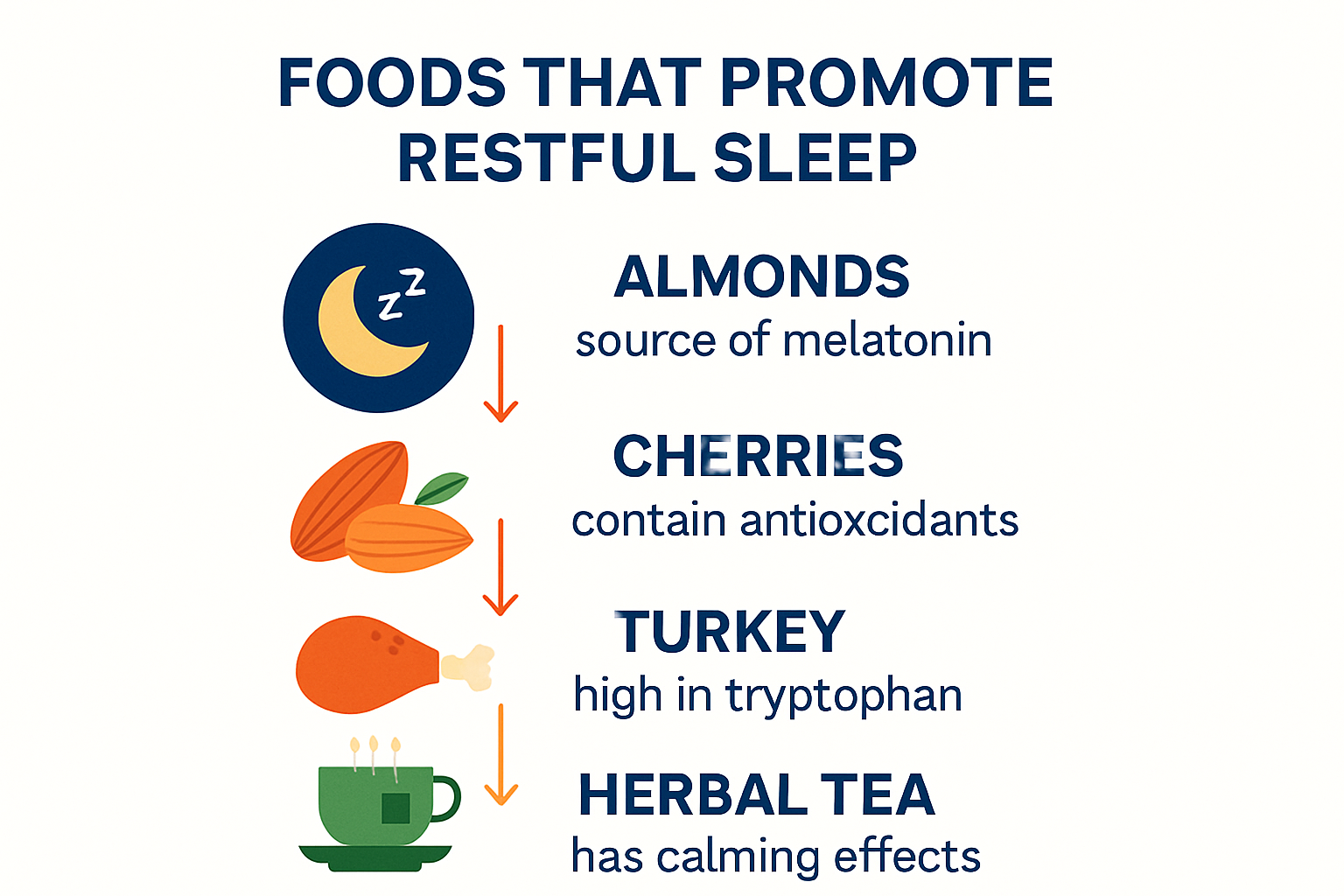
Magnesium-rich foods like almonds, spinach, and pumpkin seeds also contribute to sleep quality by helping muscle relaxation and supporting the body’s natural sleep preparation mechanisms. The combination of these nutritional elements creates a holistic approach to improving sleep through dietary choices.
Understanding the intricate relationship between specific foods and sleep quality empowers individuals to make strategic nutritional decisions. By incorporating these sleep-promoting foods into evening meals or pre-sleep routines, people can naturally enhance their sleep experience without relying solely on pharmaceutical interventions.
Foods to Limit for Improved Sleep
Just as certain foods can promote restful sleep, others can significantly disrupt our sleep architecture and quality. Understanding which foods and dietary habits negatively impact sleep is crucial for developing healthy nighttime nutrition strategies.
Caffeine and Stimulant-Rich Substances
Research demonstrates that consuming caffeine, even hours before bedtime, can substantially interfere with sleep onset and quality. Caffeine’s stimulant properties can remain active in the human body for up to 8 hours, making afternoon coffee or tea potentially detrimental to evening sleep patterns.
Beyond traditional caffeinated beverages, hidden sources like chocolate, energy drinks, and certain medications can also introduce stimulants that disrupt natural sleep cycles. Dark chocolate, while nutritionally beneficial, contains theobromine—another stimulant that can increase heart rate and mental alertness.
High-Carbohydrate and Late-Night Meals
Clinical studies reveal that high-carbohydrate, low-fat diets consumed in the evening can significantly decrease slow-wave sleep (SWS), a critical phase of restorative sleep. Large meals close to bedtime force the digestive system to work actively when the body should be preparing for rest, potentially causing discomfort and disrupting sleep architecture.
Strategic meal timing becomes crucial. Consuming heavy or complex meals within 2-3 hours of bedtime can lead to:
- Metabolic Disruption: Increased insulin and blood sugar fluctuations
- Digestive Interference: Active digestion preventing relaxation
- Temperature Regulation Challenges: Metabolic heat generation opposing sleep preparation
Alcohol and Inflammatory Foods
Evidence indicates that alcohol consumption, despite its initial sedative effects, dramatically reduces sleep quality. While alcohol might help individuals fall asleep faster, it significantly fragments sleep cycles, reducing rapid eye movement (REM) sleep and overall restorative potential.
Inflammatory foods represent another category to limit for optimal sleep. Processed foods, those high in refined sugars, and items with significant trans-fat content can trigger inflammatory responses that interfere with sleep mechanisms. These foods can:
- Increase oxidative stress
- Disrupt hormonal balance
- Heighten metabolic activity during rest periods
Alternatively, individuals seeking better sleep should prioritize light, nutrient-dense evening meals composed of complex carbohydrates, lean proteins, and foods rich in sleep-supporting minerals. By understanding and strategically limiting certain foods, one can create a nutritional environment more conducive to restful, uninterrupted sleep.
Ultimately, personalized nutrition approaches that consider individual metabolic responses and sleep patterns offer the most effective strategies for optimizing dietary choices related to sleep quality.
Frequently Asked Questions
What is the relationship between sleep and nutrition?
The relationship between sleep and nutrition is significant. The foods we consume affect our sleep quality and duration by influencing hormone levels, neurotransmitter production, and metabolic processes. A balanced diet can enhance sleep quality and help regulate sleep patterns.
Which nutrients are essential for better sleep?
Essential nutrients for better sleep include magnesium, vitamin D, tryptophan, and B vitamins. Foods rich in these nutrients, such as leafy greens, nuts, fatty fish, and eggs, support the body’s natural sleep mechanisms and improve sleep quality.
What foods are known to promote restful sleep?
Foods that promote restful sleep include kiwifruit, tart cherry juice, omega-3-rich fatty fish (like salmon and sardines), nuts, seeds, and whole grains. These foods contain compounds that support sleep quality, help reduce anxiety, and regulate sleep-wake cycles.
What foods should I limit to improve my sleep?
To improve sleep quality, limit caffeine, stimulant-rich substances, high-carbohydrate, and heavy meals close to bedtime. Alcohol and processed foods should also be restricted as they can disrupt sleep architecture and reduce overall sleep quality.
Transform Your Sleep with Personalized Nutrition!
Are you tired of restless nights, struggling to connect the dots between your diet and sleep quality? The article highlights how dietary patterns and specific nutrients can profoundly impact your sleep. Yet, navigating through the vast sea of nutritional options can feel overwhelming. Enter Menalam—your personalized nutrition consultant ready to tackle these challenges head-on!

Imagine having a digital nutritionist that tailors supplement recommendations to your unique health profile, lifestyle, and dietary preferences. With our innovative platform, you’ll receive:
- Personalized supplement plans to enhance nutrients crucial for restful sleep like magnesium, vitamin D, and tryptophan.
- Ongoing adjustments based on your health progress and even blood test results, ensuring that your diet continually supports better sleep.
- A user-friendly mobile app to track your intake and remind you when it’s time for those vital nutrients.
Don’t let sleepless nights hold you back any longer. Visit https://menalam.com now and take control of your sleep health with customized nutrition solutions that truly work. Your path to rejuvenating sleep begins today!
Leave a Reply